
In recent years, toxicity in spiritual communities has become a significant topic of discussion. Spiritual spaces, while intended for healing, growth, and connection, can sometimes develop unhealthy dynamics that cause emotional and psychological harm.
Understanding these toxic elements is essential for anyone pursuing an authentic spiritual experience. When engaging in a spiritual journey, it’s important to recognize the varying quality of different communities. Some groups present themselves as havens of peace and enlightenment while actually harboring toxic behaviors beneath this facade.
This discussion examines the indicators, sources, and effects of toxicity in spiritual communities, while also offering strategies for creating healthier environments. Awareness of these issues enables individuals to protect themselves and make positive contributions to their spiritual spaces.
Key Takeaways
- Toxicity in spiritual communities can manifest through manipulation, control, and exclusion.
- Recognizing signs like emotional abuse and authoritarian leadership is crucial for community health.
- Establishing boundaries and promoting open communication help prevent and address toxic behaviors.
- Accountability, transparency, and inclusive practices foster a safe and supportive environment.
- Healing and recovery are essential for individuals affected, enabling the growth of nurturing communities.
Signs and Symptoms of Toxicity in Spiritual Communities
Identifying toxicity in spiritual communities can be challenging, especially when you are deeply invested in the beliefs and practices of the group. One of the most telling signs is a pervasive sense of fear or anxiety among members. If you find yourself or others feeling constantly on edge, worried about judgment or repercussions for expressing dissenting opinions, this could indicate a toxic environment.
Additionally, you might notice a lack of open dialogue; when discussions are stifled or discouraged, it creates an atmosphere where manipulation can thrive. Another symptom of toxicity is the presence of favoritism or elitism within the community. If certain individuals are consistently placed on pedestals while others are marginalized or ignored, it can lead to feelings of inadequacy and resentment.
You may also observe a pattern of gaslighting, where your perceptions and experiences are invalidated or dismissed. This behavior can erode your self-esteem and make it difficult to trust your instincts. Recognizing these signs is the first step toward addressing the underlying issues within your spiritual community.
Understanding the Causes of Toxicity in Spiritual Communities
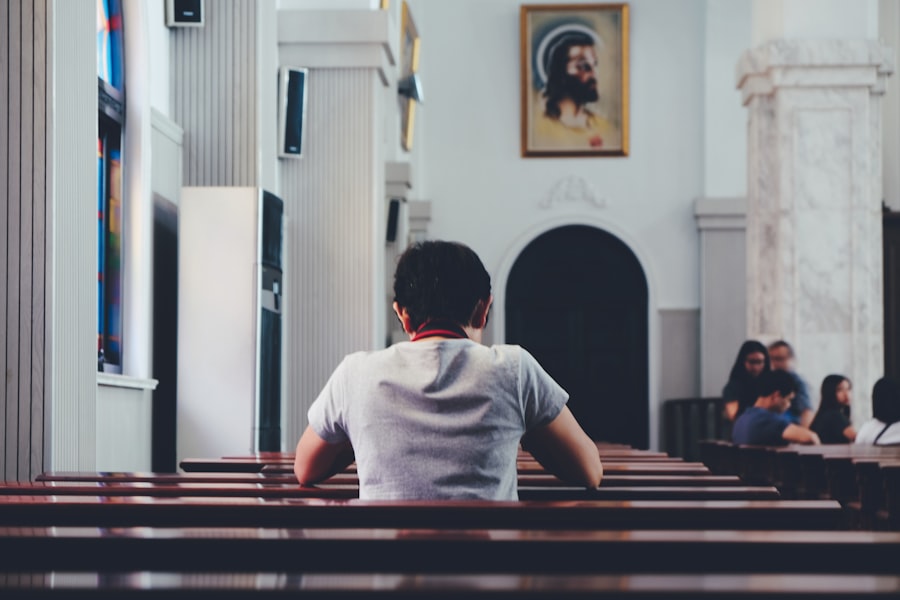
To effectively combat toxicity, it’s important to understand its root causes.
When individuals in positions of authority wield their influence without accountability, it can create an environment ripe for manipulation and abuse.
You may find that some leaders project their insecurities onto their followers, using their roles as a means to exert control rather than foster genuine connection. Additionally, societal pressures and cultural norms can contribute to toxic behaviors within spiritual communities. Many people enter these spaces seeking solace from external challenges, but when they encounter unhealthy dynamics, it can exacerbate their struggles rather than alleviate them.
You might also notice that some communities prioritize conformity over individuality, stifling personal growth and self-expression. Understanding these underlying causes can empower you to advocate for healthier practices within your community.
Impact of Toxicity on Individuals and the Community
The impact of toxicity in spiritual communities extends far beyond individual experiences; it can ripple through the entire group, affecting relationships and overall cohesion. For you as an individual, exposure to toxic dynamics can lead to feelings of isolation, confusion, and even trauma. You may find yourself questioning your beliefs or feeling disconnected from your spiritual path due to the negative experiences you’ve encountered.
This disillusionment can hinder your personal growth and make it difficult to trust others in similar spaces. On a broader scale, toxicity can fracture community bonds and create divisions among members. When individuals feel unsupported or invalidated, they may withdraw from participation or even leave the community altogether.
This exodus can lead to a loss of diversity in perspectives and experiences, ultimately diminishing the richness of the spiritual environment. As you reflect on your own experiences, consider how toxicity has shaped not only your journey but also the collective experience of those around you.
Recognizing and Addressing Manipulative Behavior in Spiritual Leaders
| Metric | Description | Typical Range | Impact Level |
|---|---|---|---|
| Incidence of Gossip | Frequency of negative talk or rumors within the community | Low to High (0-80% of interactions) | Moderate to High |
| Exclusivity Rate | Percentage of members feeling excluded or marginalized | 5% – 40% | High |
| Authoritarian Leadership | Degree to which leadership suppresses dissent or alternative views | Low to High (1-10 scale) | High |
| Emotional Manipulation | Instances of guilt-tripping or fear-based control tactics | Rare to Frequent | High |
| Member Turnover Rate | Percentage of members leaving due to negative experiences | 10% – 50% annually | Moderate to High |
| Conflict Resolution Effectiveness | Success rate of resolving disputes constructively | 20% – 80% | Low to Moderate |
| Supportiveness Score | Member rating of emotional and spiritual support received | 1 – 10 scale (average 3-8) | Varies |
Manipulative behavior among spiritual leaders can be particularly insidious, as it often masquerades as guidance or support. You may encounter leaders who use guilt or shame to control their followers, making you feel responsible for their emotional well-being or spiritual progress. Recognizing these tactics is crucial for maintaining your autonomy and well-being within the community.
Pay attention to how leaders communicate; if their messages consistently undermine your self-worth or encourage dependency, it’s time to reevaluate your involvement. Addressing manipulative behavior requires courage and clarity. You might consider discussing your concerns with trusted members of the community or seeking outside support from friends or mental health professionals.
It’s important to approach these conversations with a focus on your own experiences rather than accusations, as this can foster a more constructive dialogue. By standing up against manipulation, you not only protect yourself but also contribute to a culture that values integrity and respect.
Establishing Healthy Boundaries in Spiritual Communities
Establishing healthy boundaries is essential for fostering a supportive environment within spiritual communities. As you engage with others on your spiritual journey, it’s important to recognize your own needs and limits. This might involve setting clear expectations about what you are comfortable sharing or how much time you are willing to invest in group activities.
By communicating your boundaries openly, you create space for others to do the same, promoting mutual respect and understanding. You may also find it helpful to reflect on past experiences where your boundaries were crossed or ignored. Consider how those situations made you feel and what you wish had been different.
This self-awareness can empower you to advocate for yourself more effectively in future interactions. Remember that establishing boundaries is not about shutting others out; rather, it’s about creating a safe space where everyone can thrive spiritually without fear of overstepping or being overstepped.
Promoting Open Communication and Conflict Resolution
Open communication is vital for addressing issues within spiritual communities and fostering a culture of trust and collaboration. You might encourage dialogue by initiating conversations about difficult topics or inviting others to share their perspectives on community dynamics. Creating forums for discussion—whether through group meetings, workshops, or informal gatherings—can help break down barriers and facilitate understanding among members.
When conflicts arise, it’s essential to approach them with a spirit of compassion and curiosity rather than defensiveness. You may find that actively listening to others’ viewpoints allows for deeper connections and resolutions that honor everyone’s experiences. Consider implementing conflict resolution strategies that prioritize empathy and collaboration; this could involve mediation processes or structured discussions aimed at finding common ground.
By promoting open communication, you contribute to a healthier community where everyone feels heard and valued.
Cultivating a Culture of Accountability and Transparency
A culture of accountability and transparency is crucial for preventing toxicity from taking root in spiritual communities. As you engage with others, consider how accountability can be woven into the fabric of your interactions. This might involve establishing clear guidelines for behavior within the community or creating systems for reporting concerns without fear of retaliation.
When everyone understands their responsibilities and the consequences of their actions, it fosters an environment where integrity is prioritized. Transparency also plays a key role in building trust among members. You might advocate for open discussions about decision-making processes within the community or encourage leaders to share their intentions behind certain practices or teachings.
By demystifying leadership roles and encouraging vulnerability among members, you create a space where everyone feels empowered to contribute meaningfully without fear of judgment or exclusion.
Healing and Recovery for Those Affected by Toxicity
Healing from toxic experiences within spiritual communities is a deeply personal journey that requires time, support, and self-compassion. If you have been affected by toxicity, it’s important to acknowledge your feelings and give yourself permission to grieve what was lost—whether that be trust, connection, or a sense of belonging. Seeking support from trusted friends or mental health professionals can provide valuable guidance as you navigate this process.
You may also find solace in reconnecting with your own spiritual practices outside of the community context. Engaging in activities that nourish your soul—such as meditation, journaling, or spending time in nature—can help restore your sense of self and foster resilience. Remember that healing is not linear; there will be ups and downs along the way.
Embrace each step as part of your journey toward reclaiming your spiritual path.
Creating Safe and Inclusive Spaces in Spiritual Communities
Creating safe and inclusive spaces within spiritual communities requires intentional effort from all members. As you engage with others, consider how diversity—whether in terms of race, gender identity, sexual orientation, or life experiences—enriches the community experience. You might advocate for practices that celebrate this diversity by incorporating varied perspectives into discussions or inviting guest speakers from different backgrounds.
Additionally, fostering inclusivity means actively addressing any discriminatory behaviors that may arise within the community. Encourage open conversations about privilege and bias while promoting empathy and understanding among members. By creating an environment where everyone feels valued and respected, you contribute to a thriving spiritual community that honors the unique contributions of each individual.
Moving Forward: Building a Thriving and Nurturing Spiritual Community
As you reflect on your experiences within spiritual communities—both positive and negative—you have the opportunity to contribute to building a thriving environment for yourself and others moving forward. Embrace the lessons learned from past challenges while remaining open to new possibilities for growth and connection. By prioritizing healthy practices such as open communication, accountability, and inclusivity, you can help shape a community that truly embodies the principles of love, compassion, and support.
Remember that building a nurturing spiritual community is an ongoing process that requires commitment from all members involved. Encourage others to join you in this endeavor by sharing resources, hosting workshops on healthy practices, or simply engaging in meaningful conversations about community dynamics. Together, you can create a space where everyone feels empowered to explore their spirituality authentically while fostering connections that uplift and inspire one another on this shared journey.
In exploring the dynamics of spiritual communities, it’s essential to address the issue of toxicity that can arise within these spaces. A related article that delves into this topic is available on Unplugged Psych, which discusses the nuances of spiritual community interactions and the potential for harmful behaviors. You can read more about it in their insightful piece [here](https://www.unpluggedpsych.com/).
WATCH THIS 🛑 The Final Trap: Why ‘Healed’ People Are The Most Narcissistic
FAQs
What is spiritual community toxicity?
Spiritual community toxicity refers to harmful behaviors, attitudes, or dynamics within groups that identify as spiritual or religious. This can include manipulation, exclusion, judgment, or abuse of power that negatively impacts members’ well-being.
What are common signs of toxicity in a spiritual community?
Common signs include authoritarian leadership, lack of transparency, discouragement of questioning or dissent, emotional manipulation, social isolation of members, and pressure to conform to specific beliefs or practices.
How can spiritual community toxicity affect individuals?
It can lead to emotional distress, loss of self-esteem, confusion, social isolation, and in severe cases, trauma. Members may feel trapped, unsupported, or fearful of leaving the community.
Can spiritual communities be both supportive and toxic?
Yes, many spiritual communities offer genuine support and growth opportunities but may also have underlying toxic dynamics. It is possible for a community to have positive aspects while still exhibiting harmful behaviors.
What steps can someone take if they experience toxicity in their spiritual community?
Individuals can seek support from trusted friends, counselors, or external spiritual groups, set personal boundaries, educate themselves about healthy community dynamics, and consider leaving the community if the environment is harmful.
Are there ways to prevent toxicity in spiritual communities?
Yes, promoting open communication, encouraging critical thinking, establishing clear ethical guidelines, fostering inclusive leadership, and prioritizing members’ well-being can help prevent toxicity.
Is spiritual community toxicity unique to any particular religion or tradition?
No, toxicity can occur in any spiritual or religious tradition. It is a human issue related to group dynamics and power structures rather than specific beliefs.
How can one differentiate between healthy spiritual guidance and toxic control?
Healthy guidance respects individual autonomy, encourages questions, and supports personal growth, while toxic control involves coercion, fear, secrecy, and suppression of dissent.
Where can someone find help if they are affected by spiritual community toxicity?
Help can be found through mental health professionals, support groups, spiritual counselors outside the community, and organizations specializing in cult recovery or spiritual abuse.