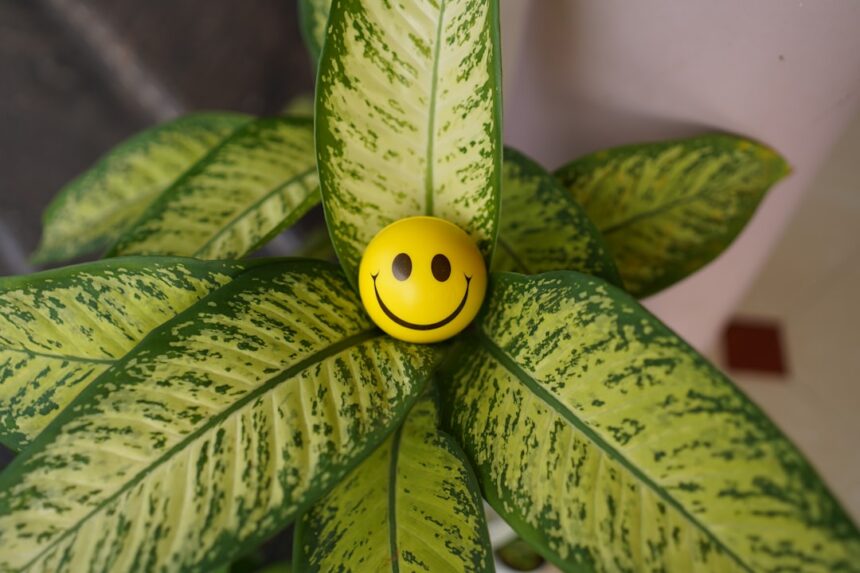
Toxic positivity is a term that has gained traction in recent years, encapsulating the idea that an overly optimistic attitude can be detrimental to mental health. You may have encountered this phenomenon in various aspects of life, where the pressure to maintain a positive outlook overshadows the importance of acknowledging and processing negative emotions. This relentless pursuit of positivity can create an environment where genuine feelings are dismissed or invalidated, leading to a cycle of emotional suppression.
Understanding toxic positivity is crucial for fostering healthier emotional landscapes, both personally and within your relationships. As you navigate through life, you might find that the societal expectation to “stay positive” can sometimes feel overwhelming. This pressure can manifest in various ways, from well-meaning friends who encourage you to “look on the bright side” during tough times to workplaces that prioritize a culture of relentless optimism.
While positivity has its place, it is essential to recognize when it crosses the line into toxicity. By exploring the nuances of toxic positivity, you can better understand its implications and learn how to cultivate a more balanced emotional approach.
Key Takeaways
- Toxic positivity involves dismissing negative emotions in favor of a falsely positive outlook, which can harm mental health.
- It negatively affects personal relationships by invalidating genuine feelings and creating emotional distance.
- In workplaces, toxic positivity can suppress honest communication and increase stress and burnout.
- Social media often amplifies toxic positivity by promoting unrealistic positivity norms and discouraging vulnerability.
- Overcoming toxic positivity requires embracing emotional honesty, promoting authenticity, and addressing it in therapy and counseling.
The Impact of Toxic Positivity on Mental Health
The impact of toxic positivity on mental health can be profound and far-reaching. When you are constantly bombarded with messages that encourage you to suppress negative emotions, it can lead to feelings of isolation and inadequacy. You may find yourself struggling to express your true feelings, fearing judgment or dismissal from those around you.
This emotional suppression can contribute to anxiety, depression, and a host of other mental health issues, as you may feel trapped in a cycle of pretending everything is fine when it is not. Moreover, toxic positivity can hinder your ability to process grief, loss, or disappointment. When you are told to “just be happy” or “look at the bright side,” it can invalidate your experiences and emotions.
You might feel pressured to rush through your feelings instead of allowing yourself the necessary time and space to heal. This lack of emotional processing can lead to unresolved issues that resurface later, often in more destructive ways. Recognizing the detrimental effects of toxic positivity on mental health is the first step toward fostering a more supportive and understanding environment for yourself and others.
Identifying Toxic Positivity in Personal Relationships

In personal relationships, identifying toxic positivity can be challenging yet essential for maintaining healthy connections. You may notice that certain friends or family members consistently respond to your struggles with overly simplistic solutions or platitudes. Phrases like “Everything happens for a reason” or “Just think positive thoughts” can feel dismissive when you are seeking empathy and understanding.
Recognizing these patterns in your interactions can help you set boundaries and communicate your needs more effectively. It is also important to reflect on your own responses to others’ struggles. You might find yourself defaulting to positivity as a way to comfort loved ones, but this approach can sometimes backfire.
Instead of providing solace, it may inadvertently minimize their feelings. By fostering an environment where vulnerability is welcomed, you can create deeper connections based on authenticity rather than superficial positivity. Encouraging open dialogue about emotions allows both you and your loved ones to navigate challenges together without the weight of toxic positivity.
Toxic Positivity in the Workplace
| Metric | Description | Impact | Example |
|---|---|---|---|
| Employee Stress Levels | Percentage of employees reporting high stress due to suppressed negative emotions | Increased burnout and decreased productivity | 65% of employees feel unable to express concerns openly |
| Job Satisfaction | Employee satisfaction scores related to workplace emotional climate | Lower job satisfaction linked to forced positivity | Average satisfaction rating drops from 7.8 to 6.2 |
| Turnover Rate | Annual percentage of employees leaving due to toxic positivity culture | Higher turnover leading to increased recruitment costs | Turnover increases by 15% in affected departments |
| Employee Engagement | Level of emotional and cognitive involvement at work | Reduced engagement due to lack of authentic communication | Engagement scores fall by 20% in teams with toxic positivity |
| Mental Health Days Taken | Number of days employees take off for mental health reasons | Increase indicates rising mental health issues | 15% increase in mental health days reported annually |
Toxic positivity is not confined to personal relationships; it also permeates workplace culture in various ways. In professional settings, you may encounter an environment that prioritizes relentless optimism over genuine communication. This culture can manifest in team meetings where employees are encouraged to “stay positive” despite overwhelming workloads or unrealistic expectations.
Such an atmosphere can lead to burnout and disengagement, as employees feel pressured to mask their true feelings rather than address underlying issues. Additionally, toxic positivity in the workplace can stifle creativity and innovation. When employees are afraid to voice concerns or share constructive criticism for fear of being labeled as negative, it creates a culture of conformity rather than collaboration.
You might find that this environment discourages open dialogue about challenges and solutions, ultimately hindering productivity and morale. Recognizing the signs of toxic positivity in your workplace is crucial for advocating for a healthier organizational culture that values authenticity and emotional honesty.
The Role of Social Media in Perpetuating Toxic Positivity
Social media plays a significant role in perpetuating toxic positivity, often presenting an unrealistic portrayal of life that emphasizes happiness and success while glossing over struggles and hardships. As you scroll through curated feeds filled with perfectly filtered images and inspirational quotes, it can be easy to fall into the trap of comparing your reality with others’ highlight reels. This constant exposure to idealized versions of life can lead to feelings of inadequacy and self-doubt.
Moreover, social media platforms often promote content that encourages a “positive vibes only” mentality, which can further reinforce toxic positivity. You may find yourself bombarded with messages that suggest any negative emotion is a sign of weakness or failure. This pressure to conform to an unrealistic standard can make it difficult for you to express genuine feelings or seek support when needed.
By critically examining your social media consumption and curating your feeds to include more authentic representations of life, you can combat the effects of toxic positivity and foster a healthier online experience.
Strategies for Overcoming Toxic Positivity

Overcoming toxic positivity requires intentional effort and self-awareness. One effective strategy is to practice emotional validation, both for yourself and others. When you experience negative emotions, allow yourself the space to acknowledge them without judgment.
You might find it helpful to journal about your feelings or engage in mindfulness practices that encourage self-reflection. By recognizing that it is okay to feel sad, angry, or frustrated, you can begin to break free from the constraints of toxic positivity. Additionally, fostering open communication with those around you is essential for overcoming toxic positivity in relationships.
Encourage honest discussions about emotions and create a safe space for vulnerability.
By modeling authenticity, you can inspire those around you to embrace their feelings without fear of judgment or dismissal.
Cultural and Societal Factors Contributing to Toxic Positivity
Cultural and societal factors play a significant role in shaping attitudes toward emotions and mental health. In many cultures, there is a strong emphasis on resilience and the idea that individuals should “tough it out” during difficult times. This mindset can contribute to the normalization of toxic positivity, as people may feel compelled to project strength rather than vulnerability.
You may find that societal expectations around success and happiness further exacerbate this issue, creating an environment where negative emotions are stigmatized. Moreover, the rise of self-help culture has led to an oversimplification of complex emotional experiences. You might encounter countless books and online resources that promote quick-fix solutions for emotional struggles, often emphasizing positivity as the primary remedy.
While these resources can be helpful in some contexts, they may inadvertently reinforce the notion that negative emotions should be avoided at all costs. By recognizing these cultural influences, you can begin to challenge societal norms and advocate for a more nuanced understanding of emotional well-being.
The Connection Between Toxic Positivity and Burnout
The connection between toxic positivity and burnout is increasingly recognized in both personal and professional contexts. When you are constantly encouraged to maintain a positive facade despite overwhelming stressors, it can lead to emotional exhaustion and disengagement. You may find yourself pushing through challenges without addressing underlying issues, ultimately resulting in burnout—a state characterized by chronic fatigue, cynicism, and reduced efficacy.
In the workplace, this connection becomes particularly evident as employees grapple with unrealistic expectations while suppressing their true feelings. The pressure to remain positive can create a culture where individuals feel they must sacrifice their well-being for the sake of productivity. Recognizing this link between toxic positivity and burnout is crucial for implementing strategies that prioritize mental health and well-being in both personal lives and organizational settings.
Research Findings on the Long-Term Effects of Toxic Positivity
Research on the long-term effects of toxic positivity reveals concerning trends regarding mental health outcomes. Studies indicate that individuals who consistently suppress negative emotions may experience higher levels of anxiety and depression over time. You might find that this emotional suppression leads to a disconnection from your authentic self, making it challenging to form meaningful relationships or cope with life’s inevitable ups and downs.
Furthermore, research suggests that environments characterized by toxic positivity can hinder personal growth and resilience. When individuals are discouraged from expressing their true feelings, they may struggle to develop effective coping strategies for dealing with adversity. This lack of emotional processing can have lasting implications for mental health, underscoring the importance of fostering environments that prioritize authenticity over superficial positivity.
Addressing Toxic Positivity in Therapy and Counseling
Addressing toxic positivity in therapy and counseling requires a nuanced approach that prioritizes emotional honesty and validation. As you engage with a therapist or counselor, it is essential to create an open dialogue about your experiences with toxic positivity—both personally and within your relationships. A skilled therapist will help you explore the impact of these dynamics on your mental health while providing tools for navigating difficult emotions.
In therapy sessions, you might focus on developing skills for emotional regulation and self-compassion. By learning how to acknowledge and process negative emotions without judgment, you can cultivate a healthier relationship with yourself and others. Additionally, discussing the societal pressures surrounding positivity can help contextualize your experiences, allowing you to challenge harmful narratives while embracing authenticity.
The Importance of Promoting Authenticity and Emotional Honesty
Promoting authenticity and emotional honesty is vital for combating toxic positivity in all areas of life.
By modeling vulnerability and encouraging open discussions about feelings, you contribute to a culture that values authenticity over superficiality.
Moreover, embracing authenticity allows you to connect more deeply with others while fostering resilience in the face of adversity. When you acknowledge both positive and negative emotions as integral parts of the human experience, you create an environment where individuals feel safe expressing their true selves without fear of judgment or dismissal. Ultimately, prioritizing authenticity not only enhances your well-being but also cultivates stronger relationships built on trust and understanding.
In conclusion, understanding toxic positivity is essential for navigating the complexities of modern life. By recognizing its impact on mental health, personal relationships, workplace dynamics, and societal norms, you can take proactive steps toward fostering emotional honesty and authenticity in yourself and those around you. Embracing the full spectrum of human emotions allows for deeper connections and promotes overall well-being—an invaluable pursuit in today’s fast-paced world.
Recent research on toxic positivity has shed light on the detrimental effects of overly optimistic attitudes in the face of genuine emotional struggles. A related article that delves deeper into this topic can be found at Unplugged Psych, where the nuances of emotional validation and the importance of acknowledging negative feelings are discussed. This exploration is crucial for understanding how to foster healthier emotional environments in both personal and professional settings.
WATCH THIS! Why ‘Good Vibes Only’ Is Destroying Your Brain (The Dark Truth About Toxic Positivity)
FAQs
What is toxic positivity?
Toxic positivity refers to the excessive and ineffective overgeneralization of a happy, optimistic state across all situations. It can result in the denial, minimization, and invalidation of genuine human emotional experiences.
Why is toxic positivity a concern in mental health research?
Toxic positivity can prevent individuals from processing negative emotions properly, leading to increased stress, anxiety, and feelings of isolation. Research highlights that acknowledging a full range of emotions is crucial for psychological well-being.
What are some common signs of toxic positivity?
Common signs include dismissing negative feelings with phrases like “just stay positive,” avoiding discussions about problems, and pressuring oneself or others to maintain a cheerful demeanor regardless of circumstances.
How does toxic positivity affect interpersonal relationships?
It can create barriers to authentic communication, reduce empathy, and make individuals feel misunderstood or unsupported when they are struggling emotionally.
What does recent 2024 research say about toxic positivity?
Recent studies in 2024 emphasize the importance of balanced emotional expression and caution against the societal push for constant positivity. They suggest that embracing a range of emotions leads to better mental health outcomes.
Can toxic positivity be harmful in the workplace?
Yes, promoting only positive attitudes in the workplace can suppress legitimate concerns, reduce psychological safety, and hinder problem-solving and innovation.
How can individuals avoid falling into toxic positivity?
Individuals can practice emotional validation, allow themselves and others to experience negative emotions, and seek support when needed rather than forcing positivity.
Are there cultural factors influencing toxic positivity?
Cultural norms around emotional expression can influence the prevalence and perception of toxic positivity. Some cultures may emphasize positivity more strongly, which can impact how emotions are managed and communicated.
What strategies do researchers recommend to address toxic positivity?
Researchers recommend promoting emotional literacy, encouraging open conversations about all emotions, and fostering environments where vulnerability is accepted and supported.
Where can I find more information about toxic positivity research?
Academic journals on psychology and mental health, reputable mental health organizations, and recent conference proceedings from 2024 are good sources for up-to-date research on toxic positivity.