
Emotional regulation is a fundamental aspect of human experience, influencing how you respond to the world around you. It encompasses the processes by which you monitor, evaluate, and modify your emotional reactions. Whether you find yourself feeling overwhelmed by anxiety or elated by joy, the ability to manage these emotions effectively can significantly impact your daily life.
Understanding emotional regulation is not just an academic exercise; it is a vital skill that can enhance your relationships, improve your mental health, and foster resilience in the face of challenges. As you navigate through life, you encounter a myriad of situations that evoke different emotional responses. From the joy of a personal achievement to the sorrow of loss, your emotions play a crucial role in shaping your experiences.
However, the ability to regulate these emotions is what distinguishes healthy emotional functioning from emotional dysregulation. By learning how to manage your feelings, you can cultivate a more balanced emotional state, leading to improved decision-making and overall well-being.
Key Takeaways
- Emotional regulation involves brain regions like the amygdala and prefrontal cortex working together to manage emotional responses.
- Neurotransmitters play a crucial role in modulating emotions and their regulation.
- Stress negatively impacts emotional regulation, but neuroplasticity allows the brain to adapt and improve this ability.
- Effective emotional regulation techniques can enhance mental health and influence behavior positively.
- Ongoing research aims to deepen understanding and develop better interventions for emotional regulation challenges.
The Role of the Brain in Emotional Regulation
Your brain is the command center for emotional regulation, orchestrating a complex interplay of neural circuits that govern how you experience and express emotions. Various regions of the brain work together to process emotional stimuli and determine appropriate responses. This intricate network includes structures such as the amygdala, prefrontal cortex, and other areas that contribute to your emotional landscape.
Understanding how these brain regions interact can provide valuable insights into your emotional experiences and help you develop strategies for better regulation. The brain’s ability to regulate emotions is not static; it is influenced by both genetic factors and environmental experiences. As you encounter different life events, your brain adapts and reorganizes itself in response to these experiences.
This neuroplasticity allows for the development of new pathways that can enhance or hinder your ability to manage emotions effectively. By recognizing the dynamic nature of your brain’s emotional processing, you can take proactive steps to foster healthier emotional regulation.
The Amygdala and Emotional Responses

The amygdala is often referred to as the brain’s emotional alarm system. This small, almond-shaped structure plays a pivotal role in detecting threats and triggering emotional responses such as fear and anxiety. When you perceive a potential danger, the amygdala activates, prompting an immediate reaction that prepares your body for fight or flight.
While this response can be life-saving in critical situations, it can also lead to heightened emotional responses in everyday scenarios, making it essential to understand its function in emotional regulation. Your amygdala’s sensitivity can vary based on individual experiences and environmental factors. For instance, if you have faced trauma or chronic stress, your amygdala may become hyperactive, leading to exaggerated emotional responses.
Conversely, a well-regulated amygdala allows for more measured reactions to emotional stimuli. By learning techniques to calm the amygdala’s response, such as mindfulness or deep breathing exercises, you can gain greater control over your emotional reactions and foster a sense of calm in challenging situations.
The Prefrontal Cortex and Emotional Regulation
| Metric | Description | Typical Values/Findings | Relevance to Emotional Regulation |
|---|---|---|---|
| Prefrontal Cortex Volume | Size of the prefrontal cortex measured via MRI | Average adult volume: ~150-200 cm³ | Larger volume often correlates with better emotional control and decision-making |
| Functional Connectivity | Connectivity strength between prefrontal cortex and amygdala | High connectivity linked to effective downregulation of negative emotions | Stronger connectivity supports better emotional regulation and reduced anxiety |
| Activation Level (fMRI BOLD signal) | Level of activation in the prefrontal cortex during emotional tasks | Increased activation during cognitive reappraisal tasks | Higher activation indicates active engagement in regulating emotions |
| Neurotransmitter Activity | Levels of dopamine and serotonin in the prefrontal cortex | Balanced dopamine and serotonin levels support mood stability | Neurotransmitter balance is critical for emotional regulation and impulse control |
| Response Time to Emotional Stimuli | Time taken by prefrontal cortex to respond to emotional stimuli | Typical response latency: 200-400 ms | Faster response times are associated with better emotional regulation |
In contrast to the amygdala’s instinctual responses, the prefrontal cortex serves as the brain’s executive function center, playing a crucial role in regulating emotions. This area of the brain is responsible for higher-order thinking processes such as decision-making, impulse control, and social behavior. When faced with strong emotions, the prefrontal cortex helps you assess the situation rationally and choose appropriate responses rather than reacting impulsively.
The relationship between the amygdala and prefrontal cortex is essential for effective emotional regulation. When the prefrontal cortex is functioning optimally, it can modulate the amygdala’s activity, allowing for more balanced emotional responses. However, when under stress or fatigue, the prefrontal cortex may struggle to exert this control, leading to emotional dysregulation.
By engaging in activities that strengthen your prefrontal cortex—such as cognitive exercises or mindfulness practices—you can enhance your ability to regulate emotions and respond thoughtfully rather than reactively.
Neurotransmitters and Emotional Regulation
Neurotransmitters are chemical messengers that play a vital role in transmitting signals between neurons in your brain. They significantly influence your mood and emotional state, making them essential components of emotional regulation. Key neurotransmitters such as serotonin, dopamine, and norepinephrine are involved in regulating feelings of happiness, motivation, and stress response.
Understanding how these chemicals function can provide insights into your emotional experiences and guide you toward healthier regulation strategies. For instance, serotonin is often referred to as the “feel-good” neurotransmitter due to its role in promoting feelings of well-being and happiness. Low levels of serotonin have been linked to mood disorders such as depression and anxiety.
By engaging in activities that boost serotonin levels—such as regular exercise, exposure to sunlight, or consuming a balanced diet—you can enhance your emotional regulation capabilities. Similarly, understanding how dopamine influences motivation can help you set achievable goals that foster positive emotions and reinforce healthy behaviors.
The Impact of Stress on Emotional Regulation
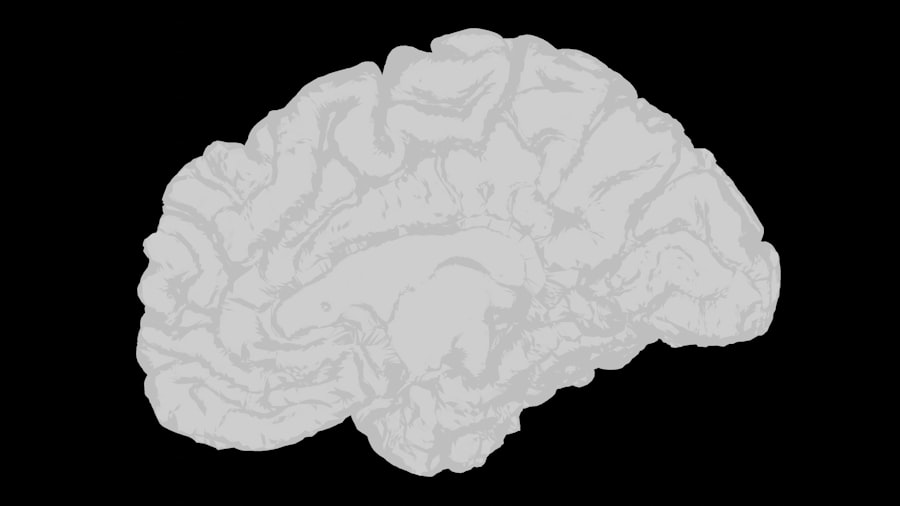
Stress is an inevitable part of life that can significantly impact your ability to regulate emotions effectively. When faced with stressors—whether they are related to work, relationships, or personal challenges—your body enters a heightened state of arousal that can overwhelm your emotional processing systems. Chronic stress can lead to dysregulation of both the amygdala and prefrontal cortex, making it difficult for you to manage your emotions in a healthy way.
Recognizing the signs of stress is crucial for maintaining effective emotional regulation. Symptoms such as irritability, anxiety, or difficulty concentrating may indicate that stress levels are interfering with your ability to cope with emotions. Implementing stress management techniques—such as mindfulness meditation, physical activity, or engaging in hobbies—can help mitigate these effects and restore balance to your emotional state.
By prioritizing self-care and developing resilience strategies, you can enhance your capacity for emotional regulation even in challenging circumstances.
The Role of Neuroplasticity in Emotional Regulation
Neuroplasticity refers to the brain’s remarkable ability to reorganize itself by forming new neural connections throughout life. This adaptability is particularly relevant when it comes to emotional regulation; it means that you have the power to change how you respond emotionally based on your experiences and practices. By engaging in activities that promote positive emotional experiences—such as therapy, mindfulness practices, or social connections—you can reshape your brain’s pathways related to emotion regulation.
The concept of neuroplasticity offers hope for those struggling with emotional dysregulation. It suggests that even if you have faced challenges in managing emotions in the past, it is possible to develop new skills and strategies that foster healthier responses. By committing to practices that enhance neuroplasticity—such as learning new skills or challenging negative thought patterns—you can create lasting changes in how you experience and regulate emotions.
The Connection Between Emotions and Behavior
Your emotions are intricately linked to your behaviors; how you feel often dictates how you act. When emotions are well-regulated, you are more likely to engage in positive behaviors that align with your values and goals. Conversely, when emotions are dysregulated—such as during moments of anger or sadness—you may find yourself acting impulsively or engaging in behaviors that do not serve your best interests.
Understanding this connection between emotions and behavior is crucial for improving emotional regulation. By becoming more aware of how specific emotions influence your actions, you can develop strategies to pause and reflect before reacting impulsively. Techniques such as journaling or practicing mindfulness can help you identify patterns in your emotional responses and behaviors, allowing you to make more conscious choices that align with your desired outcomes.
Techniques for Improving Emotional Regulation
Improving emotional regulation involves a combination of self-awareness, practice, and skill development. One effective technique is mindfulness meditation, which encourages you to observe your thoughts and feelings without judgment. By cultivating mindfulness, you can create space between your emotions and reactions, allowing for more thoughtful responses rather than impulsive actions.
Another valuable strategy is cognitive restructuring—challenging negative thought patterns that contribute to emotional dysregulation. By identifying cognitive distortions such as catastrophizing or black-and-white thinking, you can reframe these thoughts into more balanced perspectives. Additionally, engaging in regular physical activity has been shown to boost mood and reduce stress levels, further enhancing your ability to regulate emotions effectively.
The Importance of Emotional Regulation for Mental Health
Emotional regulation is not just a skill; it is a cornerstone of mental health and well-being. When you are able to manage your emotions effectively, you are better equipped to cope with life’s challenges and maintain healthy relationships with others. Conversely, difficulties in emotional regulation can lead to various mental health issues such as anxiety disorders, depression, and interpersonal conflicts.
By prioritizing emotional regulation as part of your mental health journey, you can cultivate resilience and improve overall quality of life. Developing this skill allows you to navigate difficult situations with greater ease and fosters a sense of empowerment over your emotional experiences. As you invest time in learning about yourself and practicing regulation techniques, you will likely notice positive changes not only in how you feel but also in how you interact with those around you.
The Future of Research in Emotional Regulation
As our understanding of emotional regulation continues to evolve, future research holds great promise for uncovering new insights into this complex process.
This research may lead to innovative therapeutic approaches that harness neuroplasticity for improved mental health outcomes.
Moreover, interdisciplinary studies combining psychology, neuroscience, and behavioral science will likely yield valuable findings on effective strategies for enhancing emotional regulation across diverse populations. As we continue to learn about the mechanisms underlying emotion regulation, there is hope for developing targeted interventions that empower individuals to take control of their emotional experiences and foster healthier relationships with themselves and others. In conclusion, understanding emotional regulation is essential for navigating life’s complexities with resilience and grace.
By exploring the roles of various brain structures, neurotransmitters, and techniques for improvement, you can cultivate a deeper awareness of your emotions and develop strategies for managing them effectively. As research continues to advance in this field, there is hope for even greater insights into fostering emotional well-being for all individuals.
Emotional regulation is a complex process that involves various neural mechanisms, and understanding these can provide valuable insights into mental health. For a deeper exploration of how neuroscience informs our understanding of emotional regulation, you can read the article on this topic at Unplugged Psych. This resource delves into the brain’s role in managing emotions and offers practical strategies for enhancing emotional well-being.
WATCH THIS! Why ‘Good Vibes Only’ Is Destroying Your Brain (The Dark Truth About Toxic Positivity)
FAQs
What is emotional regulation?
Emotional regulation refers to the processes by which individuals influence the emotions they have, when they have them, and how they experience and express these emotions. It involves managing and responding to emotional experiences in a way that is socially acceptable and flexible.
Which brain regions are involved in emotional regulation?
Key brain regions involved in emotional regulation include the prefrontal cortex (responsible for decision-making and impulse control), the amygdala (which processes emotions such as fear and pleasure), the anterior cingulate cortex (involved in error detection and emotional awareness), and the hippocampus (important for memory and contextualizing emotions).
How does the prefrontal cortex contribute to emotional regulation?
The prefrontal cortex helps regulate emotions by exerting top-down control over subcortical structures like the amygdala. It enables individuals to assess situations, inhibit inappropriate emotional responses, and implement strategies such as reappraisal to modulate emotional reactions.
What role does the amygdala play in emotional regulation?
The amygdala is critical for detecting emotionally salient stimuli and generating emotional responses, particularly fear and threat-related reactions. Its activity is modulated by regulatory signals from the prefrontal cortex to help control the intensity and duration of emotional responses.
Can emotional regulation be improved through training or therapy?
Yes, emotional regulation can be enhanced through various interventions such as cognitive-behavioral therapy (CBT), mindfulness practices, and emotion-focused therapies. These approaches often target neural circuits involved in regulation to improve emotional control and resilience.
How does neuroscience study emotional regulation?
Neuroscience studies emotional regulation using techniques like functional magnetic resonance imaging (fMRI), electroencephalography (EEG), and lesion studies to observe brain activity and connectivity during emotional tasks. These methods help identify the neural mechanisms underlying regulation processes.
Is emotional regulation the same for everyone?
No, emotional regulation strategies and effectiveness can vary widely among individuals due to genetic, developmental, environmental, and psychological factors. Differences in brain structure and function also contribute to variability in emotional regulation abilities.
Why is emotional regulation important for mental health?
Effective emotional regulation is crucial for mental health as it helps individuals manage stress, reduce symptoms of anxiety and depression, and maintain social relationships. Poor emotional regulation is associated with various psychiatric disorders, including mood disorders and borderline personality disorder.