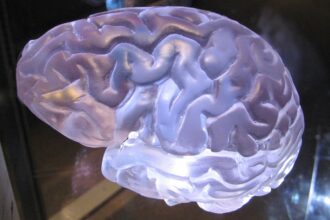
Déjà vu is a common cognitive phenomenon where individuals experience a strong sense of familiarity with a situation that they have not actually encountered before. The term originates from French, meaning “already seen,” which accurately describes the sensation of recognizing something despite having no prior exposure to it. This experience is typically brief but can be quite striking, often prompting individuals to question their perception of reality and the functioning of memory.
Research indicates that déjà vu is widespread, with a significant percentage of the population reporting at least one occurrence during their lifetime. This universality has made it a subject of interest across multiple disciplines, including neuroscience, psychology, and philosophy.
Neurological studies suggest that déjà vu may result from specific brain processes related to memory formation and retrieval. Various theories propose mechanisms such as temporal lobe anomalies, memory encoding discrepancies, or attentional divides that might explain why the brain incorrectly signals familiarity with novel experiences. Examining déjà vu provides valuable insights into the complex relationship between perception, memory, and consciousness.
Key Takeaways
- Déjà vu is the sensation of having already experienced a current situation, blending memory and perception.
- Historical views on déjà vu have evolved from mystical interpretations to scientific investigations.
- Neurologically, déjà vu involves complex brain mechanisms, particularly in the hippocampus and temporal lobe.
- Memory processing errors and neural pathway interactions contribute to the feeling of familiarity in déjà vu.
- Future research aims to better understand the brain regions involved and the connection between déjà vu and conditions like epilepsy.
Definition and Experience of Deja Vu
Déjà vu is often described as the sensation that you are reliving a moment or experience that you have encountered before, even when you know it is happening for the first time. This sensation can be accompanied by a strong emotional response, ranging from nostalgia to unease. You might find yourself in a familiar setting or engaging in a routine activity when suddenly, an overwhelming sense of familiarity washes over you.
It can be disorienting, leaving you to ponder whether you are caught in a loop of time or if your mind is playing tricks on you. The experience of déjà vu can vary significantly from person to person. For some, it lasts only a few seconds, while for others, it may linger longer, creating an almost dreamlike quality to the moment.
You might notice that certain environments or situations trigger this sensation more frequently than others. Researchers have suggested that factors such as stress, fatigue, and even certain medications can influence the likelihood of experiencing déjà vu. Regardless of its duration or intensity, the experience remains a captivating glimpse into the workings of your mind and memory.
Historical Perspectives on Deja Vu

Throughout history, déjà vu has been a subject of fascination across various cultures and disciplines. Ancient philosophers pondered the nature of reality and perception, often attributing the sensation to spiritual or metaphysical phenomena. You may find it intriguing that some early thinkers believed déjà vu was a glimpse into past lives or alternate realities.
This perspective reflects humanity’s enduring quest to understand the mysteries of existence and consciousness. In more recent times, psychological and neurological frameworks have emerged to explain déjà vu through scientific inquiry. The 19th century saw the first attempts to categorize and study this phenomenon systematically.
Psychologists began to document cases of déjà vu, seeking to understand its implications for memory and cognition. As you explore these historical perspectives, you will see how the understanding of déjà vu has evolved from mystical interpretations to empirical investigations, paving the way for contemporary research into its neurological underpinnings.
Neurological Basis of Deja Vu
The neurological basis of déjà vu is a complex interplay of brain functions that researchers are still striving to fully comprehend. You may be surprised to learn that studies suggest déjà vu is linked to the brain’s memory systems, particularly those involved in recognizing familiar stimuli. When your brain encounters a new experience that closely resembles a past event, it may trigger a false sense of familiarity, leading to the sensation of déjà vu.
Neuroscientific research has identified specific brain regions associated with this phenomenon. The temporal lobe, which plays a crucial role in processing memories and sensory information, has been implicated in many studies on déjà vu. As you consider these findings, it becomes clear that understanding the neurological basis of déjà vu could unlock valuable insights into how your brain processes experiences and forms memories.
Role of Memory and Perception in Deja Vu
| Metric | Description | Scientific Explanation | Relevant Brain Area |
|---|---|---|---|
| Frequency of Occurrence | Percentage of people experiencing déjà vu at least once | Approximately 60-80% of people report experiencing déjà vu | Temporal lobe, especially hippocampus |
| Age Group Most Affected | Age range with highest frequency of déjà vu | Typically occurs more in young adults aged 15-25 | Temporal lobe development and activity |
| Memory Processing Theory | Explanation based on memory systems | Déjà vu arises from a mismatch between short-term and long-term memory circuits | Hippocampus and parahippocampal gyrus |
| Neurological Cause | Brain activity linked to déjà vu | Brief temporal lobe seizures or abnormal electrical activity can trigger déjà vu | Temporal lobe |
| Perceptual Anomaly | Explanation involving sensory input processing | Delayed neural transmission causes current experience to be perceived as familiar | Temporal and frontal lobes |
| Emotional Component | Role of emotion in déjà vu experience | Strong emotional states can increase likelihood of déjà vu | Amygdala and limbic system |
Memory and perception are central to understanding déjà vu. When you experience this phenomenon, your brain is essentially misfiring signals related to memory retrieval and recognition. You might find it fascinating that your brain’s ability to distinguish between past and present experiences can sometimes falter, leading to the sensation that you have already encountered a situation.
This misalignment between memory and perception can create an illusion of familiarity that is both intriguing and perplexing. Moreover, the role of context cannot be overlooked.
For instance, if you are in a location that resembles a place from your past or if you are feeling particularly stressed or anxious, your likelihood of experiencing déjà vu may increase. By examining these factors, you can gain a deeper understanding of how memory and perception interact to create this captivating phenomenon.
Brain Mechanisms and Deja Vu
The mechanisms within your brain that contribute to déjà vu are intricate and multifaceted. Researchers have identified several key processes involved in this experience, including pattern recognition and memory encoding. When you encounter new information or stimuli, your brain rapidly assesses whether it aligns with existing memories.
If there is a close match, it may trigger a sense of familiarity even if the experience is novel. Additionally, the timing of neural signals plays a crucial role in how you perceive experiences. If there is a delay in processing sensory information or if your brain misinterprets incoming data as familiar due to overlapping neural pathways, you may experience déjà vu.
This highlights the importance of timing and coordination within your brain’s networks as they work together to create coherent perceptions of reality.
Neural Pathways and Deja Vu
Neural pathways are essential for understanding how déjà vu manifests in your brain. These pathways consist of interconnected neurons that communicate with one another to process information and form memories. When you experience déjà vu, certain pathways may become activated inappropriately or out of sync with other pathways responsible for distinguishing between past and present experiences.
You might find it interesting that researchers have used advanced imaging techniques to study these neural pathways in individuals who report frequent episodes of déjà vu. By examining brain activity during these experiences, scientists hope to identify specific patterns or anomalies that could explain why some people are more prone to déjà vu than others. This line of inquiry not only enhances our understanding of déjà vu but also sheds light on broader questions about memory formation and retrieval.
Deja Vu and the Hippocampus
The hippocampus is a critical structure in your brain associated with memory formation and spatial navigation. It plays a vital role in consolidating new information into long-term memories and retrieving them when needed. Research suggests that the hippocampus may also be involved in the experience of déjà vu.
When you encounter a situation that closely resembles a past event, the hippocampus may activate memories related to that event, leading to the sensation of familiarity. Interestingly, studies have shown that individuals with damage to their hippocampus often report fewer experiences of déjà vu. This observation supports the idea that the hippocampus is integral to the mechanisms underlying this phenomenon.
As you reflect on this connection, consider how the hippocampus not only shapes your memories but also influences your perception of reality through its intricate interactions with other brain regions.
Deja Vu and Temporal Lobe Epilepsy
Temporal lobe epilepsy (TLE) is a neurological condition characterized by recurrent seizures originating in the temporal lobe of the brain. Individuals with TLE often report experiencing intense episodes of déjà vu prior to or during seizures. This connection between TLE and déjà vu has provided researchers with valuable insights into the neurological underpinnings of this phenomenon.
You may find it compelling that studying individuals with TLE has allowed scientists to explore how disruptions in normal brain function can lead to heightened experiences of déjà vu. By examining these cases, researchers hope to uncover more about the mechanisms at play during episodes of déjà vu in the general population as well. This research not only enhances our understanding of TLE but also contributes to broader discussions about memory processing and neural function.
Deja Vu and the Frontal Cortex
The frontal cortex is another critical region involved in higher cognitive functions such as decision-making, problem-solving, and social behavior. Recent studies suggest that this area may also play a role in shaping your experiences of déjà vu. The frontal cortex helps regulate attention and working memory, which are essential for processing new information and distinguishing between familiar and novel experiences.
When there is an imbalance in activity within the frontal cortex during an encounter with new stimuli, it may lead to confusion between past memories and present experiences. This miscommunication can result in the sensation of déjà vu as your brain struggles to reconcile conflicting information about familiarity and novelty. Understanding how the frontal cortex interacts with other brain regions involved in memory processing could provide further insights into why some individuals experience déjà vu more frequently than others.
Conclusion and Future Research on Deja Vu
As you reflect on the complexities surrounding déjà vu, it becomes evident that this phenomenon encompasses various aspects of memory, perception, and neurological function. While much has been learned about its underlying mechanisms, there remains much more to explore. Future research holds promise for uncovering additional insights into how your brain processes experiences and forms memories.
As scientists continue to investigate the intricacies of déjà vu through advanced imaging techniques and studies involving individuals with neurological conditions like temporal lobe epilepsy, we can expect new revelations about this captivating phenomenon. By deepening our understanding of déjà vu, we not only gain insight into our own cognitive processes but also contribute to broader discussions about consciousness and human experience. Ultimately, exploring déjà vu invites us to ponder profound questions about reality, memory, and what it means to be human.
Deja vu is a fascinating phenomenon that has intrigued both scientists and the general public alike. It is often described as the eerie sensation of having already experienced a current situation. Recent studies in brain science suggest that this feeling may be linked to the brain’s memory processing systems. For a deeper understanding of the mechanisms behind deja vu, you can read more in this insightful article on Unplugged Psych: Unplugged Psych.
FAQs
What is déjà vu?
Déjà vu is a French term meaning “already seen.” It refers to the sensation that a current experience feels eerily familiar, as if it has happened before, even though it is actually new.
Why does déjà vu occur in the brain?
Déjà vu is believed to occur due to a temporary glitch in the brain’s memory processing. It may happen when the brain mistakenly interprets a new experience as a memory, causing a feeling of familiarity.
Which part of the brain is involved in déjà vu?
The temporal lobe, particularly the hippocampus and surrounding medial temporal lobe structures, plays a key role in memory formation and recognition, and is often associated with the experience of déjà vu.
Is déjà vu related to any neurological conditions?
Yes, déjà vu is sometimes reported by individuals with temporal lobe epilepsy. In such cases, déjà vu can be a type of seizure aura, indicating abnormal electrical activity in the brain.
Can stress or fatigue influence déjà vu?
Some studies suggest that stress, fatigue, or lack of sleep may increase the likelihood of experiencing déjà vu, possibly because these factors affect normal brain function and memory processing.
Is déjà vu a sign of a serious brain disorder?
In most healthy individuals, déjà vu is a common and harmless phenomenon. However, if it occurs frequently or is accompanied by other symptoms like seizures, it may warrant medical evaluation.
How common is déjà vu?
Déjà vu is a common experience, reported by approximately 60-80% of people at least once in their lifetime.
Can déjà vu be induced or controlled?
Currently, there is no reliable way to intentionally induce or control déjà vu. It typically occurs spontaneously and unpredictably.
What scientific methods are used to study déjà vu?
Researchers use brain imaging techniques such as fMRI and EEG, as well as psychological experiments and case studies, to investigate the neural mechanisms underlying déjà vu.
Does déjà vu have any evolutionary purpose?
The evolutionary purpose of déjà vu is not well understood. Some theories suggest it may be related to the brain’s memory systems and the need to quickly recognize familiar environments or situations.