
The Role of Natural Language Processing in Bot Networks
Natural Language Processing (NLP) is a field of computer science focused on enabling computers to understand, interpret, and generate human language. Your interaction with technology often relies on NLP without you even realizing it, from search engines and voice assistants to translation services. However, the same powerful tools that enhance your digital life can also be harnessed for less benign purposes. In the context of bot networks, NLP acts as the conductor of an orchestra, orchestrating the behavior and communication of numerous automated agents. This essay will explore the multifaceted role of NLP in bot networks, examining how it empowers these digital entities to mimic human interaction, operate with greater sophistication, and achieve a wider range of objectives.
At its core, a bot network is a collection of interconnected automated programs, often designed to perform specific tasks. For these bots to be effective, especially in scenarios involving human interaction, they must be able to communicate. This is where NLP becomes indispensable. Without NLP, bots would be like automatons speaking a foreign tongue, incapable of engaging in meaningful dialogue.
Understanding User Intent: The Gateway to Meaningful Responses
The first hurdle for any bot attempting to interact with a human is to grasp what the human is actually trying to convey. This is the realm of ‘intent recognition.’ NLP techniques, such as tokenization, stemming, and lemmatization, break down human language into manageable parts. Then, models trained on vast datasets can analyze these components to identify the underlying purpose of the user’s utterance. For instance, if you type “I want to book a flight to Paris,” intent recognition algorithms will dissect this sentence, identifying keywords like “book” and “flight” to understand that your goal is to make a travel reservation. In a bot network, this allows individual bots to act as specialized agents, each tuned to understand and respond to particular types of requests within their programmed domain. This precision is crucial for avoiding the frustration of inaccurate or irrelevant responses.
Sentiment Analysis: Gauging the Emotional Landscape
Beyond just understanding the literal meaning, NLP can also interpret the emotional tone of human communication. Sentiment analysis, a subfield of NLP, allows bots to detect whether a user is expressing positive, negative, or neutral emotions. This is vital for bots operating in customer service or social media contexts. Imagine a bot designed to manage online reviews. If it can identify a surge of negative sentiment surrounding a particular product, it can escalate the issue to human moderators or trigger a predefined customer service protocol. In bot networks, a coordinated effort could leverage sentiment analysis to identify trending opinions or to gauge the receptiveness of a target audience for propaganda or misinformation. The ability to discern emotional undercurrents adds a layer of finesse that makes bot interactions appear more human-like and, consequently, more persuasive.
Named Entity Recognition (NER): Identifying Key Information
Another critical NLP capability is Named Entity Recognition (NER). NER systems are trained to identify and classify named entities in text into pre-defined categories such as person, organization, location, medical codes, time expressions, quantities, monetary values, percentages, etc. For example, in the sentence “Apple announced its new iPhone in Cupertino yesterday,” NER would identify “Apple” as an organization, “iPhone” as a product, and “Cupertino” as a location. For bot networks, NER acts as a crucial data extraction tool. Bots can be programmed to scan vast amounts of text, like forum discussions or social media feeds, and extract specific pieces of information relevant to their objectives. This could range from identifying individuals associated with a particular organization to pinpointing locations where an event is taking place. This systematic harvesting of data is a cornerstone of many bot network operations, providing the raw material for further analysis or action.
The role of natural language processing (NLP) in bot networks is becoming increasingly significant as these technologies evolve. A related article that delves into this topic is available at Unplugged Psychology, where the implications of NLP in enhancing communication and interaction within bot networks are explored. This resource provides valuable insights into how NLP can improve the efficiency and effectiveness of automated systems in various applications.
Enhancing Bot Behavior: Sophistication Through Language Understanding
NLP doesn’t just facilitate basic communication; it allows bot networks to operate with a level of sophistication that can be difficult to distinguish from human activity. By understanding and generating human-like language, bots can engage in more complex interactions, adapt to changing circumstances, and achieve their goals more effectively.
Dialogue Management: Weaving Coherent Conversations
Effective conversation is more than just a series of question-and-answer exchanges. It involves maintaining context, remembering previous turns, and steering the conversation towards a desired outcome. Dialogue management, a key NLP component, enables bots to do just that. Bots can track the flow of a conversation, understand pronouns that refer to previously mentioned entities, and generate responses that are contextually relevant. This is akin to a skilled conversationalist who doesn’t just react but actively participates in shaping the discussion. In bot networks, sophisticated dialogue management can be used to create elaborate social engineering schemes. For instance, a bot might engage in a prolonged conversation, gradually building trust with a target user before attempting to extract sensitive information or direct them to a malicious website. The ability to maintain a coherent and seemingly natural dialogue makes these bots far more insidious.
Text Generation: Crafting Believable Content
The ability to generate text that is indistinguishable from human-written content is a powerful tool for bot networks. NLP models, particularly those based on large language models (LLMs) like GPT-3 and its successors, can produce remarkably coherent and contextually appropriate prose. This has opened up a new frontier for bot networks, enabling them to generate articles, social media posts, comments, and even entire narratives with uncanny realism. The implications are far-reaching. For example, bot networks can be used to flood social media with artificially generated content, creating the illusion of widespread public opinion on a particular issue. They can also generate convincing phishing emails or fake news articles, designed to deceive and manipulate their readers. The quality of text generation has advanced to a point where distinguishing between human and bot-created content is becoming increasingly challenging, posing a significant threat to information integrity.
Natural Language Understanding (NLU) in Analysis: Deeper Insights from Data
While generating text is one aspect, understanding existing text is equally vital. NLU focuses on comprehending the meaning and nuances of human language, going beyond simple keyword matching. This allows bots to analyze large volumes of unstructured data – such as online reviews, forum discussions, and news articles – to extract deeper insights. For instance, a bot network might use NLU to analyze customer feedback to identify common pain points or emerging trends. This information can then be used to refine product development, tailor marketing campaigns, or even to identify potential vulnerabilities in competing systems. The ability to process and derive meaning from vast textual datasets gives bot networks a strategic advantage, allowing them to operate with a sophisticated understanding of the information landscape.
Applications in Malicious Activities: The Darker Side of NLP-Powered Bots

The very capabilities that make NLP so valuable for legitimate applications can also be exploited for malicious purposes. Bot networks, empowered by NLP, have become potent tools in the arsenal of cybercriminals and state-sponsored actors.
Social Engineering and Phishing: The Art of Deception
Social engineering relies on psychological manipulation to trick individuals into performing an action, such as divulging confidential information or downloading malware. NLP significantly enhances the effectiveness of social engineering attacks orchestrated by bot networks. Bots can be programmed to engage in highly personalized conversations, mimicking the tone and style of a trusted individual or organization. Phishing emails, for example, can be crafted with exceptional grammatical accuracy and persuasive language, making them far more convincing than their clumsier predecessors. The ability of NLP to understand and generate human empathy, albeit artificially, allows bots to exploit human emotions like fear, greed, or curiosity, leading to higher success rates in their deceptive endeavors.
Information Warfare and Propaganda: Shaping Perceptions
In the digital age, controlling narratives and shaping public opinion is a powerful form of warfare. Bot networks, armed with advanced NLP, are increasingly employed in disseminating propaganda and influencing public discourse. They can flood social media platforms with pre-written posts, engage in astroturfing campaigns to create the illusion of grassroots support, or even generate fake news articles designed to sow discord and distrust. The ability of NLP to craft believable content, tailored to specific demographics and emotional triggers, makes these campaigns highly effective. By appearing as authentic voices, these bots can subtly, or not so subtly, steer public perception on political issues, social trends, or even scientific matters. The sheer volume of activity from a coordinated bot network can overwhelm genuine discourse, making it difficult for individuals to discern truth from fabrication.
Amplifying Disinformation and Hate Speech: Spreading Malice at Scale
The speed and scale at which disinformation and hate speech can spread online are deeply concerning. Bot networks, powered by NLP, can exponentially amplify these harmful messages. They can automate the posting of inflammatory content across multiple platforms, engage in coordinated harassment campaigns, and overwhelm moderation efforts. Because NLP allows for the generation of diverse and contextually relevant messages, it becomes harder for automated detection systems to flag them effectively. This creates a digital echo chamber where hateful ideologies can fester and spread, with devastating real-world consequences. The ability of NLP to adapt and rephrase messages also makes it more challenging for platforms to develop effective countermeasures, as the bots can constantly evolve their tactics.
Defending Against NLP-Powered Threats: The Arms Race of Algorithms
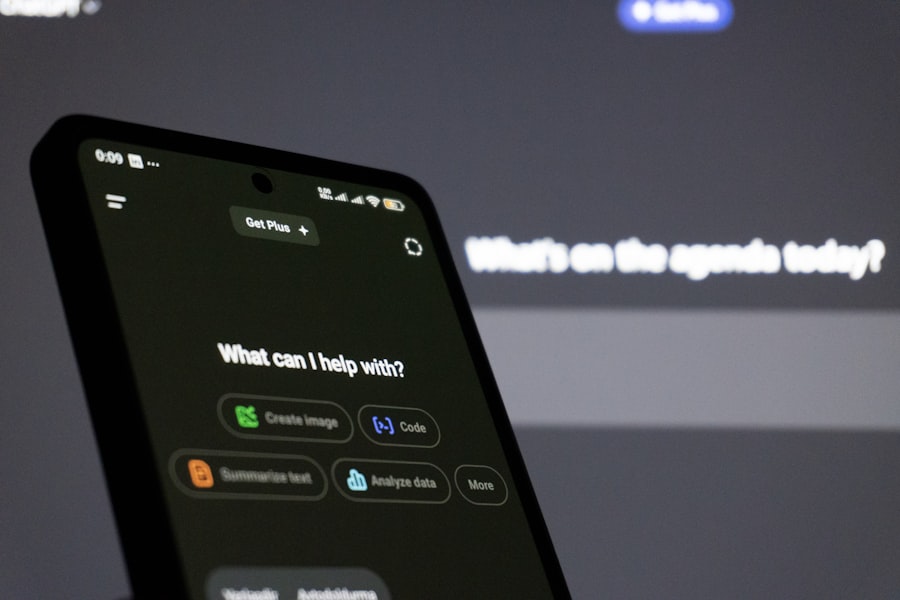
The sophisticated nature of NLP-driven bot networks necessitates equally sophisticated defenses. The ongoing battle between attackers and defenders is a constant arms race, where advancements in NLP on both sides are crucial.
Detecting Bot Activity: The Algorithmic Snooper
Identifying and neutralizing bot networks is a monumental task. NLP plays a dual role in this defense: it helps in detecting malicious bot activity and, conversely, enables the creation of more sophisticated bots that are harder to detect. For detection, NLP techniques are used to analyze patterns in communication that deviate from human behavior. This can include the speed of posting, the repetition of certain phrases, the lack of genuine human interaction (e.g., no replies to other users), or the unusual grammatical structures indicative of automated generation. Analyzing the language itself for subtle tells is a key detection strategy. For instance, overly formal language in a casual social media context, or an unnatural flow of conversation, might flag a bot. The challenge lies in distinguishing sophisticated bots from genuine, albeit idiosyncratic, human users.
Generating Human-like but Benign Responses: The Virtual Diplomat
In certain controlled environments, NLP can be used to create bots that mimic human interaction for beneficial purposes, such as customer service or educational platforms. These bots are designed to be helpful and engaging without being deceptive. They leverage NLP to understand user queries, provide accurate information, and maintain a polite and professional demeanor. The goal here is to create a seamless and positive user experience that is indistinguishable from interacting with a human, but without the associated costs or limitations. This is about using the tools of deception for purposes of efficiency and accessibility.
AI-Powered Content Moderation: The Digital Sentinel
Social media platforms and online forums grapple with the overwhelming task of moderating user-generated content. NLP is instrumental in building AI-powered content moderation systems. These systems can scan vast amounts of text and identify content that violates community guidelines, such as hate speech, harassment, or misinformation. By analyzing the language, sentiment, and intent of posts, these moderation tools can flag problematic content for human review or even automatically remove it. However, the adversarial nature of NLP means that as moderation tools become more sophisticated, so too do the bots seeking to circumvent them, leading to a continuous cycle of innovation and adaptation.
Natural language processing (NLP) plays a crucial role in the operation of bot networks, enabling these systems to understand and generate human-like text. By leveraging advanced algorithms, bots can engage in conversations, respond to inquiries, and even mimic human writing styles, which raises important questions about authenticity and trust online. For a deeper exploration of how NLP is transforming digital interactions, you can read this insightful article on the subject. The implications of these technologies are vast, affecting everything from customer service to social media dynamics. If you want to learn more about the impact of NLP in various fields, check out this article here.
The Future of NLP in Bot Networks: Evolving Threats and Countermeasures
| Metric | Description | Role of NLP | Example/Impact |
|---|---|---|---|
| Message Generation Quality | Measures the coherence and relevance of messages produced by bots | Enables bots to generate human-like, contextually appropriate text | Higher quality messages increase bot network credibility and influence |
| Sentiment Analysis Accuracy | Ability to detect and mimic emotional tone in conversations | Allows bots to tailor responses based on detected sentiment | Improves engagement by responding empathetically or provocatively |
| Language Diversity Support | Number of languages and dialects a bot network can operate in | NLP models enable multilingual communication and localization | Expands bot network reach across global audiences |
| Spam Detection Rate | Effectiveness in identifying and filtering bot-generated spam | NLP techniques analyze text patterns to detect automated content | Helps platforms reduce bot network influence and misinformation |
| Topic Modeling Accuracy | Ability to identify and generate content on trending topics | NLP helps bots stay relevant by understanding current discussions | Increases bot network’s ability to manipulate public opinion |
| Response Time | Speed at which bots generate and send replies | Optimized NLP models reduce latency in conversations | Enables real-time interaction, making bots appear more human |
The integration of NLP into bot networks is not a static phenomenon; it is a continuously evolving landscape. As NLP technology itself advances, so too will the capabilities and sophistication of bot networks, necessitating a perpetual evolution of defensive strategies.
Generative AI and Large Language Models: Amplifying the Threat
The advent of powerful generative AI models, such as LLMs, has been a game-changer for bot networks. These models can produce text, code, and even imagery with an unprecedented level of coherence and creativity. For bot networks, this means an explosion in their ability to generate convincing fake content, engage in highly nuanced social engineering, and adapt their communication styles in real-time. The implications for disinformation campaigns, cyberattacks, and the erosion of trust in online information are profound. Imagine a bot network capable of generating bespoke, contextually perfect phishing emails for every individual on a target list, complete with personalized references and language that resonates with their known interests. This level of sophistication is no longer theoretical.
The Rise of Autonomous and Adaptive Bots: Beyond Simple Programming
Future bot networks will likely move beyond simple pre-programmed behaviors towards more autonomous and adaptive systems. NLP will be crucial in enabling these bots to learn from their interactions, adapt their strategies based on environmental feedback, and even collaborate with each other in more dynamic ways. This could lead to bot networks that can independently discover vulnerabilities, orchestrate complex attacks without human intervention, and modify their communication strategies on the fly to evade detection. The ability for bots to learn and adapt means that a static defense will quickly become obsolete.
The Ethical Imperative: Responsibilities in the Age of AI Language
As NLP becomes more deeply embedded in bot networks, the ethical considerations surrounding its development and deployment become increasingly critical. There is a growing imperative for researchers, developers, and policymakers to grapple with the responsible use of this powerful technology. This includes developing robust detection mechanisms, fostering transparency in the development of AI systems, and establishing clear legal frameworks to address the malicious use of NLP-powered bots. The dialogue needs to shift from purely technological advancement to encompass the societal impact and the ethical responsibilities that accompany the creation of ever more sophisticated artificial intelligences that can speak our language. The ease with which advanced NLP can be weaponized demands a proactive and collaborative approach to mitigation.

▶️ WARNING: Your Phone Is Interrogating You
FAQs
What is natural language processing (NLP)?
Natural language processing (NLP) is a branch of artificial intelligence that focuses on the interaction between computers and human language. It enables machines to understand, interpret, and generate human language in a meaningful way.
How is NLP used in bot networks?
NLP is used in bot networks to enable automated systems to understand and respond to human language inputs. This allows bots to engage in conversations, analyze text data, generate content, and perform tasks such as sentiment analysis or language translation within the network.
What role does NLP play in detecting malicious bot activity?
NLP helps in identifying patterns of language use that may indicate malicious behavior, such as spam, phishing, or misinformation. By analyzing the linguistic features of messages, NLP tools can detect and filter out harmful content generated by bots in a network.
Can NLP improve the effectiveness of chatbots in bot networks?
Yes, NLP enhances chatbot performance by enabling more natural and context-aware interactions. This allows chatbots within bot networks to better understand user queries, provide accurate responses, and maintain coherent conversations.
What are the challenges of implementing NLP in bot networks?
Challenges include handling the complexity and ambiguity of human language, managing diverse languages and dialects, ensuring data privacy, and preventing misuse of NLP-powered bots for spreading misinformation or conducting cyberattacks.