Slot machines dominate the landscape of casinos and bars, attracting patrons with their vibrant displays and distinctive sounds. Their popularity stems from several key factors: the immediate results they provide, their straightforward gameplay requiring no strategic knowledge, and the potential for substantial payouts with minimal investment. This combination of simplicity and reward potential makes slot machines accessible to diverse audiences, including both dedicated gamblers and occasional players seeking entertainment.
The social dimension of slot machine gaming further contributes to their widespread appeal. Players often gather in groups around machines, creating a communal atmosphere of shared excitement and camaraderie. This social element transforms what could be a solitary activity into a collective experience.
The carefully designed sensory elements—colorful visuals, engaging audio effects, and social interaction—create an immersive environment that can significantly alter players’ perception of time and expenditure as they pursue winning combinations.
Key Takeaways
- Slot machines exploit brain reward systems and cognitive biases to encourage addictive behavior.
- Near misses and sensory cues significantly increase player engagement and impulsivity.
- Social influences and mental health disorders often exacerbate slot machine addiction.
- Effective prevention and treatment require addressing psychological, social, and design factors.
- Ethical concerns arise from slot machine design and marketing practices targeting vulnerable individuals.
The impact of reinforcement and reward on the brain
When you play slot machines, your brain undergoes a fascinating transformation.
Each time you pull the lever or press the button, your brain is flooded with this feel-good chemical, reinforcing the behavior and making you want to play again.
This cycle of reinforcement is powerful; it creates a feedback loop that keeps you returning to the machine in hopes of experiencing that rush once more. You may find yourself chasing the high of a win, often overlooking the losses that accompany it. This neurological response is not just limited to winning; even losing can elicit a similar reaction.
The unpredictability of slot machines means that you might experience small wins or bonuses that keep your excitement alive. These intermittent rewards can be more compelling than consistent wins, as they create a sense of hope and possibility.
Understanding this brain chemistry can shed light on why slot machines are so addictive and why many players struggle to walk away.
The role of cognitive biases in slot machine addiction
Cognitive biases play a significant role in how you perceive your chances of winning when playing slot machines. One common bias is the illusion of control, where you might believe that your actions can influence the outcome of the game. For instance, you may think that pressing the button at a certain moment or choosing specific machines will increase your odds of winning.
This misconception can lead to overconfidence and encourage you to play longer than intended, as you convince yourself that you have some control over an inherently random process. Another cognitive bias at play is the gambler’s fallacy, which leads you to believe that past outcomes can influence future results. If you’ve experienced a series of losses, you might think that a win is “due” and continue playing in hopes of breaking the streak.
This flawed reasoning can trap you in a cycle of gambling, as you chase after what seems like an inevitable win. Recognizing these cognitive biases is crucial for understanding how they contribute to slot machine addiction and can help you develop healthier gambling habits.
The influence of near misses and “almost wins” on behavior
Near misses are a powerful psychological phenomenon that can significantly impact your behavior when playing slot machines. When you experience an “almost win,” such as landing two out of three matching symbols, your brain interprets this as a sign that victory is within reach. This feeling can be exhilarating and often leads to increased motivation to continue playing.
You may find yourself thinking that you’re just one spin away from hitting it big, which can keep you engaged for longer periods. The allure of near misses is further amplified by the way slot machines are designed. Many games are programmed to create these situations intentionally, making it seem like winning is more attainable than it actually is.
This design choice exploits your psychological responses, encouraging you to keep playing despite the odds being stacked against you. As you chase these near misses, it’s essential to recognize how they can distort your perception of success and lead to compulsive gambling behaviors.
The connection between slot machine addiction and impulsivity
| Metric | Description | Typical Value/Range | Impact on Addiction |
|---|---|---|---|
| Near-Miss Frequency | Percentage of spins resulting in near-miss outcomes (e.g., two jackpot symbols and one off) | 30% – 50% | Increases player motivation and persistence despite losses |
| Reinforcement Schedule | Type of reward schedule used (e.g., variable ratio) | Variable Ratio (VR) | Creates high levels of engagement and resistance to extinction |
| Average Session Length | Typical duration of a slot machine playing session | 20 – 60 minutes | Longer sessions correlate with higher addiction risk |
| Return to Player (RTP) | Percentage of wagered money returned to players over time | 85% – 98% | Lower RTP can increase chasing behavior and frustration |
| Illusion of Control | Player belief that their actions influence outcomes | Reported by 60%+ of players | Enhances engagement and risk-taking |
| Chasing Losses | Percentage of players who continue playing to recover losses | 40% – 70% | Major factor in developing problem gambling behaviors |
| Physiological Arousal | Increase in heart rate and skin conductance during play | 20% – 40% increase | Reinforces addictive behavior through excitement |
Impulsivity is another critical factor in understanding slot machine addiction. If you tend to act on impulse without fully considering the consequences, you may find yourself drawn to the thrill of gambling without thinking about the potential risks involved. Slot machines provide immediate gratification, which can be particularly appealing for those who struggle with impulse control.
The instant feedback from each spin can create a rush that overshadows any rational thought about money management or long-term consequences. This impulsive behavior can lead to significant financial and emotional distress over time. You might find yourself spending more than you intended or chasing losses in an attempt to regain what you’ve lost.
Recognizing your impulsivity is crucial for developing healthier gambling habits and finding ways to manage your behavior effectively. By understanding how impulsivity influences your decisions at the slot machine, you can take proactive steps toward responsible gambling.
The impact of sensory cues and design on slot machine addiction
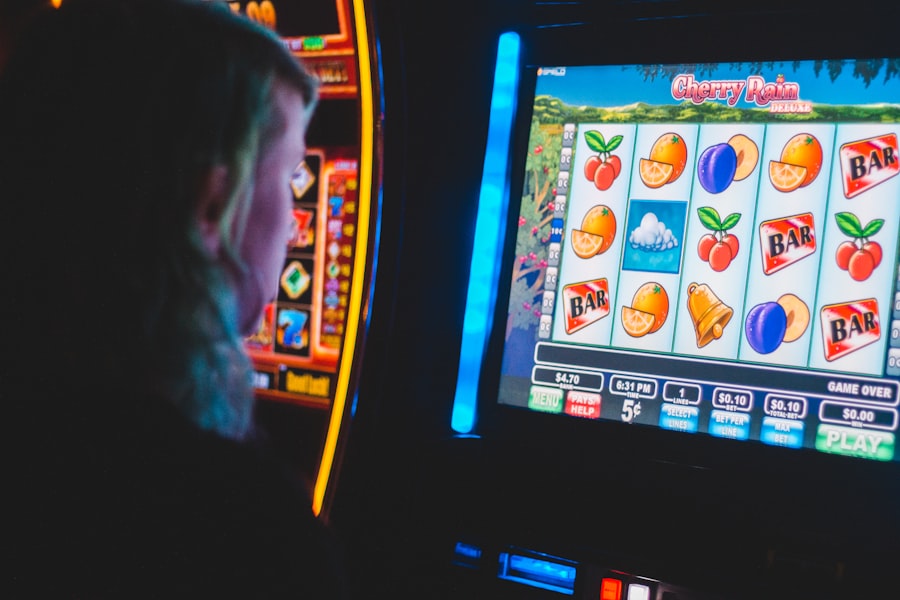
The design and sensory cues associated with slot machines are meticulously crafted to enhance your gaming experience and encourage prolonged play. Bright colors, flashing lights, and engaging sound effects create an immersive environment that captures your attention and keeps you engaged. These sensory elements are not just for entertainment; they are strategically designed to stimulate your senses and heighten your excitement while playing.
Additionally, many machines feature themes based on popular culture or fantasy elements that resonate with players on a personal level. This connection can make the experience feel more meaningful and enjoyable, further encouraging you to spend time at the machine. The combination of sensory stimulation and thematic engagement creates an environment where it’s easy to lose track of time and money.
Being aware of these design elements can help you recognize when you’re being influenced by external factors rather than making conscious decisions about your gambling habits.
The role of social factors in slot machine addiction
Social factors also play a significant role in slot machine addiction. You may find yourself influenced by friends or family members who enjoy gambling, creating a social environment where playing slots becomes normalized or even encouraged. This social aspect can lead to increased participation in gambling activities, as you seek out shared experiences with those around you.
The camaraderie built through group play can make it difficult to recognize when gambling has crossed the line into problematic behavior. Moreover, social media has changed how people engage with gambling activities. Online platforms often glamorize gambling experiences, showcasing big wins and exciting gameplay without highlighting the potential risks involved.
You might feel pressure to participate in these activities to fit in or share similar experiences with friends online. Understanding how social factors influence your gambling behavior is essential for developing awareness and making informed choices about your participation in slot machine gaming.
The relationship between slot machine addiction and mental health disorders
Slot machine addiction is often intertwined with various mental health disorders, creating a complex relationship between gambling behaviors and psychological well-being. If you’re struggling with anxiety, depression, or other mental health issues, you may turn to gambling as a form of escape or coping mechanism. The thrill of playing slots can provide temporary relief from negative emotions, but it often leads to further distress in the long run.
Additionally, individuals with pre-existing mental health conditions may be more susceptible to developing addictive behaviors related to gambling. The impulsivity associated with certain disorders can exacerbate tendencies toward compulsive gambling, making it challenging to break free from the cycle of addiction. Recognizing this connection between mental health and gambling is crucial for seeking appropriate support and treatment options tailored to your needs.
Strategies for preventing and treating slot machine addiction
Preventing and treating slot machine addiction requires a multifaceted approach that addresses both behavioral patterns and underlying psychological factors. One effective strategy is setting strict limits on time and money spent while playing slots. By establishing clear boundaries before engaging with these machines, you can reduce the likelihood of impulsive decisions that lead to excessive gambling.
Additionally, seeking support from friends or family members can be invaluable in maintaining accountability for your gambling habits. Open conversations about your experiences can help create a supportive environment where you’re less likely to engage in problematic behaviors alone. If you’re struggling with addiction, consider reaching out to professional resources such as counseling or support groups specifically focused on gambling addiction.
The ethical implications of slot machine design and marketing
The design and marketing strategies employed by slot machine manufacturers raise important ethical questions regarding their impact on players’ behavior. Many companies prioritize profit over player well-being by creating machines that exploit psychological vulnerabilities through sensory stimulation and cognitive biases. This raises concerns about whether these practices contribute to addiction and harm vulnerable individuals who may be more susceptible to compulsive gambling.
Furthermore, marketing campaigns often glamorize gambling experiences without adequately addressing the potential risks involved. You may encounter advertisements showcasing lavish lifestyles associated with big wins while downplaying the reality of losses and addiction struggles faced by many players. As consumers become more aware of these ethical implications, there is an increasing demand for responsible gaming practices that prioritize player safety over profit margins.
The future of research and intervention in slot machine addiction
As awareness surrounding slot machine addiction continues to grow, so does the need for ongoing research and effective intervention strategies. Future studies may focus on understanding the neurological mechanisms behind gambling behaviors more deeply, providing insights into how different individuals respond to various stimuli associated with slot machines. This knowledge could inform more targeted treatment approaches tailored to individual needs.
Additionally, advancements in technology may offer new avenues for intervention, such as mobile applications designed to help players track their gambling habits or access support resources easily. By leveraging technology alongside traditional therapeutic methods, there is potential for creating comprehensive support systems that empower individuals struggling with addiction to regain control over their behaviors. In conclusion, understanding the complexities surrounding slot machine addiction requires examining various factors such as reinforcement mechanisms, cognitive biases, sensory cues, social influences, mental health connections, ethical considerations in design practices, prevention strategies, treatment options available today—and future research directions aimed at improving outcomes for those affected by this issue.
By fostering awareness around these topics while promoting responsible gaming practices within society at large—there’s hope for reducing harm associated with excessive gambling behaviors moving forward.
Understanding the psychology behind slot machine addiction is crucial for both players and mental health professionals. A related article that delves into this topic can be found on Unplugged Psych, which explores the various psychological mechanisms that contribute to gambling addiction. For more insights, you can read the article [here](https://www.unpluggedpsych.com/).
WATCH THIS 🧠 The Manifestation Lie: How It Makes You Toxic and Poor
FAQs
What is slot machine psychology?
Slot machine psychology refers to the study of how slot machines are designed to influence player behavior and decision-making. It involves understanding the cognitive, emotional, and behavioral factors that contribute to how people interact with slot machines.
How do slot machines contribute to addiction?
Slot machines can contribute to addiction through features like variable reward schedules, sensory stimuli (lights and sounds), and near-miss outcomes. These elements can create a compelling experience that encourages repeated play and can lead to compulsive gambling behavior.
What is the role of variable ratio reinforcement in slot machine addiction?
Variable ratio reinforcement is a reward schedule where wins occur unpredictably. This unpredictability makes slot machine play highly engaging and can increase the likelihood of continued play, as players anticipate a potential win at any time, which is a key factor in addiction.
Are certain individuals more susceptible to slot machine addiction?
Yes, individuals with certain psychological traits, such as impulsivity, sensation-seeking, or existing mental health conditions, may be more vulnerable to developing a slot machine addiction. Additionally, people experiencing stress or financial difficulties might also be at higher risk.
Can understanding slot machine psychology help in preventing addiction?
Yes, understanding the psychological mechanisms behind slot machine play can inform prevention strategies, such as setting time and spending limits, promoting awareness of gambling risks, and designing machines with features that reduce addictive potential.
What are common signs of slot machine addiction?
Common signs include spending more time and money than intended, feeling unable to stop playing, neglecting personal responsibilities, chasing losses, and experiencing distress or anxiety related to gambling behavior.
Is slot machine addiction recognized as a medical condition?
Yes, slot machine addiction is considered a form of gambling disorder, which is recognized by medical authorities such as the American Psychiatric Association. It is characterized by persistent and recurrent problematic gambling behavior leading to significant impairment or distress.
What treatments are available for slot machine addiction?
Treatments include cognitive-behavioral therapy (CBT), support groups like Gamblers Anonymous, counseling, and in some cases, medication to address underlying mental health issues. Early intervention improves the chances of recovery.
Do slot machines have features designed to encourage longer play?
Yes, many slot machines incorporate features such as bonus rounds, near-miss outcomes, and engaging audiovisual effects that are designed to maintain player interest and encourage extended play sessions.
Can setting limits on playtime and spending reduce the risk of addiction?
Yes, setting personal limits on the amount of time and money spent on slot machines can help reduce the risk of developing addictive behaviors and promote responsible gambling practices.