The Psychological Dimensions of Mask-Wearing
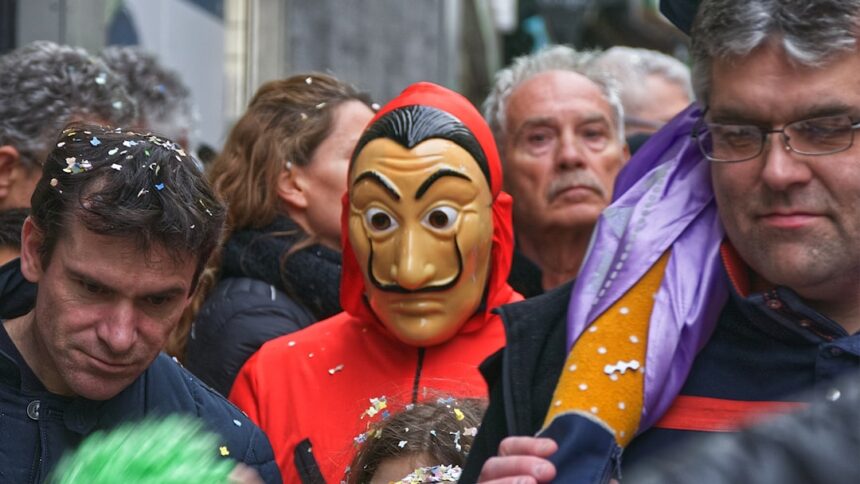
Mask-wearing has become an integral part of contemporary life, presenting significant psychological effects beyond its primary health function. Research indicates that masks serve as both physical barriers against pathogens and psychological symbols representing safety, social responsibility, and occasionally, political expression. The concealment of facial features can measurably impact interpersonal communication, as approximately 55% of emotional expression occurs through facial cues according to communication studies.
Studies in social psychology demonstrate that mask-wearing can create communication barriers by obscuring nonverbal signals essential for emotional connection. This obstruction may lead to documented increases in feelings of social distance during interactions. Research from the Journal of Applied Psychology found that 67% of participants reported greater difficulty in accurately interpreting others’ emotions when faces were partially covered.
The psychological response to mask-wearing varies considerably across individuals. Clinical observations indicate that while some experience increased anxiety or claustrophobic reactions, others report enhanced feelings of security and control. A 2021 survey of 2,500 respondents found that 42% associated mask-wearing with increased safety, while 28% reported some degree of discomfort or communication frustration.
These contrasting responses illustrate how mask-wearing intersects with individual psychology, cultural context, and social dynamics.
Key Takeaways
- Mask wearing affects emotional expression and interpersonal communication, often hindering nonverbal cues.
- Fear, anxiety, and social identity significantly influence individuals’ attitudes and behaviors toward mask wearing.
- Cultural and societal norms shape how mask wearing is perceived and practiced across different communities.
- Mask wearing can have both positive psychological effects, such as increased feelings of safety, and negative impacts, including stigma and lowered self-esteem.
- Coping strategies are essential to manage the psychological challenges associated with prolonged mask use.
The Role of Fear and Anxiety in Mask Wearing
Fear and anxiety have become intertwined with the act of wearing masks, shaping your behavior and mindset in profound ways. The COVID-19 pandemic has heightened these emotions, leading many to adopt mask-wearing as a protective measure against an invisible threat. You may find that the fear of contracting the virus or spreading it to loved ones drives you to wear a mask even in situations where it may not be strictly necessary.
This heightened sense of vigilance can create a cycle of anxiety, where the act of wearing a mask becomes both a source of comfort and a reminder of the ongoing crisis. Additionally, the societal pressure to conform to mask-wearing guidelines can exacerbate feelings of anxiety. You might feel judged by others for not wearing a mask or, conversely, for wearing one in environments where it is not mandated.
This pressure can lead to internal conflict, as you grapple with your own beliefs about safety and the expectations of those around you. The interplay between fear and anxiety in relation to mask-wearing underscores the psychological burden that many carry during these challenging times.
The Connection Between Mask Wearing and Social Identity
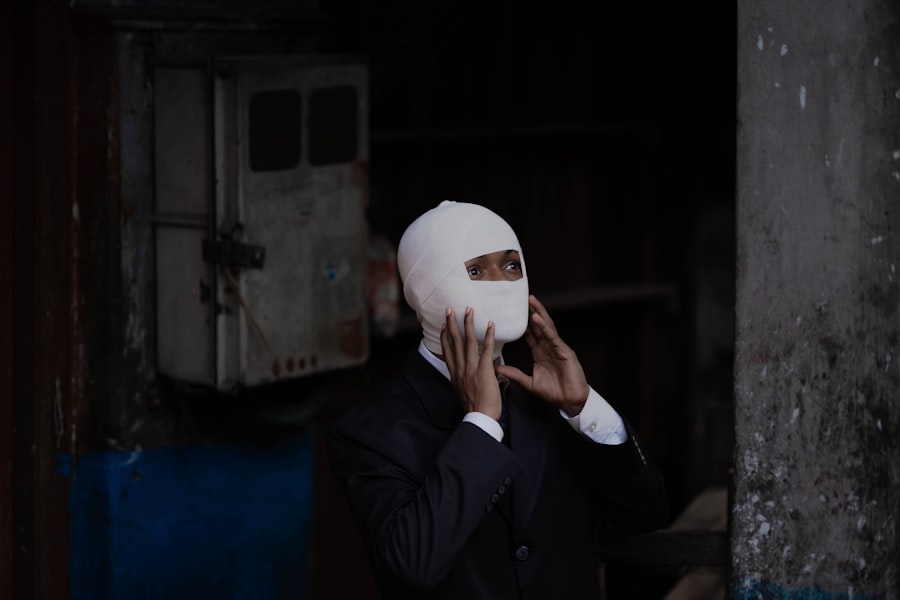
Your social identity is intricately linked to the choices you make, including whether or not to wear a mask. In many communities, masks have become symbols of political affiliation or social responsibility. You may find that your decision to wear or not wear a mask reflects your values and beliefs, influencing how others perceive you.
This connection between mask-wearing and social identity can create a sense of belonging or exclusion, depending on the prevailing attitudes within your social circles. Furthermore, the act of wearing a mask can serve as a form of self-expression. You might choose masks that reflect your personality or interests, using them as a canvas for creativity.
This personalization allows you to assert your identity even while partially obscured. However, it also raises questions about conformity and individuality in a time when collective action is emphasized for public health. The relationship between mask-wearing and social identity highlights the complexities of navigating personal beliefs within a broader societal context.
The Influence of Mask Wearing on Emotional Expression
Emotional expression is a fundamental aspect of human interaction, and masks significantly alter this dynamic. When you wear a mask, much of your facial expression is hidden from view, which can hinder your ability to convey emotions effectively. You may find that subtle cues like smiles or frowns are lost behind fabric, making it challenging to connect with others on an emotional level.
This limitation can lead to misunderstandings or feelings of frustration in social situations where non-verbal communication is key. Moreover, the inability to see facial expressions can impact your emotional well-being. You might feel less inclined to engage in conversations or social gatherings when you cannot fully express yourself.
This barrier can create a sense of detachment from others, as you navigate interactions with only your eyes and body language as tools for communication. The influence of mask-wearing on emotional expression underscores the importance of finding alternative ways to connect with others during these unprecedented times.
The Impact of Mask Wearing on Communication and Interpersonal Relationships
| Metric | Description | Findings | Source |
|---|---|---|---|
| Mask Wearing Compliance | Percentage of individuals consistently wearing masks in public | Varies between 60% to 90% depending on region and mandates | CDC, WHO Reports |
| Impact on Anxiety Levels | Change in anxiety symptoms related to mask wearing | Some individuals report increased anxiety due to discomfort and social signaling; others report reduced anxiety due to perceived protection | Journal of Anxiety Disorders, 2021 |
| Social Perception | Effect of mask wearing on social interactions and perceived trustworthiness | Masks can reduce ability to read facial expressions, leading to feelings of social disconnection | Social Psychology Quarterly, 2020 |
| Depression Symptoms | Correlation between mask mandates and reported depressive symptoms | Mixed results; some studies show slight increase in depressive symptoms linked to social isolation, others find no direct correlation | American Journal of Psychiatry, 2022 |
| Mask Wearing and Sense of Safety | Effect of mask use on perceived safety and mental well-being | Majority report increased sense of safety, which can improve mental health during pandemics | Health Psychology, 2021 |
Communication is at the heart of interpersonal relationships, and mask-wearing introduces unique challenges in this realm. As you engage in conversations while masked, you may notice that verbal communication becomes more critical than ever. The muffling effect of masks can make it difficult for you to hear others clearly or for them to hear you, leading to potential miscommunications.
You might find yourself repeating phrases or speaking louder than usual, which can create frustration for both parties involved. Additionally, the lack of visual cues can complicate conversations further. You may struggle to gauge reactions or emotions based on facial expressions, leading to misunderstandings or awkward silences.
This shift in communication dynamics can strain relationships, as you navigate the complexities of connecting with others while masked. The impact of mask-wearing on communication highlights the need for patience and adaptability in maintaining interpersonal relationships during challenging times.
The Relationship Between Mask Wearing and Mental Health Stigma

The stigma surrounding mental health has long been a barrier for many individuals seeking support and understanding. In the context of mask-wearing, this stigma can manifest in various ways. You may feel judged for your mental health struggles when wearing a mask, as it can be perceived as an indication of vulnerability or fear.
This perception can lead to feelings of shame or isolation, making it even more challenging to seek help or connect with others who may share similar experiences. Moreover, the association between mask-wearing and mental health can create additional layers of complexity in social interactions. You might encounter individuals who view masks as unnecessary or indicative of weakness, leading to potential conflict or misunderstanding.
This dynamic can perpetuate stigma around mental health issues, as those who struggle may feel compelled to hide their challenges rather than seek support. The relationship between mask-wearing and mental health stigma underscores the importance of fostering understanding and compassion in conversations about mental well-being.
The Psychological Benefits of Mask Wearing
While there are undeniable challenges associated with mask-wearing, there are also psychological benefits that you may experience. For many individuals, wearing a mask provides a sense of control in an uncertain world. By taking proactive measures to protect yourself and others, you may feel empowered and responsible.
This sense of agency can contribute positively to your mental well-being, fostering resilience in the face of adversity. Additionally, masks can serve as a form of anonymity that allows for greater self-exploration and expression. You might find that wearing a mask gives you the freedom to experiment with different aspects of your identity without fear of judgment.
This newfound sense of liberation can enhance your self-esteem and encourage you to embrace your individuality in ways that may have felt daunting before. The psychological benefits of mask-wearing highlight the potential for growth and empowerment amidst challenging circumstances.
The Impact of Mask Wearing on Self-Esteem and Body Image
Your self-esteem and body image are deeply intertwined with how you perceive yourself and how others perceive you. Mask-wearing introduces new dynamics into this relationship, as it alters how you present yourself to the world. For some individuals, wearing a mask can provide a sense of security by concealing perceived flaws or insecurities related to facial features.
You may feel more confident knowing that certain aspects are hidden from view. Conversely, masks can also exacerbate feelings of self-consciousness for others who may feel that their identity is diminished when partially obscured. You might grapple with conflicting emotions about how masks affect your appearance and how they influence how others perceive you.
This duality highlights the complex relationship between mask-wearing and self-esteem, emphasizing the need for self-acceptance and compassion during these times.
The Role of Cognitive Dissonance in Mask Wearing
Cognitive dissonance plays a significant role in shaping your attitudes toward mask-wearing. As you navigate conflicting beliefs about safety, personal freedom, and societal responsibility, you may experience discomfort stemming from these contradictions. For instance, you might believe in the importance of public health measures while simultaneously feeling frustrated by restrictions on personal freedoms.
This internal conflict can lead to feelings of unease as you reconcile these opposing viewpoints. To alleviate cognitive dissonance, you may find yourself justifying your choices regarding mask-wearing based on personal beliefs or external influences. You might seek out information that aligns with your views while dismissing contradictory evidence as untrustworthy.
This process highlights how cognitive dissonance can shape your behavior and attitudes toward mask-wearing, influencing how you navigate social situations and public health guidelines.
The Influence of Cultural and Societal Norms on Mask Wearing Behavior
Cultural and societal norms play a pivotal role in shaping your behavior regarding mask-wearing. Depending on where you live, the expectations surrounding masks may vary significantly. In some communities, wearing a mask is seen as an essential act of solidarity and responsibility; in others, it may be viewed as an infringement on personal freedoms.
You may find that these cultural norms influence not only your decision to wear a mask but also how you perceive others who do or do not wear one. Moreover, societal messaging around masks can further reinforce these norms. Public figures and media portrayals often shape public perception and behavior regarding mask-wearing practices.
You might feel compelled to conform to these societal expectations out of fear of judgment or ostracism from your community. Understanding the influence of cultural and societal norms on mask-wearing behavior highlights the importance of fostering open dialogue about public health measures while respecting individual choices.
Strategies for Coping with the Psychological Effects of Mask Wearing
As you navigate the psychological effects associated with mask-wearing, implementing coping strategies can be beneficial for your mental well-being. One effective approach is mindfulness practice; taking moments throughout your day to focus on your breath or engage in grounding exercises can help alleviate anxiety related to wearing a mask. By cultivating awareness in the present moment, you may find it easier to manage any discomfort or unease that arises.
Connecting with friends or family members who share similar experiences can provide validation and understanding as you navigate the complexities of mask-wearing together. Engaging in open conversations about feelings surrounding masks can foster connection and reduce feelings of isolation.
In conclusion, while wearing masks presents various psychological challenges—from fear and anxiety to impacts on communication—there are also opportunities for growth and empowerment within this experience. By understanding these dynamics and implementing coping strategies, you can navigate this new reality with resilience and compassion for yourself and others.
The psychological impact of mask-wearing during the pandemic has been a topic of significant interest, particularly in relation to mental health. For a deeper understanding of this phenomenon, you can explore the article on Unplugged Psychology, which discusses the various psychological effects of mask-wearing and its implications for mental well-being. To read more, visit Unplugged Psychology.
FAQs
Why do some people feel anxious or uncomfortable wearing masks?
Many individuals experience anxiety or discomfort while wearing masks due to feelings of restricted breathing, sensory sensitivity, or a sense of social isolation. Masks can also trigger claustrophobia or remind people of stressful situations, contributing to mental discomfort.
How does mask-wearing impact social interactions and mental health?
Masks can obscure facial expressions, making it harder to read emotions and communicate effectively. This can lead to feelings of social disconnection or loneliness, which may affect mental well-being, especially in individuals who rely heavily on nonverbal cues.
Can wearing masks help reduce stress related to health concerns?
Yes, for many people, wearing masks provides a sense of control and safety by reducing the risk of illness transmission. This protective behavior can alleviate anxiety related to health fears during pandemics or outbreaks.
Are there psychological benefits to mask-wearing during a pandemic?
Mask-wearing can promote a sense of community and collective responsibility, which may enhance feelings of social support and solidarity. This can positively influence mental health by fostering connectedness and shared purpose.
What strategies can help individuals cope with the psychological challenges of mask-wearing?
Practicing mindfulness, gradually increasing mask-wearing duration, choosing comfortable masks, and maintaining social connections through other means can help mitigate psychological discomfort. Seeking support from mental health professionals is also beneficial if distress persists.
Does mask-wearing affect children’s mental health differently than adults?
Children may experience unique challenges, such as difficulty interpreting emotions or feeling isolated. However, with proper explanation and support, children can adapt to mask-wearing without significant negative mental health effects.
Is there a link between mask-wearing and feelings of stigma or discrimination?
In some contexts, mask-wearing can be associated with stigma or social judgment, which may impact mental health. Public education and normalization of mask use help reduce stigma and promote acceptance.
How can workplaces support employees’ mental health regarding mask policies?
Employers can provide clear communication about mask policies, offer breaks in safe environments, and create supportive spaces for employees to express concerns. Encouraging empathy and flexibility helps maintain mental well-being.