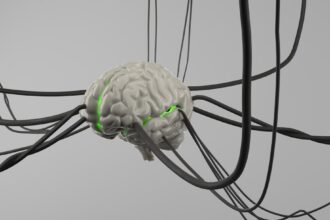
You might think of cults as distant phenomena, tales whispered from far-off lands or sensationalized headlines from decades past. Yet, the fertile ground for group dynamics, the very soil of human connection and vulnerability, exists everywhere, including in your own city, Jacksonville. Understanding the psychology of cults, these insidiously crafted communities, is not about pointing fingers or casting judgment. It’s about illuminating the intricate machinery of influence that can ensnare individuals, often those you know, perhaps even yourself, and understanding the subtle currents that can pull you away from the familiar shores of your own mind.
You are, by your very nature, a social creature. The drive to belong, to be part of something larger than yourself, is as fundamental as the need for food and water. Cults masterfully tap into this primal urge, offering a potent elixir of acceptance, purpose, and unwavering community. In a world that can often feel fragmented and isolating, where connections can be superficial and fleeting, the promise of a cohesive, dedicated group can be incredibly seductive. Imagine a parched traveler in a vast desert, stumbling upon an oasis; the promise of water is irresistible, and the source of that water becomes paramount, sometimes overshadowing all other considerations.
The Erosion of the Individual Self
Within the embrace of a cult, the individual ego, with its inherent doubts and complexities, begins to shrink. The group’s narrative, its belief system, becomes the sole lens through which reality is perceived. Your personal experiences, your unique perspectives, are gradually re-framed to align with the collective truth. This isn’t a violent amputation of self, but rather a slow, almost imperceptible pruning. Like a gardener meticulously shaping a bonsai tree, the cult leader, or the established ideology, trims away any branches that deviate from the desired form. This process can be so gradual that the individual may not even recognize their own self is being meticulously reshaped.
The Promise of a Perfect World
Cults often present a utopian vision, a sanctuary from the perceived chaos and corruption of the outside world. This vision can be spiritual, political, or even seemingly altruistic. They offer simple answers to complex problems, a clear demarcation of good and evil, and a defined path to salvation or enlightenment. For individuals struggling with existential anxieties, or those who feel disillusioned with societal structures, this promise of a perfect world can be a beacon of hope, a shining lighthouse in a storm-tossed sea. The anxieties of modern life, the constant barrage of information and conflicting ideologies, can leave you feeling adrift. A cult offers a fixed star to navigate by, a seemingly unshakeable point of reference.
The Power of Charisma
At the heart of many cults lies a charismatic leader. This individual is often perceived as possessing extraordinary insight, wisdom, or divine connection. Their words carry immense weight, their pronouncements are treated as unquestionable truth. This charisma is not merely eloquence; it’s a potent blend of confidence, perceived authority, and an uncanny ability to read and manipulate the emotional needs of their followers. Think of a skilled hypnotist, not forcing your will, but gently guiding your attention, subtly suggesting certain thoughts and feelings until they feel like your own. The leader becomes the ultimate interpreter of reality, the gatekeeper of truth.
The psychology of cults is a fascinating and complex topic that has garnered significant attention in recent years, particularly in urban areas like Jacksonville. For those interested in exploring this subject further, a related article can be found at Unplugged Psychology, which delves into the psychological mechanisms that can lead individuals to join and remain in cults, as well as the impact these groups can have on their members.
Recruitment Strategies: The Gentle Hand and the Iron Fist
Cults understand that not everyone is susceptible to the same appeals. Their recruitment strategies are therefore multifaceted, employing a range of tactics designed to identify and engage individuals at their most vulnerable points. This is not about brute force, but about a sophisticated understanding of human psychology, like a fisherman using different bait for different fish.
Love Bombing: The Overwhelming Embrace
One of the earliest and most effective recruitment tools is “love bombing.” This involves showering prospective members with an overwhelming amount of affection, attention, praise, and friendship. You are made to feel incredibly special, the center of attention, the answer to all their prayers. This deluge of positive reinforcement can be intoxicating, filling a void in your life you may not have even fully recognized. It creates a powerful sense of obligation and reciprocity. You feel indebted to these people who seem to care so deeply for you, making it harder to question their motives or their message.
Exploiting Vulnerabilities: The Open Door
Cults actively seek out individuals who are experiencing significant life transitions or emotional distress. This could include recent breakups, job loss, grief, or a general feeling of aimlessness. In these moments of heightened vulnerability, your defenses are lowered, and you are more open to external solutions. The cult presents itself as a solution, a balm for your wounds, a guiding hand to pull you out of your despair. They are like skilled surgeons, identifying a delicate point of pain and applying a seemingly restorative treatment, but one that ultimately leads to a different kind of dependency.
Information Control: The Filtered Lens
Once you are deeper within the cult’s orbit, control over information becomes paramount. Access to outside news, dissenting opinions, and critical perspectives is severely restricted. The group controls the narrative, filtering reality through its own ideological prism. This can involve discouraging contact with family and friends who are not members, actively discrediting external sources of information, and even fabricating stories to justify the group’s beliefs and practices. Imagine living in a house with all the windows boarded up, only seeing the world through a single, curated peephole.
Gradual Escalation: The Slippery Slope
Cults rarely reveal their full agenda or demands upfront. Instead, they employ a strategy of gradual escalation. You are asked to commit small things initially: attend a meeting, read a certain book, donate a small amount of money. As you become more invested, the requests become larger and more demanding – more time, more money, more separation from your previous life. Each step, taken in isolation, seems reasonable, but collectively, they form a steep ascent into deeper commitment and control. This is akin to incrementally turning up the heat on a pot of water; the change is imperceptible until the water is boiling.
Psychological Manipulation: The Art of Undermining Autonomy

The core of cultic influence lies in sophisticated psychological manipulation, a deliberate and systematic process of undermining your ability to think critically and make autonomous decisions. This is not about overt coercion, but about subtle, pervasive techniques that erode your sense of self and your capacity for independent judgment.
Thought Reform: Reshaping Beliefs
Thought reform, often referred to as brainwashing, is a key component of cultic influence. It involves a combination of intense indoctrination, psychological pressure, and the creation of a controlled environment designed to reshape your fundamental beliefs and values. This can include repetitive chanting, sleep deprivation, rigorous study of the group’s doctrine, and public confessions of past “wrongdoings.” The goal is to create a profound psychological shift, where the cult’s ideology becomes your own. You are essentially being re-coded, your internal operating system being rewritten.
Emotional Blackmail: The Weight of Guilt and Fear
Cults often weaponize guilt and fear to ensure compliance. You may be led to believe that disobedience or questioning will bring about negative consequences, either for yourself, your loved ones, or even the world. Guilt can be instilled by highlighting perceived moral failings or by making you feel responsible for the group’s success or failure. This creates a constant mental burden, a shadow that follows your every thought. The pressure to conform becomes immense, the fear of disappointing or harming others a powerful deterrent to independent thought.
Isolation and Dependence: Severing Ties
A crucial element of cultic control is the systematic isolation of members from their existing support networks. Family, friends, and previous associates are often portrayed as negative influences or as agents of the outside world seeking to undermine the group. By severing these ties, the cult creates a vacuum, making you entirely dependent on the group for social connection, emotional support, and even physical needs. You become an island, with the cult as your sole lifeline, making the thought of leaving akin to stepping off a cliff into the unknown.
Creating an Us vs. Them Mentality: The Fortress Mentality
Cults thrive on creating a stark division between “us” (the enlightened members of the group) and “them” (the unenlightened, corrupt outsiders). This “us vs. them” mentality fosters a sense of superiority and righteousness within the group, while simultaneously demonizing anyone who is not a part of it. This creates a powerful in-group cohesion, a shared identity that is reinforced by the perceived threat from the outside world. This collective identity becomes a comforting shield, a bulwark against the complexities and perceived dangers of external society.
The Long Road Back: Deconstructing the Cultic Influence

Escaping a cult is rarely a simple matter of walking away. The psychological grip of these groups can be tenacious, and the process of deconstruction and recovery is often long and arduous. It requires courage, resilience, and often, professional support. Imagine a ship that has been lost at sea for years, battered by storms and adrift from familiar currents. The journey back to safe harbor will involve careful navigation, repair of damage, and a long period of readjustment.
The Stages of Leaving: Navigating the Aftermath
Leaving a cult is not a single event but a process that unfolds in stages. Initially, there may be denial and lingering attachment to the group’s teachings. This is often followed by anger and resentment as the realization of manipulation sets in. Rebuilding a sense of self, re-establishing trust in one’s own judgment, and reintegrating into mainstream society are critical aspects of the recovery journey. This often involves questioning deeply ingrained beliefs and confronting the emotional fallout of years of indoctrination. You are essentially re-learning how to be yourself.
Rebuilding Identity: Rediscovering the Self
For many former cult members, the most significant challenge is the reconstruction of their identity. Years of having their thoughts and beliefs dictated by others can leave them feeling lost and unsure of who they truly are. The process involves reclaiming personal agency, rediscovering lost interests and talents, and forming new, healthy relationships. This is a journey of self-discovery, of piecing together the fragmented parts of yourself into a cohesive whole. You are like an archaeologist, carefully unearthing buried artifacts of your former self.
Reconnecting with the World: Bridging the Divide
Reintegrating into society can be a daunting prospect. Former members may struggle with social anxiety, difficulty trusting others, and a sense of being out of sync with the modern world. Re-establishing connections with estranged family and friends, finding employment, and navigating everyday life can be significant hurdles. Support groups and therapy can provide invaluable assistance in bridging the gap between the insular world of the cult and the broader complexities of mainstream life. You are learning to navigate a landscape that you have not fully experienced for a long time, and it requires both patience and guidance.
The Importance of Support Systems: A Lifeline to Stability
Strong support systems are absolutely essential for individuals recovering from cultic influence. This can include family, friends, mental health professionals, and peer support groups. Having a safe space to share experiences, receive validation, and access resources can make a profound difference in the healing process. This network acts as the vital scaffolding that supports the rebuilding of a healthy life. Without these lifelines, the weight of the past can be overwhelming, making the journey back to stability almost impossible.
The psychology of cults is a fascinating and complex topic that has garnered significant attention in recent years, particularly in places like Jacksonville. Understanding the psychological mechanisms that draw individuals into cults can provide valuable insights into human behavior and social influence. For those interested in exploring this subject further, a related article can be found at Unplugged Psychology, which delves into the dynamics of cults and their impact on mental health.
Recognizing the Shadows: Vigilance in Jacksonville
| Metric | Data/Value | Notes |
|---|---|---|
| Number of Cults Reported in Jacksonville | 5 | Based on local law enforcement and community reports |
| Average Duration of Cult Membership | 3-5 years | Estimated from interviews and case studies |
| Common Psychological Traits of Members | High suggestibility, need for belonging, low self-esteem | Identified through psychological assessments |
| Recruitment Methods Used | Social events, online forums, personal referrals | Observed in Jacksonville cult groups |
| Percentage of Members Experiencing Psychological Distress | 70% | Includes anxiety, depression, PTSD symptoms |
| Intervention Success Rate | 60% | Based on local counseling and deprogramming efforts |
While Jacksonville may not be explicitly known as a “cult hotspot” in the same way as other cities with documented cases, the underlying psychological dynamics that allow cults to flourish are present everywhere. Your awareness, your critical thinking, and your understanding of these powerful psychological forces are your greatest defenses. The seeds of manipulation can sprout in any environment, and vigilance is your continuous cultivation of a healthy, resilient mind.
The Subtle Signs: A Look Beneath the Surface
It’s crucial to be aware of the subtle signs of manipulative group dynamics. These can include excessive secrecy, pressure to conform, isolation from external contacts, demonization of outsiders, and an unwavering devotion to a charismatic leader or ideology. These are not always overt red flags, but rather a series of small deviations from healthy group behavior that, when observed in conjunction, can signal a problematic environment. Think of a faint tremor before an earthquake; it’s not the main event, but it’s a warning that something more significant might be developing.
Protecting Yourself and Others: Empowerment Through Knowledge
Knowledge is your most potent weapon against the insidious influence of cults. By understanding the psychological tactics employed, you are better equipped to recognize them in yourself and in those around you. Educating yourself and others about these dynamics is an act of empowerment, fostering resilience and critical thinking within the community. You are not just protecting yourself, but helping to build a more informed and less vulnerable Jacksonville. Your understanding becomes a shield for yourself and a guiding light for those who might be tempted by the alluring darkness.
The Role of Community: Strengthening Our Collective Shield
A strong, interconnected community is a powerful deterrent against cultic influence. When individuals feel supported, valued, and connected within healthy social networks, they are less likely to seek solace or purpose in potentially harmful group dynamics. Fostering genuine connections, encouraging open dialogue, and promoting critical thinking within Jacksonville are vital steps in creating a community that is less susceptible to manipulation. Your community is your collective immune system, capable of resisting the infiltration of harmful ideologies.
Seeking Help: A Sign of Strength, Not Weakness
If you or someone you know is exhibiting signs of being involved in a potentially cultic group, seeking professional help is a sign of strength, not weakness. Therapists specializing in cult recovery, counselors, and support organizations can provide the expert guidance and support needed to navigate these complex situations. Reaching out is an act of courage, a step towards reclaiming control and finding a path to healing. It’s like admitting you need a surgeon; it’s not about failure, but about recognizing the need for specialized expertise to mend what is broken.

WATCH NOW ▶️ The Secret Psychology Cults Use on Anyone
FAQs
What is the psychology behind cults?
The psychology behind cults involves understanding how individuals are influenced to join and remain in groups that often exhibit extreme beliefs or behaviors. Key factors include social influence, manipulation, the need for belonging, and cognitive biases that make people susceptible to persuasive leaders and group dynamics.
Why do people join cults in places like Jacksonville?
People may join cults in Jacksonville or any other location due to a variety of reasons such as seeking community, purpose, or answers during times of personal crisis. Cults often exploit vulnerabilities by offering a sense of identity, support, and clear answers to complex life questions.
What are common psychological tactics used by cults?
Common psychological tactics used by cults include love bombing (excessive attention and affection), isolation from outside influences, control of information, fear and intimidation, and creating an “us versus them” mentality. These tactics help maintain control over members and discourage dissent.
How can someone recognize if a group is a cult?
Signs that a group may be a cult include authoritarian leadership, suppression of dissent, exploitation of members, demanding absolute loyalty, and encouraging isolation from family and friends. Additionally, cults often use manipulative techniques to control members’ thoughts and behaviors.
What resources are available in Jacksonville for those affected by cults?
In Jacksonville, resources for those affected by cults may include mental health professionals specializing in trauma and deprogramming, support groups, and organizations dedicated to cult awareness and recovery. Local counseling centers and national organizations can provide assistance and information.