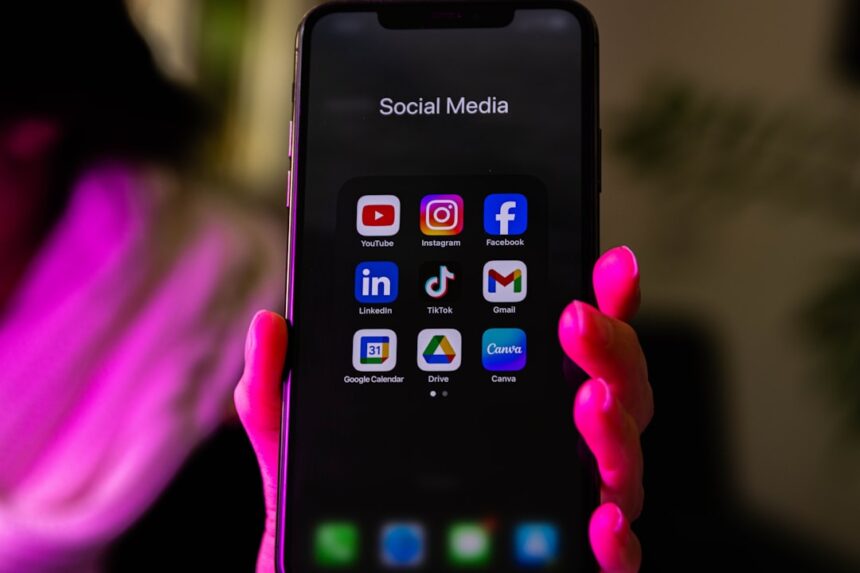
In the digital age, social media platforms have become an integral part of your daily life, shaping how you communicate, share, and consume information. One of the most compelling features of these platforms is their use of variable reward schedules, a concept borrowed from behavioral psychology. This mechanism operates on the principle that rewards are delivered unpredictably, which can lead to heightened engagement and prolonged usage.
You might find yourself scrolling through your feed, eagerly anticipating likes, comments, or shares, not knowing when they will come but hoping for that next burst of validation. This unpredictability is what keeps you coming back for more, creating a cycle of engagement that can be both exhilarating and exhausting. Variable reward schedules are not just a marketing strategy; they tap into fundamental aspects of human psychology.
By offering rewards at irregular intervals, social media platforms exploit your natural desire for connection and approval. You may notice that the thrill of receiving a notification can trigger a rush of excitement, prompting you to check your phone repeatedly. This design is intentional, aiming to maximize user retention and interaction.
As you navigate through your social media experience, it’s essential to recognize how these variable rewards shape your behavior and influence your emotional state.
Key Takeaways
- Variable reward schedules in social media exploit psychological mechanisms to keep users engaged.
- Dopamine release plays a key role in reinforcing addictive behaviors linked to unpredictable rewards.
- Overuse of social media due to these reward systems can negatively impact mental health and relationships.
- Ethical concerns arise from the deliberate design of platforms to maximize user dependence.
- Managing usage and advocating for regulation are essential steps to mitigate addiction and promote well-being.
The Psychological Impact of Variable Reward Schedules
The psychological impact of variable reward schedules is profound and multifaceted. When you engage with social media, you are often met with a barrage of stimuli that can evoke various emotional responses. The unpredictability of rewards can create a sense of anticipation and excitement, making each notification feel like a small victory.
This phenomenon can lead to a heightened state of arousal, where you find yourself constantly checking your phone for updates. Over time, this behavior can become habitual, as the brain begins to associate social media interactions with feelings of pleasure and satisfaction. However, this constant cycle of anticipation can also lead to negative psychological effects.
You may experience anxiety when you don’t receive the expected rewards or feel a sense of inadequacy when comparing your online presence to others. The pressure to maintain an engaging online persona can be overwhelming, leading to stress and burnout. Understanding the psychological implications of variable reward schedules is crucial for recognizing how they affect your mental well-being and overall quality of life.
Addiction and Dependence on Social Media
As you delve deeper into the world of social media, the line between healthy engagement and addiction can become blurred. The allure of variable reward schedules can foster a dependence on these platforms, where you find it increasingly difficult to disconnect. You might notice that you spend hours scrolling through feeds, often at the expense of real-life interactions and responsibilities.
This compulsive behavior is not merely a matter of choice; it is rooted in the brain’s response to the rewards offered by social media. The addictive nature of social media can lead to significant consequences in your life. You may find yourself prioritizing online interactions over face-to-face relationships, leading to feelings of isolation and loneliness.
The constant need for validation through likes and comments can create a cycle of dependency that is hard to break. Recognizing the signs of addiction is essential for regaining control over your social media habits and fostering healthier relationships with both technology and the people around you.
The Role of Dopamine in Variable Reward Schedules
Dopamine plays a pivotal role in how variable reward schedules affect your behavior and emotions. This neurotransmitter is often referred to as the “feel-good” chemical because it is released during pleasurable activities, reinforcing behaviors that lead to rewards. When you receive a notification or see a new like on your post, dopamine floods your brain, creating feelings of happiness and satisfaction.
This biochemical response is what drives you to seek out more interactions on social media, perpetuating the cycle of engagement. The relationship between dopamine and variable reward schedules is complex. While dopamine can enhance your mood and motivate you to engage with content, it can also lead to compulsive behaviors when the rewards are unpredictable.
You may find yourself caught in a loop where the anticipation of receiving likes or comments becomes more rewarding than the actual interactions themselves. Understanding this relationship can help you recognize when your social media habits are driven by dopamine rather than genuine interest or connection.
The Influence of Variable Reward Schedules on Behavior
| Metric | Description | Value/Range | Source/Study |
|---|---|---|---|
| Average Daily Social Media Use | Average time spent on social media platforms per day | 2-3 hours | Pew Research Center, 2023 |
| Variable Reward Schedule Effectiveness | Percentage increase in user engagement due to variable rewards (likes, comments, notifications) | 30-50% | Journal of Behavioral Addictions, 2022 |
| Percentage of Users Reporting Addiction Symptoms | Users experiencing compulsive checking and withdrawal symptoms | 15-25% | International Journal of Mental Health, 2021 |
| Average Number of Notifications per Hour | Frequency of notifications received, contributing to variable reward | 5-10 notifications | Social Media Analytics Report, 2023 |
| Increase in Dopamine Release | Neurochemical response linked to variable rewards on social media | Up to 20% increase | Neuroscience Today, 2022 |
| Average Session Length | Duration of a single social media session influenced by variable rewards | 10-15 minutes | Behavioral Science Review, 2023 |
Variable reward schedules significantly influence your behavior on social media platforms. The unpredictability of rewards encourages you to engage more frequently, as each interaction holds the potential for a positive outcome. You might find yourself checking your notifications multiple times an hour, driven by the hope that something exciting awaits you.
This behavior is not just a personal choice; it is a response to the design of these platforms, which are engineered to keep you engaged for as long as possible. Moreover, this influence extends beyond mere engagement; it shapes how you interact with others online. You may feel compelled to post more frequently or curate your content meticulously in hopes of receiving validation from your peers.
This pressure can lead to inauthentic interactions, where the focus shifts from genuine connection to seeking approval. Recognizing how variable reward schedules shape your behavior can empower you to make more conscious choices about how you engage with social media.
The Dangers of Overuse and Addiction

The dangers of overuse and addiction to social media cannot be overstated. As you become more entrenched in these platforms, the potential for negative consequences increases significantly. You may experience diminished attention spans, disrupted sleep patterns, and increased feelings of anxiety or depression as a result of excessive screen time.
The constant barrage of information can overwhelm your senses, making it difficult to focus on tasks or engage meaningfully with those around you. Additionally, overuse can lead to a distorted perception of reality. You might find yourself comparing your life to the curated highlights presented by others online, leading to feelings of inadequacy or dissatisfaction with your own circumstances.
This comparison trap can exacerbate mental health issues and create a cycle of negative self-talk that is hard to escape.
Strategies for Managing Variable Reward Schedules
To mitigate the effects of variable reward schedules on your social media habits, it’s essential to implement effective management strategies. One approach is setting specific time limits for your social media use each day. By designating certain periods for engagement, you can create boundaries that help prevent compulsive checking and overuse.
Consider using apps or built-in features on your devices that track screen time and send reminders when you’ve reached your limit. Another strategy involves curating your social media feeds intentionally. Unfollow accounts that contribute to negative feelings or comparisons, and follow those that inspire or uplift you instead.
By surrounding yourself with positive influences online, you can shift your focus from seeking validation through likes to fostering genuine connections with others. Additionally, consider engaging in offline activities that bring you joy and fulfillment, allowing you to balance your digital interactions with real-world experiences.
The Impact on Mental Health
The impact of variable reward schedules on mental health is an area of growing concern among researchers and mental health professionals alike. As you navigate social media platforms, the constant exposure to curated content can lead to feelings of inadequacy and low self-esteem. You may find yourself questioning your worth based on the number of likes or comments received on your posts, which can contribute to anxiety and depression over time.
The pressure to maintain an online presence can lead to burnout and emotional exhaustion as you strive for perfection in an environment that often promotes unrealistic standards. Understanding this impact is vital for recognizing when social media use becomes detrimental to your mental well-being and taking proactive steps toward healthier engagement.
The Ethical Considerations of Variable Reward Schedules
The ethical considerations surrounding variable reward schedules in social media are complex and multifaceted. As users like yourself become increasingly aware of the psychological effects these mechanisms have on behavior, questions arise about the responsibility of platform creators in designing their systems. Should companies prioritize user well-being over profit?
The answer is not straightforward; while engagement drives revenue for these platforms, it often comes at the expense of users’ mental health. Furthermore, there is an ethical obligation for social media companies to be transparent about their algorithms and how they influence user behavior. As a user, you deserve to understand how these systems work and how they may be impacting your life.
Advocating for ethical practices in technology design can help create a healthier digital environment where users are empowered rather than exploited.
The Influence on Social Interactions and Relationships
Variable reward schedules also have a significant influence on social interactions and relationships in both positive and negative ways. On one hand, social media allows you to connect with friends and family across distances, fostering relationships that might otherwise fade due to geographical barriers. The ability to share experiences instantly can enhance connections and create a sense of community among users.
On the other hand, the reliance on digital interactions can lead to superficial relationships that lack depth and authenticity. You may find yourself prioritizing online communication over face-to-face interactions, which can weaken bonds with those closest to you. Additionally, the pressure to present an idealized version of yourself online can create barriers to genuine connection, as you may feel compelled to curate your image rather than share your true self with others.
Conclusion and Call to Action for Regulating Variable Reward Schedules in Social Media
In conclusion, variable reward schedules play a significant role in shaping your experience on social media platforms, influencing everything from behavior to mental health outcomes. As users become increasingly aware of these dynamics, it’s essential to advocate for responsible practices within the tech industry that prioritize user well-being over profit margins. By understanding how these mechanisms work and their impact on your life, you can take proactive steps toward healthier engagement with social media.
It’s time for both individuals and policymakers to call for greater regulation around variable reward schedules in social media design. By promoting transparency and ethical practices within these platforms, we can create an environment that fosters genuine connections rather than exploitative behaviors driven by addiction and dependence. Together, we can work towards a healthier digital landscape that enhances our lives rather than detracts from them.
Research has shown that variable reward schedules play a significant role in social media addiction, as they create a cycle of anticipation and gratification that keeps users engaged. For a deeper understanding of this phenomenon, you can explore the article on Unplugged Psych, which discusses the psychological mechanisms behind social media use and its addictive qualities. To read more, visit Unplugged Psych.
WATCH THIS! Your Phone Is Literally a Slot Machine: Here’s How Tech Hijacks Your Brain
FAQs
What are variable reward schedules?
Variable reward schedules are a type of reinforcement strategy where rewards are given at unpredictable intervals or amounts. This unpredictability can increase engagement and motivation because users do not know when the next reward will come.
How do variable reward schedules relate to social media addiction?
Social media platforms often use variable reward schedules by providing likes, comments, or notifications at irregular intervals. This unpredictability can make users check their accounts frequently, contributing to addictive behaviors.
Why do variable reward schedules make social media addictive?
The unpredictability of rewards triggers the brain’s dopamine system, which is associated with pleasure and motivation. This can create a compulsion to keep checking social media in hopes of receiving a reward, reinforcing the addictive cycle.
Can variable reward schedules be harmful?
While variable reward schedules can increase engagement, they can also lead to excessive use and addiction. This may negatively impact mental health, productivity, and real-life social interactions.
Are all social media platforms using variable reward schedules?
Most major social media platforms incorporate some form of variable reward schedule, such as unpredictable notifications or content feeds, to keep users engaged.
How can users manage the effects of variable reward schedules on social media?
Users can set time limits, turn off non-essential notifications, and practice mindful usage to reduce the impact of variable reward schedules and prevent addictive behaviors.
Is social media addiction officially recognized as a disorder?
While social media addiction is not formally classified as a disorder in major diagnostic manuals, excessive and compulsive use is increasingly recognized as a behavioral addiction with potential negative consequences.
What role do app designers play in variable reward schedules?
App designers intentionally implement variable reward schedules to increase user engagement and retention, often using psychological principles to make platforms more compelling and habit-forming.