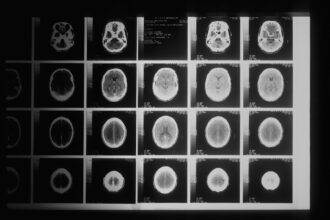
You’ve likely experienced it. That surge of something, that urgency, that subtle hum of anxiety intertwined with a drive to achieve, to escape, to simply do something. You might dismiss it as stress, or perhaps as motivation. But behind that complex feeling lies a fascinating interplay between two key neurochemical players: dopamine and cortisol. Understanding this “dopamine-cortisol loop” offers profound insights into why you behave the way you do, how you respond to challenges, and the delicate balance that governs your well-being.
Before delving into their synergistic dance, it’s crucial to establish the individual roles of these two potent neurochemicals. They are not merely isolated entities but integral components of your brain’s intricate communication network.
Dopamine: The Reward and Motivation Messenger
You can think of dopamine primarily as a neurotransmitter associated with pleasure, but that’s an oversimplification. While it’s certainly involved in experiencing reward, its function extends far beyond simple hedonism. Dopamine is more accurately characterized as a signal that drives motivation, learning, and goal-directed behavior.
Seeking and Anticipation
Your brain releases dopamine not just when you receive a reward, but perhaps more significantly, when you anticipate a reward. This anticipation is a powerful motivator, pushing you to engage in behaviors that have historically led to positive outcomes. Consider the feeling you get when you’re waiting for a significant email or anticipating a delicious meal. That anticipation is largely mediated by dopamine. It primes your system, making you more alert and focused on the potential gain.
Reinforcement and Goal Pursuit
When an action leads to a reward, dopamine reinforces the neural pathways associated with that action. This acts as a learning mechanism, making you more likely to repeat the behavior in the future. It’s like a positive affirmation from your brain, saying, “This worked, remember this.” This reinforces your drive towards goals, whether they are immediate (like grabbing a snack) or long-term (like completing a project).
Movement and Motor Control
Dopamine also plays a vital role in smooth, coordinated motor control. Deficiencies in dopamine are famously linked to conditions like Parkinson’s disease, where motor deficits are prominent. This highlights its broader influence on the functioning of your nervous system beyond just reward processing.
Cortisol: The Body’s Primary Stress Hormone
Cortisol, on the other hand, is the body’s main stress hormone. Produced by your adrenal glands, it’s a crucial part of your physiological response to perceived threats or challenges. While often viewed negatively, cortisol is essential for survival and adaptation.
The Fight-or-Flight Orchestrator
When you encounter a stressful situation – be it a looming deadline, a perceived danger, or a significant change – your hypothalamus signals the pituitary gland, which in turn tells your adrenal glands to release cortisol. This triggers a cascade of physiological changes designed to help you cope. Your heart rate increases, your blood pressure rises, and your body mobilizes glucose for immediate energy.
Adaptation and Resilience
Cortisol’s role isn’t simply about reacting to immediate crises. It also helps your body adapt to more chronic stressors. It can influence your immune system, metabolism, and even your mood. In moderate amounts, cortisol can enhance alertness and cognitive function, allowing you to focus and perform under pressure. It’s the body’s way of saying, “Pay attention, this requires extra effort.”
Regulating Blood Sugar and Metabolism
Cortisol also helps regulate your body’s use of energy. It increases blood sugar by promoting gluconeogenesis (the creation of glucose from non-carbohydrate sources) and can affect how your body stores fat. This ensures that your brain and muscles have sufficient fuel during periods of stress.
The intricate relationship between dopamine and cortisol plays a crucial role in our understanding of stress and reward mechanisms in the brain. For a deeper exploration of this fascinating topic, you can refer to a related article that discusses the neuroscience behind the dopamine-cortisol loop and its implications for mental health. To read more, visit this article.
The Intertwined Dance: How Dopamine and Cortisol Influence Each Other
The seemingly distinct roles of dopamine and cortisol become fascinatingly intertwined when you examine their interaction. They don’t operate in isolation; rather, they form a dynamic loop, each influencing the levels and activity of the other, shaping your responses to a wide range of situations.
Dopamine’s Influence on Cortisol Release
You might not immediately associate dopamine, the pleasure chemical, with the stress hormone. However, dopamine can indeed influence cortisol release, particularly in the context of seeking novel or rewarding stimuli, or when faced with perceived challenges.
Novelty and Exploration
When you encounter something new or exciting, your brain often releases dopamine. This dopamine surge can, in turn, trigger a moderate release of cortisol. This isn’t necessarily a negative stress response; rather, it’s a physiological preparation for engagement. The cortisol heightens your alertness and focus, allowing you to better process the novel information and gauge potential risks and rewards. Think of the feeling of stepping into a new and exhilarating environment – a mix of excitement and a heightened sense of awareness.
Goal Pursuit and Frustration
When you are pursuing a goal, dopamine is active, driving your motivation. If you encounter obstacles or setbacks, your cortisol levels can also rise. This is because the frustration of not achieving the desired reward can be perceived as a stressor by your brain. The interplay here is crucial: dopamine signals the desirability of the goal, while cortisol mobilizes resources to overcome the perceived barriers.
Cortisol’s Modulation of Dopamine Pathways
The influence is not unidirectional. Cortisol, in turn, significantly modulates dopamine signaling, impacting your motivation, reward sensitivity, and even your ability to experience pleasure. This is where the “loop” aspect becomes particularly evident.
Acute Stress and Dopamine Enhancement
In the short term, moderate levels of cortisol can actually enhance dopamine release and signaling. This is an adaptive response. Imagine being in a situation requiring immediate action – a sporting event, a crucial presentation, or even a mild emergency. The surge of cortisol can sharpen your focus and increase your motivation by boosting dopamine’s activity in key brain regions like the prefrontal cortex and the nucleus accumbens (key areas involved in reward and motivation). This is your brain gearing up to perform.
Chronic Stress and Dopamine Dysregulation
However, prolonged exposure to elevated cortisol levels, a state of chronic stress, can have detrimental effects on dopamine systems. Chronically elevated cortisol can lead to a downregulation of dopamine receptors, making you less sensitive to rewards. This means that things that once brought you pleasure or motivation might no longer do so. It can contribute to anhedonia – the inability to experience pleasure – and a general lack of motivation, a hallmark of chronic stress and conditions like depression.
Impact on Reward Seeking Behaviors
The dysregulation of dopamine by chronic cortisol can also alter your reward-seeking behaviors. You might find yourself seeking out more extreme or even maladaptive rewards to achieve a similar feeling to what you once experienced. This can contribute to addictive behaviors or a constant need for external validation.
The Loop in Action: Everyday Scenarios and Behaviors

The dopamine-cortisol loop isn’t some abstract laboratory phenomenon; it’s actively shaping your experiences and behaviors every single day, often without you consciously realizing it. Understanding these dynamics can provide invaluable insights into your own reactions and those of others.
The Thrill of Achievement and the Pressure to Perform
Consider the feeling you get when you’re working towards a challenging goal. There’s that initial rush of excitement, the dopamine signaling the potential reward. As you make progress, this dopamine surge continues, fueling your motivation. However, as the deadline approaches or the stakes get higher, your cortisol levels begin to rise.
The Motivational Boost
This combined dopamine and cortisol surge can create a highly focused and energized state. The dopamine keeps you engaged with the reward, while the cortisol sharpens your attention and mobilizes your resources to overcome obstacles. You become exceptionally efficient, driven by both the anticipation of success and the implicit pressure to deliver. Your brain is in overdrive, perfectly poised for peak performance.
The Risk of Burnout
The flip side of this intense state is the potential for burnout. If this high-drive state is maintained too long without adequate recovery, the constant demand on your neurochemical systems can become unsustainable. Chronic elevation of cortisol, even in the pursuit of rewarding goals, can eventually lead to the negative consequences of dopamine dysregulation, leaving you feeling depleted and unmotivated.
The Cycle of Procrastination and Urgency
Procrastination is a classic example of how dopamine and cortisol can interact in less than optimal ways. The immediate reward of avoiding a difficult task (often amplified by the release of dopamine associated with relief) can be more appealing than the future reward of completing it.
The Comfort of Immediate Gratification
When you procrastinate, the brain often seeks immediate, smaller dopamine hits. This could be through scrolling social media, watching a video, or engaging in any activity that provides instant gratification. This short-circuits the sustained dopamine release that would be associated with working on the task. Meanwhile, the looming deadline generates mild cortisol, which may initially provide a slight boost in alertness, but it’s often not enough to overcome the ingrained habit of seeking immediate dopamine.
The Last-Minute Rush
As the deadline gets critically close, cortisol levels surge dramatically. This intense stress can finally mobilize you to act. The high cortisol combined with the intense desire to avoid the negative consequences of not completing the task can create a powerful, albeit stressful, drive. This is a dopamine-cortisol loop driven by avoidance rather than proactive engagement. While you might get the task done, the experience is often filled with anxiety and a sense of frantic effort, leaving you drained and less likely to have learned effectively from the process.
Social Interactions and the Dopamine-Cortisol Connection
Your social life is also deeply influenced by this neurochemical interplay. Positive social interactions can be highly rewarding, triggering dopamine release, while negative social experiences can elevate cortisol.
The Joy of Connection
Spending time with loved ones, engaging in meaningful conversations, or experiencing acts of kindness can all lead to dopamine release, fostering feelings of happiness and well-being. This can also lead to a slight, pleasurable increase in cortisol, enhancing your engagement and presence in the social interaction. It’s a feedback loop that encourages connection and strengthens social bonds.
The Sting of Social Rejection
Conversely, experiencing social rejection, conflict, or criticism can be incredibly stressful. This activates your stress response, leading to elevated cortisol. This heightened cortisol can, in turn, affect your dopamine system, making you less sensitive to potential rewards and potentially leading to feelings of withdrawal or a lack of motivation to engage in future social interactions. This is your brain’s protective mechanism, signaling that a particular social environment was perceived as threatening.
Navigating the Loop: Strategies for Balance and Well-being
Given the profound influence of the dopamine-cortisol loop on your thoughts, feelings, and behaviors, developing strategies to navigate it more effectively is crucial for maintaining your well-being. It’s not about eliminating dopamine or cortisol, but about fostering a healthier balance.
Cultivating Mindfulness and Self-Awareness
The first step to managing any loop is to become aware of its existence and how it manifests within you. Mindfulness practices can be exceptionally helpful here.
Recognizing Your Triggers
By paying attention to your thoughts, feelings, and bodily sensations without judgment, you can begin to identify the situations, thoughts, or activities that tend to trigger specific dopamine or cortisol responses. Do you feel a rush of energy and motivation when you anticipate a certain social event? Do you experience a tightening in your chest when faced with a challenging email? Recognizing these patterns is the key to intervention.
Observing Your Neurochemical States
Mindfulness allows you to observe your internal states with a degree of detachment. You can start to notice when you feel “driven” and when you feel “stressed.” This awareness allows you to differentiate between healthy, motivating levels of dopamine and cortisol and those that are becoming dysregulated. It’s about becoming an observer of your own internal landscape.
Strategic Use of Rewards and Challenges
Understanding how dopamine and cortisol interact allows you to strategically leverage rewards and challenges to your advantage, rather than being unconsciously manipulated by them.
Breaking Down Large Goals
For large, overwhelming goals, the anticipation of the final reward might not be enough to sustain motivation, and the cortisol associated with the challenge might become taxing. Breaking down these goals into smaller, achievable milestones provides frequent opportunities for dopamine release upon completion of each sub-goal. This creates a more sustainable and positive feedback loop.
Creating Healthy Short-Term Rewards
Instead of relying on external or potentially maladaptive rewards, consciously build in small, healthy rewards for completing tasks. This could be a short break, listening to a favorite song, or a brief moment of enjoyable activity. These small dopamine hits can help maintain motivation and prevent cortisol from becoming the primary driver.
The Importance of Recovery and Stress Management
Just as you wouldn’t expect your muscles to perform at peak capacity indefinitely without rest, your neurochemical systems require periods of recovery.
Prioritizing Sleep
Adequate sleep is paramount for regulating both dopamine and cortisol. During sleep, your brain clears out metabolic waste products and rebalances neurotransmitter levels. Sleep deprivation can significantly disrupt both systems, exacerbating stress responses and blunting dopamine signaling. Aim for 7-9 hours of quality sleep per night.
Engaging in Restorative Activities
Actively incorporating activities that promote relaxation and reduce cortisol levels is essential. This could include spending time in nature, engaging in hobbies, practicing meditation or deep breathing exercises, or simply spending quiet time alone. These activities help to lower cortisol and allow your dopamine system to recalibrate.
Building Resilience Through Healthy Coping Mechanisms
Developing a repertoire of healthy coping mechanisms for stress is vital. This means finding constructive ways to deal with challenges, rather than resorting to avoidance or maladaptive behaviors that can further disrupt the dopamine-cortisol balance. This might involve seeking support from friends, family, or a therapist, or developing problem-solving skills.
Recent studies have shed light on the intricate relationship between dopamine and cortisol, revealing how these two neurotransmitters interact to influence our stress responses and reward systems. For a deeper understanding of this fascinating topic, you can explore an insightful article that discusses the neuroscience behind the dopamine-cortisol loop. This research highlights the implications for mental health and well-being, emphasizing the importance of managing stress to maintain a balanced neurochemical environment. To learn more about this connection, check out the article here.
The Long-Term Implications: Well-being and Resilience
| Neurotransmitter | Function | Effects |
|---|---|---|
| Dopamine | Rewards and pleasure | Feelings of pleasure, motivation, and reinforcement of rewarding behaviors |
| Cortisol | Stress response | Regulation of stress, metabolism, and immune response |
| Dopamine-Cortisol Loop | Interaction | Dopamine can modulate cortisol levels, and cortisol can influence dopamine release |
Understanding the dopamine-cortisol loop is not just about immediate behavioral adjustments; it has profound implications for your long-term well-being and your capacity for resilience in the face of life’s inevitable challenges.
The Foundation of Mental Health
A balanced dopamine-cortisol system is a cornerstone of good mental health. When these systems are functioning optimally, you are better equipped to experience pleasure, maintain motivation, manage stress effectively, and regulate your emotions. Conversely, chronic dysregulation of this loop is implicated in a range of mental health conditions, including depression, anxiety disorders, and addiction.
Preventing Burnout and Enhancing Productivity
By understanding how to manage and reset the dopamine-cortisol loop, you can proactively prevent burnout. This means recognizing the signs of over-engagement and implementing recovery strategies before reaching a breaking point. This leads to more sustainable productivity and a greater sense of control over your work and life.
Fostering Emotional Regulation
The ability to effectively regulate your emotions is closely tied to the balance between dopamine and cortisol. When cortisol is chronically elevated, your emotional responses can become exaggerated, and you may struggle to bounce back from setbacks. Conversely, by supporting healthy dopamine signaling, you can enhance your capacity to experience positive emotions and navigate negative ones with greater equanimity.
Cultivating Genuine Resilience
Resilience is not about being immune to stress, but about your capacity to adapt and bounce back from adversity. A well-functioning dopamine-cortisol loop is a key component of this resilience.
Adapting to Change
When you are faced with unexpected changes or difficulties, your brain needs to be able to mobilize resources (cortisol) while still being able to find motivation and a sense of purpose (dopamine). A balanced system allows for this adaptive response, enabling you to adjust and move forward effectively.
Sustaining Motivation Through Difficult Times
During prolonged periods of stress or hardship, dopamine can become suppressed, making it difficult to find motivation. By implementing strategies to support your dopamine system, even when cortisol is elevated, you can maintain a degree of drive and hope, which are crucial for navigating difficult times and ultimately emerging stronger.
In essence, the dopamine-cortisol loop is a fundamental aspect of your neurobiology, influencing how you engage with the world, how you respond to challenges, and how you experience well-being. By understanding its intricate workings and consciously implementing strategies to foster balance, you empower yourself to live a more fulfilling, resilient, and less reactive life. You are not simply a passive recipient of these neurochemical signals; you have the capacity to understand and influence them, shaping your own internal landscape.
FAQs
What is the dopamine cortisol loop?
The dopamine cortisol loop refers to the interaction between the neurotransmitter dopamine and the stress hormone cortisol in the brain. This loop plays a crucial role in regulating motivation, reward, and stress responses.
How does dopamine affect the cortisol loop?
Dopamine is involved in the regulation of the stress response and can influence the release of cortisol. It plays a role in modulating the brain’s response to stress and can impact how the body reacts to stressful situations.
What is the role of cortisol in the dopamine cortisol loop?
Cortisol is a hormone released in response to stress and plays a key role in the body’s stress response. It can influence dopamine levels in the brain and affect motivation, mood, and cognitive function.
How does the dopamine cortisol loop impact mental health?
The dopamine cortisol loop is implicated in various mental health conditions, including depression, anxiety, and addiction. Dysregulation of this loop can contribute to mood disorders and affect an individual’s ability to cope with stress.
What are some ways to regulate the dopamine cortisol loop?
Lifestyle factors such as exercise, mindfulness practices, and social support can help regulate the dopamine cortisol loop. Additionally, certain medications and therapies may also be used to target this loop in the treatment of mental health disorders.