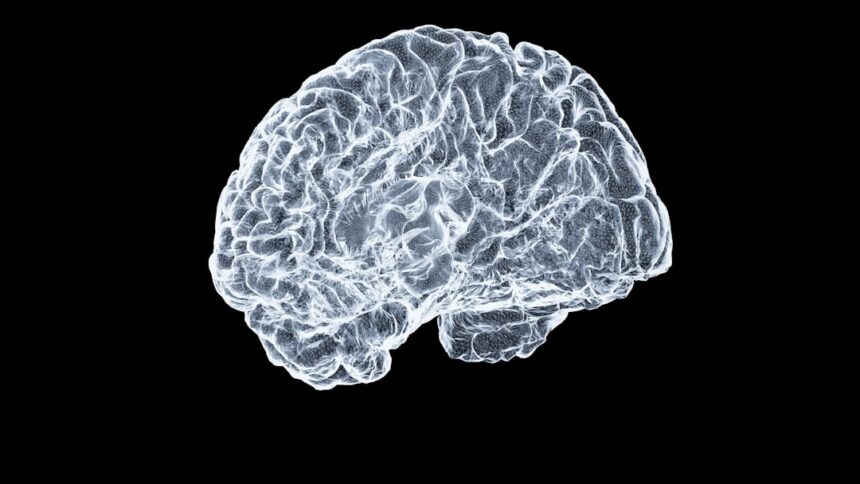
You may have encountered individuals who, in the face of adversity, seem to possess an unshakeable resolve. They are the ones who persist when others falter, who bounce back from setbacks with renewed determination. This characteristic, often termed “mental toughness,” is not an innate, immutable trait. Instead, it is a complex interplay of cognitive processes, emotional regulation, and physiological responses, all orchestrated by your brain. To understand mental toughness is to delve into the intricate neurological architectures that govern resilience, perseverance, and emotional control.
When you consider mental toughness, your mind likely gravitates towards the ability to make sound decisions under pressure, to maintain focus despite distractions, and to regulate your emotional responses. These are not disparate faculties, but rather tightly coupled functions largely orchestrated by the prefrontal cortex (PFC). This region, located at the very front of your brain, acts as your brain’s executive suite, responsible for higher-order cognitive functions.
Working Memory and Goal Maintenance
Imagine you’re facing a complex challenge. Your ability to hold relevant information in mind, even as new data streams in, is crucial. This is the domain of working memory, a function heavily reliant on the dorsolateral prefrontal cortex (dlPFC). Individuals with robust working memory capacity can better resist cognitive interference and maintain their focus on long-term goals. They are better equipped to keep the “prize” in sight, even when the path to it is fraught with obstacles. For you, this means that strengthening your working memory, through activities like strategic problem-solving or even memory-focused games, can contribute to your capacity for sustained effort.
Cognitive Control and Impulse Inhibition
Another critical aspect of the PFC’s role is cognitive control. This encompasses your ability to override automatic or habitual responses in favor of more deliberate, goal-directed behaviors. Consider a moment of frustration. Your initial impulse might be to lash out or give up. However, your ventrolateral prefrontal cortex (vlPFC) can intervene, inhibiting these impulsive reactions and allowing you to choose a more constructive response. This self-control is a cornerstone of mental toughness. It’s the neural brake pedal that prevents you from veering off course due to fleeting emotional urges. You can, through conscious effort, train this capacity for self-regulation, much like strengthening a muscle through repeated exercise.
Emotional Regulation and Reappraisal
The PFC also plays a significant role in modulating emotional responses. While emotions originate in deeper, more primal brain regions like the amygdala, your prefrontal cortex, particularly the medial prefrontal cortex (mPFC), can reappraise a situation, reframing its emotional impact. For instance, a perceived threat can be reinterpreted as a challenge. This cognitive reframing reduces the intensity of negative emotions, allowing for a more rational and effective response. Your capacity to regulate your emotions, to prevent them from overwhelming your decision-making, is a direct reflection of your PFC’s engagement in emotional processing. It allows you to navigate the emotional landscape of adversity without becoming lost within it.
In exploring the neuroscience of building mental toughness, a fascinating article can be found on Unplugged Psychology, which delves into the cognitive processes that underpin resilience and perseverance. This resource highlights various strategies that can enhance mental fortitude, drawing on recent research in neuroscience to provide practical insights. For more information, you can read the article here: Unplugged Psychology.
The Amygdala and Insula: Navigating the Emotional Landscape
While the PFC is your brain’s CEO, the amygdala and insula are crucial members of its emotional intelligence department. These regions are central to processing and experiencing emotions, particularly those associated with stress, fear, and discomfort. Understanding their role is vital to comprehending how you manage emotional challenges during periods of pressure.
Amygdala: The Brain’s Alarm System
The amygdala, a small almond-shaped structure deep within the temporal lobe, is your brain’s rapid-response alarm system. It detects and processes emotionally salient stimuli, particularly those associated with threat or reward. When you encounter a challenging situation, your amygdala can trigger a “fight or flight” response, preparing your body for immediate action. In individuals with heightened mental toughness, the amygdala’s activity isn’t necessarily suppressed but rather modulated by the PFC. You learn to recognize and acknowledge the amygdala’s alarm without allowing it to hijack your executive functions entirely. This is where the PFC-amygdala interplay becomes crucial; it’s the difference between panicking and carefully strategizing.
Insula: The Seat of Interoception and Emotional Awareness
The insula, a region tucked within the folds of your cerebral cortex, is involved in interoception – your internal sense of your body’s physiological state. It processes bodily sensations such as heart rate, breathing, and gut feelings, integrating them with emotional experiences. When you feel “butterflies in your stomach” before a crucial event, your insula is likely active. The insula also plays a role in subjective emotional experience and empathy. For you, a well-regulated insula means a greater capacity to be aware of your emotional state without being consumed by it. It allows for a more nuanced understanding of your own internal landscape, which is a prerequisite for effective emotional regulation. Mentally tough individuals often exhibit a balanced insula response, allowing them to register discomfort without being overwhelmed by it.
Neurotransmitters: The Chemical Couriers of Resilience

Beyond specific brain regions, the intricate dance of neurotransmitters – the chemical messengers of your brain – profoundly impacts your capacity for mental toughness. These chemicals influence everything from your mood and motivation to your ability to focus and recover from stress.
Dopamine: The Reward and Motivation Molecule
Dopamine, often associated with pleasure and reward, is a key player in motivation and goal-directed behavior. When you successfully overcome a challenge, your brain releases dopamine, reinforcing that behavior and encouraging you to seek similar experiences. This “reward pathway,” largely driven by dopamine, is crucial for perseverance. Individuals with mental toughness often have a finely tuned dopaminergic system, allowing them to sustain effort over long periods in pursuit of a desired outcome. For you, understanding this means recognizing that smaller victories, even minor breakthroughs, can prime your brain for continued effort, bolstering your motivation.
Serotonin: The Mood and Stability Regulator
Serotonin, another vital neurotransmitter, plays a significant role in regulating mood, anxiety, and general well-being. A balanced serotonin system contributes to greater emotional stability and a reduced susceptibility to stress-induced anxiety. When facing adversity, your ability to maintain a relatively stable emotional state is paramount. Serotonin, in conjunction with other neurochemicals, contributes to this inner equilibrium, allowing you to weathering emotional storms without being capsized.
Noradrenaline: The Alertness and Focus Enhancer
Noradrenaline (also known as norepinephrine) is a neurotransmitter involved in alertness, attention, and the stress response. While excessive noradrenaline can lead to anxiety, an optimal level enhances focus and readiness for action. Mentally tough individuals can leverage noradrenaline to sharpen their focus during high-pressure situations, channeling the body’s natural arousal into productive concentration. You can learn to interpret the physiological signs of heightened noradrenaline not as a sign of impending panic, but as a signal of readiness, a call to focus.
Neuroplasticity: The Brain’s Capacity for Growth and Adaptation

Perhaps one of the most empowering aspects of the neuroscience of mental toughness is the concept of neuroplasticity. This refers to your brain’s remarkable ability to reorganize itself, forming new neural connections and strengthening existing ones, throughout your life. Mental toughness is not a fixed attribute; it is a skillset that can be cultivated and enhanced through deliberate practice and experience.
Experience-Dependent Plasticity
Every challenge you face, every setback you overcome, and every act of perseverance you demonstrate leaves a neurological imprint. This is experience-dependent plasticity in action. When you consistently push past your comfort zone, your brain adapts, strengthening the neural pathways associated with resilience. For example, if you repeatedly engage in tasks that demand sustained attention, your prefrontal cortex will become more efficient in those processes. This means that embracing challenges, rather than avoiding them, is a direct pathway to neurological growth and enhanced mental toughness.
Myelination and Neural Efficiency
Neuroplasticity also involves myelination, the process by which nerve fibers are coated with a fatty substance called myelin. Myelin acts like insulation on an electrical wire, increasing the speed and efficiency of signal transmission. As you repeatedly engage in mentally tough behaviors, the neural pathways involved can become more myelinated, leading to faster and more efficient processing. This effectively means that the “hardware” of your mental toughness gets upgraded with consistent use. You are, in essence, rewiring your brain through your actions.
In exploring the fascinating neuroscience of building mental toughness, one can gain valuable insights from various resources. A particularly informative article discusses how our brain’s plasticity plays a crucial role in developing resilience and mental strength. By understanding the underlying mechanisms, individuals can implement strategies to enhance their mental fortitude. For more detailed information, you can read the article on this topic at Unplugged Psychology.
Practical Applications: Cultivating Your Mental Toughness
| Metric | Description | Neuroscientific Insight | Typical Measurement Method |
|---|---|---|---|
| Prefrontal Cortex Activity | Regulates decision-making, impulse control, and emotional regulation | Higher activity linked to better mental toughness and resilience | fMRI, EEG |
| Anterior Cingulate Cortex (ACC) Activation | Involved in error detection and emotional regulation | Increased ACC activation correlates with improved stress tolerance | fMRI, PET scans |
| Heart Rate Variability (HRV) | Indicator of autonomic nervous system flexibility and stress response | Higher HRV associated with greater emotional resilience and mental toughness | ECG, wearable heart monitors |
| Cortisol Levels | Hormone released in response to stress | Lower baseline cortisol and faster recovery linked to better stress management | Saliva, blood tests |
| Neuroplasticity Markers | Indicators of brain’s ability to adapt and reorganize | Enhanced neuroplasticity supports development of mental toughness | Brain imaging, BDNF levels in blood |
| Gamma Brainwave Activity | Associated with focused attention and cognitive processing | Increased gamma activity linked to improved concentration under stress | EEG |
| Self-Reported Resilience Scores | Subjective measure of perceived mental toughness | Correlates with objective neural and physiological markers | Psychological questionnaires (e.g., CD-RISC) |
Understanding the underlying neuroscience provides a framework, but how do you translate this knowledge into tangible improvements in your own mental toughness? The principles of neuroplasticity dictate that consistent, targeted effort can lead to measurable changes.
Mindfulness and Cognitive Reappraisal Training
Mindfulness practices, such as meditation, enhance your ability to observe your thoughts and emotions without judgment, a crucial step in cognitive control. By consistently practicing mindfulness, you strengthen the neural pathways involved in self-awareness and emotional regulation, particularly within the prefrontal cortex and insula. When you gain a distance from your immediate emotional reactions, you create space for your PFC to engage in cognitive reappraisal, allowing you to reframe challenging situations in a more constructive light. This is analogous to an advanced navigation system in your brain, helping you steer clear of emotional detours.
Deliberate Practice and Exposure to Challenges
Just as an athlete trains their muscles, you can train your brain for mental toughness. Deliberately exposing yourself to challenging situations, even small ones, and consciously pushing through discomfort, strengthens the neural circuits associated with perseverance. This could involve tackling a difficult project at work, engaging in a challenging physical activity, or even pursuing a new hobby that demands sustained effort. Each successful navigation of a challenge reinforces the dopamine reward pathways, further motivating future efforts. You are, effectively, building a mental “muscle memory” for resilience.
Strategic Goal Setting and Incremental Progress
Breaking down large, daunting goals into smaller, manageable steps is not just a productivity hack; it’s a neuroscientifically informed strategy. Each completed sub-goal provides a sense of achievement and a dopamine boost, reinforcing your motivation and belief in your ability to succeed. This incremental progress prevents overwhelm and maintains engagement, crucial elements for sustaining effort over the long term. Your brain thrives on these regular doses of positive feedback, propelling you forward even when the ultimate goal seems distant.
Sleep and Stress Management
Finally, the foundational pillars of mental well-being – adequate sleep and effective stress management – are critically important for optimal brain function and, by extension, mental toughness. Chronic sleep deprivation impairs prefrontal cortex function, reducing your capacity for cognitive control and emotional regulation. Similarly, chronic stress can lead to amygdala overactivity and contribute to diminished cognitive abilities. Prioritizing these aspects of your health is not merely a lifestyle choice; it is a direct investment in the neurological architecture of your mental toughness. You cannot build a strong foundation on unstable ground.
In conclusion, mental toughness is not a mystical quality reserved for a select few. It is a trainable attribute, deeply rooted in the intricate workings of your brain. By understanding the roles of the prefrontal cortex, amygdala, insula, and various neurotransmitters, and by leveraging the power of neuroplasticity through deliberate practice and strategic habits, you can systematically cultivate and enhance your own capacity for resilience, perseverance, and emotional control. Your brain is a dynamic, adaptable organ, and you hold the blueprint for its continued growth and refinement.
FAQs
What is mental toughness in the context of neuroscience?
Mental toughness refers to the brain’s ability to manage stress, maintain focus, and persevere through challenges. Neuroscience studies how specific brain regions and neural pathways contribute to resilience, emotional regulation, and sustained motivation.
Which areas of the brain are involved in building mental toughness?
Key brain areas involved include the prefrontal cortex, responsible for decision-making and self-control; the amygdala, which processes emotions like fear and anxiety; and the anterior cingulate cortex, which helps regulate attention and manage conflict.
How does stress affect the brain’s ability to develop mental toughness?
Moderate stress can enhance mental toughness by activating adaptive neural responses, but chronic or excessive stress may impair brain function, particularly in the prefrontal cortex, reducing cognitive flexibility and emotional regulation.
Can mental toughness be improved through training or practice?
Yes, neuroscience shows that mental toughness can be strengthened through practices such as mindfulness meditation, cognitive-behavioral techniques, and controlled exposure to challenging situations, which promote neuroplasticity and improve stress resilience.
What role do neurotransmitters play in mental toughness?
Neurotransmitters like dopamine, serotonin, and norepinephrine influence motivation, mood, and stress response. Balanced levels support focus and emotional stability, which are essential components of mental toughness.