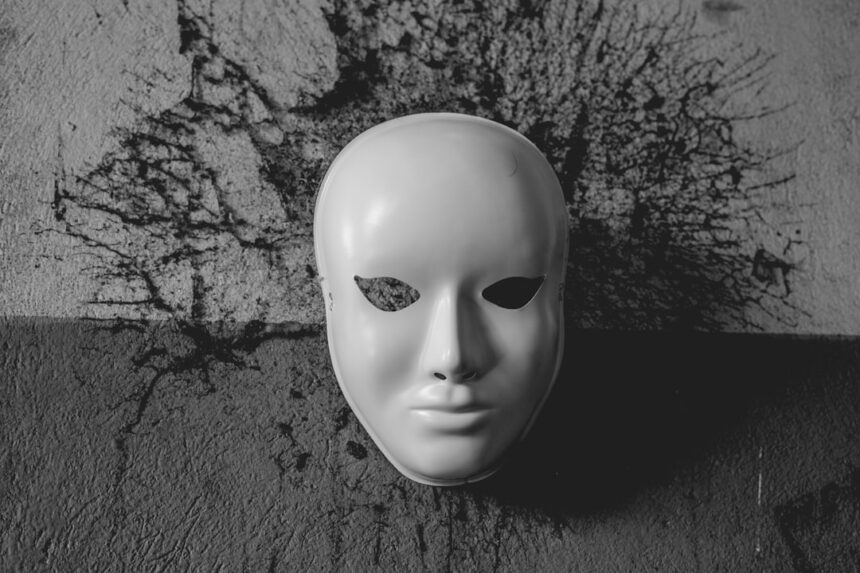
You, like everyone else, inhabit a complex inner world, a vibrant tapestry woven from thoughts, emotions, memories, and a deep-seated sense of self. Yet, the outward presentation you offer to the world – your persona, your social mask – is not always a direct reflection of that intricate landscape. This is the realm of masking, a phenomenon deeply intertwined with the neuroscience of social interaction and self-perception. Understanding how your brain navigates this duality between your authentic self and the curated version you present can illuminate the very nature of human experience and social belonging.
You are, by nature, a social creature. Your brain is exquisitely wired to perceive, interpret, and respond to social cues, a process crucial for survival and well-being. Masking, in this context, refers to the conscious or unconscious effort to conceal certain aspects of yourself –
FAQs
What is masking in the context of neuroscience?
Masking refers to the process by which individuals conceal or suppress their true thoughts, feelings, or behaviors to conform to social norms or expectations. Neuroscientifically, it involves brain mechanisms related to self-regulation, social cognition, and emotional control.
How does the brain support authentic behavior?
Authentic behavior is supported by brain regions involved in self-awareness, emotional processing, and decision-making, such as the prefrontal cortex, anterior cingulate cortex, and insula. These areas help individuals align their actions with their true values and feelings.
What are the neural consequences of prolonged masking?
Prolonged masking can lead to increased stress and cognitive load, engaging brain circuits related to executive function and emotional regulation. Over time, this may contribute to mental health challenges such as anxiety or depression due to the effort required to maintain inauthentic behavior.
Can neuroscience explain why people mask in social situations?
Yes, neuroscience shows that social brain networks, including the temporoparietal junction and medial prefrontal cortex, are involved in understanding others’ perspectives and social norms. These networks facilitate masking as a strategy to navigate social interactions and avoid negative judgment.
Is it possible to train the brain to be more authentic?
Research suggests that practices like mindfulness, self-reflection, and therapy can enhance self-awareness and emotional regulation, potentially reducing the need for masking. These interventions may strengthen neural pathways that support authentic expression and well-being.