You’re likely familiar with the feeling: the effortless shift from planning your dinner to a sudden realization about a work deadline, or smoothly pivoting from a heated discussion to a more conciliatory approach. This adaptability, this mental dexterity, is known as cognitive flexibility. It’s the capacity to adjust your thinking and behavior in response to changing circumstances, to override ingrained responses, and to embrace new information. But what happens when the pressures pile up, when stress becomes a persistent companion? The neuroscience behind cognitive flexibility and its interplay with stress is a complex and fascinating area, revealing how your brain’s ability to adapt can be both a powerful tool and a vulnerable system.
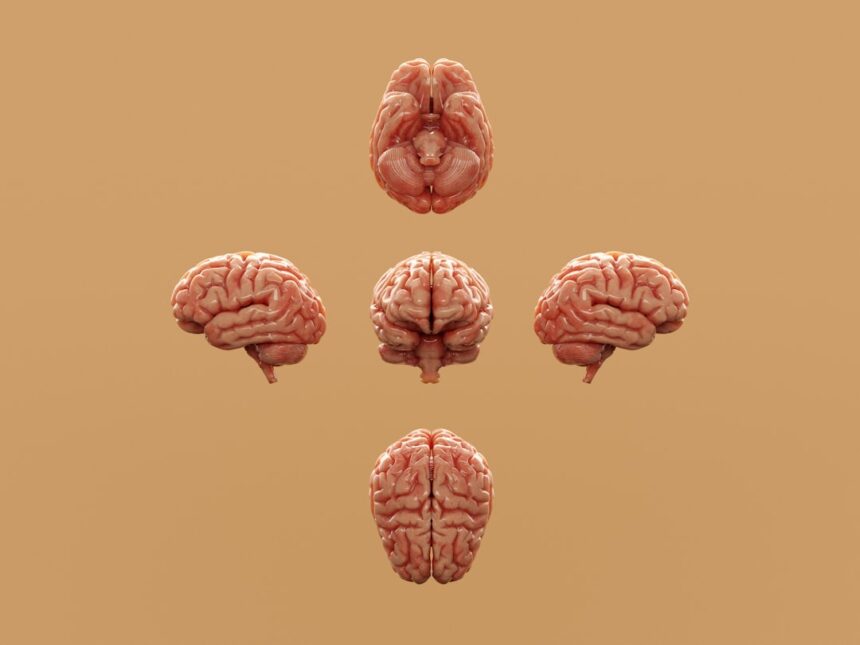
Cognitive flexibility isn’t governed by a single brain region. Instead, it emerges from the coordinated activity of a distributed network of brain areas. At its core lies the prefrontal cortex (PFC), a region renowned for its role in executive functions. This is your brain’s command center, responsible for planning, decision-making, working memory, and the very processes that allow you to disengage from one task and engage with another.
The Prefrontal Cortex: Your Executive Hub
Within the PFC, several sub-regions play distinct but complementary roles. The dorsolateral prefrontal cortex (DLPFC), for instance, is heavily involved in working memory – holding information online and manipulating it as needed. This is crucial for holding multiple pieces of information in mind when you’re trying to solve a problem or adjust your strategy. The ventromedial prefrontal cortex (vmPFC) is more about integrating emotional information with cognitive processes, helping you make decisions that are not only logical but also contextually appropriate.
The Role of the Dorsolateral Prefrontal Cortex (DLPFC)
When you’re faced with a situation that requires a change of plan, your DLPFC is likely firing. It’s the region that allows you to inhibit an habitual response – say, reaching for your phone when you receive a notification – and instead, to consciously redirect your attention to the task at hand. This inhibition is a fundamental aspect of flexibility; without it, you’d be stuck in a loop of automatic, often unhelpful, behaviors.
The Ventromedial Prefrontal Cortex (vmPFC) and Emotional Regulation
Your vmPFC acts as a bridge between your emotions and your rational thought. It helps you assess the emotional valence of different options and ensures that your cognitive decisions are aligned with your overall goals and values. When you’re feeling stressed, the vmPFC’s ability to temper emotional reactivity can be compromised, leading to more rigid and less adaptive responses.
The Parietal Cortex: Shifting Attention
Beyond the PFC, the parietal cortex is another key player. This region is essential for spatial awareness and attentional control. It helps you reorient your attention when something novel or important demands it, allowing you to shift your focus smoothly between different stimuli.
Attentional Shifting and Working Memory
The interplay between the parietal cortex and the PFC is crucial. The parietal cortex helps to guide where your attention goes, and the PFC then processes that information within the context of your current goals and existing knowledge. This dynamic collaboration allows you to seamlessly switch between processing external information and internal thoughts.
The Basal Ganglia: Habit Formation and Behavioral Control
While often associated with motor control, the basal ganglia also play a significant role in cognitive flexibility by influencing habit formation and the suppression of learned behaviors. They help to automate certain actions, freeing up your PFC for more complex tasks. However, when the basal ganglia become overly dominant, particularly under stress, it can lead to a perpetuation of rigid, habitual responses.
The Balance Between Automation and Adaptation
The basal ganglia help in efficiently executing routine tasks. Think about driving a familiar route – you don’t consciously think about every turn. This automation is beneficial. However, if there’s an unexpected road closure, you need to override that automatic process and engage your PFC to find an alternative. Stress can tip the balance, making it harder to break free from these automated pathways.
Cognitive flexibility, a crucial aspect of our ability to adapt to changing circumstances, is significantly influenced by stress levels, as highlighted in a related article on the neuroscience of cognitive flexibility and stress. This article delves into how stress can impair cognitive flexibility, affecting decision-making and problem-solving abilities. For more insights on this topic, you can read the full article here: Neuroscience of Cognitive Flexibility and Stress.
The Impact of Stress on Cognitive Flexibility
Stress, particularly chronic stress, has a profound and often detrimental impact on cognitive flexibility. Your brain’s stress response system, primarily mediated by the hypothalamic-pituitary-adrenal (HPA) axis, releases stress hormones like cortisol. While these hormones can be adaptive in the short term, providing an energy boost for “fight or flight,” their prolonged elevation can disrupt the delicate neural circuitry underlying cognitive flexibility.
Cortisol: The Double-Edged Sword
Cortisol’s effects on the brain are complex and dose-dependent. In acute situations, it can enhance memory consolidation and attention, enabling you to react effectively to immediate threats. However, chronic exposure to elevated cortisol levels can lead to structural and functional changes in key brain regions, most notably the PFC.
Prefrontal Cortex Vulnerability to Cortisol
The PFC is particularly sensitive to the effects of cortisol. Prolonged high cortisol can impair neuronal function and even lead to dendritic atrophy (a reduction in the branching of neurons) in PFC regions. This can diminish your capacity for executive functions, including cognitive flexibility. Navigating a novel situation when your PFC is compromised becomes significantly more challenging.
Impaired Working Memory and Inhibition
When the PFC is under siege from chronic stress and elevated cortisol, your working memory suffers. You might find it harder to keep track of multiple pieces of information, to switch between tasks, or to inhibit irrelevant thoughts. This can manifest as increased distractibility and a reduced ability to adapt to changing demands.
Amygdala Reactivity and Emotional Rigidity
The amygdala, the brain’s fear center, is also heavily influenced by stress. Under stress, the amygdala becomes hyperactive, leading to heightened emotional reactivity and a tendency to interpret ambiguous situations as threatening. This oversensitivity can hijack your cognitive processes, making it difficult to engage in flexible, reasoned thinking.
The Amygdala-PFC Decoupling
In a state of chronic stress, there can be a functional decoupling between the amygdala and the PFC. The amygdala’s alarm bells can become so loud that they drown out the PFC’s ability to engage in rational evaluation and behavioral control. You might find yourself reacting emotionally rather than thinking strategically.
Reduced Ability to Inhibit Emotional Responses
The combined effects of a hyperactive amygdala and a compromised PFC make it harder to inhibit impulsive emotional responses. This can lead to outbursts, rumination, and a general feeling of being overwhelmed by emotions, further hindering your ability to adapt and problem-solve.
Neurotransmitter Dysregulation
Stress also impacts the balance of crucial neurotransmitters involved in cognitive flexibility, such as dopamine and serotonin. Dopamine plays a key role in reward-seeking, motivation, and cognitive flexibility by modulating the activity of the PFC. Serotonin is involved in mood regulation, impulse control, and cognitive processing.
Dopamine and the Shifting Landscape
Dopamine signaling in the PFC is essential for flexible decision-making and for learning from feedback. When stressed, dopamine pathways can become dysregulated, making it harder to update your beliefs and behaviors based on new information. You might find yourself sticking to a suboptimal strategy even when evidence suggests otherwise.
Serotonin and Emotional Stability
Serotonin’s influence on mood and impulse control is also critical. Imbalances in serotonin levels, often seen during stress, can contribute to anxiety, irritability, and a reduced capacity for emotional regulation, all of which can impair cognitive flexibility.
Factors Influencing Your Brain’s Resilience
While stress can undeniably degrade cognitive flexibility, your brain isn’t entirely at its mercy. Several factors can influence your resilience, either by protecting these neural circuits or by promoting their recovery. Understanding these moderators can empower you to cultivate a more adaptable mind.
Exercise and Neurogenesis
Physical activity is a potent promoter of brain health, including cognitive flexibility. Exercise has been shown to increase the production of brain-derived neurotrophic factor (BDNF), a protein that supports the growth, survival, and function of neurons. BDNF is particularly important for the hippocampus and the PFC, both critical for flexibility.
The BDNF Connection
BDNF acts like a fertilizer for your brain, encouraging the growth of new neurons (neurogenesis) and the strengthening of existing connections. Regular aerobic exercise can lead to increased BDNF levels, which in turn can enhance synaptic plasticity and improve cognitive function, including your ability to switch between tasks and adapt to new information.
Improved Blood Flow and Oxygenation
Furthermore, exercise increases blood flow to the brain, ensuring that your neurons receive adequate oxygen and nutrients. This enhanced vascular health provides a supportive environment for optimal brain function, which can bolster your resilience to the negative effects of stress.
Mindfulness and Meditation Practices
Practices like mindfulness meditation have gained significant attention for their ability to reshape the brain and enhance cognitive functions, including flexibility. These techniques cultivate present-moment awareness and non-judgmental observation, which can directly impact the neural mechanisms involved in attention and emotional regulation.
Strengthening Attentional Control
Mindfulness training has been shown to increase gray matter density in areas like the PFC and the insula, regions associated with self-awareness and attention. By repeatedly practicing bringing your attention back to the present moment, you are effectively training your brain to disengage from distracting thoughts and to reorient your focus, a core component of cognitive flexibility.
Reducing Amygdala Reactivity
Studies have also indicated that regular meditation can lead to a reduction in amygdala reactivity. This means that when faced with stressors, your fear response might be less intense and more easily managed, allowing your PFC to maintain a greater degree of control over your responses.
Sleep and Cognitive Function
Adequate sleep is not just about feeling rested; it’s a critical period for neural maintenance, consolidation of memories, and restoration of cognitive resources. Sleep deprivation, conversely, significantly impairs cognitive flexibility.
The Role of Sleep in Synaptic Plasticity
During sleep, particularly slow-wave sleep, your brain consolidates learned information and prunes unnecessary synaptic connections, a process known as synaptic plasticity. This is vital for learning and adaptation. When you’re sleep-deprived, this process is disrupted, making it harder to learn new things and to adjust your behavior.
Impaired Executive Functions
Lack of sleep directly impacts the PFC’s ability to function optimally. This leads to deficits in attention, working memory, decision-making, and inhibitory control – all of which are central to cognitive flexibility. You’ll likely find yourself more irritable, less focused, and less able to switch gears when you’re running on insufficient sleep.
Strategies to Enhance Your Cognitive Flexibility

Given the intricate relationship between stress and cognitive flexibility, developing strategies to bolster your adaptive capacity is a worthwhile endeavor. These aren’t magic bullets, but rather consistent practices that can cultivate a more resilient and flexible mind.
Deliberate Practice and Novelty
Actively seeking out novel experiences and engaging in deliberate practice can significantly enhance your cognitive flexibility. This involves stepping outside your comfort zone and intentionally challenging your existing ways of thinking and doing.
Embracing New Skills and Hobbies
Learning a new language, playing a musical instrument, or engaging in complex problem-solving activities all demand that your brain adapt and form new neural pathways. These activities require you to shift perspectives, to learn new rules, and to integrate new information, thereby strengthening your cognitive flexibility.
Problem-Solving and Critical Thinking
Engaging in activities that require you to analyze situations from multiple angles, to consider different outcomes, and to adapt your approach based on new information is crucial. This could involve playing strategy games, engaging in debates, or tackling complex work projects that require innovative solutions.
Stress Management Techniques
Effectively managing stress is paramount to protecting and enhancing your cognitive flexibility. Implementing a proactive approach to stress reduction can significantly mitigate its negative impacts on your brain.
Developing Coping Mechanisms
Identifying healthy coping mechanisms that work for you is essential. This might include deep breathing exercises, progressive muscle relaxation, spending time in nature, or engaging in creative pursuits. The key is to find strategies that help you de-escalate your stress response.
Setting Boundaries and Time Management
Learning to set realistic expectations and boundaries, both professionally and personally, can prevent overwhelming stress from accumulating. Effective time management techniques can also reduce the feeling of being constantly under pressure, allowing your brain to operate more efficiently and with greater flexibility.
Seeking Support and Social Connection
Your social environment plays a surprising role in your cognitive well-being. Strong social connections and seeking support when needed can act as buffers against stress and promote resilience.
The Benefits of Social Support Networks
Interacting with others, sharing your experiences, and receiving emotional support can help to regulate your stress response. Social connection can provide different perspectives, offer practical advice, and simply create a sense of belonging, all of which can foster a more adaptive mindset.
Professional Guidance
If you find yourself consistently struggling with stress and its impact on your cognitive flexibility, seeking professional help from a therapist or counselor can be invaluable. They can provide you with tailored strategies and support to navigate these challenges.
Recent research in the neuroscience of cognitive flexibility and stress highlights the intricate relationship between our mental adaptability and emotional resilience. A fascinating article explores how stress can impact our ability to shift perspectives and adapt to new situations, shedding light on the underlying neural mechanisms involved. For more insights on this topic, you can read the article at Unplugged Psychology, which delves into the implications of cognitive flexibility in managing stress effectively.
The Future of Understanding Cognitive Flexibility and Stress
| Study | Findings |
|---|---|
| Neurobiology of Stress | Increased cortisol levels can impact prefrontal cortex function, affecting cognitive flexibility. |
| Neuroplasticity and Cognitive Flexibility | Neuroplasticity allows the brain to adapt to stress and improve cognitive flexibility through synaptic changes. |
| Stress and Hippocampal Function | Chronic stress can impair hippocampal function, leading to reduced cognitive flexibility and memory deficits. |
The field of neuroscience continues to delve deeper into the intricate mechanisms governing cognitive flexibility and its interaction with stress. Ongoing research promises to illuminate new therapeutic targets and to refine our understanding of how to cultivate a more adaptable and resilient mind.
Neuroimaging Advancements
Sophisticated neuroimaging techniques, such as functional magnetic resonance imaging (fMRI) and electroencephalography (EEG), are providing unprecedented insights into the real-time neural activity associated with cognitive flexibility and stress responses. These tools allow researchers to observe how brain networks reconfigure under different conditions.
Mapping Neural Networks in Action
By analyzing brain scans of individuals performing tasks that require cognitive flexibility, scientists can map the intricate communication pathways between different brain regions. This helps to identify the neural signatures of high and low flexibility and to understand how stress disrupts these patterns.
Identifying Biomarkers of Stress Impact
Future research may identify specific neural or physiological biomarkers that indicate an individual’s vulnerability to stress-induced cognitive inflexibility. This could lead to earlier interventions and personalized treatment approaches.
Pharmacological and Technological Interventions
As our understanding grows, so too do the possibilities for intervention. Researchers are exploring both pharmacological and technological approaches to enhance cognitive flexibility and mitigate the negative effects of stress.
Targeted Drug Development
The development of drugs that can modulate specific neurotransmitter systems or protect vulnerable brain regions from the effects of stress hormones is a promising avenue. The goal is to develop interventions that precisely target the neural mechanisms underlying cognitive flexibility.
Brain Stimulation Techniques
Non-invasive brain stimulation techniques, such as transcranial magnetic stimulation (TMS) and transcranial direct current stimulation (tDCS), are being investigated for their potential to modulate activity in key brain regions like the PFC. These technologies could offer novel ways to enhance cognitive flexibility.
Personalized Resilience Building
Ultimately, the goal is to move towards a more personalized approach to building resilience and enhancing cognitive flexibility. Understanding individual differences in brain structure, function, and stress reactivity will allow for the development of tailored interventions.
Tailoring Interventions to Individual Needs
Recognizing that not everyone responds to the same strategies in the same way is crucial. Future approaches will likely involve assessing an individual’s cognitive profile and stress response patterns to recommend the most effective exercises, mindfulness techniques, or other interventions for them.
Your mind is a remarkably adaptable organ. While stress presents challenges to its flexibility, understanding the underlying neuroscience empowers you to take proactive steps. By cultivating healthy habits, managing stress effectively, and engaging in practices that stimulate your brain, you can foster a more resilient and agile cognitive system, better equipped to navigate the complexities of your world.
FAQs
What is cognitive flexibility?
Cognitive flexibility refers to the ability of the brain to switch between thinking about two different concepts, and to think about multiple concepts simultaneously. It is an important aspect of executive function and is crucial for problem-solving, creativity, and adapting to new situations.
How does stress affect cognitive flexibility?
Stress can have a significant impact on cognitive flexibility. Chronic stress has been shown to impair cognitive flexibility, making it more difficult for individuals to adapt to new situations and switch between different tasks or thought processes. This can lead to difficulties in problem-solving and decision-making.
What are the neural mechanisms underlying cognitive flexibility?
Neuroscience research has identified several brain regions and neural circuits that are involved in cognitive flexibility. These include the prefrontal cortex, which is responsible for executive functions, as well as the basal ganglia and the anterior cingulate cortex. These regions work together to enable the brain to switch between different cognitive processes.
Can cognitive flexibility be improved through training?
Yes, research has shown that cognitive flexibility can be improved through training and practice. Activities such as mindfulness meditation, cognitive training exercises, and certain types of therapy have been found to enhance cognitive flexibility and improve the brain’s ability to adapt to new situations.
How can individuals reduce the impact of stress on cognitive flexibility?
There are several strategies that individuals can use to reduce the impact of stress on cognitive flexibility. These include practicing stress-reducing techniques such as mindfulness meditation, engaging in regular physical exercise, getting enough sleep, and seeking social support. These strategies can help to mitigate the negative effects of stress on cognitive flexibility.