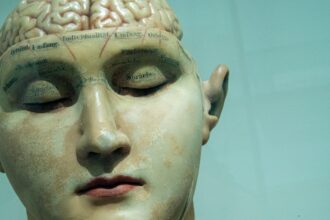
Déjà vu is a common psychological phenomenon where individuals experience a strong sense of familiarity with a situation that is objectively new. This sensation occurs when someone believes they have previously encountered a current experience, despite knowing this is impossible. For example, a person might visit a location for the first time yet feel they have been there before, creating a cognitive dissonance between perception and factual knowledge.
The experience typically manifests as a brief but intense feeling of recognition, often lasting only seconds. While déjà vu was historically associated with temporal lobe epilepsy and other neurological conditions, contemporary neuroscience views most instances as normal cognitive processes related to memory formation and retrieval.
Scientists have proposed several explanations for déjà vu, including split perception (where information reaches consciousness through different neural pathways at slightly different times), memory mismatch (when current sensory input partially matches stored memories), and neurological misfiring in the brain regions responsible for familiarity assessment.
Key Takeaways
- Deja vu is a mysterious experience linked to memory and perception processes in the brain.
- Micro automatism lip smacks are subtle, involuntary mouth movements connected to neurological activity.
- Research suggests a correlation between deja vu episodes and the occurrence of micro automatism lip smacks.
- Studying these lip smacks provides insight into the neurological and psychological mechanisms behind deja vu.
- Understanding deja vu and related behaviors has practical implications for neuroscience and mental health fields.
Exploring the Science Behind Deja Vu
To understand déjà vu more thoroughly, it’s essential to explore the scientific explanations that have emerged over the years. Researchers have proposed various theories to account for this phenomenon, ranging from neurological misfires to memory retrieval errors. You might be surprised to learn that some scientists believe déjà vu occurs when your brain processes information in a way that creates a false sense of familiarity.
This could happen when your brain mistakenly interprets a new experience as a memory, leading to that eerie feeling of having been there before. Neuroscientific studies have shown that déjà vu is often linked to the temporal lobe of the brain, which plays a crucial role in memory formation and retrieval. When you experience déjà vu, it may be due to a brief disruption in the normal functioning of this area, causing your brain to misfire and create an illusion of familiarity.
The Connection Between Deja Vu and Micro Automatism Lip Smacks

As you explore the intricacies of déjà vu, you may come across the concept of micro automatism lip smacks. These subtle, involuntary movements often go unnoticed but can reveal much about our cognitive processes. Micro automatism lip smacks are small, unconscious gestures that occur during moments of deep thought or concentration.
You might not even be aware that you’re doing them, but they can serve as indicators of your mental state. Interestingly, some researchers have begun to investigate whether there is a connection between these micro movements and the experience of déjà vu. The theory suggests that when you engage in micro automatism lip smacks, your brain may be processing information in a way that heightens your sense of familiarity with your surroundings.
This connection opens up new avenues for understanding how our bodies and minds interact during moments of cognitive dissonance.
Understanding Micro Automatism Lip Smacks
Micro automatism lip smacks are fascinating phenomena that can occur in various contexts. You might notice them during moments of stress or intense focus, where your body seems to take over while your mind is preoccupied with other thoughts. These small movements can manifest as lip smacking, tongue movements, or even subtle facial expressions.
While they may seem trivial, they are indicative of the complex interplay between your subconscious mind and physical actions. Research into micro automatism lip smacks has revealed that these gestures can serve as coping mechanisms or signals of cognitive overload. When you find yourself overwhelmed by information or emotions, your body may respond with these involuntary movements as a way to self-soothe or regain focus.
Understanding this phenomenon can provide valuable insights into how you process experiences and navigate the complexities of daily life.
The Link Between Deja Vu and Micro Automatism Lip Smacks
| Metric | Description | Typical Values | Notes |
|---|---|---|---|
| Frequency of Deja Vu Episodes | Number of deja vu experiences per week | 1-3 times/week | Varies by individual, often linked to temporal lobe activity |
| Duration of Micro Automatism | Length of lip smacking or other automatisms during episode | 2-10 seconds | Common in temporal lobe epilepsy seizures |
| Associated EEG Findings | Electroencephalogram patterns during episodes | Temporal lobe spike-wave discharges | Helps differentiate epileptic from non-epileptic events |
| Age of Onset | Typical age when symptoms first appear | Adolescence to early adulthood (10-30 years) | Often coincides with onset of temporal lobe epilepsy |
| Prevalence in Epilepsy Patients | Percentage of temporal lobe epilepsy patients exhibiting lip smacks | 30-50% | One of the common automatisms observed |
| Response to Medication | Effectiveness of antiepileptic drugs on automatisms | Reduction by 60-80% | Varies depending on drug and patient compliance |
The intriguing relationship between déjà vu and micro automatism lip smacks invites further exploration into how these two phenomena might intersect. You may wonder if engaging in micro automatism lip smacks could trigger or enhance feelings of déjà vu. Some researchers propose that when your brain is in a heightened state of awareness—perhaps due to these small movements—it may become more attuned to recognizing patterns and familiarities in your environment.
This connection suggests that micro automatism lip smacks could serve as a catalyst for déjà vu experiences. When you engage in these subtle gestures, your brain may be more likely to misinterpret new experiences as familiar ones, leading to that uncanny sensation of having lived through a moment before. By examining this link, you can gain a deeper understanding of how your body and mind work together to shape your perceptions and experiences.
Theories on the Origin of Deja Vu
As you delve into the theories surrounding the origin of déjà vu, you’ll encounter a variety of perspectives from psychologists and neuroscientists alike. One prominent theory posits that déjà vu is linked to memory retrieval errors. When you encounter a new situation that shares similarities with past experiences, your brain may mistakenly activate memories associated with those past events, creating a false sense of familiarity.
Another theory suggests that déjà vu may arise from temporal lobe epilepsy or other neurological conditions. In these cases, individuals may experience frequent episodes of déjà vu as a result of abnormal electrical activity in the brain. While this explanation accounts for some instances of déjà vu, it does not encompass the experiences of those who do not have such conditions.
This diversity in theories highlights the complexity of déjà vu and underscores the need for further research to unravel its origins.
The Role of Memory and Perception in Deja Vu
Memory and perception play pivotal roles in shaping your experience of déjà vu. When you encounter a situation that feels familiar, your brain draws upon stored memories to make sense of what you’re experiencing. However, this process is not always straightforward; sometimes, your brain may misfire or misinterpret information, leading to the sensation of déjà vu.
You might find it fascinating how perception influences memory retrieval. Your current emotional state, environmental cues, and even sensory inputs can all impact how you perceive an experience and whether it feels familiar or novel. This interplay between memory and perception is crucial in understanding why déjà vu occurs and how it can manifest differently for each individual.
How Micro Automatism Lip Smacks Can Shed Light on Deja Vu
Micro automatism lip smacks offer a unique lens through which to examine déjà vu experiences. By studying these involuntary movements alongside instances of déjà vu, researchers can gain insights into the cognitive processes at play during these moments. You may find it intriguing that these small gestures could serve as indicators of heightened cognitive activity or emotional states that predispose you to experiencing déjà vu.
As researchers continue to explore this connection, they may uncover valuable information about how micro automatism lip smacks influence memory retrieval and perception. Understanding this relationship could lead to new approaches for studying not only déjà vu but also other cognitive phenomena related to memory and awareness.
The Psychological and Neurological Aspects of Deja Vu
The psychological and neurological aspects of déjà vu are deeply intertwined, creating a rich tapestry of understanding about this phenomenon. From a psychological perspective, déjà vu can evoke feelings ranging from curiosity to anxiety as you grapple with the implications of experiencing something familiar yet new. This emotional response can influence how you interpret future experiences and shape your overall perception of reality.
Neurologically, déjà vu is often linked to specific brain regions responsible for memory processing and recognition. As you explore this connection further, you may discover how disruptions in these areas can lead to the sensation of familiarity without actual recollection. This intersection between psychology and neurology highlights the complexity of human cognition and underscores the need for interdisciplinary research to fully understand déjà vu.
Debunking Myths and Misconceptions About Deja Vu
As with many intriguing phenomena, there are numerous myths and misconceptions surrounding déjà vu that deserve clarification. One common myth is that déjà vu is a sign of precognition or psychic ability; however, scientific research has shown that it is primarily a cognitive phenomenon rooted in memory processing errors rather than supernatural foresight. Another misconception is that déjà vu only occurs in individuals with certain psychological conditions or neurological disorders.
In reality, this experience is quite common among healthy individuals and can happen at any age or stage in life. By debunking these myths, you can foster a more accurate understanding of déjà vu and its implications for human cognition.
Practical Applications and Implications of Studying Deja Vu and Micro Automatism Lip Smacks
Studying déjà vu and micro automatism lip smacks has practical applications that extend beyond mere curiosity about human cognition. Understanding these phenomena can inform therapeutic approaches for individuals experiencing anxiety or memory-related disorders. By recognizing how micro automatism lip smacks relate to cognitive processes, therapists may develop strategies to help clients manage their experiences more effectively.
Moreover, insights gained from researching déjà vu could contribute to advancements in fields such as artificial intelligence and virtual reality. By understanding how humans perceive familiarity and navigate their environments, developers can create more immersive experiences that resonate with users on a deeper level. As you reflect on these practical implications, it becomes clear that studying phenomena like déjà vu and micro automatism lip smacks holds significant potential for enhancing our understanding of human cognition and improving various aspects of daily life.
Recent studies on the phenomenon of déjà vu have revealed intriguing connections to micro-automatism behaviors, such as lip smacks, which can occur during moments of cognitive dissonance. For a deeper understanding of these concepts, you can explore the article on the Unplugged Psych website that discusses various psychological phenomena in detail. Check it out here: