You walk down a street teeming with people. The sidewalks pulse with a constant flow of figures, each engaged in their own world. Shops disgorge shoppers, cafes spill their patrons onto benches, and apartment buildings loom like hives, their windows hinting at lives unseen. Yet, in this sea of humanity, you might feel a profound sense of isolation, a quiet ache that seems amplified by the sheer proximity of others. This is not an uncommon experience. It is the paradox of the loneliness you can feel in crowded spaces, a phenomenon steeped in psychology that warrants deeper understanding.
You might logically assume that being surrounded by people would inherently combat loneliness. After all, loneliness is the subjective feeling of being alone, a perceived lack of social connection. In a crowd, options for interaction abound. Yet, this abundance often proves to be an illusion, a shimmering mirage that fails to quench the thirst for genuine connection.
Superficial Encounters and the Absence of Depth
Consider the nature of interactions in heavily populated areas. You might exchange a fleeting glance with a stranger, a polite nod to a passing acquaintance, or a brief, transactional exchange with a cashier. These are all forms of social contact, but they rarely penetrate the surface. You are exposed to the quantity of human presence, but not necessarily the quality of engagement.
- The fleeting nature of urban encounters: The constant motion of crowds means that sustained interaction is often impractical, if not impossible. You are a momentary presence in someone else’s journey, and they are the same in yours. This transience prevents the development of familiarity and understanding, which are crucial for combating loneliness.
- The pre-programmed nature of interactions: Many interactions in crowded spaces are dictated by social scripts. You know how to order your coffee, how to navigate a busy intersection, how to pretend you’re not listening to someone’s loud phone conversation. These are learned behaviors that function efficiently but offer little in the way of authentic human validation.
- The fear of vulnerability: In a crowd, you might feel an amplified sense of being observed. This can lead to self-consciousness and a reluctance to reveal your true self, to engage in conversations that might expose vulnerability. The perceived judgment of so many strangers can be daunting, leading you to retreat into a shell of polite indifference.
The Paradox of Shared Space Without Shared Experience
You occupy the same physical space as hundreds, even thousands, of others, but your actual lived experiences within that space can be wildly divergent. The shared environment does not automatically translate into shared consciousness or shared emotional landscapes.
- Divergent individual realities: While you might be standing in line at the same store, your thoughts might be on a distressing work issue, a joyful upcoming event, or a deeply personal struggle. The person next to you is likely engaged in a similarly individualized internal narrative. The sheer volume of these concurrent, yet separate, internal worlds creates an invisible barrier.
- The burden of unspoken narratives: Everyone in a crowd carries their own stories, their own joys and sorrows, their hopes and fears. When these narratives remain unspoken and unacknowledged by those around you, the sense of isolation can deepen. You are surrounded by individuals who are themselves potentially wrestling with their own forms of distress, and there is no visible avenue for mutual support or understanding.
- The erosion of personal boundaries: While not directly related to spoken interaction, the constant proximity of strangers can also be overwhelming. The invasion of personal space, the cacophony of ambient noise, and the sheer visual stimulus can lead to a feeling of being bombarded, contributing to a sense of disengagement rather than connection.
Feeling lonely in a crowd can be a perplexing experience, often stemming from a disconnect between our internal emotions and external surroundings. This phenomenon is explored in depth in the article “Understanding Loneliness in Social Settings” on Unplugged Psychology. The article delves into the psychological factors that contribute to feelings of isolation, even when surrounded by others, highlighting the importance of meaningful connections over mere physical presence. For more insights on this topic, you can read the article here: Understanding Loneliness in Social Settings.
The Psychological Mechanisms at Play
Understanding why you might feel lonely in a crowd requires delving into the psychological underpinnings of social connection and the human need for belonging.
Social Comparison Theory and the Amplification of Deficiency
One significant factor is social comparison. You are constantly, often unconsciously, comparing yourself to others. In a crowded space, this comparison can become a psychological minefield.
- Perceived social success of others: You might observe groups of friends laughing heartily, couples holding hands, or individuals appearing confidently engaged in animated conversations. Even if these displays are superficial or curated, they can unconsciously trigger feelings of inadequacy in your own social connections, or perceived lack thereof. You might infer that everyone else is having a better time, is more connected, or is somehow more “successful” socially.
- The highlight reel effect: Similar to how social media can present a curated version of reality, so too can the visible interactions in a crowd. You are seeing snapshots of connection, often devoid of the mundane, the challenging, or the awkward moments that are part of all genuine relationships. This selective observation can lead you to believe that your own social life is lacking in comparison.
- The fear of being “othered”: When you feel a disconnect from the apparent ease of others around you, you can begin to fear that you are inherently different, or perhaps even flawed. This fear of being “othered” can reinforce your sense of isolation, making you even more hesitant to bridge the gap.
The Need for Requisite Variety and Meaningful Interaction
Humans have a fundamental need for “requisite variety,” meaning they need a diverse range of meaningful social experiences. Crowded spaces, while offering variety in terms of human presence, often lack the crucial element of depth and meaning.
- The distinction between acquaintance and friend: You might have hundreds of acquaintances, people you recognize or can interact with on a superficial level. However, you likely have a much smaller circle of close friends and confidantes. Loneliness often stems from a deficit in this latter category, and merely increasing the former does little to address it.
- The importance of shared vulnerability and mutual understanding: True connection is built on shared vulnerability, mutual empathy, and a deep understanding of each other’s inner worlds. These elements are rarely fostered in fleeting interactions within a crowded setting. You need spaces and people where you feel safe to be imperfect, to express your true thoughts and feelings without fear of judgment or dismissal.
- The cognitive load of social processing: Even if you are not actively seeking deep connections, your brain is constantly processing social cues. In a crowded environment, this processing load can be immense. The sheer volume of faces, movements, and ambient sounds can be overwhelming, leading your brain to shut down or disengage from deeper social processing, which can ultimately contribute to feelings of detachment.
Environmental Factors That Foster Disconnection
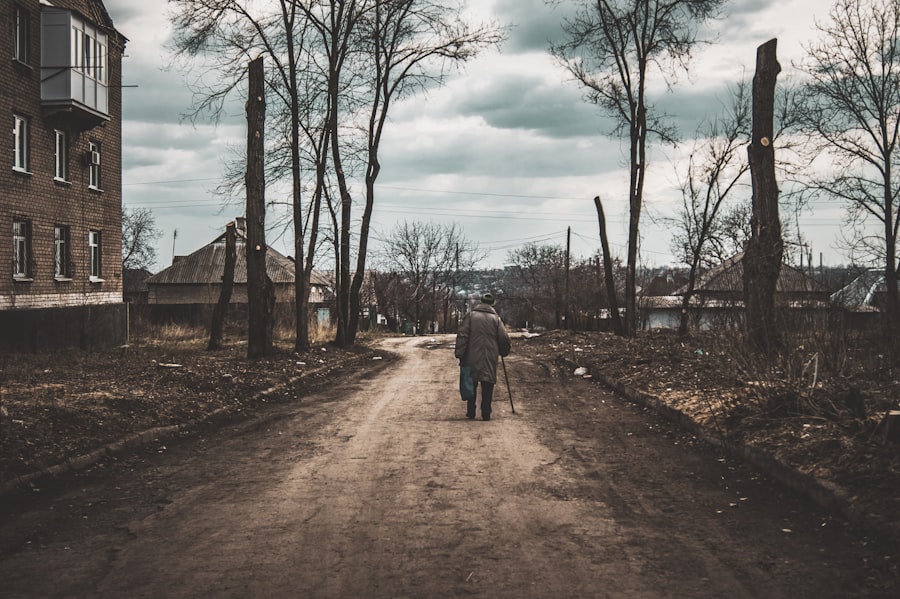
The very design and culture of certain crowded environments can subtly contribute to feelings of isolation, even when paradoxically designed for gathering.
Urban Design and the Erosion of Spontaneous Interaction
Modern urban environments, while facilitating movement and commerce, can inadvertently erect barriers to genuine social connection.
- The rise of the car-centric city: Dependence on private vehicles can reduce incidental encounters. You drive from your home to your destination, often bypassing communal spaces where spontaneous interactions might occur, such as local shops or walkable neighborhoods.
- The proliferation of single-use spaces: Many urban areas are divided into zones for living, working, and shopping, with limited overlap. This compartmentalization means you might live in one area, work in another, and socialize in a third, further diminishing the chances of bumping into people from your everyday life in unexpected ways.
- The dominance of impersonal infrastructure: Wide streets, large parking lots, and an emphasis on speed can prioritize efficient transit over pedestrian-friendly spaces that encourage lingering and observation. The absence of welcoming communal areas, like public squares with comfortable seating and inviting aesthetics, can discourage lingering and casual conversation.
The Culture of Individualism and Self-Reliance
The prevailing cultural emphasis on individualism and self-reliance, particularly in Western societies, can also play a role in the loneliness experienced in crowded spaces.
- The promotion of independent problem-solving: You are often encouraged to be independent and to solve your own problems. This mindset, while valuable, can lead to a reluctance to ask for help or to admit when you are struggling, even in a situation with many potential helpers.
- The internalization of “pulling yourself up by your bootstraps”: This common idiom emphasizes individual effort and resilience. While admirable, it can create a barrier to seeking genuine emotional support from others, leading you to believe that your struggles are solely your own to bear.
- The devaluation of communal support systems: In societies that champion individualism, communal support systems might be underfunded or less culturally integrated. This leaves individuals with fewer readily accessible and normalized avenues for seeking and receiving social and emotional support, even when surrounded by people.
Navigating the Paradox: Strategies for Connection

Recognizing the psychological dynamics at play is the first step. The next is to actively cultivate strategies to navigate the loneliness you might experience in crowded spaces.
Intentionality in Social Engagement
Combatting this type of loneliness requires a conscious shift from passive presence to active engagement.
- Setting intentions before entering crowded spaces: Rather than just “being in a crowd,” decide on a small social goal. This could be initiating a brief conversation with a barista, making eye contact and smiling at someone you pass, or even just observing the interactions around you with a curious, rather than judgmental, mindset.
- Practicing active listening in brief encounters: Even in short interactions, focus on truly listening to what the other person is saying. Ask a follow-up question, nod in understanding, and show genuine interest. This can transform a perfunctory exchange into a slightly more meaningful connection.
- Leveraging shared activities: Join groups or clubs that meet in public spaces. Whether it’s a book club in a cafe, a running group in a park, or a volunteer organization, engaging in a shared activity provides a natural context for interaction that transcends superficiality.
Cultivating Inner Resilience and Self-Compassion
While external connections are vital, your internal landscape plays a significant role in how you experience loneliness.
- Recognizing that introspection is not inherently negative: Spending time in your own thoughts is not always a sign of loneliness. However, if this introspection is accompanied by rumination on your perceived social deficiencies, it can be. Learning to distinguish between healthy self-reflection and negative self-talk is key.
- Practicing self-compassion: Be kind to yourself. Acknowledge that feeling lonely in a crowd is a valid and understandable experience. Avoid self-criticism and recognize that you are not alone in experiencing this.
- Developing a rich inner life: Cultivate hobbies, interests, and a sense of purpose that do not solely rely on external validation. Reading, learning a new skill, engaging in creative pursuits, or connecting with nature can provide a sense of fulfillment and reduce the pressure on social interactions to be the sole source of your well-being.
Feeling lonely in a crowd is a common experience that many people can relate to, and it often stems from a disconnect between our internal emotions and the external environment. This phenomenon can be better understood through the lens of social psychology, which explores how our interactions and perceptions shape our feelings of belonging. For those interested in delving deeper into this topic, an insightful article on the subject can be found at Unplugged Psychology, where the complexities of loneliness amidst social gatherings are examined. Understanding these dynamics can help individuals navigate their feelings and foster more meaningful connections.
The Future of Social Connection in an Urbanizing World
| Factors | Impact |
|---|---|
| Lack of meaningful connections | Leads to feeling isolated and disconnected |
| Low self-esteem | Can make it difficult to engage with others and feel accepted |
| Social anxiety | Causes discomfort in social situations, leading to withdrawal |
| Comparing oneself to others | Creates feelings of inadequacy and alienation |
| Communication barriers | Difficulty expressing oneself or being understood by others |
As your world continues to urbanize, understanding and addressing the loneliness of crowded spaces will become increasingly critical for individual and societal well-being.
Designing for Connection, Not Just Coexistence
The built environment itself can be reimagined to foster greater social connection.
- Prioritizing pedestrian-friendly infrastructure: Creating walkable neighborhoods with an abundance of public spaces, parks, and inviting gathering spots can encourage serendipitous encounters and community building.
- Promoting mixed-use developments: Integrating residential, commercial, and recreational spaces can create more vibrant and interconnected communities where people are more likely to encounter familiar faces throughout their day.
- Supporting local businesses and community hubs: Local businesses, libraries, and community centers can serve as vital anchors for social interaction, offering spaces for people to connect around shared interests and needs.
Fostering a Culture of Empathy and Intentional Connection
Ultimately, shifting the experience of crowded spaces from one of potential isolation to one of connection requires a cultural evolution.
- Encouraging intentional acts of kindness: Small gestures, like holding a door, offering a compliment, or simply smiling at a stranger, can create ripples of positive connection.
- Promoting media that highlights authentic connection: Challenging the focus on superficial popularity and instead celebrating the depth and complexity of genuine relationships in storytelling can influence societal norms.
- Educating about the psychology of loneliness: Raising awareness about phenomena like the loneliness of crowded spaces can normalize the experience and encourage individuals to seek out and build meaningful connections, both within and beyond these environments.
You are not alone in feeling alone in a crowd. By understanding the intricate dance between your psychology and your environment, you can begin to navigate these ubiquitous spaces with greater intention, transforming potential isolation into opportunities for genuine, albeit sometimes subtle, moments of human connection.
FAQs
1. What is the psychology behind feeling lonely in a crowd?
Feeling lonely in a crowd can be attributed to a variety of psychological factors, including social anxiety, low self-esteem, and a lack of meaningful connections with others. It can also be influenced by past experiences and personal perceptions of social interactions.
2. How does social media contribute to feeling lonely in a crowd?
Social media can contribute to feelings of loneliness in a crowd by creating a false sense of connection and comparison with others. It can also lead to a decrease in face-to-face interactions and a lack of genuine, meaningful relationships, which can exacerbate feelings of loneliness.
3. What are the potential consequences of feeling lonely in a crowd?
Feeling lonely in a crowd can have negative effects on mental and physical health, including increased stress, depression, and anxiety. It can also impact overall well-being and lead to a decreased sense of belonging and fulfillment.
4. How can individuals address and overcome feelings of loneliness in a crowd?
Individuals can address and overcome feelings of loneliness in a crowd by seeking professional help, engaging in social activities, and building meaningful connections with others. Developing self-awareness and practicing self-care can also be beneficial in addressing these feelings.
5. What are some strategies for creating a sense of connection and belonging in social settings?
Strategies for creating a sense of connection and belonging in social settings include actively listening to others, expressing empathy, and engaging in genuine conversations. Building a support network, participating in group activities, and seeking out like-minded individuals can also help foster a sense of connection and belonging.