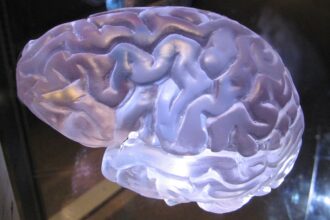
You know that peculiar sensation, a quiet hum in the background of your consciousness that suggests the world around you isn’t quite real? You might describe it as looking at your own life through a pane of thick, distorting glass, or perhaps observing a play unfold rather than living it yourself. This phenomenon, known as derealization, while often a symptom of underlying anxiety or trauma, can also be profoundly influenced by a more ubiquitous and often underestimated factor: sleep deprivation. As you delve into this topic, you will discover the intricate biochemical and neurological pathways through which a lack of restorative sleep can unravel your perception of reality, casting a surreal filter over your lived experience.
Derealization isn’t just a fleeting oddity; it’s a dissociative symptom, where you feel detached from your surroundings. It’s a disconnect, a blurring of the lines between observer and participant. When you’re experiencing derealization, the familiar can become strange, the vibrant can become dull, and the immediate can feel distant. This article will guide you through the scientific understanding of this complex relationship, offering insights into how you can potentially mitigate its effects by prioritizing the fundamental human need for sleep.
Before exploring the impact of sleep, it is crucial for you to understand what derealization entails. It’s not a hallucination; you don’t perceive things that aren’t there. Instead, you perceive existing reality as altered, dreamlike, or unreal. Imagine looking at a familiar photograph, but finding that it now seems devoid of emotional resonance, almost like a stage set you’re observing rather than a memory you cherish. This is the essence of derealization.
Defining Derealization
Derealization is characterized by a persistent or recurrent experience of detachment from, and unfamiliarity with, your surroundings. You might report that objects seem distorted, that people appear unreal or robotic, or that the world resembles a movie playing out around you. Critically, during these episodes, you maintain an intact sense of reality – you know that what you are experiencing is not “real” in the conventional sense, but rather a subjective alteration of your perception. This distinction is vital in differentiating derealization from psychotic disorders, where insight into reality is typically impaired.
Common Associated Conditions
While sleep deprivation can directly induce or exacerbate derealization, it often co-occurs with other mental health conditions. Understanding these associations provides a broader context for your own experiences.
- Anxiety Disorders: You will often find derealization is a prominent symptom in panic attacks, generalized anxiety disorder, and social anxiety disorder. The intense physiological arousal of anxiety can trigger these dissociative states as a protective mechanism.
- Trauma and PTSD: For individuals who have experienced significant trauma, derealization can serve as a psychological defense, a way for the mind to distance itself from overwhelming emotional pain. It’s a sort of mental escape hatch.
- Depression: You may also experience derealization in depressive episodes, contributing to the overall sense of emptiness and detachment from life.
- Substance Use: Certain psychoactive substances, both recreational and prescribed, can induce or intensify derealization.
Sleep deprivation can significantly impact mental health, leading to experiences of derealization, where individuals feel detached from their surroundings. For a deeper understanding of the relationship between sleep issues and derealization, you can read a related article that explores these topics in detail. This article provides insights into how lack of sleep can exacerbate feelings of unreality and offers strategies for improving sleep hygiene. To learn more, visit this article.
The Interplay of Sleep and Brain Chemistry
To grasp how sleep deprivation affects derealization, you must first understand its profound influence on your brain’s intricate chemical signaling system. Sleep is not merely a period of inactivity; it’s a dynamic state where your brain performs critical maintenance and processing tasks. Disrupt this process, and you disrupt the delicate balance that underpins your perception.
Neurotransmitter Dysregulation
Your brain relies on a vast network of neurotransmitters – chemical messengers that transmit signals between neurons. Sleep deprivation acts like an unskillful conductor disrupting a symphony, causing these neurotransmitters to go out of tune.
- Serotonin: You will find that sleep deprivation significantly impacts serotonin levels, a neurotransmitter crucial for mood regulation and emotional stability. Lowered serotonin can contribute to anxiety and depression, which in turn are strong triggers for derealization. Think of serotonin as regulating the brain’s baseline emotional hum; without enough sleep, that hum becomes discordant.
- Dopamine: While dopamine is often associated with reward and pleasure, its intricate role in attention, motivation, and reality testing means its dysregulation due to lack of sleep can also influence perceptual distortions. An overactive or underactive dopamine system, a common consequence of chronic sleep debt, can make the world seem alien or disengaging.
- GABA (Gamma-Aminobutyric Acid): This is your brain’s primary inhibitory neurotransmitter, responsible for calming neural activity. Sleep deprivation often reduces GABAergic tone, leading to increased neuronal excitability and a heightened state of alert, which can prime your system for anxiety and dissociative experiences like derealization. Imagine GABA as the brake pedal for your brain; without enough sleep, you’re constantly accelerating.
- Noradrenaline (Norepinephrine): Sleep deprivation tends to elevate noradrenaline levels, leading to increased vigilance, stress, and anxiety. This hyperaroused state can disrupt the normal processing of sensory information, making your environment feel overwhelming or unreal.
Hormonal Imbalances
Beyond neurotransmitters, sleep deprivation throws your hormonal system into disarray, further contributing to a state conducive to derealization.
- Cortisol: You’re likely familiar with cortisol as the “stress hormone.” Chronic sleep deprivation elevates cortisol levels, maintaining your body in a prolonged state of fight-or-flight. This sustained stress response makes your brain more susceptible to anxiety, panic, and, consequently, dissociative symptoms. It’s like having your internal alarm system stuck on “on.”
- Melatonin: While primarily known for regulating sleep-wake cycles, melatonin also has antioxidant and anti-inflammatory properties. Disrupted melatonin production due to irregular sleep can contribute to overall physiological stress, further taxing your system.
Cognitive Impairment and Perceptual Distortion
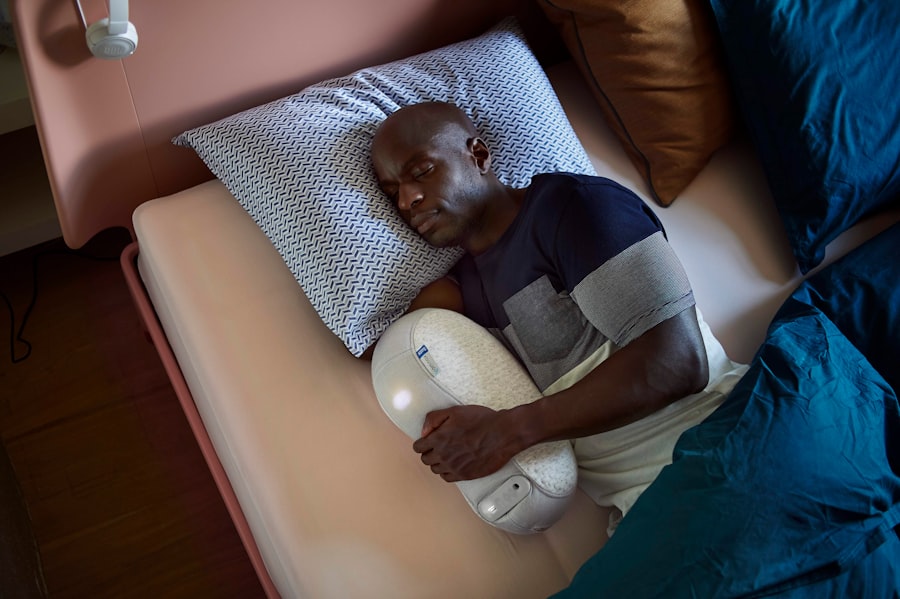
When you are sleep-deprived, your cognitive abilities suffer dramatically. This isn’t just about feeling tired; it’s about your brain’s diminished capacity to process information effectively, leading to errors in perception and judgment that can manifest as derealization.
Reduced Attentional Resources
Think of your attention as a spotlight. When you’re sleep-deprived, that spotlight becomes dimmer and more scattered. Your ability to focus on and process external stimuli accurately is compromised. This makes it harder for you to fully engage with your environment, fostering a sense of detachment. You might feel like you’re looking at the world rather than truly being in it.
Impaired Emotional Regulation
Sleep plays a crucial role in the brain’s ability to process and regulate emotions. When you don’t get enough sleep, your amygdala – the brain’s fear center – becomes hyperactive, while your prefrontal cortex – responsible for rational thought and emotional control – becomes less effective. This imbalance can lead to amplified emotional responses, increased anxiety, and a diminished capacity to cope with stress, all of which are fertile ground for derealization. It’s like your emotional thermostat is broken, leading to wild fluctuations.
Distorted Reality Testing
Your brain constantly performs “reality checks,” comparing current sensory input with stored memories and expectations. Sleep deprivation interferes with this intricate process. Your brain struggles to integrate new information seamlessly, leading to a breakdown in coherent perception. This can make familiar surroundings seem foreign or dreamlike. It’s as if your brain’s internal compass for reality loses its calibration. This disruption in the ability to construct a coherent and stable representation of the external world can be a direct contributor to derealization experiences.
The Brain Regions Involved

The impact of sleep deprivation on derealization is not a diffuse effect; it involves specific brain regions vital for perception, emotion, and self-awareness. You must understand these neural correlates to fully appreciate the physiological basis of your experience.
Prefrontal Cortex (PFC) Dysfunction
The PFC, particularly the dorsolateral prefrontal cortex, is a critical area for executive functions, including attention, working memory, and reality monitoring. It’s the brain’s conductor, overseeing and integrating various cognitive processes. Sleep deprivation significantly impairs PFC activity, leading to reduced cognitive flexibility and an inability to contextualize experiences effectively. This impairment can contribute to the difficulty in recognizing your surroundings as real or familiar when you are sleep-deprived. The PFC’s diminished capacity means it struggles to make sense of the sensory input, leading to a “disconnect” in your perception.
Amygdala Hyperactivity
As previously mentioned, the amygdala plays a central role in processing emotions, particularly fear and anxiety. Sleep deprivation leads to an exaggerated response from the amygdala to emotional stimuli, making you more prone to panic and overwhelming anxiety. This heightened emotional reactivity can trigger dissociative states, including derealization, as your mind attempts to protect itself from the perceived threat or overwhelming feeling. The amplified anxiety acts as a gateway drug to derealization.
Altered Connectivity in Default Mode Network (DMN)
The Default Mode Network (DMN) is a network of brain regions that are active when you are not focused on the outside world – during daydreaming, introspection, or self-reflection. Disruptions in DMN connectivity have been linked to dissociative symptoms. Sleep deprivation alters the functional connectivity within the DMN and between the DMN and other brain networks. You might experience an overactive DMN or an altered interaction with external sensory processing networks, leading to a sense of internal preoccupation and detachment from the external world. This can manifest as feeling inside your head, observing life from a distance.
Insular Cortex Involvement
The insular cortex is crucial for interoception – your sense of your internal bodily state – and for integrating emotional and cognitive information. It helps you form a coherent sense of self and your place in the world. Dysregulation of the insular cortex due to sleep deprivation can disrupt this integration, contributing to feelings of detachment from your physical self and your surroundings, both hallmarks of derealization. Your body and environment might feel like foreign objects.
Sleep deprivation can significantly impact mental health, leading to experiences of derealization where individuals feel detached from their surroundings. Understanding the connection between these two phenomena is crucial for effective treatment. For more insights on how sleep affects mental clarity and perception, you can read a related article on this topic at Unplugged Psych. This resource offers valuable information on the importance of sleep hygiene and its role in maintaining psychological well-being.
Strategies for Mitigating Sleep-Induced Derealization
| Metric | Description | Typical Range/Value | Impact on Derealization |
|---|---|---|---|
| Hours of Sleep Deprivation | Number of hours without sleep | 24-72 hours | Increased risk and severity of derealization episodes |
| Frequency of Derealization Episodes | Number of episodes per day/week | Varies; 1-5 episodes/day common in severe cases | Higher frequency correlates with longer sleep deprivation |
| Duration of Derealization Episodes | Length of each episode | Seconds to hours | Episodes tend to last longer with increased sleep deprivation |
| Self-Reported Anxiety Level | Subjective anxiety rating (scale 1-10) | 5-9 during episodes | Higher anxiety often exacerbates derealization symptoms |
| Cognitive Performance Decline | Reduction in attention, memory, and processing speed | 10-30% decline after 24+ hours without sleep | Impairment may worsen derealization perception |
| Heart Rate Variability (HRV) | Measure of autonomic nervous system balance | Reduced HRV during sleep deprivation | Lower HRV linked to increased stress and derealization |
Understanding the “why” is the first step; the next is empowering yourself with the “how.” If you are experiencing derealization linked to sleep deprivation, there are actionable steps you can take to reclaim your sense of reality. This is not about a magical cure, but a consistent commitment to restoring your fundamental biological needs.
Prioritizing Sleep Hygiene
This is the bedrock of recovery. You must establish a consistent sleep schedule and optimize your sleep environment.
- Consistent Sleep Schedule: Go to bed and wake up at the same time every day, even on weekends. This regular rhythm helps regulate your circadian clock, the body’s natural sleep-wake cycle. Think of it as retraining your internal clock mechanism.
- Optimal Sleep Environment: Ensure your bedroom is dark, quiet, and cool. Eliminate all sources of light, including electronic devices. Your room should be a sanctuary, devoid of distractions that hinder sleep.
- Avoid Stimulants: Limit caffeine and nicotine, especially later in the day. These substances can interfere with your sleep architecture, preventing you from reaching deeper, restorative sleep stages.
- Limit Alcohol: While alcohol might initially induce sleepiness, it disrupts sleep quality, fragmenting your sleep cycles and preventing adequate REM and deep sleep.
- Regular Exercise: Engage in physical activity during the day, but avoid intense workouts close to bedtime.
- Pre-Sleep Routine: Develop a relaxing ritual before bed, such as reading, taking a warm bath, or practicing gentle stretching. This signals to your body that it’s time to wind down.
Managing Stress and Anxiety
Given the strong link between stress, anxiety, and derealization, addressing these factors is crucial.
- Mindfulness and Meditation: Practicing mindfulness can help you stay grounded in the present moment, reducing the tendency to dissociate. Meditation techniques can lower stress hormones and promote relaxation.
- CBT (Cognitive Behavioral Therapy): If anxiety or underlying mental health issues are significant contributors, therapy can provide you with coping mechanisms and strategies to reframe negative thought patterns that exacerbate derealization. Specifically, CBT for insomnia (CBT-I) can directly address sleep problems.
- Journaling: Writing down your thoughts and feelings can provide an outlet for stress and help you process emotions, reducing their overwhelming impact.
Grounding Techniques
When derealization strikes, these techniques can help you reconnect with your immediate environment and diminish the sense of unreality.
- Five Senses Exercise: Actively engage your five senses. Name five things you can see, four things you can touch, three things you can hear, two things you can smell, and one thing you can taste. This anchors you to the present.
- Physical Sensations: Focus on your breath, the feeling of your feet on the floor, or the texture of an object in your hand. This internal focus can counteract the external detachment.
- Cold Water Splash: Splashing cold water on your face or holding an ice pack can provide a jolt to your system, helping to break the dissociative state.
In conclusion, you now possess a deeper understanding of how the invisible hand of sleep deprivation can distort your perception of reality, coloring your world with the hues of derealization. It’s a complex interplay of neurotransmitter imbalances, hormonal dysregulation, and impaired activity in crucial brain regions. By acknowledging this profound connection and taking deliberate steps to restore your sleep, you are not just fostering a more rested mind; you are actively working to re-anchor yourself to the solid ground of reality, dismantling the surreal filter that too often accompanies a lack of restorative sleep. Your perception of the world is a precious commodity; protect it by prioritizing your sleep.
FAQs
What is derealization and how is it related to sleep deprivation?
Derealization is a dissociative symptom where a person feels detached from their surroundings, as if the world is unreal or dreamlike. Sleep deprivation can trigger or worsen derealization because lack of sleep affects brain function, leading to altered perception and cognitive disturbances.
How does sleep deprivation cause derealization?
Sleep deprivation disrupts normal brain activity, particularly in areas responsible for processing sensory information and emotional regulation. This disruption can cause feelings of unreality or detachment, characteristic of derealization episodes.
What are common symptoms of derealization caused by sleep deprivation?
Symptoms include a sense of the environment being foggy, dreamlike, or visually distorted, emotional numbness, difficulty concentrating, and feeling disconnected from reality. These symptoms often intensify with prolonged lack of sleep.
Can derealization from sleep deprivation be treated or reversed?
Yes, derealization caused by sleep deprivation is usually temporary and improves with adequate rest and sleep. Addressing sleep hygiene, reducing stress, and ensuring consistent sleep schedules can help reverse symptoms.
When should someone seek medical help for derealization related to sleep deprivation?
If derealization symptoms persist despite getting enough sleep, worsen over time, or are accompanied by other mental health issues such as anxiety or depression, it is important to seek professional medical advice for proper diagnosis and treatment.