
Emotional suppression is a complex psychological phenomenon that involves consciously or unconsciously inhibiting the expression of feelings. You may find yourself doing this as a way to cope with overwhelming emotions or to maintain a facade of control in various situations. This behavior often stems from societal expectations, cultural norms, or personal experiences that teach you to prioritize rationality over emotional expression.
You might have been conditioned to believe that showing vulnerability is a sign of weakness, leading you to bottle up your feelings instead of addressing them openly. As you navigate through life, emotional suppression can manifest in various ways. You may notice that you avoid discussing your feelings, dismiss your emotional responses, or even feel uncomfortable when others express their emotions.
This avoidance can create a disconnect between your internal experiences and external expressions, making it challenging to engage authentically with yourself and others. Understanding the roots and implications of emotional suppression is crucial for fostering healthier relationships and improving your overall emotional well-being.
Key Takeaways
- Emotional suppression hinders open communication and reduces trust between partners.
- Suppressing emotions negatively impacts intimacy and complicates conflict resolution.
- Emotional suppression is linked to mental health challenges and increased resentment.
- Physical health can be adversely affected by prolonged emotional suppression.
- Overcoming emotional suppression involves seeking support and fostering a healthy emotional environment.
The Effects of Emotional Suppression on Communication
When you suppress your emotions, it can significantly hinder your ability to communicate effectively. You might find that your conversations lack depth or authenticity, as you struggle to articulate your true feelings. This can lead to misunderstandings and misinterpretations, as others may not grasp the underlying emotions driving your words.
You may often resort to vague language or generalizations, which can leave your conversation partners feeling confused or disconnected from you. Moreover, emotional suppression can create a barrier to open dialogue. You might feel hesitant to share your thoughts or feelings for fear of judgment or rejection.
This reluctance can stifle meaningful conversations and prevent you from forming deeper connections with others. As a result, you may find yourself in relationships characterized by superficial interactions rather than genuine understanding and empathy. Recognizing how emotional suppression affects your communication style is the first step toward fostering more open and honest exchanges with those around you.
The Impact of Emotional Suppression on Trust
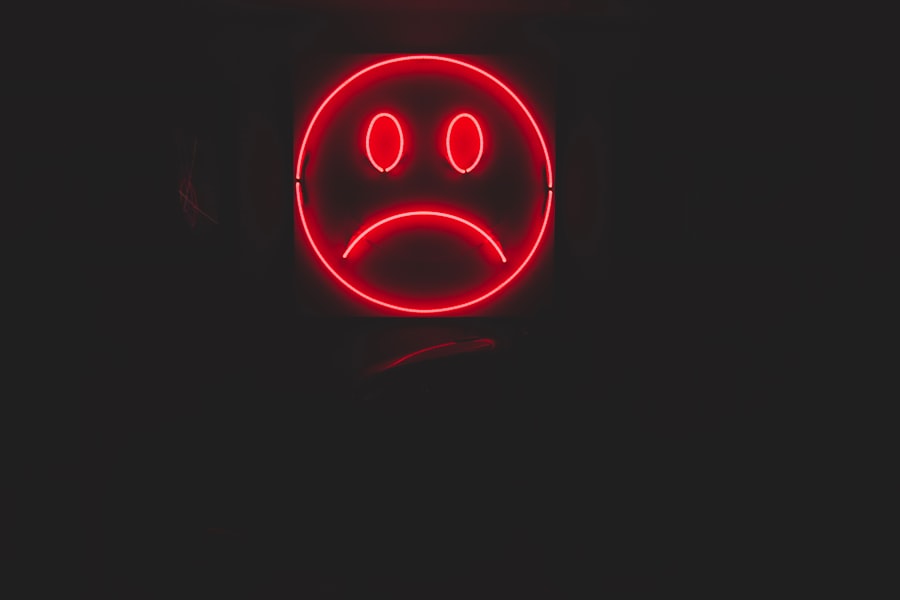
Trust is a fundamental component of any healthy relationship, and emotional suppression can erode this vital element over time. When you withhold your emotions, it can create an atmosphere of uncertainty and suspicion. Your loved ones may sense that something is amiss, leading them to question your honesty and reliability.
You might inadvertently send mixed signals, causing others to feel insecure about their place in your life or the authenticity of your feelings toward them. Additionally, when you suppress your emotions, you may struggle to trust others with your vulnerabilities. You might fear that revealing your true feelings will lead to rejection or judgment, causing you to keep people at arm’s length.
This self-imposed distance can prevent the development of deep trust in your relationships, leaving both you and those around you feeling isolated. Building trust requires vulnerability and openness, and overcoming emotional suppression is essential for creating a foundation of mutual respect and understanding.
Emotional Suppression and Intimacy
| Metric | Description | Impact on Intimacy | Measurement Method |
|---|---|---|---|
| Frequency of Emotional Suppression | How often an individual suppresses their emotions in daily interactions | Higher frequency often correlates with lower intimacy levels | Self-report questionnaires (e.g., Emotion Regulation Questionnaire) |
| Emotional Expressiveness | Degree to which a person openly shares feelings | Greater expressiveness is linked to higher intimacy and relationship satisfaction | Behavioral observation and partner reports |
| Perceived Partner Responsiveness | How responsive one perceives their partner to be to emotional disclosures | Higher perceived responsiveness enhances intimacy | Surveys and interviews |
| Emotional Suppression and Relationship Satisfaction | Correlation between suppression levels and satisfaction in relationships | Negative correlation; more suppression often means less satisfaction | Correlational studies using standardized scales |
| Physiological Stress Indicators | Biological markers (e.g., cortisol levels) linked to emotional suppression | Increased stress can reduce emotional availability and intimacy | Biological sampling and lab analysis |
Intimacy thrives on emotional connection, and emotional suppression can act as a significant barrier to achieving this closeness. When you suppress your feelings, it becomes challenging to share your innermost thoughts and desires with your partner or loved ones. You may find yourself holding back from expressing affection or discussing important issues, which can lead to feelings of disconnection and loneliness within the relationship.
Furthermore, emotional suppression can create an imbalance in intimacy levels between partners. If one person is open and expressive while the other remains closed off, it can lead to frustration and resentment. You might feel that your partner is not fully present or engaged in the relationship, while they may perceive your emotional distance as a lack of interest or commitment.
To foster true intimacy, it is essential to confront and address emotional suppression, allowing for a more profound connection built on trust and vulnerability.
How Emotional Suppression Affects Conflict Resolution
Conflict is an inevitable part of any relationship, but emotional suppression can complicate the resolution process significantly. When you suppress your emotions during conflicts, you may avoid addressing the root causes of disagreements. Instead of expressing how you truly feel about a situation, you might resort to passive-aggressive behavior or silent treatment, which only exacerbates tensions.
Moreover, when emotions are suppressed, it becomes difficult to engage in constructive dialogue during conflicts. You may find yourself reacting defensively rather than listening actively to the other person’s perspective. This inability to communicate openly can lead to unresolved issues that fester over time, creating a cycle of resentment and frustration.
To effectively resolve conflicts, it is crucial to confront emotional suppression and embrace open communication that allows both parties to express their feelings honestly.
The Role of Emotional Suppression in Mental Health
Emotional suppression can have profound implications for your mental health.
You may find yourself feeling overwhelmed by unexpressed emotions that manifest as physical symptoms or mental fatigue.
The longer you suppress these feelings, the more challenging it becomes to manage them effectively. Additionally, emotional suppression can contribute to a sense of isolation and loneliness. You might feel disconnected from others due to your reluctance to share your true self, leading to a cycle of negative thoughts and feelings about yourself.
Recognizing the impact of emotional suppression on your mental health is essential for taking proactive steps toward healing and self-acceptance. By allowing yourself to express emotions authentically, you can cultivate a healthier mindset and improve your overall well-being.
The Connection Between Emotional Suppression and Resentment
Resentment often arises from unexpressed emotions that have been bottled up over time. When you suppress your feelings in response to perceived injustices or disappointments, it can create a breeding ground for resentment to flourish. You may find yourself harboring negative feelings toward others without fully understanding why, leading to strained relationships and internal conflict.
As resentment builds, it can manifest in various ways—through passive-aggressive behavior, withdrawal from relationships, or even explosive outbursts when emotions finally surface. This cycle can be damaging not only to your relationships but also to your own emotional health. To break free from this cycle of resentment, it is crucial to confront emotional suppression head-on and learn how to express your feelings constructively.
By doing so, you can foster healthier relationships built on open communication and mutual understanding.
The Influence of Emotional Suppression on Physical Health
The effects of emotional suppression extend beyond mental health; they can also impact your physical well-being. Research has shown that chronic emotional suppression can lead to various health issues, including cardiovascular problems, weakened immune function, and gastrointestinal disorders. When you suppress emotions like stress or anger, your body may respond with physical symptoms such as headaches, fatigue, or muscle tension.
Moreover, the stress associated with emotional suppression can contribute to unhealthy coping mechanisms such as overeating, substance abuse, or neglecting self-care practices. You might find yourself caught in a cycle where suppressed emotions lead to physical discomfort, which in turn exacerbates emotional distress. Recognizing the connection between emotional suppression and physical health is vital for taking proactive steps toward holistic well-being—both mentally and physically.
Overcoming Emotional Suppression in Relationships
Overcoming emotional suppression requires intentional effort and self-awareness. The first step is acknowledging that you have been suppressing your emotions and understanding the reasons behind this behavior. You might reflect on past experiences or societal influences that have shaped your views on emotional expression.
By recognizing these patterns, you can begin to challenge them and create space for more authentic interactions. Once you’ve identified the roots of your emotional suppression, consider practicing vulnerability in safe environments. Start by sharing small feelings or thoughts with trusted friends or family members who will respond with empathy and understanding.
As you become more comfortable expressing yourself, gradually work toward sharing deeper emotions with those closest to you. This process may feel uncomfortable at first, but embracing vulnerability is essential for building stronger connections and fostering healthier relationships.
Seeking Support for Emotional Suppression
If you’re struggling with emotional suppression, seeking support from a mental health professional can be incredibly beneficial. A therapist can help you explore the underlying causes of your emotional avoidance and provide tools for expressing yourself more openly. They may introduce techniques such as mindfulness or cognitive-behavioral therapy (CBT) that encourage self-reflection and emotional awareness.
Additionally, support groups or workshops focused on emotional expression can provide valuable opportunities for connection with others who share similar struggles. Engaging in these spaces allows you to practice vulnerability in a supportive environment while learning from others’ experiences. Remember that seeking help is not a sign of weakness; rather, it demonstrates strength and a commitment to personal growth.
Creating a Healthy Emotional Environment in Relationships
To foster healthier relationships free from emotional suppression, it’s essential to create an environment where open communication is encouraged and valued. You might start by setting aside regular time for meaningful conversations with loved ones—whether through weekly check-ins or dedicated date nights focused on sharing feelings and experiences. Additionally, practice active listening when others express their emotions.
Show empathy by validating their feelings without judgment or interruption; this creates a safe space for both parties to share openly without fear of criticism. By modeling healthy emotional expression yourself, you encourage those around you to do the same—ultimately cultivating deeper connections built on trust and understanding. In conclusion, overcoming emotional suppression is vital for nurturing healthy relationships and enhancing overall well-being.
By recognizing its effects on communication, trust, intimacy, conflict resolution, mental health, resentment, physical health, and more, you empower yourself to embrace vulnerability and foster authentic connections with others. Remember that this journey takes time; be patient with yourself as you navigate the complexities of emotional expression in relationships.
Emotional suppression can significantly impact relationships, often leading to misunderstandings and unresolved conflicts. For a deeper understanding of how emotional suppression affects interpersonal dynamics, you can read the insightful article on this topic at Unplugged Psych. This resource provides valuable information on recognizing and addressing emotional suppression in relationships, helping individuals foster healthier connections.
WATCH THIS! Why ‘Good Vibes Only’ Is Destroying Your Brain (The Dark Truth About Toxic Positivity)
FAQs
What is emotional suppression in relationships?
Emotional suppression refers to the conscious or unconscious act of inhibiting the expression of feelings and emotions. In relationships, it means holding back emotions instead of openly sharing them with a partner.
How does emotional suppression affect relationships?
Emotional suppression can lead to misunderstandings, decreased intimacy, and unresolved conflicts. It often causes partners to feel disconnected, unappreciated, or emotionally distant, which can harm the relationship’s overall health.
Why do people suppress emotions in relationships?
People may suppress emotions due to fear of conflict, vulnerability, rejection, or past negative experiences. Cultural norms and personal upbringing can also influence the tendency to hide feelings rather than express them openly.
Can emotional suppression cause mental health issues?
Yes, consistently suppressing emotions can contribute to increased stress, anxiety, depression, and other mental health problems. It can also reduce emotional resilience and coping abilities.
How can couples address emotional suppression?
Couples can work on improving communication by creating a safe space for sharing feelings, practicing active listening, and encouraging emotional honesty. Seeking therapy or counseling can also help partners understand and manage emotional suppression.
Is emotional suppression the same as emotional regulation?
No, emotional regulation involves managing and responding to emotions in a healthy way, while emotional suppression specifically refers to avoiding or hiding emotions altogether, which can be harmful over time.
Can emotional suppression be changed or unlearned?
Yes, with awareness, effort, and sometimes professional support, individuals can learn to express emotions more openly and develop healthier emotional habits within their relationships.