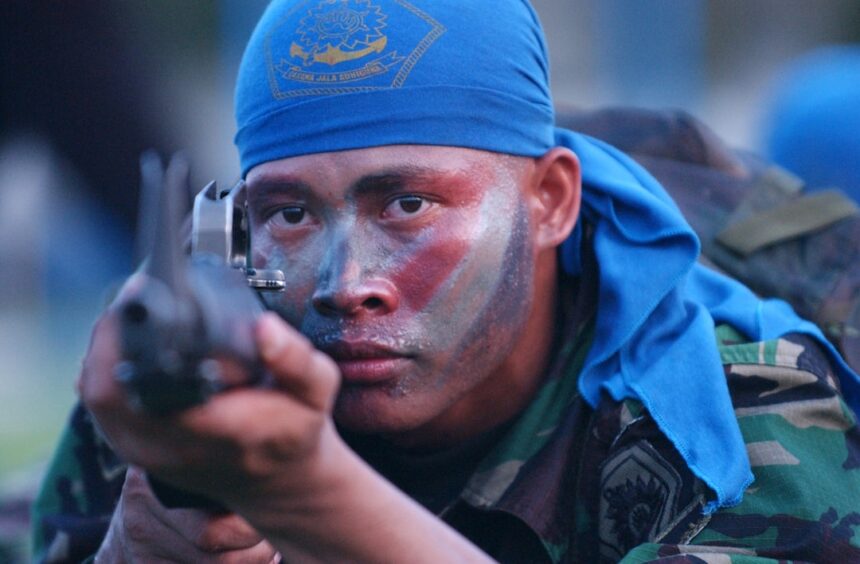
You might envision peacekeeping as a noble, abstract endeavor, a diplomatic ballet of negotiations and resolutions. In reality, however, you’re looking at a deeply human undertaking, one that leaves an indelible mark on the bodies and minds of those who serve. The physical cost of peacekeeping isn’t an incidental byproduct; it’s a fundamental aspect, a heavy toll extracted in remote outposts and volatile zones. You, as a citizen, supporter, or even a prospective peacekeeper, need to understand the brutal physicality involved. This isn’t merely about wearing a uniform; it’s about enduring, adapting, and often, suffering.
You’re placed not in a climate-controlled office, but in the thick of it. The environments chosen for peacekeeping operations are rarely idyllic. They are often the world’s most challenging locales, places where nature itself acts as an antagonist.
Heat and Humidity: A Constant Opponent
Imagine yourself in a desert region, such as protracted deployments in parts of Africa or the Middle East. The sun beats down with relentless ferocity. You’re wearing heavy body armor, carrying a weapon, and navigating often sandy, uneven terrain. Heatstroke is not a distant threat; it’s an ever-present danger. Dehydration becomes a daily battle, exacerbated by strenuous activity and the limited availability of potable water. You might feel your energy drain, your focus waver, and your body struggle to regulate its core temperature. In humid environments, like dense jungle regions of Southeast Asia or parts of the Amazon, the stifling air clings to you, making every breath feel heavy. Heat rash, fungal infections, and other skin ailments become common companions, further compounding your discomfort and posing potential health risks. This isn’t a summer camp; it’s an endurance test.
Cold and High Altitude: A Different Kind of Brutality
Now, shift your mental landscape to mountainous regions or temperate zones during winter deployments. The biting cold penetrates your gear, chilling you to the bone. Frostbite and hypothermia become acute concerns, particularly during night patrols or extended stationary duties. Your dexterity diminishes, crucial for weapon handling or operating sensitive equipment. In high-altitude areas, such as the UN Disengagement Observer Force (UNDOF) in the Golan Heights, you face reduced oxygen levels. This isn’t just about feeling a little winded; it can lead to acute mountain sickness, characterized by headaches, nausea, and shortness of breath, impairing your judgment and physical capabilities at critical moments. Your body, already under stress from the mental demands of the mission, now faces an additional layer of physiological strain.
Disease and Unsanitary Conditions: An Invisible Enemy
You’re not just fighting human adversaries; you’re battling microorganisms. Many peacekeeping missions unfold in regions where infectious diseases are endemic and public health infrastructure is rudimentary or non-existent.
Vector-Borne Illnesses: Mosquitoes, Ticks, and Beyond
Malaria, dengue fever, yellow fever, and other vector-borne diseases are pervasive threats. You’re often operating in areas where mosquito nets, insect repellent, and prophylactic medications are your primary defenses. A single lapse can lead to debilitating illness, compromising not only your own health but also the operational readiness of your unit. Imagine the vigilance required to constantly protect yourself, even after a long, exhausting patrol. Tick-borne diseases, such as Lyme disease, can also be a concern, requiring meticulous checks after traversing vegetated areas.
Waterborne and Foodborne Diseases: A Constant Vigilance
You’re constantly vigilant about what you consume. Contaminated water and food are common sources of gastrointestinal illnesses, ranging from mild diarrhea to severe dysentery. These conditions not only cause significant discomfort and dehydration but can also severely impair your ability to perform your duties. Access to safe drinking water and properly prepared food is often a luxury, demanding meticulous adherence to hygiene protocols and reliance on purified supplies. The seemingly simple act of eating or drinking becomes a calculated risk assessment.
The physical cost of keeping the peace is a significant topic that has been explored in various contexts, including the psychological impacts on individuals and communities. A related article that delves deeper into this subject is available on Unplugged Psych, which discusses the mental and emotional toll of maintaining harmony in high-stress environments. For more insights, you can read the article here: Unplugged Psych.
The Perils of Combat and Direct Threats
While the overarching goal is peace, the reality often involves direct exposure to conflict and its immediate physical consequences. You are not a distant observer; you are often in the line of fire.
Explosive Devices: Improvised and Conventional
The threat from explosive devices, particularly improvised explosive devices (IEDs), is a tragically common feature of modern peacekeeping. You are constantly on edge, scanning your surroundings for subtle anomalies. The consequences of such an encounter are devastating: blast injuries, traumatic amputations, internal hemorrhages, and severe burns. Even if you survive, the long-term physical and psychological impact is profound. Landmines, relics of past conflicts, also pose a persistent threat, demanding extreme caution and specialized training in detection and avoidance. Your steps are not simply forward; they are deliberate, carefully placed acts of survival.
Small Arms Fire and Direct Engagements: The Immediate Danger
Despite mandates for neutrality, peacekeepers frequently come under attack. Engaging in direct firefights, often in complex and asymmetric environments, carries an inherent risk of being wounded or killed. Bullets, shrapnel, and other projectiles can inflict a wide range of injuries, from superficial wounds to life-threatening trauma. The immediate aftermath of such an engagement involves rapid response medical treatment, often under austere conditions, and the urgent evacuation of casualties. This is not a simulated exercise; it’s a life-or-death situation where your physical resilience, training, and the quick actions of your comrades determine your fate.
Physical Assaults and Non-Lethal Attacks: Beyond the Battlefield
You might also face non-lethal physical assaults, such as mob violence, rioting, or targeted attacks with blunt instruments. These incidents, while not always fatal, can result in concussions, fractures, soft tissue injuries, and lasting pain. The sheer physical exertion required to maintain control in chaotic situations, often while wearing heavy gear, also takes a toll on your body, straining muscles and joints. The line between peacekeeping and active combat blurs when you are physically threatened by those you are meant to protect or deter.
The Cumulative Strain: Wear and Tear on the Body
Beyond immediate threats, the cumulative effect of constant physical demands and environmental stressors grinds away at your body. This isn’t a sprint; it’s a marathon of physical endurance.
Musculoskeletal Injuries: The Price of Heavy Loads and Repetitive Strain
You’re carrying a significant load: weapons, ammunition, body armor, communications equipment, first-aid kits, and more. This weight, often exceeding 30-40 kilograms, is borne for extended periods, across uneven terrain, and in challenging climates. The result? A high incidence of musculoskeletal injuries. Back pain, knee problems, shoulder strains, and ankle sprains become common complaints. Repetitive tasks, such as patrolling, digging, or standing for long hours, exacerbate these issues, leading to chronic pain and conditions like arthritis. Your body, a finely tuned machine, is subjected to stresses it was not designed for over such prolonged durations.
Sleep Deprivation and Fatigue: A Constant Battle
You’re operating on limited, often interrupted, sleep. Security patrols, watch duties, rapid response calls, and the general ambient noise of a deployed environment conspire to prevent restful sleep. Cumulative sleep deprivation leads to impaired cognitive function, reduced physical performance, increased susceptibility to illness, and a heightened risk of accidents. Imagine trying to make critical decisions or maintain peak physical readiness when your body is screaming for rest. This isn’t an occasional all-nighter; it’s a chronic state of physical and mental exhaustion.
Exposure to Toxins and Environmental Hazards: Unseen Dangers
You might be unknowingly exposed to a range of environmental toxins. This includes exhaust fumes from vehicles and generators, particulate matter from ubiquitous dust and traditional cooking fires, and potentially harmful chemicals from damaged infrastructure or industrial sites. Long-term exposure to these agents can contribute to respiratory problems, dermatological issues, and other chronic health conditions, sometimes manifesting years after your deployment. The air you breathe, the ground you walk on—they hold hidden risks.
Post-Deployment Health Challenges
The physical cost doesn’t end when you return home. In many ways, that’s when the full extent of the damage begins to manifest. You carry your mission, quite literally, within your body.
Chronic Pain and Mobility Issues: Lingering Reminders
Many peacekeepers return with chronic pain conditions, often stemming from the musculoskeletal injuries sustained during their deployment. Back pain, nerve damage, joint degeneration, and persistent muscular discomfort can significantly impact their quality of life, limiting their ability to work, engage in recreational activities, and even perform daily tasks. Rehabilitation efforts are often extensive and prolonged, and in some cases, the pain becomes a lifelong companion, a constant physical reminder of your service.
Increased Risk of Non-Communicable Diseases: Hidden Scars
The physical stressors of peacekeeping can contribute to an increased risk of developing certain non-communicable diseases. The chronic stress, irregular sleep patterns, and often suboptimal nutrition experienced during deployment can be risk factors for cardiovascular disease, diabetes, and certain autoimmune conditions. While not always directly attributable to a single event, the overall burden placed on the body can accelerate or exacerbate these health problems later in life. You’ve pushed your body to its limits, and sometimes, those limits push back.
Amputations and Severe Traumatic Injuries: Life-Altering Consequences
For those who suffer severe traumatic injuries from explosive devices or direct combat, the physical cost is profound and life-altering. Amputations, severe burns, extensive internal injuries, and traumatic brain injuries require immediate, intensive medical care, followed by years of rehabilitation, prosthetic fittings, and adaptations to a new way of living. The physical adjustments are immense, demanding incredible resilience and often extensive support systems. You emerge from the crucible of conflict, but with a body irrevocably transformed.
The physical cost of keeping the peace is a complex issue that often goes unnoticed in discussions about conflict resolution and societal stability. Many individuals and organizations strive to maintain harmony, yet the toll it takes on mental and physical health can be significant. For a deeper understanding of the implications of peacekeeping efforts, you may find it insightful to read a related article that explores the various dimensions of this topic. You can access it [here](https://www.unpluggedpsych.com/sample-page/).
The Indirect Physical Toll: Stress and Mental Health Linkages
| Metric | Description | Typical Values | Units |
|---|---|---|---|
| Physical Injuries | Number of injuries sustained by peacekeepers during missions | 5-20 | Injuries per 100 personnel per year |
| Fatigue Levels | Average reported fatigue due to long hours and stressful conditions | 7-9 | Scale 1-10 |
| Exposure to Hazardous Environments | Percentage of time spent in high-risk zones (e.g., conflict areas, extreme weather) | 30-60 | Percent of deployment time |
| Physical Fitness Decline | Average decrease in physical fitness levels during deployment | 5-15 | Percent reduction |
| Sleep Deprivation | Average hours of sleep lost per week due to operational demands | 5-10 | Hours per week |
| Heat Stress Incidents | Number of reported heat-related illnesses during deployment | 1-3 | Incidents per 100 personnel per year |
| Musculoskeletal Disorders | Incidence of chronic pain or injury related to physical strain | 10-25 | Cases per 100 personnel per year |
You cannot separate the physical from the psychological. The enormous mental burden of peacekeeping often manifests in physical ways, creating a vicious cycle of debilitation.
Stress-Related Physical Ailments: The Body Keeps the Score
Chronic stress, a pervasive element of peacekeeping, can directly impact your physical health. Conditions such as high blood pressure, stomach ulcers, irritable bowel syndrome, and headaches are frequently reported among peacekeepers, often exacerbated by the constant state of vigilance and the emotional demands of the mission. Your body, under chronic duress, begins to respond with physiological symptoms that are as real and debilitating as any external injury.
Substance Abuse and Self-Medication: A Dangerous Coping Mechanism
The physical and psychological pain experienced during and after deployment can lead some peacekeepers to self-medicate with alcohol, drugs, or tobacco. While offering temporary relief, this path inevitably leads to further physical health problems, including liver damage, respiratory illnesses, and addiction, compounding the existing burden on your body and hindering your recovery. This is a desperate attempt to quiet the physical and mental torment, often with devastating long-term consequences.
Delayed Medical Attention and Access Barriers: The Post-Mission Struggle
Even if you recognize the need for medical care, access can be challenging. In some national systems, peacekeepers face delays in diagnosis and treatment, or an uphill battle to link their health issues directly to their service. The invisible wounds, in particular, may not be immediately apparent or easily understood by civilian healthcare providers unfamiliar with the unique stressors of peacekeeping operations. You’ve returned home, but the fight for adequate care can sometimes feel like another mission.
In conclusion, when you contemplate peacekeeping, you must move beyond the headlines and diplomatic communiqués. You must acknowledge the visceral, tangible price paid by the individuals who embody these missions. The physical cost is staggering, multi-faceted, and often enduring, shaping not just the duration of their deployment but the trajectory of their lives. It’s a continuous narrative of endurance, injury, recovery, and sometimes, lifelong disability. Understanding this reality is not just about empathy; it’s about advocating for better support, more comprehensive care, and a deeper appreciation for the profound sacrifices made in the pursuit of global stability. You must see the peacekeeper not as an abstract symbol, but as a person, profoundly marked by their physical journey into the heart of conflict.

WATCH NOW ▶️ EMPATHY ISN’T LOVE | Why Your Kindness Is Actually Control
FAQs
What does “the physical cost of keeping the peace” refer to?
The physical cost of keeping the peace refers to the bodily injuries, health issues, and physical strain experienced by individuals, such as law enforcement officers or peacekeepers, while maintaining public order and safety.
Who typically bears the physical cost in peacekeeping efforts?
Law enforcement officers, military personnel, and peacekeepers are the primary individuals who bear the physical cost, as they often face physical confrontations, hazardous environments, and prolonged stress during peacekeeping operations.
What are common physical injuries associated with peacekeeping duties?
Common physical injuries include bruises, fractures, sprains, exposure to harmful substances, and long-term musculoskeletal problems resulting from physical altercations, accidents, or demanding physical activity.
How does the physical cost impact the effectiveness of peacekeeping forces?
Physical injuries and fatigue can reduce the operational capacity, response time, and overall effectiveness of peacekeeping forces, potentially compromising their ability to maintain order and protect communities.
Are there measures in place to reduce the physical cost of keeping the peace?
Yes, measures include providing proper protective gear, training in conflict de-escalation techniques, ensuring adequate rest periods, and offering medical support to minimize injuries and promote recovery among peacekeepers.