
The Empathy Drain: Why It’s Exhausting
You feel it, don’t you? That subtle but persistent weariness that settles in after a long day, or even just an intense conversation. It’s not the physical exhaustion of a marathon, but a different kind of fatigue, one that gnaws at your mental and emotional reserves. You’ve just navigated a complex social landscape, absorbing the emotions and perspectives of others, and now your own battery is running low. This is the empathy drain, and it’s a pervasive, often underestimated, source of exhaustion.
The Nature of Empathy: More Than Just Feeling
Empathy is your mind’s ability to step into another person’s shoes, to understand and share their feelings. It’s not about agreeing with them or condoning their actions, but about grasping their internal experience. Imagine empathy as a delicate, intricate tapestry. Each thread represents a feeling, a thought, a memory, or a perspective. When you engage empathetically, you are not merely observing the tapestry; you are, in a sense, weaving yourself into it, allowing its textures and colors to resonate within you. This process, while fundamental to human connection, demands considerable cognitive and emotional bandwidth.
The Cognitive Load of Understanding
At its core, empathy involves complex cognitive processes. You are actively listening, not just to the words spoken, but to the subtle cues in tone, body language, and facial expressions. You are attempting to construct a mental model of the other person’s situation, considering their past experiences, their current stressors, and their potential future implications. This requires a significant investment of attention, working memory, and processing power. It’s like being a detective, piecing together clues from a vast array of data points, all in real-time. The more complex the situation or the more nuanced the emotions involved, the heavier this cognitive load becomes. You are, in essence, running multiple simulations within your own mind to grasp another’s reality.
The Emotional Resonance: Feeling With Them
Beyond just understanding, empathy involves emotional resonance. This is the capacity to feel with another person, to experience a vicarious emotional response. When you witness someone’s pain, you might feel a pang of sadness. When you see someone’s joy, a sense of warmth may spread through you. This mirroring of emotions, while crucial for building rapport and fostering connection, can be highly taxing. It’s as if you are a finely tuned instrument, vibrating in sympathy with the emotions of the person across from you. This resonance, while beautiful, can leave your own emotional state feeling amplified and sometimes overwhelmed.
Situational Triggers: When the Drain Intensifies
Certain environments and interactions are notorious for amplifying the empathy drain. These are the places and moments where your empathetic capacities are put under immense pressure, depleting your reserves more rapidly. Recognizing these triggers is the first step in managing your energy.
High-Stakes Environments: Where Stakes Are Elevated
Environments where significant consequences are at play naturally heighten emotional intensity. Think of a hospital waiting room, a courtroom, or a business negotiation. In these settings, the emotional stakes for everyone involved are elevated. You might be privy to profound fear, desperation, or intense conflict. Your natural inclination to understand and feel with those experiencing these heightened emotions means you are absorbing a concentrated dose of distress. It’s like standing next to a powerful emotional bonfire – you can feel its heat even from a distance.
Prolonged Exposure to Negative Emotions: The Cumulative Effect
Sustained exposure to negative emotions, whether from individuals or from a constant stream of negative news, acts like a slow but steady drip that erodes your resilience. Working with individuals who are enduring chronic pain, grief, or trauma, for example, requires a deep and consistent well of empathy. While noble and necessary, this prolonged emotional engagement can lead to burnout. It’s akin to living in a perpetually overcast climate; the lack of sunshine eventually begins to affect your disposition and energy levels. The constant exposure can cloud your own emotional landscape.
The Burden of Unsolicited Problems: When Responsibility Feels Heavy
Sometimes, simply being a good listener can become a burden. When people consistently confide in you about their problems, even if you are not asked to solve them, you are still internalizing their distress. You are carrying the weight of their worries, even if only temporarily. This is the feeling of being a human receptacle for other people’s troubles. It’s like being a sponge, absorbing spills from every direction, and eventually becoming saturated and heavy. This constant intake without a proportional outlet for your own emotional needs can be profoundly draining.
The Internal Mechanisms of the Drain: How It Happens Within You
The empathy drain isn’t just an external phenomenon; it’s a product of how your brain and body process emotional information. Understanding these internal mechanisms can illuminate why you feel so depleted.
Activation of Mirror Neurons: The Biological Basis
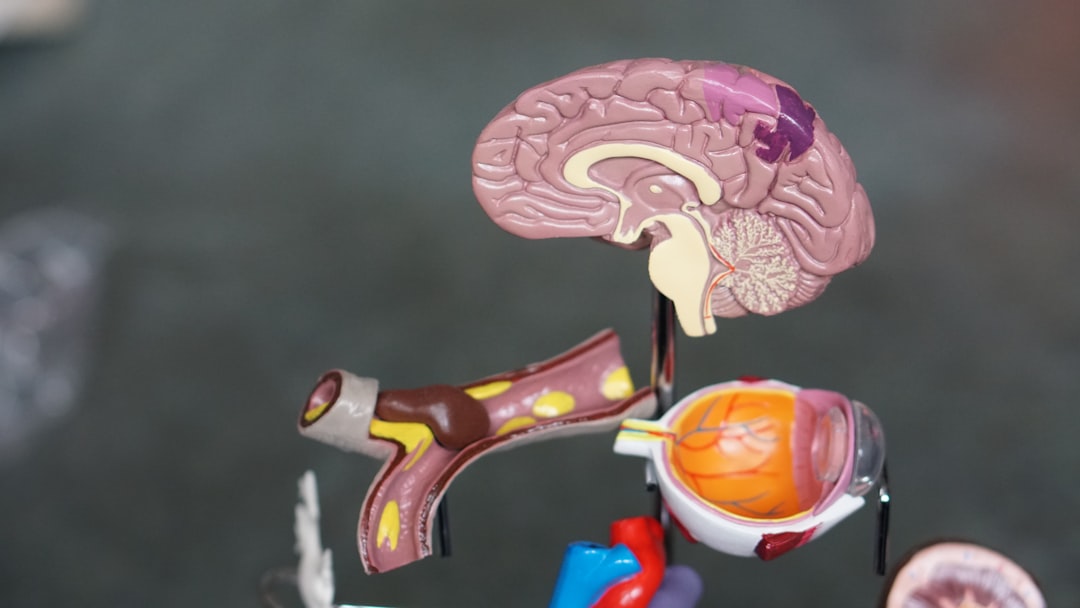
At the heart of empathy lies the activation of mirror neurons. These specialized brain cells fire both when you perform an action and when you observe someone else performing the same action. They are also implicated in understanding and mirroring emotions. When you witness someone expressing sadness, your mirror neurons fire, allowing you to simulate that sadness within yourself. While this is a powerful tool for social understanding, it means your brain is actively engaging with another’s emotional state, consuming energy in the process. It’s like your brain is wearing a vicarious costume, feeling the effects of another’s experiences.
Emotional Contagion: The Unconscious Spread
Emotional contagion is the phenomenon where emotions are transferred from one person to another, often unconsciously. If someone is anxious, you might find yourself feeling a growing sense of unease, even without fully understanding why. This spread of emotion is a fundamental aspect of social interaction, but it means you are susceptible to absorbing the emotional states of those around you. It’s like catching a cold, but instead of a virus, it’s an emotion that spreads. This unconscious absorption can leave you feeling inexplicably fatigued or agitated.
Cognitive Dissonance and Stress Response: The Internal Conflict
Navigating differing perspectives can sometimes lead to cognitive dissonance, a state of mental discomfort experienced when holding two or more contradictory beliefs, ideas, or values. Empathy can sometimes force you to confront perspectives that clash with your own, creating internal conflict. This dissonance, coupled with the stress response triggered by prolonged emotional engagement, can further deplete your energy reserves. Your body’s alarm bells are ringing, even if the threat is emotional rather than physical. This constant internal alert system requires energy to maintain.
The Consequences of the Empathy Drain: What You Might Experience
The persistent exhaustion from the empathy drain can manifest in various ways, impacting your well-being and your ability to function effectively. It’s not just a feeling of being tired; it’s a deeper, more pervasive depletion.
Burnout and Emotional Exhaustion: The Ultimate Depletion
The most significant consequence of a constant empathy drain is burnout, a state of physical, emotional, and mental exhaustion caused by prolonged or excessive stress. When your empathetic reserves are consistently depleted, you can lose your capacity to feel for others, or you may struggle to engage with your own emotions. This is a profound depletion, leaving you feeling hollowed out and disconnected. It’s like a well that has run dry, unable to provide sustenance any longer.
Reduced Capacity for Future Empathy: The Protective Shield
In an attempt to protect themselves from further depletion, your mind might unconsciously begin to erect protective shields, reducing your capacity for empathy over time. This can manifest as cynicism, detachment, or a reduced willingness to engage with others’ emotional struggles. While a natural coping mechanism, it can hinder your ability to form deep connections and can lead to feelings of isolation. It’s like a fortress being built around your heart, making it harder for both others to enter and for you to reach out.
Physical and Mental Health Issues: The Body’s Protest
The chronic stress associated with the empathy drain can also have tangible effects on your physical and mental health. You might experience increased headaches, digestive problems, sleep disturbances, anxiety, and even depression. Your body is signaling that it is under immense pressure, and its systems are beginning to falter. It’s the body’s way of shouting for a respite from the constant emotional barrage.
Managing the Empathy Drain: Strategies for Reclamation
Fortunately, the empathy drain is not an insurmountable condition. By implementing conscious strategies, you can begin to replenish your reserves and navigate your empathetic nature with greater sustainability.
Establishing Boundaries: The Guardrails of Your Energy
Setting clear boundaries is a fundamental step in managing the empathy drain. This means learning to say no, limiting your exposure to overwhelming situations or emotionally draining individuals, and clearly communicating your availability and capacity. Boundaries are not selfish; they are essential for self-preservation and for ensuring you can continue to offer genuine empathy when you are able. Think of boundaries as the guardrails on a winding road, preventing you from veering off into a ditch.
Self-Care and Recharge: Replenishing Your Well
Prioritizing self-care is not a luxury, but a necessity for anyone who experiences the empathy drain. This involves engaging in activities that replenish your energy and soothe your mind. This could include spending time in nature, engaging in hobbies you enjoy, practicing mindfulness or meditation, getting enough sleep, and maintaining a healthy diet. These activities are not selfish indulgences; they are essential maintenance for your emotional and mental well-being. It’s like tending to a garden, ensuring it has the sunlight, water, and nourishment it needs to thrive.
Empathy Practice with Discernment: Choosing Your Engagements
You don’t have to be a full-time emotional sponge. Learning to practice empathy with discernment means choosing when and how you engage. This might involve setting time limits for listening to difficult issues, practicing active listening without necessarily taking on the emotional burden, or seeking out support for yourself when you are feeling overwhelmed. It’s about being intentional with your empathetic energy, directing it where it can be most effective and sustainable. It’s like a painter carefully selecting their brushes and colors for a specific masterpiece.
Seeking Support: Shared Burden, Renewed Strength
You are not alone in experiencing the empathy drain. Connecting with friends, family, or a therapist can provide invaluable support. Sharing your experiences and feelings can help you process them, gain new perspectives, and feel less isolated. A therapist can offer practical strategies for managing stress and building resilience. Sometimes, simply knowing you have someone who understands can be a powerful balm. It’s like finding other hikers on a challenging trail; the shared struggle and camaraderie can make the journey feel less daunting.
WARNING: Your Empathy Is a Biological Glitch (And They Know It)
FAQs

What is empathy and why is it important?
Empathy is the ability to understand and share the feelings of others. It is important because it helps build strong relationships, fosters compassion, and improves communication by allowing individuals to connect on an emotional level.
Why can empathy be emotionally draining?
Empathy can be emotionally draining because it involves absorbing and processing the emotions of others, which can lead to emotional fatigue or burnout, especially if one is exposed to intense or prolonged distress without adequate self-care or boundaries.
How does empathy fatigue differ from compassion fatigue?
Empathy fatigue specifically refers to the exhaustion that comes from deeply feeling others’ emotions, while compassion fatigue is a broader term that includes emotional exhaustion from caring for others, often seen in caregiving professions. Both can result in decreased emotional resilience.
What are common signs that your empathy is draining you?
Common signs include feeling emotionally overwhelmed, experiencing chronic fatigue, becoming detached or numb, having difficulty concentrating, and feeling a reduced ability to care or connect with others.
How can you protect yourself from empathy drain?
To protect yourself, it is important to set emotional boundaries, practice self-care, engage in regular stress-relief activities, seek social support, and develop awareness of your emotional limits to prevent burnout.