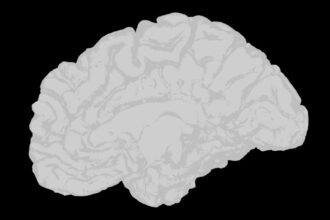
Déjà vu is a psychological phenomenon characterized by the sensation that a current experience has been previously encountered, despite knowing it is new. This feeling of familiarity without clear recollection affects approximately 60-70% of people at some point in their lives. The term originates from French, literally meaning “already seen.”
Neurological research suggests several potential mechanisms behind déjà vu.
One leading theory proposes it results from a temporary neural processing delay, where information reaches memory-checking regions of the brain before awareness centers, creating a false sense of recognition. Alternative explanations include split perception, where information reaches the brain through different pathways at slightly different times, or minor temporal lobe seizure activity that triggers memory sensations without actual memories. Déjà vu experiences are typically brief, lasting only seconds, and occur more frequently in individuals between ages 15 and 25.
While generally harmless, persistent or recurring déjà vu may occasionally indicate underlying neurological conditions such as temporal lobe epilepsy, requiring medical evaluation.
Key Takeaways
- Deja vu can act as a trigger for panic attacks by creating feelings of confusion and fear.
- Recognizing symptoms of panic attacks, such as rapid heartbeat and shortness of breath, is crucial for timely management.
- Stress plays a significant role in both the occurrence of deja vu and the intensity of panic attacks.
- Coping strategies and lifestyle changes, including relaxation techniques and stress reduction, help reduce episodes.
- Seeking professional help and finding community support are important steps in managing anxiety and panic disorders.
Symptoms of a Panic Attack
When you think about panic attacks, you might envision a sudden wave of fear that seems to come out of nowhere. The symptoms can be overwhelming and may include a racing heart, shortness of breath, dizziness, or even feelings of impending doom. You might also experience physical sensations such as trembling or sweating, which can exacerbate your anxiety and make the situation feel even more intense.
These symptoms can vary from person to person, but they often create a sense of urgency that compels you to seek immediate relief. In addition to the physical manifestations, panic attacks can also trigger a host of emotional responses. You may feel detached from reality or experience a sense of unreality, which can be disorienting.
This emotional turmoil can lead to a fear of future panic attacks, creating a vicious cycle that heightens your anxiety levels. Understanding these symptoms is crucial for recognizing when you or someone else is experiencing a panic attack, as it allows for timely intervention and support.
What is a Panic Attack?
A panic attack is an intense episode of fear or discomfort that peaks within minutes and is often accompanied by a range of physical and psychological symptoms. You might find yourself in a situation where your heart races uncontrollably, your palms sweat profusely, and your mind races with thoughts of catastrophe. These episodes can occur unexpectedly or be triggered by specific situations or stressors.
The experience can be so intense that it may feel like you are losing control or even having a heart attack. Panic attacks are not just fleeting moments of anxiety; they can significantly impact your daily life.
This condition is known as panic disorder and can create a cycle of anxiety that feels inescapable. Understanding what constitutes a panic attack is essential for recognizing its effects on your life and seeking appropriate help.
The Link Between Deja Vu and Panic Attacks
The connection between deja vu and panic attacks is an intriguing area of study that has garnered attention from psychologists and neuroscientists alike. You may wonder how these two seemingly unrelated experiences could be intertwined. Research suggests that both phenomena involve complex interactions within the brain’s memory systems and emotional processing centers.
When you experience deja vu, it can trigger feelings of anxiety or confusion, especially if the sensation is intense or occurs in stressful situations. Moreover, for individuals prone to anxiety disorders, the experience of deja vu may serve as a catalyst for panic attacks. The disorienting nature of deja vu can amplify feelings of fear and uncertainty, leading to an increased likelihood of experiencing a panic attack shortly thereafter.
This link highlights the importance of understanding how your brain processes memories and emotions, as it can provide insight into managing both deja vu and panic attacks effectively.
How Deja Vu Triggers Panic Attacks
| Metric | Description | Connection to Déjà Vu | Connection to Panic Attacks | Notes |
|---|---|---|---|---|
| Frequency of Déjà Vu Episodes | Number of déjà vu experiences per month | Often reported in individuals with anxiety disorders | May increase before or during panic attacks | Higher frequency may indicate heightened anxiety |
| Duration of Déjà Vu | Length of each déjà vu episode (seconds) | Typically lasts a few seconds | Short episodes can trigger panic symptoms | Longer episodes may cause confusion and distress |
| Heart Rate (bpm) | Beats per minute during episodes | May remain normal during déjà vu alone | Elevated during panic attacks (100-140 bpm) | Heart rate spikes can exacerbate déjà vu anxiety |
| Reported Anxiety Level | Self-reported anxiety on a scale of 1-10 | Moderate (4-6) during déjà vu | High (7-10) during panic attacks | Anxiety may mediate the connection between the two |
| Incidence of Panic Attacks Triggered by Déjà Vu | Percentage of individuals experiencing panic attacks after déjà vu | Not all experience panic attacks | Approximately 20-30% report panic triggered by déjà vu | Suggests a significant but not universal link |
| Neurological Activity | Brain regions activated during episodes (e.g., temporal lobe) | Temporal lobe involved in déjà vu | Temporal lobe hyperactivity linked to panic attacks | Overlap may explain connection |
When you encounter deja vu, the sensation can evoke a range of emotions that may trigger a panic attack. The feeling of familiarity in an unfamiliar situation can create cognitive dissonance, leading to heightened anxiety levels. You might find yourself questioning your reality or feeling as though you are losing touch with your surroundings.
This disorientation can be particularly distressing if you are already predisposed to anxiety or have experienced panic attacks in the past. The brain’s response to deja vu can also play a role in triggering panic attacks. As your mind grapples with the conflicting sensations of familiarity and strangeness, it may activate the body’s fight-or-flight response.
This physiological reaction can lead to an increase in heart rate, rapid breathing, and other symptoms associated with panic attacks. Understanding this connection can empower you to recognize when deja vu might be a precursor to anxiety and take proactive steps to manage your emotional state.
Coping Strategies for Deja Vu-Induced Panic Attacks
If you find yourself experiencing deja vu that leads to panic attacks, there are several coping strategies you can employ to regain control over your emotions. One effective technique is grounding yourself in the present moment. Focus on your surroundings by engaging your senses—notice the colors, sounds, and textures around you.
This practice can help anchor you in reality and reduce feelings of disorientation. Another helpful strategy is deep breathing exercises.
Inhale deeply through your nose for a count of four, hold for four counts, and exhale slowly through your mouth for another four counts. This rhythmic breathing can help alleviate physical symptoms associated with panic attacks and promote relaxation.
Seeking Professional Help
If you find that deja vu-induced panic attacks are significantly impacting your life, seeking professional help is an important step toward recovery. A mental health professional can provide valuable insights into your experiences and help you develop effective coping strategies tailored to your needs. Therapy options such as cognitive-behavioral therapy (CBT) have been shown to be particularly effective in treating anxiety disorders and panic attacks.
In addition to therapy, medication may also be an option worth exploring with your healthcare provider. Antidepressants or anti-anxiety medications can help regulate mood and reduce the frequency and intensity of panic attacks. Remember that seeking help is not a sign of weakness; rather, it demonstrates your commitment to understanding yourself better and improving your mental well-being.
Managing Anxiety and Panic Attacks
Managing anxiety and panic attacks requires a multifaceted approach that encompasses both lifestyle changes and therapeutic interventions. You might consider incorporating regular physical activity into your routine, as exercise has been shown to reduce anxiety levels and improve overall mental health. Engaging in activities such as yoga or mindfulness meditation can also promote relaxation and help you develop greater awareness of your thoughts and feelings.
Establishing a support network is another crucial aspect of managing anxiety. Surround yourself with friends or family members who understand what you’re going through and can offer encouragement during difficult times. Sharing your experiences with others who have faced similar challenges can foster a sense of community and reduce feelings of isolation.
The Role of Stress in Deja Vu and Panic Attacks
Stress plays a significant role in both deja vu experiences and panic attacks. When you are under stress, your brain’s ability to process information may become compromised, leading to moments of confusion or disorientation that manifest as deja vu. Additionally, chronic stress can heighten anxiety levels, making you more susceptible to panic attacks when faced with triggering situations.
Recognizing the sources of stress in your life is essential for managing both deja vu and panic attacks effectively. Consider keeping a journal to track stressors and identify patterns that contribute to your experiences. By understanding what triggers your stress response, you can take proactive steps to mitigate its effects on your mental health.
Lifestyle Changes to Reduce Deja Vu and Panic Attacks
Making lifestyle changes can significantly impact your overall well-being and help reduce the frequency of both deja vu experiences and panic attacks. Prioritizing sleep is one crucial aspect; lack of rest can exacerbate anxiety symptoms and impair cognitive function. Aim for seven to nine hours of quality sleep each night to support optimal brain health.
Nutrition also plays a vital role in managing anxiety levels. A balanced diet rich in whole foods—fruits, vegetables, lean proteins, and whole grains—can provide the nutrients necessary for maintaining stable mood levels. Additionally, reducing caffeine and alcohol intake may help minimize anxiety triggers that could lead to panic attacks.
Finding Support and Community
Finding support from others who understand what you’re going through can be incredibly beneficial in managing deja vu-induced panic attacks. Consider joining support groups or online communities where individuals share their experiences with anxiety disorders and panic attacks. Connecting with others who have faced similar challenges can provide validation and encouragement as you navigate your journey toward healing.
In addition to peer support, consider engaging in community activities that promote mental health awareness or advocacy. Volunteering for organizations focused on mental health initiatives not only allows you to give back but also fosters connections with like-minded individuals who share your commitment to understanding and overcoming anxiety-related challenges. In conclusion, understanding the intricate relationship between deja vu and panic attacks is essential for managing these experiences effectively.
By employing coping strategies, seeking professional help when needed, and making lifestyle changes, you can take proactive steps toward reducing the impact of these phenomena on your life. Remember that you are not alone in this journey; support is available, and healing is possible.
Many individuals who experience panic attacks report feelings of déjà vu, which can intensify their anxiety during these episodes. This intriguing connection between déjà vu and panic attacks is explored in greater detail in the article found on Unplugged Psych. For more insights into this phenomenon, you can read the full article here: Déjà Vu and Panic Attacks. Understanding this relationship can help individuals manage their symptoms more effectively.
FAQs
What is déjà vu?
Déjà vu is a common phenomenon where a person feels an overwhelming sense of familiarity with a situation, place, or experience, as if they have already lived through it before, even though it is actually new.
What is a panic attack?
A panic attack is a sudden episode of intense fear or discomfort that reaches a peak within minutes. It can include symptoms such as rapid heartbeat, sweating, trembling, shortness of breath, chest pain, dizziness, and a feeling of losing control or impending doom.
Is there a connection between déjà vu and panic attacks?
Yes, some individuals report experiencing déjà vu during or just before a panic attack. The sensation of déjà vu can sometimes trigger anxiety or panic, and conversely, the heightened state of anxiety during a panic attack may increase the likelihood of experiencing déjà vu.
Can déjà vu cause panic attacks?
While déjà vu itself is generally harmless, for some people, the intense and unfamiliar feeling of déjà vu can provoke anxiety or panic, potentially leading to a panic attack, especially in those prone to anxiety disorders.
Are déjà vu experiences common in people with panic disorder?
Some studies suggest that people with panic disorder or other anxiety disorders may experience déjà vu more frequently, possibly due to heightened brain activity related to anxiety and stress.
How can one manage panic attacks triggered by déjà vu?
Managing panic attacks triggered by déjà vu involves techniques such as deep breathing, grounding exercises, mindfulness, and cognitive-behavioral therapy (CBT). Consulting a mental health professional can provide personalized strategies and treatment.
Is déjà vu linked to any neurological conditions?
Yes, déjà vu can sometimes be associated with neurological conditions such as temporal lobe epilepsy. In such cases, déjà vu may occur as part of a seizure aura.
When should someone seek medical advice about déjà vu and panic attacks?
If déjà vu experiences are frequent, distressing, or accompanied by panic attacks or other neurological symptoms, it is advisable to seek medical evaluation to rule out underlying conditions and receive appropriate treatment.