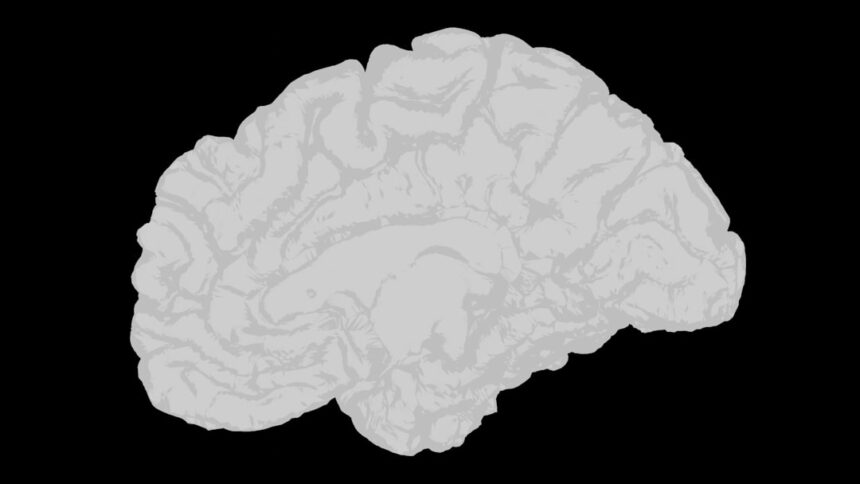
Temporal Lobe Epilepsy (TLE) is a neurological disorder characterized by recurrent seizures originating in the temporal lobes of the brain. These seizures typically affect consciousness, emotions, and memory function. TLE represents the most prevalent form of focal epilepsy, comprising approximately 40% of all epilepsy cases in adults.
The temporal lobes are bilateral brain structures responsible for processing auditory information, language comprehension, memory formation, and emotional regulation. Abnormal electrical discharges in these regions produce the distinctive clinical manifestations of TLE. Seizures may present as focal aware seizures (formerly simple partial seizures) where consciousness remains intact, or focal impaired awareness seizures (formerly complex partial seizures) involving altered consciousness.
TLE exhibits considerable variability in seizure frequency and severity among patients. Some individuals experience infrequent episodes occurring months or years apart, while others may have daily seizures. Seizure patterns can range from brief episodes lasting seconds to prolonged events requiring medical intervention.
The unpredictable nature of seizures often results in significant psychosocial impact, including anxiety, depression, and limitations in employment, driving, and social activities. Accurate diagnosis and appropriate treatment are essential for optimizing seizure control and improving quality of life for individuals with TLE.
Key Takeaways
- Temporal Lobe Epilepsy (TLE) is a neurological disorder characterized by seizures originating in the brain’s temporal lobe.
- Deja vu is a common aura experienced by individuals with TLE, often signaling an impending seizure.
- The temporal lobe plays a crucial role in memory and sensory processing, which is why its dysfunction leads to symptoms like deja vu.
- Diagnosis of TLE involves EEG, MRI, and other tests to accurately identify seizure activity and brain abnormalities.
- Treatment includes medication, lifestyle adjustments, and support networks, with ongoing research aiming to improve outcomes and therapies.
The Deja Vu Aura: A Common Symptom of Temporal Lobe Epilepsy
One of the most intriguing symptoms associated with Temporal Lobe Epilepsy is the phenomenon known as déjà vu. This sensation, which translates to “already seen,” can occur as an aura before a seizure. You might experience a sudden feeling that you have lived through a moment before, even if it is entirely new.
This eerie sensation can be disorienting and may last only a few seconds, but it often serves as a warning sign that a seizure is imminent. For many individuals with TLE, déjà vu is not just a fleeting moment; it can be a significant part of their seizure experience. The déjà vu aura can vary in intensity and duration from person to person.
Some may feel an overwhelming sense of familiarity, while others might experience a more subtle recognition of their surroundings. This phenomenon can be both fascinating and frightening, as it blurs the lines between reality and perception. Understanding this symptom is crucial for those living with TLE, as recognizing the aura can help them prepare for an impending seizure.
By acknowledging the déjà vu experience, you can take proactive steps to ensure your safety and well-being during these episodes.
Understanding the Temporal Lobe and its Role in Epilepsy
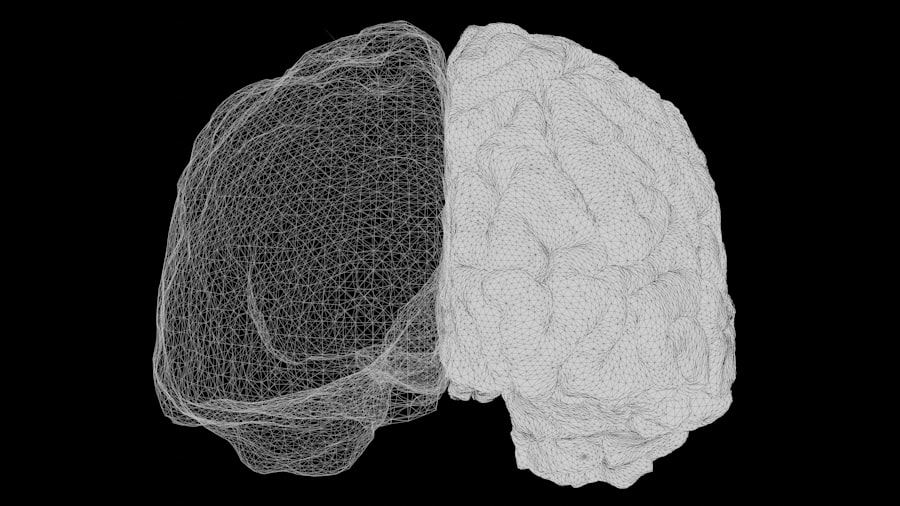
To grasp the complexities of Temporal Lobe Epilepsy, it’s essential to understand the role of the temporal lobe itself. This region of the brain is responsible for various functions, including auditory processing, language comprehension, and memory formation. When you think about how integral these functions are to daily life, it becomes clear why seizures originating from this area can have such profound effects.
The temporal lobe’s involvement in emotional regulation also means that individuals with TLE may experience heightened emotional responses during or after seizures. The temporal lobe consists of several key structures, including the hippocampus and amygdala, which are vital for memory and emotional processing. When abnormal electrical activity disrupts these areas, it can lead to not only seizures but also changes in mood and cognition.
You may find that understanding the anatomy and function of the temporal lobe provides valuable insight into how TLE affects individuals on multiple levels. This knowledge can foster empathy and support for those navigating the challenges associated with this condition.
The Science Behind Deja Vu and Temporal Lobe Epilepsy
The science behind déjà vu in the context of Temporal Lobe Epilepsy is both fascinating and complex. Researchers believe that déjà vu occurs when there is a temporary disruption in the brain’s normal processing of information. In individuals with TLE, this disruption often arises from abnormal electrical discharges in the temporal lobe itself.
You might find it interesting that studies have shown that déjà vu can also occur in healthy individuals but is more prevalent among those with epilepsy. Neuroscientific research has explored how memory systems interact with perception to create the sensation of déjà vu. When you experience this phenomenon, your brain may mistakenly interpret new experiences as familiar due to a glitch in memory processing.
This misfiring can lead to confusion and anxiety, especially for those with TLE who may associate déjà vu with an impending seizure. Understanding the neurological underpinnings of déjà vu can help demystify this common symptom and provide reassurance to those who experience it.
Recognizing the Signs and Symptoms of Temporal Lobe Epilepsy
| Metric | Value | Notes |
|---|---|---|
| Prevalence of Temporal Lobe Epilepsy (TLE) | 60-70% of focal epilepsies | TLE is the most common form of focal epilepsy |
| Incidence of Déjà Vu Aura in TLE Patients | Approximately 30-50% | Déjà vu is a common aura symptom in TLE |
| Duration of Déjà Vu Aura | Seconds to 1-2 minutes | Typically brief and precedes seizure onset |
| Localization of Aura | Medial temporal lobe (hippocampus, amygdala) | Regions involved in memory and familiarity processing |
| EEG Findings During Aura | Interictal spikes or sharp waves in temporal regions | Helps confirm temporal lobe origin |
| Percentage of Patients Reporting Déjà Vu as Initial Aura | 20-40% | Varies by study and patient population |
| Impact on Quality of Life | Variable; some report distress, others find it benign | Depends on frequency and severity of seizures |
Recognizing the signs and symptoms of Temporal Lobe Epilepsy is crucial for early diagnosis and effective management. Seizures associated with TLE can manifest in various ways, including altered consciousness, unusual sensations, or involuntary movements. You may notice that some individuals experience a combination of these symptoms during a seizure episode.
For instance, they might exhibit repetitive movements or display signs of confusion or disorientation after a seizure has occurred. In addition to seizures, individuals with TLE may experience emotional changes or cognitive difficulties between episodes. You might find that mood swings, anxiety, or memory lapses are common among those living with this condition.
Being aware of these signs can help you identify when someone may be experiencing TLE or when they might need additional support. Early recognition of symptoms can lead to timely medical intervention and improved quality of life for those affected.
Diagnosing Temporal Lobe Epilepsy: Tests and Procedures
Diagnosing Temporal Lobe Epilepsy involves a comprehensive evaluation that includes medical history, physical examinations, and various diagnostic tests. If you suspect that you or someone you know may have TLE, it’s essential to consult a healthcare professional who specializes in epilepsy. They will likely begin by gathering detailed information about seizure episodes, including their frequency, duration, and any accompanying symptoms.
One common diagnostic tool used in identifying TLE is an electroencephalogram (EEG).
You may also encounter imaging studies such as magnetic resonance imaging (MRI) or computed tomography (CT) scans, which provide detailed images of the brain’s structure.
These tests are crucial for ruling out other potential causes of seizures and confirming a diagnosis of Temporal Lobe Epilepsy.
Treatment Options for Temporal Lobe Epilepsy
Treatment options for Temporal Lobe Epilepsy vary depending on the severity and frequency of seizures experienced by an individual. Medications are often the first line of defense against seizures, with antiepileptic drugs (AEDs) prescribed to help control electrical activity in the brain. You may find that different medications work better for different individuals, necessitating a tailored approach to treatment.
It’s essential to work closely with a healthcare provider to find the most effective medication regimen. In some cases where medications are ineffective or cause intolerable side effects, surgical options may be considered. Surgical interventions aim to remove or alter the area of the brain responsible for seizure activity.
You might be surprised to learn that many individuals experience significant improvements in their quality of life following surgery. Additionally, lifestyle modifications such as stress management techniques and regular sleep patterns can also play a vital role in managing TLE effectively.
Living with Temporal Lobe Epilepsy: Coping Strategies and Lifestyle Changes
Living with Temporal Lobe Epilepsy requires adopting coping strategies and making lifestyle changes that promote overall well-being.
Establishing regular sleep patterns is particularly important since fatigue can exacerbate seizure activity.
Additionally, engaging in relaxation techniques such as mindfulness meditation or yoga can provide valuable tools for managing anxiety related to living with epilepsy. Support from family and friends is also crucial when navigating life with TLE. Open communication about your experiences can foster understanding and create an environment where you feel safe discussing your condition.
You might consider joining support groups or online communities where you can connect with others who share similar experiences. These connections can provide emotional support and practical advice on managing daily challenges associated with Temporal Lobe Epilepsy.
The Importance of Support Networks for Individuals with Temporal Lobe Epilepsy
Support networks play an invaluable role in the lives of individuals living with Temporal Lobe Epilepsy. Having a strong support system can significantly impact your emotional well-being and overall quality of life. Friends and family members who understand your condition can offer encouragement during difficult times and help you navigate challenges related to seizures or treatment side effects.
You might find that simply having someone to talk to about your experiences can alleviate feelings of isolation. In addition to personal support networks, connecting with organizations dedicated to epilepsy awareness can provide access to resources and information about living with TLE. These organizations often offer educational materials, advocacy opportunities, and community events that foster connection among individuals affected by epilepsy.
By engaging with these networks, you not only gain valuable insights but also contribute to raising awareness about Temporal Lobe Epilepsy within society.
Research and Advancements in Temporal Lobe Epilepsy
Research into Temporal Lobe Epilepsy has made significant strides over recent years, leading to advancements in understanding its causes and treatment options. Scientists are continually exploring the genetic factors that may contribute to epilepsy development, which could pave the way for more targeted therapies in the future. You might be interested to know that ongoing studies are investigating how neuroimaging techniques can enhance diagnostic accuracy and improve treatment outcomes for individuals with TLE.
Additionally, researchers are examining innovative approaches such as neuromodulation therapies that aim to alter brain activity through electrical stimulation or other means. These advancements hold promise for those who do not respond well to traditional medications or surgical interventions. As research continues to evolve, you can remain hopeful about the potential for new treatments that could improve the lives of individuals living with Temporal Lobe Epilepsy.
The Future of Understanding and Treating Temporal Lobe Epilepsy
The future of understanding and treating Temporal Lobe Epilepsy looks promising as ongoing research continues to shed light on this complex condition. With advancements in technology and neuroscience, there is hope for more effective diagnostic tools and treatment options tailored to individual needs. You may find it encouraging that researchers are increasingly focusing on personalized medicine approaches that consider genetic factors when developing treatment plans.
As awareness about epilepsy grows within society, there is also potential for improved support systems for individuals living with TLE. Advocacy efforts aimed at reducing stigma surrounding epilepsy can lead to greater acceptance and understanding within communities. By fostering an environment where open discussions about epilepsy are encouraged, you contribute to creating a future where individuals with Temporal Lobe Epilepsy feel empowered to seek help and live fulfilling lives despite their condition.
In conclusion, understanding Temporal Lobe Epilepsy involves recognizing its symptoms, exploring its neurological underpinnings, and acknowledging the importance of support networks for those affected by this condition. As research continues to advance our knowledge of TLE, there is hope for improved treatments and a brighter future for individuals living with epilepsy.
Temporal lobe epilepsy is often associated with unique experiences, such as déjà vu auras, which can serve as precursors to seizures. These auras can manifest as intense feelings of familiarity or recollection of past experiences, providing insight into the complex workings of the brain during epileptic episodes. For a deeper understanding of the psychological aspects related to epilepsy, you can explore the article on this topic at Unplugged Psych.
FAQs
What is temporal lobe epilepsy?
Temporal lobe epilepsy (TLE) is a type of focal epilepsy that originates in the temporal lobes of the brain. It is characterized by recurrent, unprovoked seizures that often involve sensory disturbances, emotional changes, and sometimes loss of consciousness.
What is a deja vu aura in temporal lobe epilepsy?
A deja vu aura is a common sensory experience reported by individuals with temporal lobe epilepsy. It is a brief, intense feeling that a current situation has been experienced before, often occurring just before a seizure begins. This aura serves as a warning sign of an impending seizure.
Why does deja vu occur as an aura in temporal lobe epilepsy?
Deja vu occurs as an aura in temporal lobe epilepsy because the temporal lobe, particularly the hippocampus and surrounding structures, is involved in memory processing. Seizure activity in these areas can trigger abnormal sensations of familiarity or recollection, resulting in the deja vu experience.
How long does a deja vu aura last in temporal lobe epilepsy?
A deja vu aura typically lasts from a few seconds to about a minute. It is usually brief and precedes the main seizure event, although the duration can vary between individuals.
Can deja vu auras occur without seizures?
While deja vu is commonly reported as an aura in temporal lobe epilepsy, it can also occur in people without epilepsy. However, in epilepsy, deja vu is often more intense, frequent, and associated with other seizure symptoms.
How is temporal lobe epilepsy with deja vu aura diagnosed?
Diagnosis involves a detailed clinical history, including descriptions of the aura and seizures, neurological examination, and diagnostic tests such as electroencephalogram (EEG) to detect abnormal brain activity, and brain imaging (MRI) to identify structural abnormalities.
What treatments are available for temporal lobe epilepsy with deja vu aura?
Treatment typically includes antiepileptic medications to control seizures. In some cases, if medications are ineffective, surgical options such as temporal lobectomy may be considered. Managing triggers and lifestyle modifications can also help reduce seizure frequency.
Is experiencing deja vu aura harmful?
The aura itself is not harmful but indicates that a seizure may follow. Seizures can vary in severity and may pose risks depending on their nature and frequency. It is important to seek medical evaluation and treatment to manage epilepsy effectively.
Can temporal lobe epilepsy with deja vu aura be cured?
While many people achieve good seizure control with medication, temporal lobe epilepsy is often a chronic condition. Some patients may become seizure-free, especially after surgery, but others may require ongoing treatment to manage symptoms.
When should someone see a doctor about deja vu experiences?
If deja vu experiences are frequent, intense, or accompanied by other neurological symptoms such as confusion, loss of awareness, or unusual sensations, it is important to consult a healthcare professional for evaluation to rule out epilepsy or other neurological conditions.