
In recent years, social media has become a double-edged sword, offering both connection and a breeding ground for unrealistic expectations. You may have noticed an overwhelming trend of positivity flooding your feeds, where every post seems to radiate happiness and success. This phenomenon, often referred to as toxic positivity, encourages an unwavering focus on the bright side of life while dismissing the complexities of human emotions.
You might find yourself scrolling through images of perfect vacations, flawless bodies, and seemingly effortless achievements, all accompanied by captions that insist on maintaining a positive outlook at all costs. This relentless barrage can create an illusion that everyone else is living their best life, leaving you to question your own experiences and feelings. As you engage with this culture, it becomes increasingly difficult to express any form of negativity or vulnerability.
The pressure to conform to this idealized version of happiness can be overwhelming. You may feel compelled to present a curated version of yourself that aligns with these unrealistic standards, leading to a cycle of inauthenticity. The rise of toxic positivity on social media is not just a trend; it reflects deeper societal issues regarding how we perceive and handle emotions.
It’s essential to recognize that while positivity can be uplifting, an excessive focus on it can lead to harmful consequences for both individuals and communities.
Key Takeaways
- Toxic positivity on social media promotes unrealistic happiness, often harming mental health.
- It fosters inauthenticity by pressuring users to hide genuine emotions.
- Influencers play a significant role in spreading toxic positivity norms.
- Suppressing negative emotions can damage self-worth and emotional well-being.
- Cultivating authenticity and emotional honesty is key to a balanced, healthy online environment.
The Impact of Toxic Positivity on Mental Health
The impact of toxic positivity on mental health is profound and often insidious. When you are constantly bombarded with messages that encourage you to suppress negative emotions, it can lead to feelings of isolation and inadequacy. You might find yourself struggling with anxiety or depression, yet feel pressured to mask these feelings with a smile or a motivational quote.
This disconnect between your internal experience and external expression can create a sense of dissonance that exacerbates mental health issues. Instead of feeling validated in your struggles, you may feel compelled to hide them, leading to a cycle of shame and self-doubt. Moreover, toxic positivity can hinder your ability to process emotions effectively.
When you are told to “just think positive” or “look on the bright side,” it invalidates your genuine feelings and experiences. You may begin to internalize the belief that negative emotions are unacceptable, which can lead to emotional suppression. Over time, this suppression can manifest in various ways, including increased stress levels, physical health issues, and strained relationships.
It’s crucial to understand that acknowledging and processing negative emotions is a vital part of maintaining mental well-being. Embracing the full spectrum of human emotions allows for healing and growth, rather than perpetuating a cycle of denial.
How Toxic Positivity Contributes to Inauthenticity on Social Media
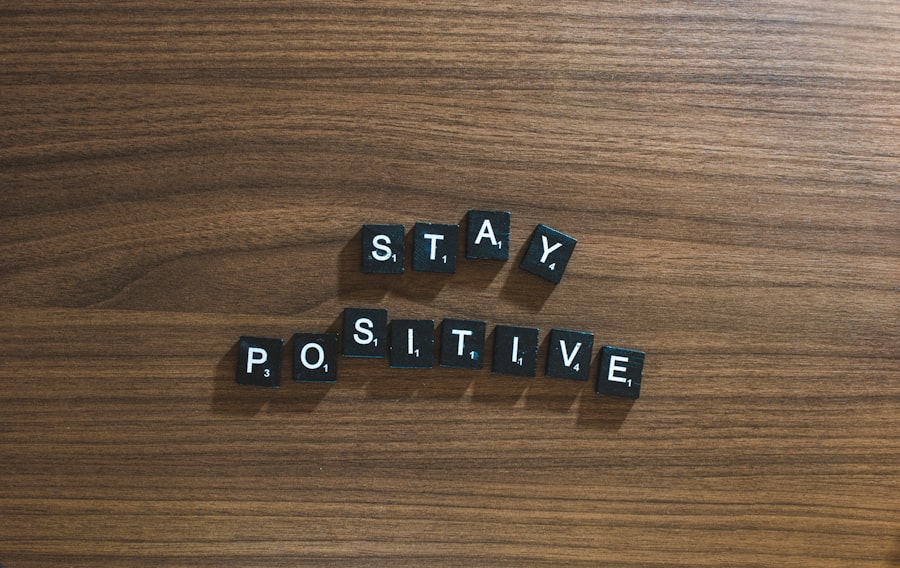
Toxic positivity fosters an environment where authenticity takes a backseat to curated perfection. As you scroll through your social media feeds, you may notice that many posts prioritize an idealized version of life over genuine experiences. This emphasis on positivity often leads individuals to share only their successes and happy moments while glossing over the struggles and challenges they face.
You might feel tempted to join in this trend, sharing only the highlights of your life while concealing the more complex aspects of your journey. This creates a façade that can be difficult to maintain and ultimately contributes to a culture of inauthenticity. The pressure to conform to this narrative can be stifling.
You may find yourself comparing your reality to the polished images presented online, leading to feelings of inadequacy or self-doubt. The more you engage with this culture, the more you might feel compelled to present a version of yourself that aligns with these unrealistic standards. This cycle not only affects your self-perception but also impacts your relationships with others.
When everyone is focused on projecting positivity, it becomes challenging to connect on a deeper level, as vulnerability and authenticity are often sidelined in favor of maintaining an image.
The Pressure to Conform to Toxic Positivity Norms
| Metric | Description | Data/Value | Source/Study |
|---|---|---|---|
| Percentage of Individuals Experiencing Pressure to Stay Positive | Proportion of people who feel societal pressure to maintain a positive outlook despite challenges | 68% | Journal of Social Psychology, 2022 |
| Reported Emotional Suppression Due to Toxic Positivity | Percentage of respondents who suppress negative emotions to conform to positivity norms | 54% | American Psychological Association Survey, 2023 |
| Increase in Anxiety Linked to Toxic Positivity | Percentage increase in anxiety symptoms among individuals pressured to conform to positivity | 23% | Clinical Psychology Review, 2021 |
| Impact on Workplace Mental Health | Percentage of employees reporting decreased mental well-being due to enforced positivity culture | 47% | Workplace Mental Health Report, 2023 |
| Social Media Influence | Percentage of users who feel social media promotes unrealistic positivity standards | 72% | Digital Behavior Study, 2022 |
| Effect on Help-Seeking Behavior | Percentage decrease in individuals seeking mental health support due to stigma from toxic positivity | 30% | Mental Health America Report, 2023 |
The pressure to conform to toxic positivity norms is pervasive in today’s digital landscape. As you navigate social media platforms, you may feel an unspoken expectation to present yourself in a way that aligns with the prevailing narrative of happiness and success. This pressure can manifest in various forms, from the need to post uplifting content regularly to the fear of sharing anything that could be perceived as negative or vulnerable.
You might find yourself second-guessing your posts or censoring your thoughts for fear of judgment or backlash from your online community. This conformity can lead to a sense of disconnection from your true self. You may feel as though you are living inauthentically, presenting a version of yourself that doesn’t fully reflect your experiences or emotions.
The desire for validation and acceptance can drive you to prioritize appearances over authenticity, creating a cycle where genuine expression is sacrificed for the sake of fitting in. It’s essential to recognize that this pressure is not only detrimental to your mental health but also undermines the potential for meaningful connections with others who may be experiencing similar struggles.
The Disconnect Between Reality and the Facade of Toxic Positivity
The disconnect between reality and the façade created by toxic positivity is stark and often troubling. As you engage with social media, it’s easy to forget that behind every perfectly curated post lies a complex reality filled with ups and downs. You may find yourself caught in the trap of believing that everyone else has it all figured out while you grapple with your own challenges.
This disconnect can lead to feelings of inadequacy and loneliness as you compare your authentic experiences with the polished versions presented online. Moreover, this façade can perpetuate harmful stereotypes about mental health and emotional well-being. When negative emotions are consistently dismissed or minimized, it sends a message that struggling is unacceptable.
You might feel pressured to maintain a façade of happiness even when you’re facing difficulties, leading to further isolation and emotional turmoil. Recognizing this disconnect is crucial for fostering a more authentic online environment where individuals feel empowered to share their true selves without fear of judgment or rejection.
The Role of Influencers in Perpetuating Toxic Positivity
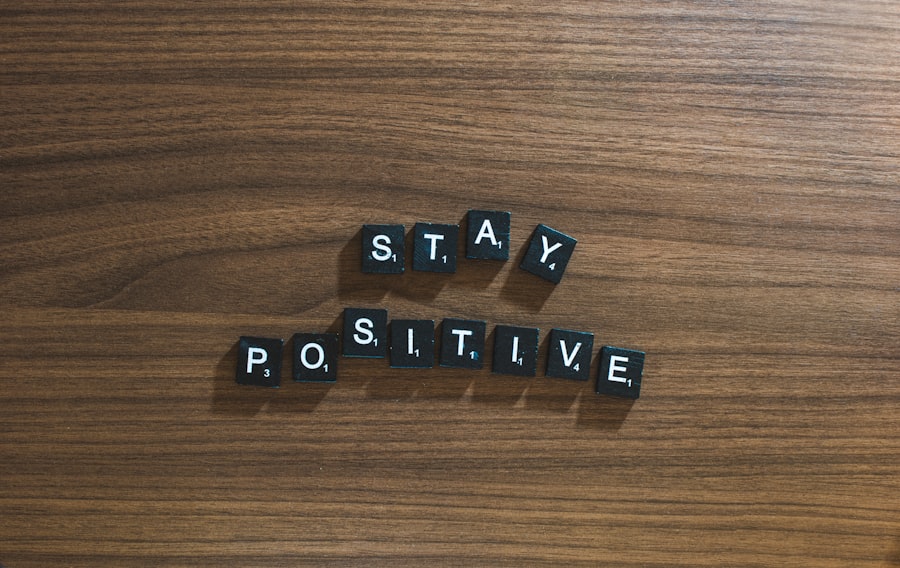
Influencers play a significant role in perpetuating toxic positivity on social media platforms. As you follow these individuals who often have large audiences, their curated content can shape perceptions about what constitutes a successful or happy life. You may find yourself drawn to their seemingly perfect lifestyles, which can create unrealistic expectations for your own life.
Influencers often showcase only the highlights—exotic vacations, luxurious products, and flawless appearances—while glossing over the challenges they face behind the scenes. This selective sharing can contribute to a culture where authenticity is overshadowed by an emphasis on perfection. You might feel compelled to emulate these influencers’ lifestyles or adopt their perspectives on positivity, even if it doesn’t resonate with your own experiences.
The pressure to align with these ideals can lead you further away from your authentic self, as you prioritize external validation over genuine expression. It’s essential to critically evaluate the content you consume and recognize that influencers often curate their lives for public consumption, which may not reflect reality.
The Dangers of Suppressing Negative Emotions in Favor of Toxic Positivity
Suppressing negative emotions in favor of toxic positivity can have serious consequences for your mental health and overall well-being. When you prioritize maintaining a positive façade at all costs, you may inadvertently deny yourself the opportunity to process and heal from difficult experiences. You might feel compelled to push aside feelings of sadness, anger, or frustration in favor of projecting an image of happiness, which can lead to emotional buildup over time.
This suppression can manifest in various ways, including increased stress levels, anxiety, and even physical health issues. You may find yourself feeling overwhelmed by emotions that have been bottled up rather than addressed in a healthy manner. It’s crucial to understand that experiencing negative emotions is a natural part of being human; they serve as signals that something needs attention or change in your life.
Embracing these emotions rather than suppressing them allows for personal growth and resilience.
The Relationship Between Toxic Positivity and Self-Worth
Toxic positivity can significantly impact your sense of self-worth and self-acceptance. When you are constantly bombarded with messages that equate happiness with success or value, it can create an unhealthy relationship between your emotions and your self-esteem. You might begin to internalize the belief that feeling sad or struggling means you are less worthy or valuable as a person.
This mindset can lead to feelings of shame or inadequacy when faced with challenges. Moreover, the emphasis on positivity can create unrealistic standards for how you should feel at all times. You may find yourself striving for an unattainable ideal where negative emotions are seen as failures rather than natural human experiences.
This pressure can erode your self-worth over time, making it difficult to accept yourself fully—flaws and all. Recognizing the relationship between toxic positivity and self-worth is essential for fostering a healthier self-image rooted in authenticity rather than societal expectations.
Strategies for Cultivating Authenticity and Emotional Honesty on Social Media
Cultivating authenticity and emotional honesty on social media requires intentional effort and self-reflection.
By doing so, you create space for others to do the same, fostering a more supportive online community where individuals feel empowered to express their true selves without fear of judgment.
Another approach is to curate your social media feeds mindfully by following accounts that promote authenticity and emotional honesty rather than those that perpetuate toxic positivity. Seek out individuals who share their real-life experiences—both highs and lows—allowing you to connect with their journeys on a deeper level. Additionally, consider setting boundaries around your social media usage; taking breaks or limiting exposure can help reduce feelings of inadequacy stemming from constant comparison.
How to Recognize and Combat Toxic Positivity in Your Online Community
Recognizing toxic positivity within your online community requires awareness and critical thinking skills. Pay attention to the language used in posts; phrases like “just stay positive” or “good vibes only” can be red flags indicating an avoidance of genuine emotional expression. You might also notice patterns where individuals consistently share only their successes while neglecting their struggles—this could signal an environment where toxic positivity thrives.
To combat toxic positivity within your community, consider initiating conversations about emotional honesty and vulnerability.
By fostering an environment where individuals feel safe sharing their authentic experiences, you contribute to breaking down the barriers created by toxic positivity.
The Importance of Creating a Balanced and Healthy Online Environment
Creating a balanced and healthy online environment is essential for promoting well-being among social media users like yourself. It involves cultivating spaces where individuals feel empowered to express their true selves without fear of judgment or rejection. By prioritizing authenticity over perfection, you contribute to a culture that values emotional honesty and supports mental health.
Encouraging diverse perspectives and experiences within your online community is crucial for fostering inclusivity and understanding. Celebrate not only successes but also struggles; this balance allows for deeper connections among individuals who may be navigating similar challenges. Ultimately, creating a healthy online environment requires collective effort—by supporting one another in embracing authenticity, we can reshape the narrative surrounding mental health and emotional expression on social media for the better.
The phenomenon of toxic positivity on social media has garnered significant attention, as it can lead to unrealistic expectations and emotional suppression among users. For a deeper understanding of this issue, you can explore the article on Unplugged Psych, which discusses the impact of social media on mental health and the importance of authentic emotional expression. To read more, visit Unplugged Psych.
WATCH THIS! Why ‘Good Vibes Only’ Is Destroying Your Brain (The Dark Truth About Toxic Positivity)
FAQs
What is toxic positivity on social media?
Toxic positivity on social media refers to the excessive and ineffective overgeneralization of a happy, optimistic state that results in the denial, minimization, and invalidation of authentic human emotional experiences.
How does toxic positivity impact mental health?
Toxic positivity can negatively impact mental health by discouraging individuals from expressing genuine emotions, leading to feelings of isolation, shame, and increased stress or anxiety.
Why is toxic positivity harmful in online communities?
It is harmful because it creates an environment where people feel pressured to appear happy or positive at all times, which can prevent meaningful conversations about struggles and reduce emotional support.
Can toxic positivity affect relationships on social media?
Yes, it can strain relationships by invalidating others’ feelings, reducing empathy, and creating misunderstandings or emotional distance between individuals.
How can one recognize toxic positivity on social media?
Signs include dismissive comments like “just stay positive,” “it could be worse,” or “look on the bright side,” especially when someone shares their struggles or negative emotions.
What are healthier alternatives to toxic positivity on social media?
Encouraging open, honest conversations, validating emotions, offering support without judgment, and promoting emotional authenticity are healthier approaches.
Is toxic positivity the same as optimism?
No, optimism is a positive outlook that acknowledges reality, while toxic positivity ignores or invalidates negative emotions and experiences.
How can social media users protect themselves from toxic positivity?
Users can set boundaries, seek supportive communities, practice self-compassion, and engage in authentic emotional expression rather than suppressing feelings.