
Meditation has long been celebrated as a powerful tool for enhancing mental clarity, emotional stability, and overall well-being. As you delve into the practice, you may find that it offers a sanctuary from the chaos of daily life, allowing you to cultivate a deeper sense of awareness and presence. The benefits of meditation are numerous; studies have shown that regular practice can reduce stress, improve focus, and even promote physical health by lowering blood pressure and enhancing immune function.
As you embark on your meditation journey, you may discover that it not only helps you manage anxiety but also fosters a greater connection to your inner self. However, while the advantages of meditation are widely acknowledged, it is essential to approach this practice with mindfulness and caution. For some individuals, particularly those with a predisposition to mental health issues, meditation can inadvertently trigger adverse effects.
Understanding the potential risks associated with meditation is crucial for ensuring that your practice remains a source of peace rather than distress. As you explore the depths of meditation, it is vital to remain aware of both its transformative power and its potential pitfalls.
Key Takeaways
- Meditation offers numerous benefits but may have risks for some individuals, including triggering psychosis symptoms.
- Certain meditation techniques can potentially induce or exacerbate psychosis in vulnerable people.
- Early recognition of psychosis warning signs during meditation is crucial for timely intervention.
- Proper guidance, training, and professional support are essential to safely practice meditation.
- Balancing meditation practices with awareness of potential side effects helps prevent adverse mental health outcomes.
The Link Between Meditation and Psychosis
The relationship between meditation and psychosis is a complex and nuanced topic that warrants careful consideration. While many practitioners experience profound benefits from meditation, there is a subset of individuals who may find themselves grappling with psychotic symptoms as a result of their practice. This connection can be particularly concerning for those who have a history of mental health issues or a family history of psychotic disorders.
As you engage in meditation, it is essential to remain vigilant about your mental state and recognize any changes that may arise. Research has indicated that certain meditation techniques, especially those involving intense concentration or altered states of consciousness, can lead to experiences that resemble psychosis. These experiences may include hallucinations, delusions, or disorganized thinking.
It is crucial to understand that while these symptoms can be alarming, they do not necessarily indicate a permanent condition. Instead, they may serve as a signal for you to reassess your meditation practice and seek guidance if needed.
Understanding Psychosis Symptoms
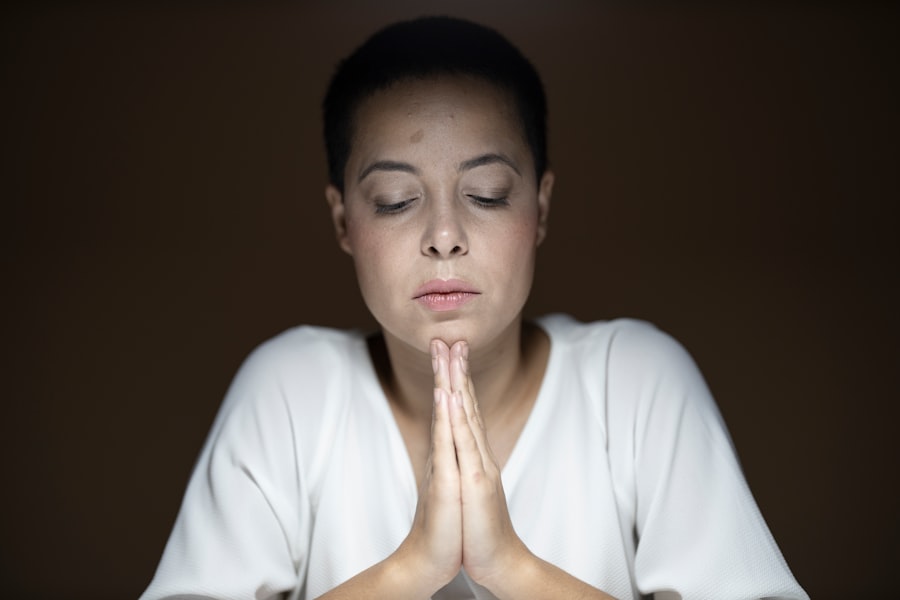
To navigate the potential risks associated with meditation, it is vital to familiarize yourself with the symptoms of psychosis. Psychosis is characterized by a disconnection from reality, which can manifest in various ways. You may experience hallucinations—seeing or hearing things that are not present—or delusions, which are false beliefs that persist despite evidence to the contrary.
Additionally, disorganized thinking can lead to difficulty in communicating effectively or maintaining coherent thoughts. Recognizing these symptoms early on can be instrumental in preventing further distress. If you find yourself experiencing any of these signs during or after meditation, it is essential to take them seriously.
Understanding the nature of psychosis can empower you to seek help when necessary and make informed decisions about your meditation practice. By remaining attuned to your mental state, you can cultivate a safer and more beneficial meditation experience.
Case Studies of Individuals Who Experienced Psychosis Symptoms from Meditation
Examining real-life case studies can provide valuable insights into the potential risks associated with meditation.
Initially, they experienced significant improvements in their mental health; however, after several months of daily practice, they began to encounter vivid hallucinations during meditation sessions.
These experiences left them feeling disoriented and fearful, ultimately leading them to discontinue their practice. Another case highlights an individual who engaged in transcendental meditation without proper guidance.
This individual sought professional help and learned that their meditation technique had inadvertently triggered underlying vulnerabilities related to their mental health history. These case studies underscore the importance of being aware of how meditation can affect your mental state and the necessity of seeking support when needed.
The Role of Meditation Techniques in Triggering Psychosis Symptoms
| Symptom | Description | Frequency | Duration | Severity |
|---|---|---|---|---|
| Hallucinations | Perception of sights or sounds that are not present | Common | Hours to days | Moderate to severe |
| Delusions | Strongly held false beliefs not based in reality | Common | Days to weeks | Severe |
| Paranoia | Excessive mistrust or suspicion of others | Frequent | Days to weeks | Moderate to severe |
| Disorganized Thinking | Incoherent or illogical thought patterns | Occasional | Hours to days | Moderate |
| Emotional Disturbance | Rapid mood swings, anxiety, or depression | Common | Days to weeks | Moderate |
| Depersonalization | Feeling detached from oneself or reality | Occasional | Hours to days | Mild to moderate |
Not all meditation techniques carry the same risk for triggering psychosis symptoms; some practices may be more likely to induce adverse effects than others. For instance, techniques that involve prolonged periods of concentration or altered states of consciousness can heighten the risk for individuals predisposed to mental health issues. As you explore different forms of meditation, it is essential to consider how each technique aligns with your personal mental health history and current state.
Mindfulness meditation, which emphasizes present-moment awareness without judgment, tends to be more accessible for most individuals. In contrast, practices such as deep transcendental meditation or certain forms of guided visualization may lead to experiences that feel overwhelming or disorienting for some practitioners. By understanding the nuances of various techniques, you can make informed choices about which practices are best suited for your needs and mental well-being.
How to Recognize Early Warning Signs of Psychosis from Meditation
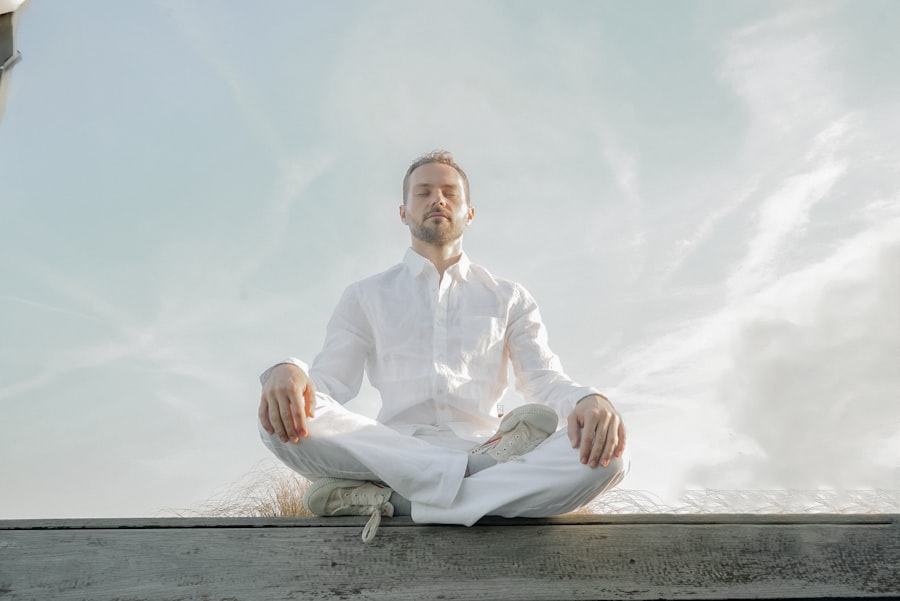
Recognizing early warning signs of psychosis is crucial for maintaining a healthy meditation practice. As you engage in meditation, pay attention to any shifts in your thoughts or perceptions. If you begin to experience heightened anxiety, persistent feelings of paranoia, or unusual sensory experiences—such as hearing voices or seeing things that aren’t there—these may be indicators that your practice is affecting your mental state negatively.
Additionally, changes in your emotional responses can serve as warning signs. If you find yourself feeling increasingly detached from reality or struggling to connect with your emotions during or after meditation, it may be time to reassess your approach. Being proactive about recognizing these signs can empower you to take necessary steps toward safeguarding your mental health while still enjoying the benefits of meditation.
Seeking Professional Help for Psychosis Symptoms Related to Meditation
If you find yourself experiencing psychosis symptoms related to your meditation practice, seeking professional help is paramount. Mental health professionals can provide valuable support and guidance tailored to your specific needs. They can help you explore the underlying factors contributing to your experiences and develop strategies for managing any distressing symptoms.
In some cases, therapy may involve adjusting your meditation practice or exploring alternative techniques that align better with your mental health needs. A qualified therapist can also assist you in developing coping mechanisms and mindfulness strategies that promote emotional resilience without triggering adverse effects. Remember that seeking help is not a sign of weakness; rather, it demonstrates your commitment to prioritizing your mental well-being.
The Importance of Proper Guidance and Training in Meditation Practices
Proper guidance and training are essential components of a safe and effective meditation practice. As you embark on this journey, consider seeking instruction from experienced teachers who can provide insights into various techniques and their potential effects on mental health. A knowledgeable instructor can help you navigate the complexities of meditation while ensuring that you remain grounded in your practice.
Additionally, participating in group classes or workshops can foster a sense of community and support among fellow practitioners. Sharing experiences and learning from others can enhance your understanding of meditation while providing reassurance that you are not alone in your journey. By prioritizing proper guidance, you can cultivate a more enriching and secure meditation experience.
Exploring the Potential Risks and Side Effects of Meditation
While meditation is often lauded for its numerous benefits, it is essential to acknowledge the potential risks and side effects associated with the practice. Some individuals may experience heightened anxiety or emotional discomfort during or after meditation sessions. Others might find themselves grappling with intrusive thoughts or feelings of disconnection from reality.
Understanding these risks allows you to approach meditation with greater awareness and caution. It is crucial to remember that everyone’s experience with meditation is unique; what works for one person may not be suitable for another. By remaining attuned to your own needs and limitations, you can create a more balanced approach to your practice that prioritizes both safety and personal growth.
Strategies for Preventing Psychosis Symptoms from Meditation
To minimize the risk of experiencing psychosis symptoms during meditation, consider implementing several strategies into your practice. First and foremost, start slowly and gradually increase the duration and intensity of your sessions as you become more comfortable with the practice. This gradual approach allows you to acclimate to the experience without overwhelming yourself.
Additionally, incorporating grounding techniques—such as focusing on your breath or engaging in gentle movement—can help anchor you in the present moment and reduce feelings of disorientation. It may also be beneficial to establish a consistent routine that includes regular check-ins with yourself regarding your mental state during and after meditation sessions. By prioritizing self-awareness and mindfulness throughout your practice, you can create a safer environment for exploration.
Finding a Balance in Meditation Practices
In conclusion, while meditation offers numerous benefits for mental health and well-being, it is essential to approach this practice with mindfulness and caution. By understanding the potential risks associated with meditation—particularly concerning psychosis—you can cultivate a more balanced approach that prioritizes both safety and personal growth. Recognizing early warning signs, seeking professional help when needed, and ensuring proper guidance are all critical components of maintaining a healthy relationship with meditation.
As you continue on your journey, remember that finding balance is key. Embrace the transformative power of meditation while remaining attuned to your mental state and individual needs. With awareness and care, you can enjoy the myriad benefits of this ancient practice while safeguarding your mental well-being along the way.
Meditation has been widely recognized for its numerous mental health benefits; however, some individuals may experience adverse effects, including symptoms of psychosis. For a deeper understanding of this phenomenon, you can explore the article on Unplugged Psych, which discusses the potential risks associated with meditation practices. To read more about meditation-induced psychosis symptoms, visit this article.
FAQs
What is meditation-induced psychosis?
Meditation-induced psychosis refers to the onset of psychotic symptoms, such as hallucinations, delusions, or severe disorientation, that occur following intensive or prolonged meditation practices. It is a rare but documented phenomenon where meditation may trigger or exacerbate underlying mental health conditions.
What are the common symptoms of meditation-induced psychosis?
Common symptoms include hallucinations (seeing or hearing things that are not present), delusions (false beliefs), paranoia, severe anxiety, confusion, disorganized thinking, and sometimes mood disturbances such as depression or mania.
Who is at risk of developing meditation-induced psychosis?
Individuals with a personal or family history of psychotic disorders, bipolar disorder, or other severe mental illnesses are at higher risk. Intensive meditation retreats or practices without proper guidance may also increase the risk, especially in vulnerable individuals.
How soon after meditation can psychosis symptoms appear?
Symptoms can appear during or shortly after intensive meditation sessions, sometimes within days or weeks. The timing varies depending on individual susceptibility and the intensity of the meditation practice.
Is meditation-induced psychosis permanent?
In many cases, symptoms are temporary and resolve with appropriate treatment and cessation of intensive meditation. However, if untreated, psychosis can become chronic or lead to long-term mental health issues.
How is meditation-induced psychosis treated?
Treatment typically involves discontinuing intensive meditation, psychiatric evaluation, and may include antipsychotic medications, psychotherapy, and supportive care. Early intervention improves outcomes.
Can meditation be safely practiced by people with mental health conditions?
Yes, but it should be done cautiously and under professional guidance. Individuals with a history of psychosis or severe mental illness should consult healthcare providers before engaging in intensive meditation practices.
Are there specific types of meditation more likely to cause psychosis?
There is no definitive evidence that one type of meditation is more likely to cause psychosis. However, very intensive or prolonged practices, such as those in some retreat settings, may carry higher risks, especially without proper supervision.
What precautions can be taken to prevent meditation-induced psychosis?
Precautions include starting meditation gradually, practicing under experienced guidance, avoiding intensive retreats if at risk, monitoring mental health closely, and seeking professional advice if unusual symptoms develop.
Is meditation-induced psychosis recognized by medical professionals?
While not a formal diagnosis in major psychiatric manuals, meditation-induced psychosis is recognized in clinical literature as a possible adverse effect of intensive meditation, particularly in vulnerable individuals.