
Toxic positivity is the practice of maintaining an overly optimistic mindset while rejecting or minimizing negative emotions and experiences. This approach involves dismissing authentic feelings and pressuring individuals to focus exclusively on positive aspects of situations, regardless of their validity or appropriateness. Common expressions of toxic positivity include phrases such as “just think positive,” “everything happens for a reason,” and “look on the bright side” when someone shares their difficulties or concerns.
Research indicates that this phenomenon can have detrimental effects on emotional well-being. When negative emotions are consistently invalidated or suppressed, individuals may experience increased feelings of shame, guilt, and isolation. The pressure to maintain constant positivity can prevent people from processing difficult emotions naturally, potentially leading to prolonged psychological distress and impaired coping mechanisms.
Social media platforms significantly contribute to the prevalence of toxic positivity. These environments typically showcase curated content emphasizing success, happiness, and achievement while omitting struggles, failures, and ordinary experiences. Studies have shown that exposure to such selective representations can lead to social comparison, decreased self-esteem, and unrealistic expectations about emotional experiences.
Users may develop the misconception that constant happiness is normal and achievable, creating additional pressure to suppress negative emotions and present an artificially positive facade. The psychological impact of toxic positivity extends beyond individual experiences, affecting interpersonal relationships and social support systems. When communities or relationships operate under toxic positivity principles, genuine emotional support becomes limited, and individuals may feel unable to seek help or express vulnerability when needed.
Key Takeaways
- Toxic positivity involves dismissing or suppressing negative emotions in favor of constant positivity.
- Suppressing negative feelings can harm mental health and prevent authentic emotional processing.
- The pressure to always “stay positive” creates unrealistic expectations and can lead to denial and avoidance.
- Embracing and processing negative emotions is crucial for genuine well-being and authenticity.
- Balancing positivity with authenticity and seeking support helps overcome the harmful effects of toxic positivity.
The Impact of Suppressing Negative Emotions
When you suppress negative emotions, you may think you are protecting yourself or others from discomfort. However, this avoidance can have significant repercussions on your mental and emotional well-being. By bottling up feelings such as sadness, anger, or frustration, you risk creating a pressure cooker effect within yourself.
Over time, these suppressed emotions can manifest in various ways, including anxiety, depression, or even physical ailments. You might find that the more you try to ignore these feelings, the more intense they become, leading to an emotional overflow that can be difficult to manage. Moreover, suppressing negative emotions can hinder your ability to process experiences fully.
When you deny yourself the opportunity to feel and express these emotions, you miss out on valuable lessons and insights that come from confronting challenges head-on. You may find that acknowledging your feelings allows for personal growth and resilience. Instead of viewing negative emotions as something to be avoided, consider them as essential components of the human experience that contribute to your overall emotional intelligence.
The Unrealistic Expectations of Always Being Positive
The expectation to maintain a constant state of positivity is not only unrealistic but also detrimental to your mental health. Life is inherently filled with ups and downs, and expecting yourself to be happy all the time sets you up for failure. You may feel immense pressure to project an image of unwavering positivity, which can lead to feelings of inadequacy when you inevitably experience moments of doubt or sadness.
This unrealistic standard can create a cycle of self-criticism and shame, as you may judge yourself harshly for not living up to these expectations. Additionally, the belief that you must always be positive can stifle genuine connections with others. When you feel compelled to present a façade of happiness, you may find it challenging to share your true self with friends or family.
Authentic relationships are built on vulnerability and honesty, and by adhering to toxic positivity, you risk alienating those who care about you. Embracing the full spectrum of human emotions allows for deeper connections and a more authentic experience of life.
How Toxic Positivity Can Lead to Denial and Avoidance
Toxic positivity often leads individuals down a path of denial and avoidance regarding their true feelings. When faced with challenges or hardships, you might find yourself deflecting your emotions by insisting that everything will work out in the end. While optimism can be beneficial in certain situations, it becomes problematic when it prevents you from addressing real issues in your life.
This denial can create a false sense of security, allowing you to ignore underlying problems that require attention. Avoidance can manifest in various ways, such as procrastination or distraction. You may find yourself engaging in activities that provide temporary relief from negative emotions but ultimately prevent you from confronting the root causes of your distress.
This cycle can lead to unresolved issues piling up over time, making it increasingly difficult to cope with life’s challenges. Recognizing the difference between healthy optimism and toxic positivity is crucial for fostering emotional resilience and personal growth.
The Pressure to Always “Stay Positive”
| Aspect | Description | Potential Impact | Example |
|---|---|---|---|
| Definition | Excessive and ineffective overgeneralization of a happy, optimistic state across all situations | Invalidates genuine emotions and experiences | Telling someone “Just stay positive” after they share a struggle |
| Common Manifestations | Ignoring negative emotions, dismissing problems, forced optimism | Leads to emotional suppression and isolation | “Everything happens for a reason” in response to trauma |
| Psychological Effects | Increased stress, anxiety, and feelings of guilt for negative emotions | Worsens mental health and delays coping mechanisms | Feeling ashamed for feeling sad or angry |
| Prevalence | Common in social media, self-help culture, and workplace environments | Creates unrealistic expectations for emotional expression | Hashtags like #StayPositive used indiscriminately |
| Healthy Alternatives | Validating emotions, encouraging balanced perspectives, promoting resilience | Supports emotional well-being and authentic communication | “It’s okay to feel upset; let’s find ways to cope together” |
The societal pressure to “stay positive” can be overwhelming at times. You may feel bombarded by messages that suggest any form of negativity is unacceptable or a sign of weakness. This pressure can lead to a constant internal battle where you feel compelled to put on a brave face, even when you’re struggling internally.
The expectation to remain upbeat can create a sense of isolation, as you may fear judgment or misunderstanding from those around you if you express your true feelings. This relentless pursuit of positivity can also lead to burnout. You might find yourself expending so much energy trying to maintain an optimistic outlook that you neglect your own needs and well-being.
The pressure to conform to this ideal can leave you feeling exhausted and emotionally drained. It’s essential to recognize that it’s okay not to be okay sometimes; allowing yourself to experience a range of emotions is a vital part of being human.
The Link Between Toxic Positivity and Mental Health
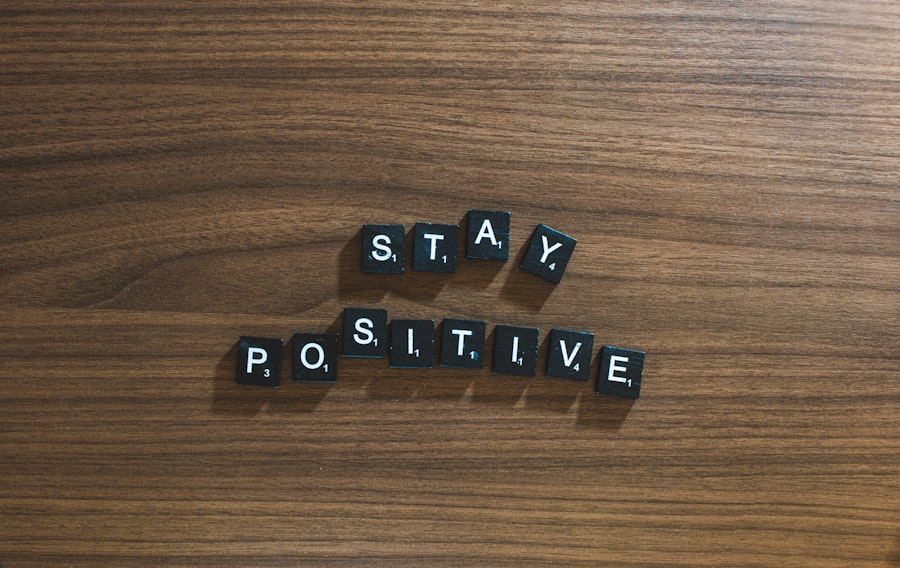
Toxic positivity has been linked to various mental health issues, including anxiety and depression. When you feel compelled to suppress negative emotions in favor of a forced smile, it can create an internal conflict that exacerbates feelings of distress. You may find yourself caught in a cycle where the pressure to appear happy leads to increased anxiety about not living up to those expectations.
This disconnect between your internal emotional state and external presentation can contribute to feelings of inadequacy and self-doubt. Furthermore, toxic positivity can hinder your ability to seek help when needed. If you’ve internalized the belief that expressing negative emotions is unacceptable, you may hesitate to reach out for support during difficult times.
This reluctance can prevent you from accessing valuable resources and connections that could aid in your healing process. Acknowledging the impact of toxic positivity on mental health is crucial for fostering a more compassionate approach toward yourself and others.
The Importance of Embracing and Processing Negative Emotions
Embracing and processing negative emotions is essential for emotional well-being and personal growth. When you allow yourself to feel sadness, anger, or frustration, you’re giving yourself permission to experience the full range of human emotions. This process can lead to greater self-awareness and understanding of your needs and desires.
Instead of viewing negative emotions as something to be feared or avoided, consider them as opportunities for growth and healing.
You might find that journaling, talking with friends, or engaging in creative outlets helps you navigate difficult feelings more effectively.
By acknowledging and working through these emotions, you’re better equipped to face challenges head-on and develop resilience over time. Embracing the complexity of your emotional landscape ultimately leads to a more authentic and fulfilling life.
How Toxic Positivity Can Undermine Authenticity
Toxic positivity can significantly undermine your authenticity by creating a façade that doesn’t reflect your true self. When you’re constantly striving to project an image of happiness and success, you may lose touch with who you genuinely are beneath the surface.
Moreover, the pressure to conform to societal expectations of positivity can stifle creativity and individuality. You might find yourself suppressing unique thoughts or ideas for fear of being perceived as negative or pessimistic. Embracing authenticity means allowing yourself the freedom to express a wide range of emotions without judgment or fear of rejection.
By prioritizing authenticity over toxic positivity, you’re more likely to cultivate meaningful relationships and experiences that resonate with your true self.
The Potential for Gaslighting in Toxic Positivity
Gaslighting is a form of psychological manipulation that seeks to make someone doubt their reality or perceptions. In the context of toxic positivity, this manipulation can occur when individuals dismiss or invalidate your feelings by insisting that you’re simply being negative or ungrateful. You may find yourself questioning your emotions or experiences when faced with such responses, leading to confusion and self-doubt.
This form of gaslighting can be particularly damaging because it reinforces the idea that negative emotions are unacceptable or unwarranted. You might begin to internalize these messages, leading you to suppress your feelings even further in an attempt to conform to societal expectations. Recognizing gaslighting behaviors related to toxic positivity is crucial for reclaiming your emotional autonomy and validating your experiences.
Strategies for Balancing Positivity and Authenticity in Manifestation
Finding a balance between positivity and authenticity is essential for effective manifestation and personal growth. One strategy is practicing mindfulness, which encourages you to acknowledge your thoughts and feelings without judgment. By cultivating awareness of your emotional state, you’re better equipped to navigate both positive and negative experiences with grace and acceptance.
Another effective approach is setting realistic goals that allow for flexibility in your emotional journey. Instead of striving for an unattainable state of constant happiness, focus on creating intentions that honor both your aspirations and your current emotional landscape. This balance enables you to manifest authentically while remaining open to the complexities of life.
Seeking Support and Guidance in Overcoming Toxic Positivity
Overcoming toxic positivity often requires support from others who understand the importance of embracing the full spectrum of human emotions. You might consider seeking guidance from mental health professionals who can provide valuable insights into navigating these challenges effectively. Therapy can offer a safe space for exploring your feelings without judgment while equipping you with tools for managing emotional distress.
Additionally, surrounding yourself with supportive friends or communities that prioritize authenticity can foster an environment where it’s safe to express vulnerability. Engaging in open conversations about emotions can help dismantle the stigma surrounding negativity while promoting healthier coping strategies. Remember that seeking support is not a sign of weakness; rather, it demonstrates strength and a commitment to personal growth.
In conclusion, recognizing the impact of toxic positivity on your emotional well-being is crucial for fostering authenticity and resilience in your life. By embracing both positive and negative emotions, you pave the way for deeper connections with yourself and others while cultivating a more fulfilling existence.
Manifestation and toxic positivity are often intertwined concepts that can lead to unrealistic expectations and emotional distress. For a deeper understanding of how these ideas can impact mental health, you can explore the article on Unplugged Psych, which discusses the nuances of positivity and its potential downsides. Check it out here: Unplugged Psych.
WATCH THIS 🧠 The Manifestation Lie: How It Makes You Toxic and Poor
FAQs
What is toxic positivity?
Toxic positivity is the excessive and ineffective overgeneralization of a happy, optimistic state across all situations. It can result in the denial, minimization, and invalidation of genuine human emotional experiences.
How does toxic positivity manifest in everyday life?
Toxic positivity can manifest as dismissing negative emotions, telling someone to “just stay positive” when they are struggling, or avoiding discussions about difficult feelings. It often involves pressuring others to maintain a cheerful demeanor regardless of their circumstances.
Why is toxic positivity considered harmful?
Toxic positivity is harmful because it invalidates real emotions, discourages people from expressing their true feelings, and can prevent individuals from seeking help or processing their experiences in a healthy way. It may lead to increased stress, anxiety, and feelings of isolation.
How can one differentiate between positivity and toxic positivity?
Healthy positivity acknowledges and accepts negative emotions while encouraging a hopeful outlook. Toxic positivity, on the other hand, ignores or suppresses negative feelings and insists on maintaining a positive attitude at all costs, often to the detriment of emotional well-being.
What are some signs that someone is experiencing toxic positivity?
Signs include feeling pressured to hide negative emotions, receiving dismissive responses when expressing struggles, or experiencing guilt or shame for feeling upset. It may also involve avoiding conversations about difficult topics to maintain a facade of happiness.
How can individuals avoid practicing toxic positivity?
Individuals can avoid toxic positivity by validating their own and others’ emotions, allowing space for negative feelings, practicing empathy, and encouraging open and honest communication about all emotional experiences.
Can toxic positivity affect mental health?
Yes, toxic positivity can negatively impact mental health by causing emotional suppression, increasing feelings of loneliness, and preventing individuals from addressing underlying issues that require attention or support.
What are healthier alternatives to toxic positivity?
Healthier alternatives include practicing emotional acceptance, offering supportive listening, encouraging problem-solving, and promoting resilience without dismissing or invalidating difficult emotions.