
In the pursuit of spiritual development, individuals often find comfort within spiritual communities. These groups typically offer a sense of belonging, common beliefs, and shared practices that can be deeply rewarding. However, it’s important to acknowledge that such communities may inadvertently promote isolation.
When deeply involved in a spiritual community, personal convictions can become indistinguishable from group doctrines, potentially leading to disconnection from broader society. This isolation manifests in various forms, including emotional detachment and reduced engagement with diverse perspectives. As individuals become more immersed in their spiritual community’s practices and teachings, they may gradually separate themselves from friends, family members, and independent critical thinking.
The appeal of collective experiences and the reassurance provided by like-minded companions can create an environment where contrary opinions are discouraged or rejected. This situation can result in a restricted worldview, where community beliefs become the exclusive framework for interpreting reality. Recognizing this potential isolation is essential for maintaining a balanced spiritual path that respects both community involvement and personal autonomy.
Key Takeaways
- Spiritual community isolation can lead to psychological harm and increased vulnerability to cult-like dynamics.
- Lack of accountability and oversight in isolated groups raises the risk of spiritual abuse.
- Isolation stifles individual growth, authenticity, and exposure to diverse perspectives.
- Groupthink and difficulty recognizing warning signs are common dangers in insular spiritual communities.
- Establishing healthy boundaries and seeking balanced connections are crucial for positive spiritual engagement.
The Psychological Impact of Isolation
The psychological ramifications of isolation within a spiritual community can be profound. When you find yourself surrounded by individuals who share your beliefs, it may initially feel comforting. However, this comfort can quickly turn into a psychological trap.
This dissonance can create anxiety and confusion, making it difficult for you to navigate your spiritual path authentically. Moreover, the emotional toll of isolation can lead to feelings of inadequacy or self-doubt.
You may begin to question your worth or your spiritual journey if it deviates from the community’s norms. This pressure to conform can stifle your personal growth and lead to a sense of despair when you realize that your individual experiences do not align with the collective narrative. Recognizing these psychological impacts is vital for fostering resilience and ensuring that your spiritual journey remains a source of empowerment rather than a source of distress.
The Risk of Cult-like Behavior
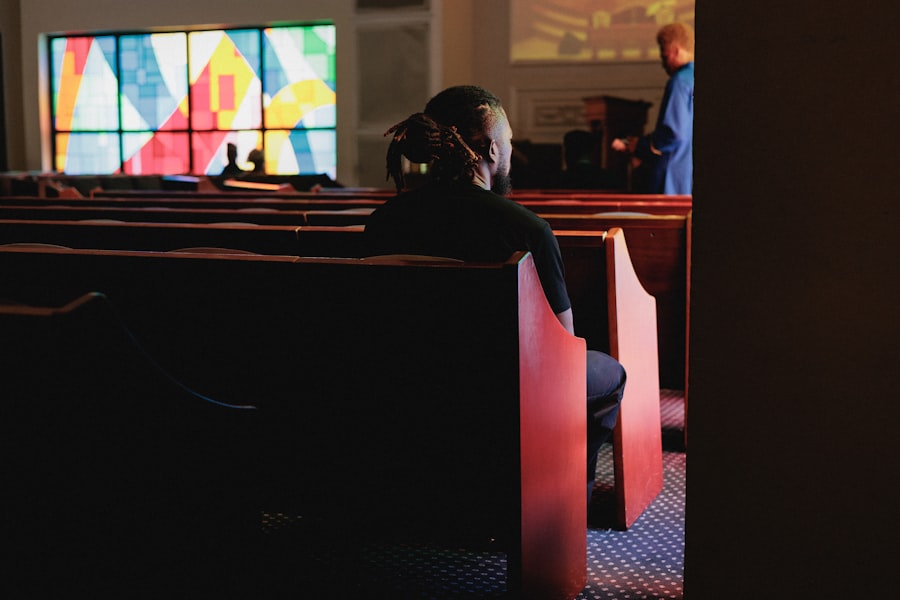
One of the most concerning aspects of spiritual community isolation is the potential for cult-like behavior to emerge. When you are part of a tightly-knit group that discourages outside influences, it becomes easier for charismatic leaders to manipulate beliefs and behaviors. The allure of belonging can blind you to red flags, making it challenging to recognize when a community crosses the line into unhealthy territory.
This risk is particularly pronounced when leaders wield significant power over their followers, often demanding unwavering loyalty and obedience. Cult-like behavior can manifest in various ways, from the imposition of strict rules to the demonization of dissenters. You may find yourself pressured to conform to practices or beliefs that do not resonate with your authentic self.
The fear of ostracism or rejection can further entrench you in these dynamics, making it increasingly difficult to break free from the cycle of control. Understanding the signs of cult-like behavior is essential for safeguarding your spiritual well-being and ensuring that your community fosters growth rather than manipulation.
Lack of Accountability and Oversight
In many spiritual communities, especially those that operate in isolation, there is often a significant lack of accountability and oversight.
This absence of accountability can lead to abuses of power, where leaders exploit their positions for personal gain or manipulate followers for their own agendas.
Without external oversight, it becomes challenging for members like you to voice concerns or challenge authority. The fear of being labeled as disloyal or disruptive can silence dissenting voices, allowing harmful practices to persist unchecked. This lack of accountability not only jeopardizes individual well-being but also undermines the integrity of the community as a whole.
Recognizing the importance of accountability within spiritual communities is crucial for fostering an environment where members feel safe to express their concerns and seek justice when necessary.
The Potential for Spiritual Abuse
| Metric | Description | Potential Impact | Example |
|---|---|---|---|
| Social Isolation | Degree to which members are cut off from outside social networks | Increased loneliness, depression, and reduced support systems | Members discouraged from maintaining outside friendships |
| Psychological Manipulation | Use of mind control or coercive persuasion techniques | Loss of autonomy, increased dependency on community | Leaders enforcing strict obedience and thought control |
| Emotional Abuse | Use of shame, guilt, or fear to control members | Lowered self-esteem, anxiety, and emotional distress | Public shaming for questioning beliefs |
| Financial Exploitation | Pressure to donate or contribute beyond means | Financial hardship, indebtedness | Mandatory tithing or large donations |
| Loss of Critical Thinking | Discouragement of questioning or skepticism | Blind acceptance of harmful practices or beliefs | Labeling dissenters as disloyal or evil |
| Physical Isolation | Geographical or environmental separation from society | Limited access to healthcare, education, and emergency services | Communities located in remote areas |
| Exit Barriers | Difficulty or fear associated with leaving the community | Trapped members, ongoing psychological harm | Threats of ostracism or spiritual condemnation |
Spiritual abuse is a grave concern within isolated communities, where power dynamics can become skewed and toxic. When you place your trust in leaders who claim to have divine insight or authority, there is a risk that they may exploit this trust for their own benefit. Spiritual abuse can take many forms, from emotional manipulation to financial exploitation, leaving lasting scars on those who experience it.
The insidious nature of spiritual abuse often makes it difficult for victims to recognize what is happening. You may find yourself questioning your own perceptions or feeling guilty for doubting the intentions of those in power. This internal conflict can lead to feelings of shame and isolation, further entrenching you in an abusive environment.
Acknowledging the potential for spiritual abuse within isolated communities is essential for protecting yourself and others from harm.
Stifling of Individual Growth and Authenticity

In an environment where conformity is valued over individuality, your personal growth and authenticity may be stifled. When you are surrounded by individuals who share similar beliefs, there can be an unspoken pressure to suppress your unique experiences and insights in favor of group consensus. This stifling effect can hinder your ability to explore your spirituality in a way that feels genuine and fulfilling.
As you navigate your spiritual journey, it is crucial to honor your individuality and embrace the diverse aspects of your identity. When you allow yourself to express your thoughts and feelings authentically, you create space for personal growth and transformation. Recognizing the importance of individual expression within spiritual communities can help you cultivate an environment that celebrates diversity rather than suppresses it.
Limited Exposure to Diverse Perspectives
Isolation within spiritual communities often leads to limited exposure to diverse perspectives. When you surround yourself exclusively with individuals who share your beliefs, you may inadvertently close yourself off from valuable insights that could enrich your spiritual journey. Engaging with differing viewpoints can challenge your assumptions and encourage deeper reflection on your beliefs.
The absence of diverse perspectives can create an echo chamber where ideas go unchallenged, leading to stagnation in personal growth. By seeking out opportunities to engage with individuals from different backgrounds or belief systems, you open yourself up to new ideas and experiences that can enhance your understanding of spirituality. Embracing diversity not only broadens your horizons but also fosters empathy and compassion toward others.
The Danger of Groupthink
Groupthink is a psychological phenomenon that occurs when the desire for harmony within a group leads to poor decision-making and a lack of critical analysis. In isolated spiritual communities, this tendency can be particularly pronounced as members prioritize conformity over independent thought. When you find yourself caught up in groupthink, you may suppress doubts or concerns in favor of maintaining group cohesion.
The dangers of groupthink are manifold; it can lead to misguided beliefs, harmful practices, and an overall lack of accountability. As you navigate your spiritual journey, it is essential to cultivate an environment that encourages open dialogue and critical thinking. By challenging assumptions and inviting diverse perspectives, you can mitigate the risks associated with groupthink and foster a more dynamic and healthy community.
Difficulty in Recognizing Warning Signs
When immersed in an isolated spiritual community, recognizing warning signs becomes increasingly challenging. The very nature of isolation can create blind spots that prevent you from seeing unhealthy dynamics at play. You may become desensitized to red flags or rationalize harmful behaviors as part of the spiritual journey.
This difficulty in recognizing warning signs can leave you vulnerable to manipulation or abuse. To combat this challenge, it is essential to cultivate self-awareness and remain attuned to your feelings and instincts. Trusting your intuition can help you identify when something feels off within the community dynamics.
Additionally, seeking external perspectives from trusted friends or mentors outside the community can provide valuable insights that may help illuminate potential issues.
The Importance of Healthy Boundaries
Establishing healthy boundaries is crucial for maintaining your well-being within any spiritual community. When you prioritize connection over personal boundaries, you risk losing sight of your own needs and values. Healthy boundaries allow you to engage with others while still honoring your individuality and autonomy.
By setting clear boundaries around what is acceptable for you—whether in terms of time, emotional investment, or participation in certain practices—you create a framework that protects your well-being. Communicating these boundaries openly with others fosters mutual respect and understanding within the community. Recognizing the importance of healthy boundaries empowers you to engage authentically while safeguarding against potential harm.
Finding Balance and Connection in Spiritual Communities
Ultimately, finding balance within spiritual communities requires intentional effort and self-reflection. It is possible to cultivate meaningful connections while still honoring your individuality and critical thinking skills. By actively seeking out diverse perspectives and engaging in open dialogue, you create an environment that fosters growth rather than stifles it.
As you navigate your spiritual journey, remember that connection does not have to come at the expense of authenticity. Embrace opportunities for collaboration while remaining true to yourself. By prioritizing balance and connection within your spiritual community, you can create a space that nurtures both collective growth and individual expression—allowing everyone involved to flourish on their unique paths toward enlightenment.
In exploring the potential dangers of spiritual communities and the isolation they can foster, it’s important to consider the insights shared in various articles on the subject. One such article can be found on Unplugged Psych, which delves into the psychological impacts of belonging to these groups and the risks of emotional detachment from the outside world. For more information, you can read the article [here](https://www.unpluggedpsych.com/).
FAQs
What are some common dangers associated with spiritual communities?
Common dangers in spiritual communities can include manipulation or control by leaders, emotional or psychological abuse, financial exploitation, and the suppression of individual autonomy. Some communities may also isolate members from outside influences, which can lead to dependency and vulnerability.
How can isolation occur within spiritual communities?
Isolation can occur when members are encouraged or required to cut ties with family, friends, or society outside the community. This may be done to maintain control, reinforce group beliefs, or prevent exposure to differing viewpoints, leading to social and emotional isolation.
Why is isolation in spiritual communities considered harmful?
Isolation can be harmful because it limits access to diverse perspectives and support systems, increases dependence on the community or its leaders, and can contribute to mental health issues such as anxiety, depression, or feelings of helplessness.
Are all spiritual communities dangerous or isolating?
No, not all spiritual communities are dangerous or isolating. Many provide positive support, personal growth, and a sense of belonging without coercion or control. It is important to assess each community individually based on its practices and treatment of members.
What signs might indicate a spiritual community is becoming harmful or isolating?
Signs include pressure to sever outside relationships, demands for excessive financial contributions, lack of transparency, discouragement of questioning or dissent, controlling behavior by leaders, and members experiencing fear or guilt when considering leaving.
How can someone protect themselves from dangers in spiritual communities?
Individuals can protect themselves by researching the community thoroughly, maintaining connections with trusted friends and family, setting personal boundaries, seeking outside advice, and being cautious of any group that discourages critical thinking or isolates members.
What should someone do if they feel trapped or harmed in a spiritual community?
They should seek support from trusted individuals outside the community, such as friends, family, or professional counselors. Contacting organizations that specialize in cult recovery or spiritual abuse can also provide guidance and assistance in safely leaving the community.