You stand at the precipice of understanding a curious anomaly within your own biological machinery: the “biological empathy glitch.” This isn’t a malfunction in the traditional sense, like a sputtering engine or a failing circuit board. Rather, it’s a profound, sometimes disquieting, characteristic of your capacity for empathy, a feature that allows you to connect with others but also carries inherent vulnerabilities. You’ve likely experienced its effects, perhaps unknowingly, as you navigate the intricate web of human interaction.
Empathy, at its core, is your ability to understand and share the feelings of another. It’s often lauded as a cornerstone of human decency, fostering cooperation and social cohesion. Imagine it as an internal compass, guiding your responses to the emotional states of those around you. When functioning optimally, this compass helps you navigate social landscapes with grace and understanding. However, like any sophisticated instrument, it can be subject to external interference or internal quirks, leading to what we term the “biological empathy glitch.”
Defining Empathy: More Than Just Sympathy
Before delving into the glitches, it’s crucial to distinguish empathy from mere sympathy. You might feel sympathy for a stranger experiencing hardship, a sense of sorrow for their plight, but true empathy requires a deeper engagement. It demands that you project yourself into their emotional space, to feel with them, not just for them. This distinction is vital for understanding why the “glitch” manifests in certain ways.
The Cognitive and Affective Split
Your empathetic responses aren’t monolithic. Research suggests a fundamental division within your empathetic capacity:
- Cognitive Empathy (Perspective Taking): This is your ability to intellectually understand another person’s feelings and thoughts. You can, for instance, logically deduce why someone might be angry, even if you don’t personally feel angry. Think of it as putting yourself in their shoes mentally.
- Affective Empathy (Emotional Contagion): This involves experiencing or sharing the emotions of another person. When you see someone in pain and feel a pang of sadness yourself, that’s affective empathy at work. It’s an emotional resonance, a mirroring of their internal state.
The “biological empathy glitch” often involves an imbalance or misapplication of these two distinct forms of empathy, leading to both beneficial and detrimental outcomes.
Biological empathy glitch refers to the phenomenon where individuals struggle to empathize with others due to various biological or psychological factors. For a deeper understanding of this concept, you can explore the article on Unplugged Psych, which delves into the intricacies of empathy and its biological underpinnings. To read more, visit this article for insights on how our biology can influence our ability to connect with others emotionally.
The Empathy Tax: When Your Compass Overloads
While vital, your capacity for empathy isn’t without its costs. Repeated or intense empathetic engagement can exact a heavy toll, a phenomenon often referred to as the “empathy tax.” This isn’t a conceptual fee you pay but a tangible drain on your emotional and cognitive resources.
Compassion Fatigue and Burnout
You may have experienced this tax if you work in a demanding caregiving profession, such as healthcare or social work. Imagine spending your days immersed in the suffering of others. Over time, your empathetic reserves can become depleted, leading to:
- Emotional Exhaustion: A pervasive feeling of being drained and worn out, unable to replenish your emotional energy.
- Depersonalization: A cynical or detached attitude towards your work or those you are trying to help. You might start to view individuals as cases rather than people.
- Reduced Personal Accomplishment: A feeling of ineffectiveness and a lack of achievement, despite your efforts.
This process is akin to a finely tuned instrument being played incessantly without proper maintenance; eventually, its performance degrades. Your empathetic compass, while robust, has its limits.
The Problem of Vicarious Trauma
Beyond fatigue, your empathy can expose you to vicarious trauma. This occurs when you absorb the emotional distress of others, particularly those who have experienced abuse, violence, or profound loss. You haven’t personally endured the trauma, but through your empathetic connection, you begin to exhibit symptoms similar to those who have. This is a powerful demonstration of the “empathy glitch” – your system, designed for connection, inadvertently downloads the adverse experiences of others.
The Empathy Gap: When Your Compass Fails to Register

Conversely, the “biological empathy glitch” can also manifest as an “empathy gap,” a failure or difficulty in perceiving and responding to the emotional states of others. This isn’t necessarily a malicious act but rather a systemic limitation or occasional malfunction.
The In-Group/Out-Group Bias
You naturally categorize people, a fundamental cognitive shortcut that helps you navigate social complexities. However, this categorization can profoundly impact your empathetic responses. You are biologically predisposed to feel greater empathy for those you perceive as part of your “in-group” – your family, friends, community, or even those sharing similar beliefs.
- Reduced Empathy for the “Other”: When confronted with the suffering of someone from an “out-group” – a different culture, ethnicity, or political persuasion – your empathetic compass may register a weaker signal, or even none at all. This isn’t necessarily a conscious decision but a subtle bias embedded in your neural architecture.
- Dehumanization: In extreme cases, this bias can lead to the dehumanization of out-group members, making it easier to overlook their pain or justify harm against them. Historically, you can observe this phenomenon in conflicts and atrocities.
Understanding this bias is crucial. It highlights how your empathy isn’t a universally applied force but is often filtered through your social conditioning and ingrained tribal loyalties.
The Role of Stress and Cognitive Load
Your empathetic capacity is not immune to the pressures of daily life. When you are under significant stress or experiencing high cognitive load – trying to juggle multiple tasks, solve complex problems, or cope with overwhelming information – your ability to effectively engage your empathetic compass diminishes.
- Resource Depletion: Empathy, particularly cognitive empathy, requires mental resources. When these resources are already taxed, your brain prioritizes more immediate survival or task-oriented functions, leaving less bandwidth for complex emotional processing.
- Tunnel Vision: Stress can narrow your focus, making you less attuned to subtle cues from others. You might become so internally preoccupied that you simply don’t notice someone else’s distress.
This isn’t a moral failing but a biological constraint. Your empathetic system, like any other, operates best under optimal conditions.
The Empathy Paradox: When Good Intentions Lead to Unintended Consequences

Here lies a particularly perplexing aspect of the “biological empathy glitch”: the empathy paradox. Your natural inclination to connect with and alleviate the suffering of others can, under certain circumstances, lead to outcomes that are counterproductive or even harmful.
The Perils of Over-Identification
While feeling with someone is central to empathy, overly identifying with another’s pain can blur the lines between your own emotional experience and theirs.
- Loss of Objectivity: When you become too immersed in another’s suffering, you risk losing your objective perspective. This can hinder your ability to offer practical advice or make sound decisions, as your judgment becomes clouded by their emotional state.
- Enabling Undesirable Behavior: In some interpersonal dynamics, particularly those involving addiction or unhealthy codependency, excessive affective empathy can inadvertently enable destructive patterns. Your desire to alleviate their immediate distress might lead you to take actions that prevent them from facing consequences necessary for long-term change.
Imagine you are trying to help someone navigate a dense fog. If you allow yourself to become just as disoriented as they are, neither of you will find your way out. You need to maintain a degree of clarity to be truly helpful.
The Bystander Effect Reinvented
You’re likely familiar with the bystander effect, where individuals are less likely to offer help to a victim when other people are present. The “empathy glitch” can contribute to a nuanced version of this phenomenon.
- Diffusion of Responsibility: While primarily a cognitive phenomenon, your empathetic response can be diluted in a group setting. You might assume others have already taken action, or that your individual empathetic impulse isn’t as critical when spread amongst many.
- The “Empathetic Overload” Bystander: In situations of widespread suffering (e.g., natural disasters, global crises), the sheer scale of the problem can trigger an empathetic overload. Your brain, unable to process the enormity of the pain, might simply shut down, leading to a sense of numbness and inaction. This isn’t a lack of caring but a protective mechanism against overwhelming emotional input.
Your empathetic system, while designed for connection, can also falter when confronted with stimuli beyond its processing capacity.
Biological empathy glitch is a fascinating concept that explores the disconnect between emotional understanding and biological responses. For those interested in delving deeper into this topic, a related article provides valuable insights into the complexities of human emotions and their physiological underpinnings. You can read more about it in this informative piece, which discusses how our brains process empathy and the potential implications of these glitches in our social interactions.
Navigating the Glitch: Strategies for a More Balanced Empathy
| Aspect | Description | Biological Basis | Impact on Empathy | Example |
|---|---|---|---|---|
| Mirror Neuron Dysfunction | Impairment in neurons that simulate others’ actions/emotions | Reduced activity in premotor cortex and inferior parietal lobule | Difficulty in understanding and sharing others’ feelings | Autism Spectrum Disorder showing reduced empathy responses |
| Oxytocin Regulation Anomaly | Abnormal oxytocin levels affecting social bonding | Hypothalamic-pituitary axis irregularities | Lowered capacity for emotional connection and trust | Social anxiety linked to oxytocin receptor gene variations |
| Amygdala Hyperactivity | Excessive emotional response to social stimuli | Increased amygdala activation during emotional processing | Overwhelming emotional reactions impairing empathy | Post-traumatic stress disorder causing empathy overload |
| Prefrontal Cortex Hypoactivity | Reduced executive control over emotional responses | Decreased activity in medial prefrontal cortex | Difficulty regulating empathetic responses and perspective-taking | Schizophrenia patients showing impaired social cognition |
| Neurochemical Imbalance | Altered serotonin and dopamine levels affecting mood | Disrupted neurotransmitter pathways in limbic system | Fluctuating empathy levels and emotional instability | Depression linked to reduced empathetic engagement |
Acknowledging the “biological empathy glitch” isn’t an indictment of your humanity; it’s an opportunity for greater self-awareness and more effective engagement with the world. You can, and should, learn to navigate these inherent complexities.
Cultivating Self-Compassion
Before you can effectively deploy your empathetic compass for others, you must first turn it inward. Self-compassion is not self-pity but a recognition of your own humanity, your flaws, and your struggles.
- Acknowledge Your Limitations: Understand that your empathetic capacity has boundaries. It’s not a limitless resource.
- Practice Self-Care: Engage in activities that replenish your emotional and mental reserves. Just as a battery needs recharging, so does your empathetic system.
- Mindfulness: Pay attention to your own emotional state. Recognize when you are experiencing empathy overload or fatigue.
By nurturing yourself, you create a more stable foundation from which to offer genuine and sustainable empathy to others.
Developing Regulated Empathy
The goal isn’t to suppress empathy but to regulate it. Think of it like a dimmer switch rather than an on/off button. You want to learn to adjust the intensity of your empathetic response depending on the context.
- Practicing Perspective-Taking (Cognitive Empathy): Actively engage your intellectual capacity to understand another’s experience without necessarily absorbing their emotions. Ask yourself: “What might it be like to be in their situation?”
- Boundary Setting: Learn to create healthy emotional boundaries. It’s acceptable, and often necessary, to protect your own emotional space from the overwhelming pain of others, especially when you are not in a position to directly help.
- Strategic Detachment: In certain professional contexts, a degree of strategic detachment allows you to remain effective and objective. This isn’t coldness but a conscious choice to manage your emotional exposure.
You are the operator of your empathetic compass. Learning to calibrate it precisely will allow you to be more broadly effective.
Bridging the Empathy Gap Consciously
Combating the in-group/out-group bias requires deliberate effort. Your unconscious biases are powerful, but they are not insurmountable.
- Seek Diverse Perspectives: Actively expose yourself to narratives and experiences from individuals outside your immediate social circle. Read broadly, engage in conversations with people from different backgrounds, and challenge your assumptions.
- Common Humanity: Remind yourself of the shared human experience – the universal desires for safety, love, and belonging, and the universal experience of pain and loss. Focusing on these commonalities can help to dismantle the perception of “otherness.”
- Challenging Dehumanization: When you encounter language or attitudes that dehumanize others, recognize it for what it is and actively counter it, both within yourself and in your interactions with others.
Your empathetic default may be biased, but your conscious mind has the power to override these default settings and expand your circle of concern.
The “biological empathy glitch” is a testament to the intricate and sometimes messy reality of being human. It’s not a flaw to be eradicated but a feature to be understood, managed, and harnessed. By understanding its mechanisms, its benefits, and its inherent vulnerabilities, you can become a more thoughtful, resilient, and, ultimately, more effective empathetic individual. Your internal compass is a powerful tool; learn to read its quirks, compensate for its deviations, and wield it with conscious intent.
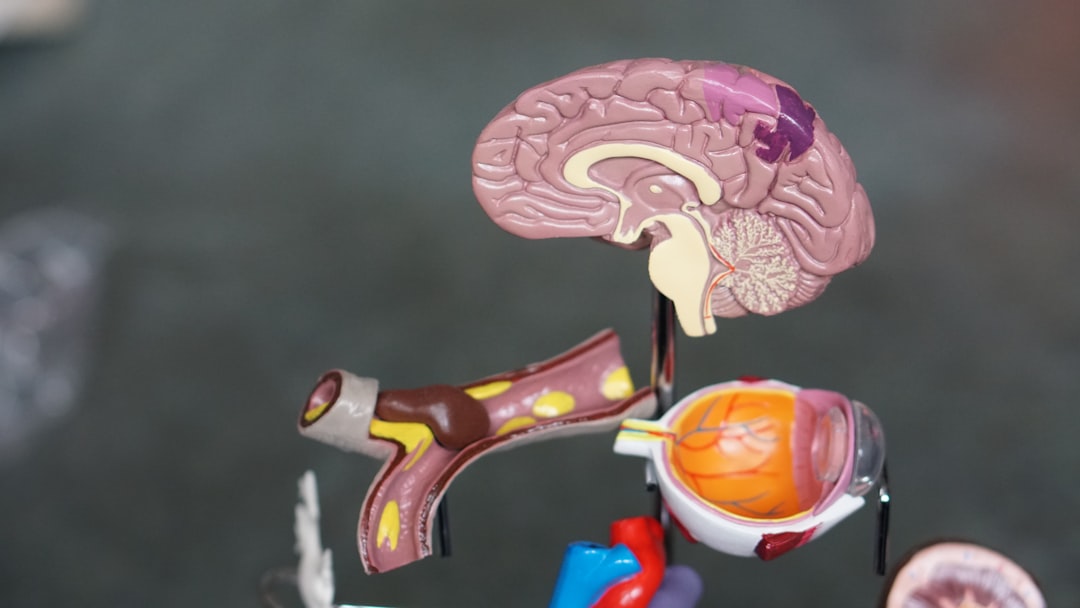
WARNING: Your Empathy Is a Biological Glitch (And They Know It)
FAQs
What is biological empathy?
Biological empathy refers to the innate ability of humans and some animals to understand and share the feelings of others through neurological and physiological processes. It involves brain regions such as the mirror neuron system, which helps individuals simulate and respond to others’ emotions.
What does the term “empathy glitch” mean in a biological context?
An empathy glitch refers to a disruption or malfunction in the biological mechanisms that enable empathy. This can result in difficulties recognizing, understanding, or responding to others’ emotions, often linked to neurological or psychological conditions.
Which brain areas are involved in biological empathy?
Key brain areas involved in biological empathy include the anterior insula, anterior cingulate cortex, and mirror neuron system located in the premotor cortex and inferior parietal lobule. These regions work together to process emotional and social information.
What causes an empathy glitch biologically?
Empathy glitches can be caused by genetic factors, brain injuries, neurodevelopmental disorders such as autism spectrum disorder, or psychiatric conditions like psychopathy. These factors may impair the function or connectivity of empathy-related brain regions.
Can biological empathy glitches be treated or improved?
While some empathy impairments are challenging to fully reverse, interventions such as cognitive-behavioral therapy, social skills training, and certain medications can help improve empathetic abilities. Ongoing research is exploring neurofeedback and brain stimulation techniques as potential treatments.