
You often find yourself seeking out quiet corners, moments where the buzz of conversation fades into a gentle hum that only you can truly hear. This isn’t a sign of social deficiency, nor is it a declaration of being fundamentally flawed. It’s simply a manifestation of introspection, an innate pull towards the restorative power of solitude. Understanding the psychology behind your inclination to be a loner offers valuable insights into your well-being, your cognitive processes, and your approach to the world.
The common narrative often paints loners as either reclusive misanthropes or desperately shy individuals. However, the reality is far more nuanced. Your preference for solitude exists on a spectrum, a dynamic interplay between personality traits, situational factors, and individual needs.
Introversion vs. Shyness: A Crucial Distinction
You might often hear yourself described as shy, and while there can be overlap, they are distinct. Shyness is a social anxiety, a fear of social judgment and negative evaluation that can lead to avoidance of social situations. You, on the other hand, may not fear social interaction itself, but rather find it energetically draining.
- Energy Recharge: For you, social encounters, even positive ones, can deplete your energy reserves. Solitude is your antidote, the space where you naturally replenish your mental and emotional batteries. This isn’t a rejection of others; it’s a fundamental difference in how you process and engage with the world.
- Processing Information: You likely process information internally. While others might vocalize their thoughts in a group setting, you prefer to mull things over in your own space, dissecting ideas and emotions before articulating them, if at all.
- Comfort in Self: Your comfort doesn’t solely stem from the absence of others, but from the presence of your own thoughts and internal landscape. You find a quiet reassurance in your own company.
Voluntary vs. Involuntary Solitude
It’s essential to differentiate between chosen solitude and enforced isolation. You actively seek out moments alone, and this distinction is key to its benefits.
- Chosen Solitude as Empowerment: When you choose to be alone, you exert control over your environment and your social interactions. This agency is empowering and fuels your sense of self-direction.
- The Pitfalls of Isolation: Involuntary solitude, such as during periods of loneliness or social exclusion, can be detrimental to your mental health, leading to feelings of sadness, anxiety, and despair. This is not the type of solitude you embrace.
The Evolutionary Roots of Solitude
The inclination towards periods of individual reflection is not a modern anomaly. It likely has evolutionary underpinnings, offering distinct advantages for survival and cognitive development.
- Risk Assessment and Planning: Our ancestors likely benefited from periods of solitary observation and contemplation. This allowed for careful assessment of threats, strategizing for hunts or migrations, and planning for future needs without the immediate influence or pressures of the group.
- Skill Development and Mastery: Achieving proficiency in any skill, from tool-making to understanding complex natural environments, often requires focused, uninterrupted practice. Solitude provides the ideal environment for this deep concentration and mastery.
- Independent Problem-Solving: While group solutions can be effective, independent thinkers can also forge novel approaches to challenges. These periods of solitary thought allow for the exploration of unconventional ideas and the development of unique solutions.
Exploring the psychological benefits of solitude can provide valuable insights into the advantages of being a loner. For those interested in understanding how embracing solitude can lead to increased self-awareness and creativity, a related article can be found at Unplugged Psychology. This resource delves into the positive aspects of spending time alone and how it can foster personal growth and mental well-being.
The Cognitive Advantages of Embracing Your Inner Space
Your preference for solitude isn’t merely a matter of comfort; it is a fertile ground for enhanced cognitive functions. When you retreat into your own world, you’re not disengaging; you’re actively engaging with your mind in a profound way.
Deep Concentration and Focus
Your ability to concentrate for extended periods without external distraction is a hallmark of your solitary nature. This allows for a depth of engagement that can be challenging for those who are constantly attuned to their surroundings.
- The Flow State: Solitude often facilitates access to the “flow state,” the mental state of operation in which a person performing an activity is fully immersed in a feeling of energized focus, full involvement, and enjoyment in the process of the activity. You are more likely to achieve this state when you can control your environment and minimize interruptions.
- Undistracted Learning: Absorption of complex information, from intricate academic subjects to learning a new skill, is often more effective when you can dedicate your full attention without the fractured focus that social environments can impose.
- Problem-Solving Prowess: Complex problems often require sustained, uninterrupted thought. Your capacity for deep concentration means you can delve into challenges, dissecting them from multiple angles without the pressure of immediate answers or the distraction of group dynamics.
Enhanced Creativity and Idea Generation
It’s often in the quiet of your own mind that your most original thoughts take flight. Solitude provides the necessary space for your subconscious to work its magic.
- Incubation Period: Creative breakthroughs often occur after a period of incubation, where an idea has been consciously considered and then allowed to simmer in the background. Your regular retreats into solitude offer the perfect conditions for this incubation to occur naturally.
- Unfiltered Imagination: Without the constraints of social expectations or the pressure to conform, your imagination can roam freely, connecting disparate ideas and generating novel concepts. You’re less likely to self-censor when you’re alone.
- Novel Connections: The ability to see patterns and make connections between seemingly unrelated concepts is a hallmark of creativity. Your introspective nature allows you to explore these internal links without the immediate need for validation.
Self-Awareness and Introspection
The practice of being alone with your thoughts is a direct path to deeper self-understanding. You are uniquely positioned to observe your own mental and emotional landscape.
- Emotional Processing: Solitude allows you to unpack and process your emotions without the influence of others’ reactions or immediate social demands. You can sit with your feelings, understand their origins, and develop strategies for managing them.
- Value Clarification: Regularly engaging with your inner world helps you to identify and clarify your core values, beliefs, and aspirations. This self-knowledge is essential for making decisions that are aligned with your authentic self.
- Identifying Strengths and Weaknesses: In the quiet of solitude, you can objectively assess your strengths and areas for growth. This self-awareness is crucial for personal development and setting realistic goals.
The Emotional Benefits of Nurturing Your Inner World

While often perceived as emotionally detached, your preference for solitude can actually foster a richer and more resilient emotional life. It’s about understanding and managing your emotions rather than suppressing them.
Emotional Regulation and Resilience
Your ability to regulate your emotions is often strengthened by your practice of solitude. You develop internal coping mechanisms that allow you to navigate challenges effectively.
- Calming the Nervous System: Engaging in solitary activities that you find enjoyable and calming can act as a powerful stress reliever, helping to lower cortisol levels and promote a sense of inner peace. Activities like reading, journaling, or engaging in a quiet hobby serve this purpose.
- Developing Self-Soothing Skills: You learn to comfort and support yourself independently. This self-reliance in emotional matters builds resilience, making you less vulnerable to the impact of external stressors.
- Detachment from Emotional Contagion: In social settings, it’s easy to absorb the emotions of others. Solitude provides a buffer, allowing you to maintain your emotional equilibrium and avoid being overwhelmed by the collective mood.
Reduced Anxiety and Overwhelm
The constant barrage of social stimuli can be a significant source of anxiety for many. Your inclination towards solitude offers a natural antidote.
- Escaping Social Pressure: You can sidestep the pressure to perform, conform, or constantly engage in small talk, which can be draining and anxiety-inducing.
- Mindfulness and Presence: Solitude offers an excellent opportunity to practice mindfulness. By focusing on the present moment without external distractions, you can reduce rumination on past events or worries about the future.
- Controlled Social Exposure: You are more likely to manage your social interactions strategically, choosing times and settings that feel comfortable and manageable. This controlled exposure prevents overwhelming social fatigue.
Deeper Self-Acceptance and Contentment
Embracing your solitary nature fosters a profound sense of self-acceptance and can lead to a more profound and sustainable form of contentment.
- Independence from External Validation: When you are comfortable in your own company, you rely less on external validation for your worth. This independence is liberating and fosters a stronger sense of self-esteem.
- Appreciating Simple Pleasures: Your solitary moments often allow you to find joy in simple, often overlooked, pleasures – the warmth of a cup of tea, the changing light outside your window, the quiet satisfaction of completing a personal project.
- Authentic Happiness: True contentment stems from within. By cultivating a rich inner life, you are more likely to experience a sense of happiness that is grounded and enduring, rather than fleeting and dependent on external circumstances.
Loneliness vs. Solitude: Drawing the Essential Distinction
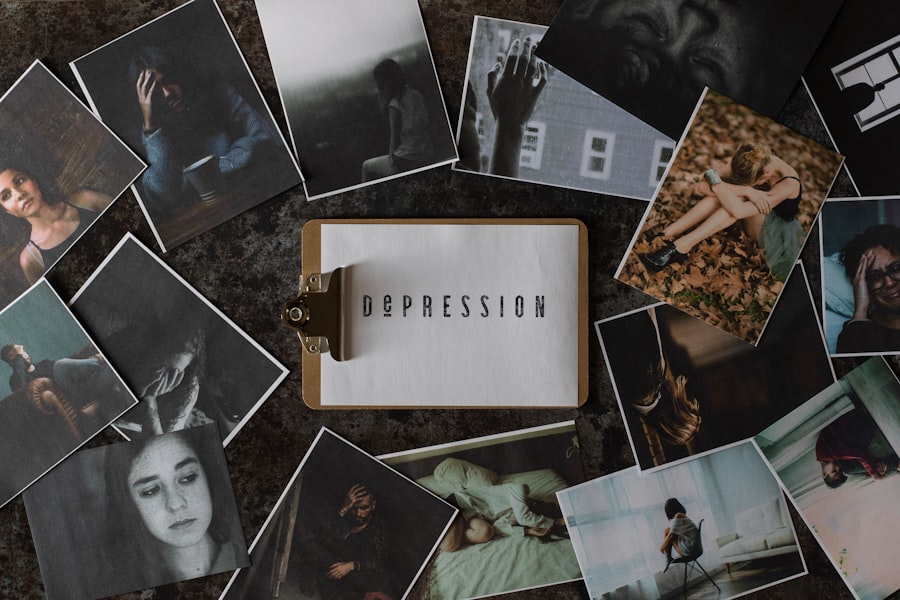
It is critical to understand that your embrace of solitude is not a capitulation to loneliness. The psychological underpinnings and experiences are vastly different, and confusing the two can lead to misinterpretations of your needs and motivations.
The Active Choice in Solitude
Solitude, for you, is an active and intentional choice. It’s a chosen state, a deliberate act of seeking out space for introspection, rejuvenation, or focused engagement.
- Sense of Control: You feel in control of your social life and your environment. You can opt in and out of social interaction as your energy and needs dictate.
- Purposeful Engagement: Your solitary time is often purposeful, dedicated to activities that nourish your mind, spirit, or creative pursuits. It’s not about emptiness; it’s about filling your own cup.
- Recharge Mechanism: You view solitude as a vital part of your well-being maintenance, akin to sleep or healthy eating. It’s a necessary component for optimal functioning.
The Passive Experience of Loneliness
Loneliness, conversely, is a painful and unwelcome emotional state characterized by a perceived lack of connection and a desire for companionship that is unmet.
- Lack of Control: You feel a lack of agency in your social situation. You may desire connection but feel unable to achieve it, leading to feelings of helplessness.
- Unwanted Emptiness: Loneliness is often associated with a void, a feeling of isolation and disconnection that is deeply distressing.
- Negative Self-Perception: Loneliness can erode self-esteem, leading to critical self-judgment and a belief that you are somehow fundamentally unlovable or unwanted.
The Social Connection Paradox
It may seem counterintuitive, but your ability to effectively choose solitude can actually enhance the quality of your social connections when you do engage.
- Meaningful Interactions: When you choose to socialize, you are likely doing so from a place of genuine desire and energy, leading to more meaningful and fulfilling interactions. You are not engaging out of obligation or desperation.
- Selective Engagement: You are more discerning about who you spend your time with, prioritizing relationships that are authentic and enriching. This leads to a higher quality of connection.
- Appreciation of Social Time: Because you value your solitary time, your moments of social connection are often more deeply appreciated and savored.
Many people often overlook the psychological benefits of solitude, but embracing the life of a loner can lead to increased self-awareness and creativity. For those interested in exploring this topic further, a related article discusses how solitude can enhance personal growth and emotional resilience. You can read more about it in this insightful piece on the benefits of being a loner in psychology by visiting this link. Understanding the positive aspects of spending time alone can help individuals appreciate their own company and foster a deeper connection with themselves.
Building a Fulfilling Life Through Introspection and Independence
| Benefits of Being a Loner | Psychological Impact |
|---|---|
| Increased creativity | Being alone can foster creativity and allow for deep thinking. |
| Improved self-awareness | Spending time alone can help individuals better understand themselves and their emotions. |
| Enhanced problem-solving skills | Being alone can provide the space and quiet needed to effectively solve problems. |
| Greater independence | Loner individuals often develop a strong sense of independence and self-reliance. |
| Reduced stress | Alone time can be a way to recharge and reduce stress levels. |
Your inclination towards solitude doesn’t preclude a rich and fulfilling life; in fact, it can be the very foundation upon which such a life is built. Understanding and embracing the psychology of your solitary nature allows you to harness its unique strengths.
Cultivating Meaningful Pursuits
Your inner world provides a rich landscape for developing passions and interests that deeply resonate with you.
- Personal Projects: You are well-suited to dedicate significant time and focus to personal projects, whether they are creative endeavors, learning new skills, or contributing to causes you believe in.
- Intellectual Exploration: Solitude is an ideal environment for deep intellectual exploration, allowing you to delve into subjects that captivate your curiosity without external pressures.
- Craftsmanship and Mastery: For those inclined towards creating tangible things, solitude offers the dedication required for true craftsmanship and mastery of a chosen skill.
Strategic Social Engagement
Your understanding of your social energy needs empowers you to engage with others in a way that is sustainable and mutually beneficial.
- Quality Over Quantity: Instead of spreading yourself thin, you focus on nurturing a few deep and authentic relationships.
- Setting Boundaries: You are adept at setting healthy boundaries, communicating your needs for personal space and downtime without feeling guilty.
- Planned Social Events: You might prefer planned social events with clear objectives, such as a deep conversation with a close friend or a focused activity with a specific group, rather than spontaneous, open-ended social gatherings.
The Power of Self-Reliance
Your comfort with solitude fosters a powerful sense of self-reliance, a crucial element for navigating life’s inevitable challenges.
- Problem-Solving Autonomy: You are confident in your ability to tackle problems independently and come up with your own solutions.
- Emotional Stability: You possess strong internal coping mechanisms, allowing you to manage stress and emotional distress without over-reliance on others.
- Independent Decision-Making: You are comfortable making important decisions based on your own judgment and values, without being unduly swayed by external opinions.
In recognizing the psychological benefits and nuances of your inclination towards solitude, you unlock a deeper understanding of yourself. You empower yourself to build a life that is not only productive and creative but also deeply satisfying, grounded in the quiet strength of your own inner world. Your ability to find solace and fulfillment in your own company is not a limitation; it is a profound and valuable gift.
FAQs
What are the benefits of being a loner?
Being a loner can provide individuals with increased creativity, independence, and self-awareness. It can also lead to a deeper understanding of oneself and the ability to focus on personal goals and interests.
How does being a loner affect mental health?
While being a loner can lead to feelings of loneliness and isolation, it can also provide individuals with a sense of freedom and autonomy. It can also allow for introspection and self-reflection, which can be beneficial for mental health.
What are some misconceptions about loners?
One common misconception is that all loners are lonely and unhappy. In reality, many loners are content with their solitude and enjoy the freedom it provides. Another misconception is that loners lack social skills, when in fact many are capable of forming meaningful connections with others.
Can being a loner be harmful to one’s well-being?
While being a loner can have its benefits, prolonged isolation can lead to feelings of loneliness and negatively impact mental health. It’s important for individuals to find a balance between solitude and social interaction to maintain overall well-being.
How can someone embrace being a loner while still maintaining social connections?
Individuals can embrace being a loner by finding activities and hobbies that they enjoy doing alone, while also making an effort to engage in social activities that align with their interests. It’s important to prioritize meaningful connections and find a balance that works for each individual.