
You find yourself in a digital landscape, a terrain sculpted by algorithms, where your attention is a valuable commodity. This article will guide you through understanding this landscape and equip you with strategies to navigate it with intention, thereby reclaiming your agency from the unseen forces that shape your online experiences.
Your interaction with social media is not a neutral experience; it is a carefully curated journey. To reclaim control, you must first understand the mechanisms that underpin this journey.
The Architect of Attention: How Algorithms Operate
Algorithms are not sentient beings, but rather complex computational programs designed to achieve specific objectives. In the context of social media, their primary objective is often to maximize user engagement and, consequently, advertising revenue.
Data Ingestion and Pattern Recognition
Every click, every like, every scroll, every comment you make contributes to a vast dataset. Algorithms meticulously ingest this data, analyzing your past behaviors, your stated preferences, and even your implied interests. For instance, if you frequently watch videos about sustainable living, the algorithm recognizes this pattern and hypothesizes a higher likelihood of your engagement with similar content.
Predictive Modeling and Content Delivery
Based on the patterns identified, algorithms build predictive models of your future behavior. They attempt to anticipate what content you are most likely to interact with next. This predictive power dictates the order in which posts appear in your feed, the suggestions for new accounts to follow, and the advertisements you encounter. Consider it akin to a sophisticated recommendation engine, constantly refining its suggestions based on your responses.
Feedback Loops and Reinforcement
Crucially, algorithms operate on a feedback loop principle. When you engage with content, the algorithm interprets this as a positive signal, reinforcing its prediction. This can lead to a phenomenon known as a “filter bubble” or “echo chamber,” where you are predominantly exposed to information that aligns with your existing views, while dissenting or alternative perspectives are increasingly marginalized. This is a crucial area to understand as it impacts your worldview.
The Illusion of Choice: When Personalization Becomes Prescriptive
The promise of personalization often masks a more profound mechanism: prescription. What appears to be tailored to your desires can, in fact, be subtly directing them.
The “For You” Page as a Predictive Engine
The “For You” page on platforms like TikTok is a prime example of prescriptive personalization. While seemingly designed to cater to your individual tastes, it is in reality an algorithmic output of a prediction model. It presents content that it has determined you are most likely to watch to completion, share, or otherwise engage with, rather than necessarily introducing you to a diverse range of perspectives.
Shaping Preferences through Exposure
Repeated exposure to certain types of content or narratives can subtly, yet significantly, shape your preferences and even your beliefs. If the algorithm consistently shows you content promoting a particular viewpoint, it can normalize that viewpoint in your perception, even if it represents a minority opinion in the broader world. Your preferences are not static; they are susceptible to algorithmic influence.
In the ongoing conversation about reclaiming agency from social media algorithms, a thought-provoking article can be found on Unplugged Psych, which delves into the psychological impacts of algorithm-driven content consumption. This piece emphasizes the importance of understanding how these algorithms shape our online experiences and offers strategies for individuals to take back control over their digital lives. For more insights, you can read the article here: Unplugged Psych.
Identifying the Control Points: Where Algorithms Hold Sway
Understanding where algorithms exert control is the first step towards dismantling that control. You must recognize the specific areas where your digital experience is being shaped.
The Scroll-Inducing Design: Gamification and Dopamine Loops
Social media platforms are meticulously designed to maximize your time on the platform. This often involves leveraging principles of gamification and exploiting neurological reward systems.
Variable Reward Schedules
The “pull-to-refresh” mechanism on many platforms is a classic example of a variable reward schedule, a concept borrowed from behavioral psychology. You don’t know what new content will appear, or “what you’ll get,” when you refresh your feed. This intermittent and unpredictable reinforcement is highly effective at maintaining engagement, similar to a slot machine. Each refresh offers the potential for a novel, exciting reward (a new post, a surprising video), keeping you coming back for more.
Social Validation and the Dopamine Hit
Likes, comments, and shares provide instantaneous social validation. When your content receives positive engagement, your brain releases dopamine, a neurotransmitter associated with pleasure and reward. This creates a powerful feedback loop, encouraging you to create more content and seek further validation, thereby prolonging your stay on the platform. The pursuit of these digital affirmations can become a significant driver of your online behavior.
The Algorithmically Curated Conversation: Influencing Public Discourse
Beyond individual preferences, algorithms significantly influence broader public discourse by amplifying certain voices and narratives while suppressing others.
Amplification and De-amplification
Algorithms determine which content is seen by a wider audience. Content deemed “engaging” by the algorithm, often due to high interaction rates (even if that interaction is negative), is amplified. Conversely, content that does not generate immediate engagement, or is flagged as potentially undesirable, may be de-amplified, effectively stifling its reach. This power to amplify and de-amplify can profoundly impact the visibility of diverse perspectives and the formation of public opinion.
The Rise of Influencers and Algorithmic Bias
Algorithms play a central role in the rise of social media influencers. By prioritizing content from accounts that consistently generate high engagement, algorithms effectively promote certain individuals and their perspectives. Furthermore, algorithms can exhibit subtle biases, inadvertently or intentionally favoring certain demographics, viewpoints, or content types, leading to an uneven playing field for different voices.
Strategies for Reclaiming Agency: Tactical Interventions
You are not powerless. By applying conscious strategies, you can actively manipulate your algorithmic environment and reclaim control over your digital experience.
Curating Your Digital Diet: Conscious Input
Just as you curate your physical diet, you can consciously curate your digital diet. This involves being deliberate about the information you consume.
Intentional Following and Unfollowing
Actively review the accounts you follow. Ask yourself if each account genuinely enriches your understanding or merely contributes to an echo chamber. Be ruthless in unfollowing accounts that trigger negative emotions, spread misinformation, or offer little value. Conversely, seek out and follow accounts that offer diverse perspectives, critical analysis, and intellectual stimulation. This is a proactive step in shaping your algorithmic inputs.
Utilizing Subscription Features and RSS Feeds
Many platforms offer subscription features or allow you to utilize RSS feeds, which can bypass algorithmic mediation to some extent. By subscribing directly to creators or publications you value, you ensure that you receive their content directly, rather than relying on the algorithm to surface it. This provides a more consistent and less algorithmically influenced stream of information.
Engineering Your Algorithmic Inputs: Strategic Engagement
You can intentionally “train” the algorithm to your preferences by strategically engaging with content.
Deliberate Liking, Commenting, and Sharing
When you see content that you genuinely find valuable, informative, or thought-provoking, actively engage with it. Like, comment meaningfully, and share it. This sends a clear signal to the algorithm that you want to see more of this type of content. Conversely, resist the urge to like or comment on content that you dislike or find problematic, as even negative engagement can signal “interest” to the algorithm, potentially leading to more of the same.
Utilizing “Not Interested” or “Hide Post” Functions
Most platforms offer features to indicate “Not Interested” or “Hide Post.” Utilize these functions frequently and without hesitation. While they may not immediately remove similar content entirely, consistent use over time can significantly influence the algorithm’s understanding of your preferences, gradually refining your feed. Think of this as direct feedback to the algorithmic system.
Taking Algorithmic Breaks: Disconnecting and Resetting
Regular disengagement from social media can be a powerful tool for resetting your algorithmic environment and reasserting your agency.
Scheduled Digital Detoxes
Implement planned periods of complete disengagement from social media. This could be for a few hours, a day, a weekend, or even longer. During these detoxes, you interrupt the continuous feedback loop, allowing you to gain perspective and reduce the immediate influence of algorithmic patterning. This break can help you to consciously evaluate your digital habits.
Limiting Screen Time and Notifications
Actively manage your screen time using built-in phone features or third-party apps. Disabling non-essential notifications can also significantly reduce the constant pull of the platform. By reducing the frequency of engagement, you diminish the opportunities for algorithms to reinforce existing patterns and encourage new ones. This creates space for intentional interaction rather than reactive consumption.
Beyond Individual Action: Advocacy and Structural Change
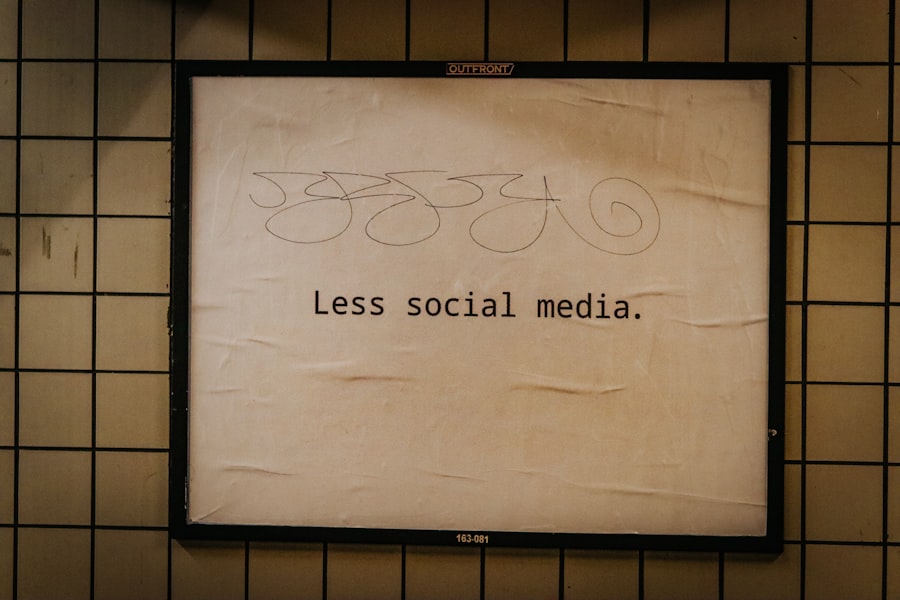
While individual strategies are crucial, you must also acknowledge that the algorithmic landscape is shaped by powerful corporations. Broader advocacy and a push for structural changes are essential for creating a more equitable and transparent digital future.
Demanding Transparency and Accountability
Advocate for greater transparency regarding how algorithms operate. Regulators and users should have a clearer understanding of the data inputs, decision-making processes, and potential biases embedded within these systems. This transparency is a cornerstone of accountability.
Open-Source Algorithms and Auditing
The call for open-source algorithms, or at least independent auditing of proprietary algorithms, is gaining momentum. If algorithms are to exert such profound influence on society, they must be subject to scrutiny and public oversight to ensure fairness and prevent manipulation.
Supporting Ethical Design Principles
Encourage and support platforms and developers who prioritize ethical design principles over pure engagement maximization. This includes features that promote well-being, encourage diverse discourse, and empower users with greater control over their data and algorithmic experience.
User-Centric Design and Informed Consent
The future of social media should prioritize user-centric design, where users have genuine control over their data and are provided with truly informed consent regarding algorithmic processing. This shifts the power dynamics from platform to user.
By understanding the intricate workings of social media algorithms and proactively implementing these strategies, you can begin to reclaim your agency. Your digital experience doesn’t have to be a passive consumption dictated by unseen forces. Instead, it can become a conscious, intentional journey, where you are the architect of your own information ecosystem. This is not merely about using social media less, but using it more deliberately, more effectively, and ultimately, more in alignment with your own values and goals. The tools are at your disposal; the choice to wield them is yours.
FAQs
What does it mean to reclaim agency from social media algorithms?
Reclaiming agency from social media algorithms refers to taking control over how content is consumed and interacted with on social media platforms, rather than passively allowing algorithms to dictate what appears in one’s feed. It involves making conscious choices to reduce algorithmic influence on personal behavior and information exposure.
How do social media algorithms influence user behavior?
Social media algorithms analyze user data such as likes, shares, and browsing habits to curate and prioritize content that is likely to engage the user. This can shape user behavior by promoting certain types of content, reinforcing preferences, and sometimes creating echo chambers or filter bubbles.
What are some strategies to regain control over social media usage?
Strategies include customizing privacy and content settings, using chronological feeds instead of algorithmic ones, limiting time spent on platforms, consciously following diverse sources, and employing third-party tools or apps that block or filter algorithmic recommendations.
Why is it important to reclaim agency from social media algorithms?
Reclaiming agency helps users avoid manipulation, reduce exposure to misinformation, prevent addictive usage patterns, and promote a more balanced and intentional consumption of information. It supports mental well-being and encourages critical thinking about the content encountered online.
Can changing social media habits impact the effectiveness of algorithms?
Yes, altering habits such as engaging less with algorithmically promoted content or diversifying interactions can reduce the data algorithms use to personalize feeds. This can diminish the algorithms’ ability to predict and influence user behavior, thereby increasing user autonomy over their social media experience.