
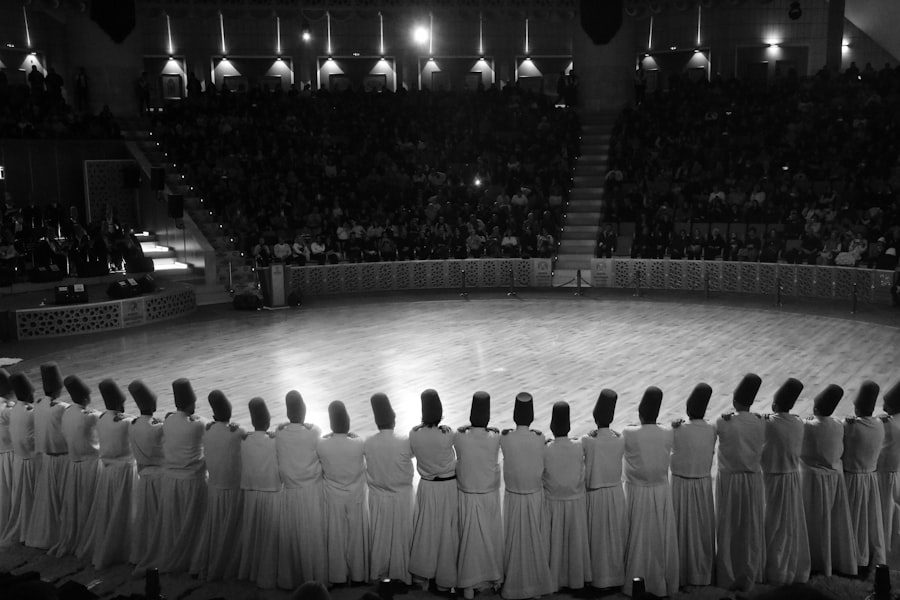
Spiritual performance refers to the external manifestation of spiritual beliefs and practices, often displayed to impress others or meet social expectations. This can take many forms, including public religious ceremonies, inspirational speeches, or the careful construction of a spiritual identity. Many individuals are attracted to these performances due to their visual appeal and the community connection they offer.
It’s important to understand that spiritual performance isn’t inherently problematic. It can function as a valuable method for community building and sharing beliefs in accessible ways. The key challenge lies in differentiating between authentic spiritual expression and performative behavior.
During spiritual development, individuals may need to examine whether their actions arise from genuine conviction or merely from a desire to conform to external standards. This self-examination is essential for developing a more authentic spiritual practice.
Key Takeaways
- Spiritual performance can hinder genuine healing by focusing on appearances rather than true transformation.
- Authentic healing requires vulnerability, intention, and a sincere connection to one’s spiritual path.
- Recognizing the difference between performance and healing is crucial for personal growth and spiritual integrity.
- Balancing spiritual performance with authentic healing helps maintain sincerity while engaging in spiritual practices.
- Honoring individual healing journeys fosters a more inclusive and compassionate spiritual community.
The Dangers of Spiritual Performance
While spiritual performance can foster connection and community, it also harbors significant dangers. One of the most pressing issues is the potential for disconnection from your true self. When you prioritize performance over authenticity, you risk losing sight of your genuine beliefs and feelings.
You may find yourself adopting practices or beliefs that do not resonate with your inner truth, simply to fit in or gain approval from others. This dissonance can lead to feelings of emptiness and confusion, as you grapple with the disparity between your outward persona and your inner reality. Moreover, the pressure to perform spiritually can create an environment where vulnerability is stifled.
In a culture that often values perfection and outward appearances, you may feel compelled to present an idealized version of yourself, suppressing your struggles and doubts. This can lead to isolation, as you may believe that others are not experiencing the same challenges. The danger lies in perpetuating a cycle of inauthenticity, where everyone feels compelled to maintain a façade, ultimately hindering genuine connection and healing.
The Importance of Authentic Healing

Authentic healing is a deeply personal journey that requires you to confront your inner truths and embrace your vulnerabilities. Unlike spiritual performance, which often focuses on external validation, authentic healing prioritizes self-awareness and acceptance. It involves acknowledging your pain, fears, and insecurities while allowing yourself the space to process these emotions without judgment.
This process is essential for fostering resilience and growth, as it encourages you to explore the depths of your being. In your pursuit of authentic healing, it is crucial to cultivate self-compassion. This means treating yourself with kindness and understanding as you navigate the complexities of your emotional landscape.
By embracing your imperfections and recognizing that healing is not a linear process, you create an environment where true transformation can occur. Authentic healing empowers you to reclaim your narrative, allowing you to move forward with a sense of purpose and clarity.
Recognizing the Difference Between Spiritual Performance and Authentic Healing
To navigate the complexities of spiritual performance and authentic healing, it is vital to develop an awareness of their distinctions. Spiritual performance often emphasizes outward appearances and societal expectations, while authentic healing focuses on inner truth and personal growth. You may find it helpful to ask yourself whether your actions are motivated by a desire for approval or by a genuine need for self-exploration and healing.
One way to discern between the two is to pay attention to how you feel during and after your spiritual practices. If you find yourself feeling drained or disconnected after engaging in certain activities, it may be a sign that you are participating in spiritual performance rather than authentic healing. Conversely, if you experience a sense of peace, clarity, or connection with your true self, it is likely that you are engaging in practices that foster authentic healing.
Striking the Balance Between Spiritual Performance and Authentic Healing
| Metric | Spiritual Performance | Authentic Healing |
|---|---|---|
| Focus | Demonstration of spiritual abilities or rituals | Deep personal transformation and restoration |
| Goal | Showcasing spiritual power or status | Achieving genuine emotional, mental, or physical healing |
| Approach | Performance-oriented, often external and visible | Process-oriented, internal and experiential |
| Outcome | Temporary awe or admiration | Lasting well-being and balance |
| Measurement | Audience reaction, ritual success | Improved health, emotional release, spiritual growth |
| Authenticity | Can be superficial or performative | Rooted in sincerity and genuine connection |
| Examples | Public ceremonies, spiritual displays | Personal counseling, meditation, energy healing |
Finding a balance between spiritual performance and authentic healing is essential for fostering a fulfilling spiritual journey. You may discover that certain aspects of spiritual performance can enhance your experience when approached with intention and mindfulness. For instance, participating in group rituals or sharing your beliefs with others can create a sense of community and support.
However, it is crucial to remain grounded in your authenticity throughout these experiences. To strike this balance, consider setting intentions for your spiritual practices. By consciously choosing to engage in activities that resonate with your true self, you can create a harmonious blend of performance and authenticity.
This may involve reflecting on your motivations for participating in specific practices and ensuring that they align with your values and beliefs.
Cultivating Authenticity in Spiritual Practices
Cultivating authenticity in your spiritual practices requires a commitment to self-exploration and honesty. Begin by examining your beliefs and values, asking yourself what truly resonates with you on a deep level. This process may involve letting go of practices or beliefs that no longer serve you, even if they are widely accepted within your community.
Embracing this authenticity can be liberating, allowing you to forge a path that feels uniquely yours. Additionally, consider incorporating practices that encourage self-reflection and introspection into your routine. Journaling, meditation, or engaging in creative expression can help you connect with your inner self and uncover hidden truths.
As you cultivate authenticity in your spiritual practices, you will likely find that your connection to yourself and others deepens, fostering a sense of belonging that transcends mere performance.
The Role of Intention in Spiritual Performance and Authentic Healing
Intention plays a pivotal role in both spiritual performance and authentic healing. When you approach your spiritual practices with clear intentions, you create a framework for meaningful engagement. This means being mindful of why you are participating in specific activities and what you hope to gain from them.
By setting intentions rooted in authenticity, you can navigate the fine line between performance and genuine expression. For instance, if you choose to participate in a group meditation session, consider what draws you to this practice. Are you seeking connection with others or simply looking for validation?
By clarifying your intentions beforehand, you can ensure that your experience aligns with your true self rather than succumbing to external pressures.
Embracing Vulnerability in the Healing Process
Vulnerability is an integral aspect of authentic healing that often feels daunting yet necessary. When you allow yourself to be vulnerable, you open the door to deeper connections with yourself and others. This process involves acknowledging your fears, insecurities, and pain without judgment or shame.
Embracing vulnerability can be transformative; it allows you to shed the layers of performance that may have been masking your true self. As you navigate this journey, remember that vulnerability does not equate to weakness; rather, it is a testament to your courage and resilience. By sharing your struggles with trusted individuals or communities, you create opportunities for connection and support.
This shared experience fosters an environment where authenticity thrives, enabling everyone involved to heal together.
Navigating the Pressure to Perform Spiritually
In a world where social media often amplifies the pressure to present an idealized version of oneself, navigating the pressure to perform spiritually can be challenging. You may find yourself comparing your journey to others’, leading to feelings of inadequacy or self-doubt. It is essential to recognize that everyone’s path is unique; what works for one person may not resonate with another.
To combat this pressure, focus on cultivating self-awareness and self-acceptance. Remind yourself that it is okay to have doubts or struggles along your journey; these experiences are part of being human. Surround yourself with supportive individuals who encourage authenticity rather than performance, creating an environment where vulnerability is celebrated rather than shamed.
Honoring Individual Paths to Healing
Each person’s healing journey is distinct; what resonates with one individual may not resonate with another. It is crucial to honor these individual paths by embracing diversity within spiritual practices. You may find inspiration from various traditions or modalities but ultimately must choose what aligns with your values and beliefs.
As you honor individual paths to healing, consider engaging in open conversations with others about their experiences. This exchange can provide valuable insights into different approaches while fostering mutual respect for each person’s unique journey. By embracing this diversity, you contribute to a more inclusive spiritual community where everyone feels valued.
Integrating Spiritual Performance and Authentic Healing in Daily Life
Integrating spiritual performance and authentic healing into your daily life requires mindfulness and intention. Start by identifying moments throughout your day where you can engage in practices that resonate with both aspects of your journey. This could involve setting aside time for meditation while also participating in community rituals that foster connection.
Life is dynamic; what serves you today may evolve over time. By maintaining flexibility and staying attuned to your inner self, you can create a harmonious blend of spiritual performance and authentic healing that enriches every aspect of your life.
In conclusion, understanding the nuances between spiritual performance and authentic healing is essential for fostering a fulfilling spiritual journey. By cultivating authenticity, embracing vulnerability, and honoring individual paths to healing, you can navigate the complexities of spirituality with grace and intention. Ultimately, integrating these elements into your daily life will empower you to create a meaningful connection with yourself and others on this shared journey toward healing and growth.
In exploring the nuances between spiritual performance and authentic healing, it’s insightful to consider the perspectives shared in the article on the Unplugged Psych website. This resource delves into the importance of genuine emotional and psychological healing as opposed to merely performing spiritual practices for external validation. For a deeper understanding, you can read more in the article [here](https://www.unpluggedpsych.com/sample-page/).
FAQs
What is spiritual performance?
Spiritual performance refers to the outward expression or demonstration of spiritual beliefs, practices, or rituals. It often involves actions intended to showcase one’s spirituality, which may or may not reflect genuine inner transformation or healing.
What is authentic healing in a spiritual context?
Authentic healing involves a deep, genuine process of inner transformation and restoration of balance within the mind, body, and spirit. It is characterized by sincere self-awareness, emotional release, and lasting positive change rather than superficial or performative acts.
How does spiritual performance differ from authentic healing?
Spiritual performance focuses on external displays of spirituality, which can sometimes be superficial or aimed at impressing others. Authentic healing, on the other hand, is an internal process that prioritizes true emotional and spiritual growth, often without concern for outward appearances.
Can spiritual performance lead to authentic healing?
While spiritual performance alone may not guarantee authentic healing, it can sometimes serve as a starting point or catalyst for deeper self-exploration. However, without genuine intention and inner work, spiritual performance may remain superficial.
Why is it important to distinguish between spiritual performance and authentic healing?
Distinguishing between the two helps individuals avoid getting caught up in superficial practices that do not lead to real growth. It encourages a focus on sincere healing processes that promote lasting well-being and spiritual development.
What are some signs of authentic healing?
Signs of authentic healing include increased self-awareness, emotional resilience, inner peace, improved relationships, and a sense of alignment between one’s values and actions. It often involves ongoing personal growth rather than quick fixes.
Can spiritual performance be harmful?
If spiritual performance is used to mask unresolved issues or to gain social approval, it can be harmful by preventing genuine healing. It may also lead to disillusionment or spiritual bypassing, where real problems are ignored rather than addressed.
How can one cultivate authentic healing?
Cultivating authentic healing involves practices such as mindfulness, self-reflection, therapy, meditation, and seeking guidance from trusted spiritual or healing practitioners. It requires honesty, patience, and a commitment to personal growth.
Is authentic healing limited to spiritual practices?
No, authentic healing can encompass physical, emotional, psychological, and social dimensions in addition to spiritual aspects. It is a holistic process that integrates various areas of a person’s life.
Are there cultural differences in understanding spiritual performance and authentic healing?
Yes, different cultures may have varying interpretations and practices related to spirituality and healing. What is considered authentic or performative can depend on cultural norms, traditions, and beliefs.