
Spiritual experiences encompass profound moments that transcend ordinary perception, connecting individuals to something beyond themselves. These experiences manifest in diverse ways, including deep meditative peace, sudden life-altering insights, or emotional responses to significant events like births or deaths. Many people also report feeling connected to the universe during quiet, solitary moments.
These experiences often function as important catalysts for personal development and transformation. Exploring spiritual experiences frequently challenges established beliefs and perceptions. This process may prompt fundamental questions about purpose, values, and one’s place in existence.
Such introspection can simultaneously feel enlightening and intimidating, as it often requires confronting neglected or suppressed aspects of oneself. Approaching these experiences with receptivity can yield significant insights and deepen one’s understanding of personal spirituality.
Key Takeaways
- Spiritual experiences often involve profound personal insights and emotional shifts.
- Creating a safe environment and seeking professional guidance can support healthy processing.
- Setting clear boundaries and practicing self-care are essential for grounding after the experience.
- Integrating insights into daily life and connecting with a spiritual community enhance growth.
- Reflecting on the experience while honoring personal beliefs fosters lasting transformation.
Recognizing the Signs of a Spiritual Experience
Recognizing the signs of a spiritual experience can be a transformative journey in itself. You might notice subtle shifts in your emotions or thoughts that signal a deeper connection to your inner self or the universe. For instance, you may experience heightened intuition, where your gut feelings become more pronounced, guiding you toward decisions that align with your true self.
Alternatively, you might find yourself drawn to certain places, people, or activities that resonate with your spirit, indicating a call to explore your spirituality further. Physical sensations can also serve as indicators of a spiritual experience. You may feel a rush of energy coursing through your body, or perhaps a sense of warmth enveloping you during moments of reflection or prayer.
These sensations can be accompanied by feelings of joy, love, or even awe, suggesting that you are tapping into a deeper layer of existence. By paying attention to these signs, you can cultivate a greater awareness of your spiritual journey and the experiences that shape it.
Creating a Safe and Supportive Environment

Creating a safe and supportive environment is essential for nurturing your spiritual experiences. This space should be free from distractions and negativity, allowing you to explore your spirituality without fear or judgment. You might consider setting aside a specific area in your home dedicated to meditation, reflection, or prayer.
This space can be adorned with items that hold personal significance, such as crystals, candles, or photographs that inspire you. By establishing this sanctuary, you create a physical representation of your commitment to your spiritual journey. In addition to a physical space, surrounding yourself with supportive individuals is equally important.
Seek out friends or family members who respect your spiritual beliefs and encourage your exploration. Engaging in open conversations about spirituality can foster deeper connections and provide valuable insights. You may also consider joining groups or communities that share similar interests, as these connections can offer encouragement and validation during your spiritual journey.
Seeking Professional Guidance
As you navigate your spiritual experiences, seeking professional guidance can be incredibly beneficial. Spiritual counselors, therapists, or coaches who specialize in spirituality can provide valuable insights and support tailored to your unique journey. They can help you process your experiences, offering tools and techniques to deepen your understanding and integration of these moments into your life.
This guidance can be particularly helpful if you encounter challenges or feelings of confusion along the way. In addition to one-on-one support, workshops and retreats focused on spiritual growth can provide immersive experiences that facilitate deeper exploration. These settings often encourage participants to share their experiences and learn from one another, creating a sense of community and shared understanding.
By seeking professional guidance, you empower yourself to embrace your spiritual journey fully and navigate its complexities with confidence.
Setting Boundaries and Intentions
| Metric | Description | Recommended Practice | Measurement Method |
|---|---|---|---|
| Emotional Stability | Ability to maintain emotional balance post-experience | Regular mindfulness and grounding exercises | Self-report scales; clinical interviews |
| Psychological Safety | Absence of distress or trauma symptoms after integration | Professional counseling and support groups | Psychological assessments; symptom checklists |
| Social Support | Access to supportive community or network | Participation in peer support or spiritual communities | Social network analysis; participant feedback |
| Meaning-Making | Ability to derive personal meaning from the experience | Journaling and reflective practices | Qualitative interviews; narrative analysis |
| Integration Duration | Time taken to incorporate experience into daily life | Structured integration sessions over weeks/months | Session attendance records; self-reports |
| Physical Well-being | Maintenance of physical health during integration | Regular health check-ups and self-care routines | Medical evaluations; self-monitoring logs |
Setting boundaries and intentions is a vital aspect of navigating spiritual experiences. As you explore this realm, it’s essential to establish what feels comfortable for you and what does not. This might involve determining how much time you dedicate to spiritual practices or deciding which topics resonate with you on a personal level.
By setting clear boundaries, you protect your energy and ensure that your spiritual journey remains fulfilling rather than overwhelming. Intentions play a crucial role in shaping your spiritual experiences as well. When you approach your practices with clear intentions—whether it’s seeking clarity, healing, or connection—you create a focused energy that can enhance the depth of your experiences.
Take time to reflect on what you hope to achieve through your spiritual exploration and write down these intentions as a reminder of your purpose. This practice not only helps guide your journey but also reinforces your commitment to personal growth.
Practicing Self-Care and Grounding Techniques
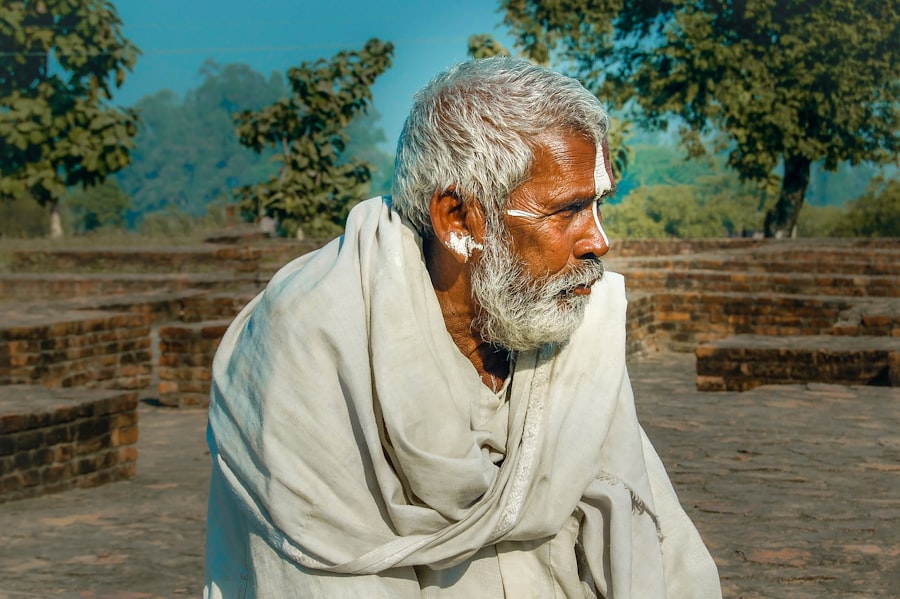
Self-care is an essential component of any spiritual journey. As you engage with profound experiences, it’s crucial to prioritize your well-being both physically and emotionally. This might involve establishing routines that nourish your body and mind—such as regular exercise, healthy eating, and sufficient rest.
By taking care of yourself holistically, you create a solid foundation from which to explore your spirituality. Grounding techniques are particularly useful when navigating intense spiritual experiences. These practices help anchor you in the present moment and connect you with the earth’s energy.
Simple techniques such as deep breathing exercises, spending time in nature, or practicing mindfulness can help center you during moments of overwhelm or confusion. By incorporating grounding techniques into your routine, you cultivate resilience and balance as you navigate the ebb and flow of your spiritual journey.
Integrating the Experience into Daily Life
Integrating spiritual experiences into daily life is an essential step in making sense of them. After encountering profound moments, it’s important to reflect on how they influence your beliefs, actions, and relationships. You might find that certain insights inspire changes in how you approach challenges or interact with others.
Embracing these shifts allows you to live more authentically and align with your true self. One effective way to integrate these experiences is through journaling.
You may also consider sharing your experiences with trusted friends or family members who can offer support and perspective. By actively engaging with your spiritual experiences in everyday life, you create opportunities for growth and transformation.
Connecting with a Spiritual Community
Connecting with a spiritual community can significantly enrich your journey. Engaging with like-minded individuals who share similar beliefs fosters a sense of belonging and support that is invaluable during times of exploration.
Participating in group activities—such as meditation sessions, discussions on spiritual topics, or volunteer work—can deepen your understanding while providing opportunities for connection. These shared experiences often create bonds that transcend individual differences, reminding you that spirituality is a universal journey that many embark upon together. By immersing yourself in a supportive community, you enhance not only your own experience but also contribute positively to the collective growth of others.
Reflecting on the Experience
Reflection is a powerful tool for understanding and processing spiritual experiences. Taking time to contemplate what these moments mean to you can lead to deeper insights and personal revelations. You might find it helpful to set aside regular intervals for reflection—whether through meditation, journaling, or quiet contemplation—allowing yourself the space to explore the emotions and thoughts that arise from these experiences.
During reflection, consider asking yourself questions such as: What did I learn from this experience? How has it changed my perspective? What emotions did I feel during this moment?
By engaging with these questions honestly, you create an opportunity for growth and understanding that can shape your future actions and beliefs.
Honoring Personal Beliefs and Values
As you navigate spiritual experiences, honoring your personal beliefs and values is paramount. Each individual’s journey is unique; what resonates with one person may not hold the same significance for another. It’s essential to remain true to yourself as you explore different philosophies or practices within spirituality.
Embrace what feels authentic to you while allowing room for growth and evolution in your beliefs. This process may involve reevaluating long-held beliefs or letting go of ideas that no longer serve you. It’s okay to change direction as you learn more about yourself and the world around you.
By honoring your personal beliefs and values throughout this journey, you cultivate authenticity and integrity in all aspects of your life.
Embracing the Transformation
Embracing transformation is perhaps one of the most rewarding aspects of engaging with spiritual experiences. As you navigate this journey, be open to the changes that arise within yourself—both big and small. Transformation often requires letting go of old patterns or beliefs that no longer serve you while welcoming new perspectives that align with your evolving self.
This process may not always be easy; it often involves facing discomfort or uncertainty as you step into new ways of being. However, by embracing transformation wholeheartedly, you allow yourself to grow into the person you are meant to be. Celebrate each step along the way—no matter how small—as these moments contribute significantly to your overall journey toward self-discovery and fulfillment.
In conclusion, navigating spiritual experiences is an intricate yet rewarding journey filled with opportunities for growth and transformation. By understanding these experiences, recognizing their signs, creating supportive environments, seeking guidance when needed, setting intentions, practicing self-care, integrating insights into daily life, connecting with communities, reflecting on experiences, honoring personal beliefs, and embracing transformation—you empower yourself to embark on a profound exploration of spirituality that enriches every aspect of your life.
For those interested in the safe integration of spiritual experiences, a valuable resource can be found in the article on Unplugged Psych. This article provides insights and guidance on how to navigate the complexities of spiritual experiences while ensuring mental well-being. You can read more about it by visiting Unplugged Psych.
FAQs
What is meant by the integration of spiritual experience?
Integration of spiritual experience refers to the process of understanding, assimilating, and applying insights or realizations gained from spiritual practices or experiences into one’s daily life and overall well-being.
Why is it important to integrate spiritual experiences safely?
Safe integration helps prevent psychological distress, confusion, or disorientation that can sometimes arise after intense spiritual experiences. It ensures that the insights gained are grounded and beneficial, supporting mental health and personal growth.
What are common challenges faced during spiritual experience integration?
Challenges can include emotional overwhelm, difficulty interpreting the experience, social isolation, or conflicts with existing beliefs. Without proper support, these challenges may lead to anxiety, depression, or spiritual bypassing.
How can one safely integrate spiritual experiences?
Safe integration involves practices such as journaling, seeking guidance from experienced mentors or therapists, maintaining a balanced lifestyle, and gradually applying insights in practical ways. It also includes self-care and being patient with the process.
Are there professional resources available for spiritual experience integration?
Yes, there are therapists and counselors trained in transpersonal psychology or spiritual counseling who specialize in helping individuals integrate spiritual experiences safely and effectively.
Can spiritual experiences cause mental health issues?
While spiritual experiences themselves are not mental health disorders, intense or unprocessed experiences can sometimes trigger or exacerbate psychological symptoms. Proper integration and professional support can mitigate these risks.
What role does community play in the integration process?
Community support provides validation, shared understanding, and encouragement, which can be crucial for feeling grounded and supported during integration. Engaging with like-minded individuals or groups can enhance the integration process.
How long does the integration process typically take?
The duration varies widely depending on the individual, the nature of the experience, and the support available. Integration can take weeks, months, or even years as it is an ongoing process of growth and understanding.
Is it necessary to have a spiritual background to integrate spiritual experiences?
No, individuals from any background can integrate spiritual experiences. However, having some knowledge or framework can sometimes make the process easier by providing context and language to understand the experience.
What are some signs that spiritual experience integration is going well?
Signs include increased emotional stability, clarity of purpose, improved relationships, a sense of inner peace, and the ability to apply spiritual insights constructively in daily life.