
You possess a remarkable organ, the brain, a biological marvel capable of continuous change and adaptation throughout your life. This is the essence of neuroplasticity, your brain’s inherent ability to reorganize itself by forming new neural connections. Imagine your brain not as a fixed blueprint, but as a dynamic, ever-evolving landscape, sculpted by your experiences, thoughts, and actions. This article explores the power of this fundamental neurological principle, explaining what it is, how it works, and the practical implications for your life.
Neuroplasticity, at its core, is the brain’s capacity to modify its structure and function in response to internal and external stimuli. This malleability is not limited to childhood; while your brain is most adaptable in your formative years, it retains this remarkable ability throughout your entire lifespan. Think of your neural pathways as intricate superhighways. When you learn something new or repeat an action, you are essentially widening and reinforcing these highways, making them more efficient for traffic (information and impulses) to flow. Conversely, pathways that are not used can become less developed, akin to overgrown dirt tracks that become difficult to traverse.
The Biological Mechanisms at Play
The physical manifestation of neuroplasticity occurs at the synaptic level, the microscopic junctions where neurons communicate. When you engage in learning or experience something new, the connections between neurons, called synapses, can strengthen or weaken.
Synaptic Plasticity: The Building Blocks of Change
Synaptic plasticity encompasses two primary mechanisms: long-term potentiation (LTP) and long-term depression (LTD). LTP is when synaptic connections become stronger, leading to a more efficient transmission of signals between neurons. This is often a consequence of repeated stimulation or learning. Conversely, LTD involves the weakening of synaptic connections, a process that can occur when neuronal pathways are unused. This “pruning” of unnecessary connections is just as crucial for efficient brain function, akin to clearing out old data to make space for new information.
Structural Plasticity: The Architects of Your Brain
Beyond synaptic changes, your brain can also undergo more significant structural alterations. This includes neurogenesis, the birth of new neurons, which was once thought to be exclusively a prenatal process. Research has demonstrated that neurogenesis can occur in certain regions of the adult brain, such as the hippocampus, which plays a vital role in learning and memory. Furthermore, your brain can rewire itself by growing new dendrites (branch-like extensions of neurons that receive signals) or by reshaping existing neural networks. This is akin to adding new buildings or reconfiguring the layout of a city to better suit its current inhabitants and their needs.
Early Brain Development: A Period of Extreme Malleability
Infancy and childhood are periods of extraordinary neural development. During these years, your brain is a hive of activity, with trillions of synaptic connections being formed at an astonishing rate. This rapid formation of neural pathways is the foundation upon which your future learning and cognitive abilities will be built.
Critical and Sensitive Periods in Development
In certain developmental stages, your brain becomes particularly receptive to specific types of input. These are known as critical or sensitive periods. For instance, the period for acquiring language is a well-studied sensitive period. Exposure to language during this crucial window allows for the efficient development of the neural circuitry necessary for understanding and producing speech. Missing these windows can make subsequent language acquisition more challenging, though not impossible, as neuroplasticity still allows for adaptation.
Neuroplasticity in Adulthood: The Enduring Capacity for Change
While childhood is characterized by rapid and widespread neural reorganization, your adult brain remains surprisingly adaptable. The processes of synaptic and structural plasticity continue to operate, albeit at a potentially slower pace. This means that even as an adult, you can learn new skills, form new memories, and recover from brain injuries through dedicated effort and practice.
The Role of Experience and Learning in Adult Neuroplasticity
Every experience, every piece of information you encounter, and every skill you practice contributes to the ongoing rewiring of your brain. Learning a new language, mastering a musical instrument, or even navigating a new environment all stimulate neural growth and reorganization. It is through this continuous engagement with novelty and challenge that you actively shape your own cognitive landscape.
Rewiring your brain can be a transformative journey, and understanding the underlying principles can significantly enhance your efforts. For those interested in exploring this topic further, a related article can provide valuable insights and techniques. You can read more about effective strategies for brain rewiring by visiting this link: here. This resource offers practical advice that can help you harness the power of neuroplasticity to create lasting change in your life.
Harnessing Neuroplasticity for Personal Growth
The understanding of neuroplasticity offers a powerful framework for intentional self-improvement. By recognizing that your brain is not a static entity, you can actively employ strategies to foster positive changes and overcome limitations. This shifts the paradigm from a fixed mindset to a growth mindset, where challenges are seen as opportunities for development rather than insurmountable obstacles.
The Impact of Learning and Skill Acquisition
Engaging in deliberate learning and practicing new skills are direct catalysts for neuroplasticity. The brain, when presented with novel information or complex tasks, is compelled to adapt and create new neural pathways.
Acquiring New Languages: A Cognitive Workout
Learning a new language provides a robust workout for your brain. It engages areas responsible for memory, problem-solving, and auditory processing. Studies have shown that bilingual individuals often exhibit enhanced cognitive flexibility and a delayed onset of age-related cognitive decline. This is your brain building new communication highways, connecting different linguistic landscapes.
Mastering Musical Instruments: A Symphony of Neural Connections
Playing a musical instrument is another potent driver of neuroplasticity. It requires the coordination of motor skills, auditory processing, and memory, leading to enhanced connectivity between different brain regions. Musicians often demonstrate superior executive functions, such as attention and working memory. Imagine your brain composing a complex symphony, with each instrument (neural pathway) playing its part in harmony.
The Power of Mindset and Beliefs
Your thoughts and beliefs are not merely abstract concepts; they have tangible effects on your brain’s structure and function. A growth mindset, the belief that your abilities can be developed through dedication and hard work, is a fertile ground for neuroplasticity.
Challenging Limiting Beliefs: Reframing Your Neural Blueprint
If you hold a belief that you are “not good at” a particular skill, you are, in essence, reinforcing neural pathways that support that belief. By consciously challenging these limiting beliefs and adopting a more positive and open approach, you can begin to dismantle these old neural structures and build new, more empowering ones. This is like repainting an old, faded mural with vibrant new colors and subjects.
The Placebo Effect and Expectation: The Mind’s Influence on Reality
The placebo effect, where a person experiences a perceived or actual improvement in a condition after receiving a treatment that has no therapeutic value, highlights the profound influence of expectation on our biology. Your brain, influenced by your expectations, can trigger physiological responses that lead to real changes. This suggests that your beliefs and expectations can act as powerful self-fulfilling prophecies for cognitive and even physical changes.
Neuroplasticity and Brain Health
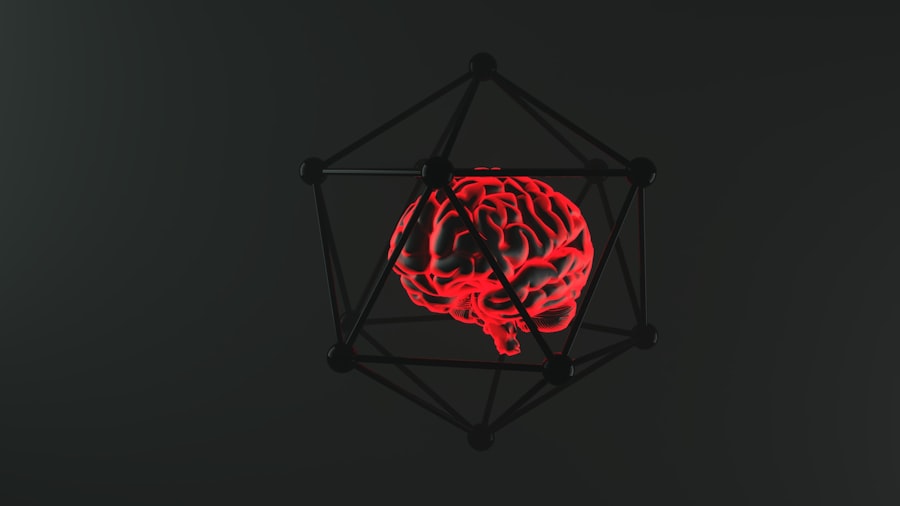
Neuroplasticity plays a critical role in maintaining cognitive function throughout life and in recovering from neurological damage. Understanding and leveraging this principle can significantly impact your long-term brain health.
Responding to Brain Injury: A Path to Recovery
When brain injury occurs, such as from a stroke or traumatic brain injury, neuroplasticity offers hope for rehabilitation. The brain’s ability to reorganize itself can allow healthy parts of the brain to take over the functions of damaged areas.
Stroke Rehabilitation: Reclaiming Lost Functions
Following a stroke, individuals often experience deficits in motor control, speech, or cognition. Through intensive physical and occupational therapy, which leverages neuroplasticity, patients can retrain their brains to compensate for the damage and regain lost abilities. This is your brain’s remarkable capacity to reroute traffic around a road closure.
Traumatic Brain Injury (TBI) Recovery: Rebuilding Neural Networks
Recovery from TBI is often a long and challenging process, but neuroplasticity is a key factor in regaining cognitive and emotional functions. Targeted rehabilitation programs aim to stimulate the brain and promote the formation of new neural connections. It’s analogous to an engineer meticulously rebuilding damaged infrastructure after a natural disaster.
Preventing Cognitive Decline: A Proactive Approach
Neuroplasticity is not only about recovery; it’s also a powerful tool for prevention. By continually challenging your brain and engaging in cognitively stimulating activities, you can build cognitive reserve, making your brain more resilient to age-related decline.
Lifelong Learning: The Fountain of Youth for Your Brain
Adopting a stance of lifelong learning is one of the most effective ways to maintain cognitive vitality. Continuously exposing yourself to new information, challenges, and experiences keeps your neural pathways active and adaptive. Think of it as regularly exercising your brain to keep it fit and agile.
The Benefits of Physical Exercise for Brain Health
The connection between physical and mental health is undeniable. Regular physical exercise has been shown to promote neurogenesis, improve blood flow to the brain, and enhance the production of neurotrophic factors that support neuronal growth and survival, all of which are crucial components of neuroplasticity. Your body and brain are intrinsically linked; when you move your body, you are stimulating your brain to thrive.
Practical Strategies for Enhancing Neuroplasticity

While neuroplasticity is an inherent capacity, you can actively employ strategies to optimize its effects and enhance your brain’s ability to change and adapt. These strategies are not a magic bullet but rather consistent practices that, over time, can lead to significant improvements.
Mindfulness and Meditation: Cultivating Focused Attention
Practices like mindfulness and meditation have been scientifically shown to induce structural and functional changes in the brain, influencing areas associated with attention, self-awareness, and emotional regulation.
Training Your Attention Muscle: The Core of Mindfulness
Mindfulness meditation, at its heart, is an exercise in attention training. By repeatedly bringing your attention back to a focal point, such as your breath, you strengthen the neural circuits odpowiedzialne for sustained focus. This is like going to the gym to build your attention “muscle.”
Emotional Regulation through Meditation: Taming the Neural Storms
Meditation can also help in developing better emotional regulation by altering activity in brain regions involved in processing emotions. You learn to observe your emotions without being overwhelmed by them, creating a more balanced neural response to stressors. This is akin to learning to navigate turbulent waters with a steady hand on the rudder.
Sleep: The Brain’s Essential Repair and Consolidation Period
Adequate and quality sleep is paramount for neuroplasticity. During sleep, your brain consolidates memories, clears out metabolic waste, and strengthens neural connections formed during wakefulness.
Memory Consolidation: Cementing New Learning
The crucial process of memory consolidation, where newly acquired information is transferred from short-term to long-term storage, predominantly occurs during sleep. Without sufficient sleep, this process is significantly impaired. Imagine your brain as a busy librarian, cataloging and filing new books overnight.
Restorative Sleep: Rebooting Your Brain’s Systems
Beyond memory consolidation, sleep is essential for the brain’s restorative processes. It allows neurons to repair themselves and for the clearance of waste products that can accumulate during the day. Insufficient sleep is like running your computer without ever allowing it to restart; eventually, it will become sluggish and prone to errors.
Diet and Nutrition: Fueling Your Brain’s Potential
The food you consume directly impacts your brain health and its capacity for neuroplasticity. A balanced diet rich in essential nutrients provides the building blocks for neuronal function and repair.
Omega-3 Fatty Acids: The Building Blocks of Cell Membranes
Omega-3 fatty acids, found in fatty fish, flaxseeds, and walnuts, are crucial components of brain cell membranes and are vital for neuronal function and communication. They are like the premium fuel that keeps your brain’s engine running smoothly.
Antioxidants and Vitamins: Protecting Your Neurons
Antioxidants, found in fruits and vegetables, and various vitamins, such as B vitamins and vitamin D, play a role in protecting neurons from damage and supporting their optimal functioning. These are like the protective coatings and essential maintenance parts that keep your brain’s machinery in top condition.
If you’re interested in understanding the science behind how to rewire your brain, you might find this insightful article on neuroplasticity particularly helpful. It explores various techniques and practices that can facilitate mental transformation and improve cognitive function. For more details, you can read the full article here. This resource provides practical tips and a deeper understanding of how our brains can adapt and change throughout our lives.
The Future of Neuroplasticity Research and Application
| Technique | Description | Frequency | Expected Benefits | Time to See Results |
|---|---|---|---|---|
| Mindfulness Meditation | Practice focused attention on the present moment to increase awareness and reduce stress. | Daily, 10-20 minutes | Improved focus, reduced anxiety, enhanced emotional regulation | 2-8 weeks |
| Positive Affirmations | Repeatedly stating positive statements to influence subconscious beliefs. | Daily, multiple times | Increased self-esteem, reduced negative self-talk | 4-6 weeks |
| Neuroplasticity Exercises | Engaging in new learning activities or skills to form new neural connections. | Several times per week | Enhanced cognitive flexibility, memory improvement | 1-3 months |
| Gratitude Journaling | Writing down things you are grateful for to shift focus to positive experiences. | Daily, 5-10 minutes | Improved mood, increased optimism | 3-4 weeks |
| Physical Exercise | Regular aerobic or strength training to boost brain-derived neurotrophic factor (BDNF). | 3-5 times per week | Better memory, mood enhancement, neurogenesis | 4-12 weeks |
| Sleep Optimization | Ensuring 7-9 hours of quality sleep to support brain repair and memory consolidation. | Nightly | Improved cognitive function, emotional stability | Immediate to 2 weeks |
The field of neuroplasticity is constantly evolving, with ongoing research revealing new insights into its mechanisms and potential applications. This understanding promises to revolutionize how we approach learning, rehabilitation, and the enhancement of cognitive function.
Technological Advancements: Tools for Exploration and Intervention
New technologies are providing unprecedented ways to study and potentially influence neuroplasticity.
Neurofeedback: Training Your Brain’s Electrical Activity
Neurofeedback is a type of biofeedback that uses real-time displays of brain activity—most commonly electroencephalography (EEG)—to teach self-regulation of brain function. By providing feedback on your brain’s electrical patterns, neurofeedback can help you learn to modulate these patterns, potentially improving focus, reducing anxiety, and enhancing cognitive performance. It’s like having a direct line to your brain’s control panel, allowing you to make fine-tuned adjustments.
Brain-Computer Interfaces (BCIs): Bridging the Gap
Brain-computer interfaces (BCIs) allow for direct communication pathways between the brain and external devices. While still in their early stages, BCIs hold immense potential for assisting individuals with severe motor impairments and may eventually offer novel avenues for cognitive enhancement through directed neural stimulation. Imagine a translator that allows your brain to communicate with the outside world, bypassing damaged or absent physiological pathways.
Ethical Considerations and Future Directions
As our understanding and capabilities regarding neuroplasticity advance, so too do the ethical considerations surrounding its use.
Cognitive Enhancement: The Pursuit of Optimization
The potential for cognitive enhancement technologies raises questions about equity, access, and what it means to be “enhanced.” As these technologies develop, a careful societal dialogue will be necessary to navigate their responsible implementation. Are we aiming for a level playing field, or a stratified society based on biological augmentation?
Therapeutic Applications: Expanding the Reach of Rehabilitation
The future of neuroplasticity research holds immense promise for developing more effective and personalized therapeutic interventions for a wide range of neurological conditions. The focus will likely shift towards tailoring treatments to individual neural profiles and optimizing the brain’s intrinsic healing capacities. This is about unlocking the full potential of your brain’s innate ability to heal and adapt.
In conclusion, neuroplasticity is not a abstract concept confined to scientific literature; it is a fundamental aspect of your being, a testament to the dynamic and responsive nature of your brain. By understanding and actively engaging with this remarkable capacity, you empower yourself to learn, grow, and thrive throughout your life, continuously rewiring your brain for a brighter future.
FAQs
What does it mean to rewire your brain?
Rewiring your brain refers to the process of changing neural pathways through new experiences, learning, and practice. This concept is based on neuroplasticity, the brain’s ability to adapt and reorganize itself by forming new connections.
How long does it take to rewire your brain?
The time required to rewire your brain varies depending on the complexity of the change and individual factors. Some habits or thought patterns can begin to shift in a few weeks with consistent effort, while deeper changes may take months or longer.
What techniques can help in rewiring the brain?
Common techniques include mindfulness meditation, cognitive behavioral therapy (CBT), practicing new skills, positive affirmations, and repetitive practice of desired behaviors. These methods encourage the formation of new neural connections.
Is rewiring the brain possible at any age?
Yes, neuroplasticity occurs throughout life, meaning the brain can be rewired at any age. While younger brains may adapt more quickly, adults can also make significant changes with consistent practice and effort.
Can rewiring the brain improve mental health?
Rewiring the brain can positively impact mental health by helping to reduce negative thought patterns, manage stress, and develop healthier habits. Techniques like CBT and mindfulness are often used to support mental well-being through brain rewiring.