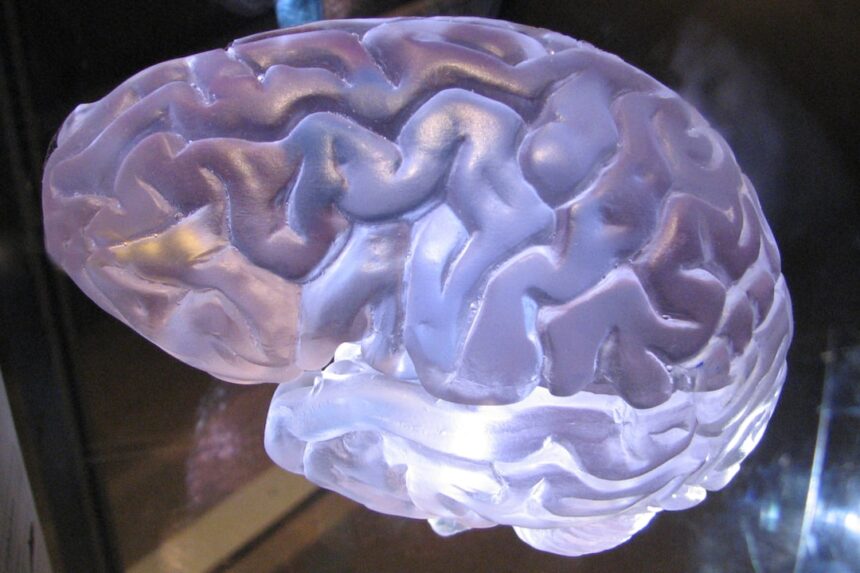
You are a complex, ever-evolving electrical network. While you may perceive your brain as a static, unchangeable organ, modern neuroscience paints a vastly different picture. This organ, the command center of your being, possesses an extraordinary quality: neuroplasticity. Neuroplasticity, often referred to as brain plasticity, is the brain’s ability to reorganize itself by forming new neural connections throughout life. It allows neurons to adapt their activity in response to new situations or changes in their environment. This fundamental capacity underpins all learning, memory, and behavioral adaptation, revealing that your brain is not merely a hardwired machine but a dynamic, malleable system capable of continuous transformation.
Understanding the Mechanics of Neuroplasticity
Discover the fascinating world of brain science through this insightful video.Neuroplasticity operates on several levels, from microscopic changes in individual synapses to macroscopic alterations in brain regions. At its core, it is about the strengthening or weakening of connections between neurons, known as synapses. Think of your brain as a vast, interconnected city. Each neuron is a building, and the synapses are the roads connecting them. More frequent travel down a particular road strengthens it, making future journeys faster and more efficient. Conversely, disused roads fall into disrepair.
Synaptic Plasticity: The Foundation of Learning
Synaptic plasticity is the most fundamental mechanism of neuroplasticity. It refers to the ability of synapses to strengthen or weaken over time, in response to increases or decreases in their activity. Long-Term Potentiation (LTP) is a persistent strengthening of synapses based on recent patterns of activity, a core mechanism for learning and memory formation. Imagine two neurons, A and B. If neuron A consistently fires just before or at the same time as neuron B, the connection between them, the synapse, becomes stronger. This makes it more likely that neuron B will fire when neuron A fires in the future. Conversely, Long-Term Depression (LTD) is a persistent weakening of synapses that occurs when they are activated at a low frequency, or when the postsynaptic neuron consistently fires without the presynaptic neuron firing beforehand. This mechanism helps to clear out old, irrelevant memories or to refine existing ones by removing redundant connections.
Neurogenesis: The Birth of New Neurons
While synaptic plasticity focuses on existing connections, neurogenesis introduces an entirely new dimension: the creation of new neurons. For a long time, it was believed that the adult brain did not produce new neurons. However, research has definitively shown that neurogenesis, the process by which new neurons are generated from neural stem cells, continues throughout adulthood, primarily in two key areas: the hippocampus (crucial for learning and memory) and the subventricular zone (associated with olfaction and migration of new neurons to other regions). The implications of adult neurogenesis are profound. It suggests that you are not simply reorganizing existing structures, but actively adding new building blocks to your neural city, opening avenues for repair and enhanced cognitive function.
Cortical Reorganization: Adapting Brain Maps
Beyond individual neurons and synapses, neuroplasticity manifests in cortical reorganization. This refers to the brain’s ability to remap sensory and motor representations in the cortex. If you regularly practice a specific skill, such as playing a musical instrument, the cortical area dedicated to controlling the fingers involved in that skill may expand. Conversely, if you lose a limb, the brain area that once processed sensations from that limb can be “repurposed” to process input from other body parts or even other senses. This demonstrates the brain’s remarkable efficiency in utilizing its resources, constantly adapting its internal maps to reflect your current experiences and demands.
Factors Influencing Your Brain’s Plasticity
Your brain’s capacity for plasticity is not a fixed quantity. Various internal and external factors can significantly impact its malleability. Understanding these influences can empower you to consciously promote a more plastic, adaptable brain.
Experience and Learning: Shaping Your Neural Landscape
Every new skill you acquire, every piece of information you absorb, every new environment you navigate, contributes to the shaping of your neural landscape. Learning a new language, mastering a complex game, or even simply taking a different route to work can activate and strengthen novel neural pathways. The more novel and challenging the experience, the greater the potential for significant plastic changes. This is why engaging in lifelong learning and seeking out new experiences is so crucial for maintaining cognitive vitality. Think of your brain like a muscle: the more you exercise it with new challenges, the stronger and more adaptable it becomes.
Physical Activity: A Catalyst for Brain Growth
Physical activity is not just beneficial for your body; it is a powerful catalyst for neuroplasticity. Exercise, particularly aerobic exercise, increases blood flow to the brain, delivering essential nutrients and oxygen. It also stimulates the release of neurotrophic factors, such as Brain-Derived Neurotrophic Factor (BDNF), which are crucial for neuronal growth, survival, and differentiation. BDNF has been dubbed “Miracle-Gro for the brain” due to its powerful role in promoting synaptic plasticity and neurogenesis. Regular physical activity can lead to increased hippocampal volume and improved cognitive function, including memory and learning.
Sleep: The Brain’s Reset and Reorganization Cycle
Sleep is not merely a period of inactivity; it is an active state crucial for consolidating memories, pruning unnecessary synaptic connections, and facilitating plastic changes. During sleep, particularly slow-wave sleep, your brain actively processes and archives the information acquired during wakefulness, strengthening relevant neural pathways and weakening less important ones. This “renovation project” prevents your neural networks from becoming overwhelmed and ensures that critical information is effectively stored. Sleep deprivation, conversely, impairs synaptic plasticity, memory formation, and cognitive performance, making it harder for your brain to learn and adapt.
Diet and Nutrition: Fueling Your Brain’s Potential
The food you consume provides the building blocks and energy sources for your brain’s intricate operations. Nutrients such as omega-3 fatty acids, antioxidants, and a variety of vitamins and minerals play critical roles in neuronal health, neurotransmitter production, and synaptic function. Diets rich in fruits, vegetables, whole grains, and lean proteins support optimal brain function and plasticity. Conversely, diets high in saturated fats, refined sugars, and processed foods can lead to inflammation and oxidative stress, which can negatively impact brain health and reduce plastic potential. You are, in a very real sense, what your brain eats.
Harnessing Neuroplasticity for Cognitive Enhancement
Given its transformative power, understanding how to intentionally harness neuroplasticity is a critical step towards enhancing your cognitive abilities and overall brain health. This is not about magic; it is about consistent, informed effort.
Embrace Novelty and Challenge
To encourage your brain to form new connections, you must continuously expose it to novel and challenging experiences. Learn a new language, take up a musical instrument, solve complex puzzles, or embark on an unfamiliar hobby that requires significant mental effort. The key is to step outside your comfort zone and engage in activities that demand active learning and problem-solving, rather than passively consuming information. Avoid falling into routines that require minimal cognitive effort.
Mindfulness and Meditation: Reshaping Your Emotional Landscape
Mindfulness and meditation practices have been shown to induce significant structural and functional changes in the brain, particularly in areas associated with attention, emotion regulation, and self-awareness. Regular meditation can lead to increased grey matter density in regions like the prefrontal cortex (executive function) and hippocampus (memory), while decreasing activity in the amygdala (fear and anxiety). By training your attention and cultivating emotional regulation, you can effectively rewire your brain to be less reactive to stress and more adept at focusing.
Targeted Cognitive Training: Strengthening Specific Functions
While general novelty is beneficial, targeted cognitive training can specifically enhance particular cognitive functions. Apps and programs designed to improve working memory, attention, or processing speed can be effective, provided they are engaging and adapt to your improving performance. The principle here is “use it or lose it.” By consistently challenging specific cognitive domains, you strengthen the neural networks underlying those functions. However, be wary of exaggerated claims; the effectiveness often lies in the consistent effort and novelty, not in a specific proprietary algorithm.
Neuroplasticity in Recovery and Rehabilitation
Beyond enhancement, neuroplasticity is a cornerstone of recovery and rehabilitation following brain injury or disease. Its principles guide interventions for conditions ranging from stroke to chronic pain.
Stroke Rehabilitation: Relearning Through Repetition
Following a stroke, the brain can demonstrate remarkable capacity to reorganize and compensate for damaged areas. Therapy often involves highly repetitive, task-specific training, such as constraint-induced movement therapy (CIMT), where the unaffected limb is constrained to force the use of the affected limb. This intensive, repetitive practice encourages the brain to reroute neural pathways and recruit undamaged areas to take over lost functions, illustrating the “use it or improve it” principle in action. The brain essentially builds new communication lines around the damaged area.
Chronic Pain: Rewiring Pain Perception
Chronic pain is not solely a physical sensation; it involves complex neural circuits that can become hypersensitized over time. Neuroplasticity plays a crucial role in both the development and treatment of chronic pain. By understanding that pain pathways can be learned and reinforced, interventions like cognitive behavioral therapy (CBT) and mindfulness-based stress reduction (MBSR) aim to rewire the brain’s response to pain stimuli. These approaches help individuals reinterpret pain signals and reduce the emotional and behavioral components associated with chronic pain, demonstrating that your perception of pain, not just the physical sensation, can be altered.
Addressing Neurological Disorders: New Avenues for Treatment
Research into neuroplasticity is opening new avenues for treating various neurological disorders. For instance, in conditions like Parkinson’s disease, therapies like focused motor training and deep brain stimulation (DBS) leverage neuroplastic principles to improve motor control. Furthermore, understanding the mechanisms of neuroplasticity informs the development of pharmaceutical interventions that aim to enhance the brain’s ability to reorganize and repair itself in conditions like Alzheimer’s disease and depression. While these are complex challenges, the inherent adaptability of the brain offers hope for future therapeutic breakthroughs.
Ethical Considerations and Future Directions
As your understanding of neuroplasticity deepens, so too do the ethical implications and the potential future applications of this knowledge. The ability to intentionally reshape the brain raises important questions.
The Ethical Landscape of Brain Enhancement
The prospect of directly manipulating neuroplasticity for enhancement purposes – often termed “neuroenhancement” – raises significant ethical dilemmas. Questions arise about fairness and access if advanced neuroplasticity-inducing technologies become available, potentially creating a “cognitive divide” between those who can afford such enhancements and those who cannot. There are also concerns about unintended side effects, the definition of “normal” cognitive function, and the potential impact on individual identity and free will if your brain’s fundamental structure can be altered. You must consider the broader societal implications of such advancements.
Personal Responsibility and the Malleable Mind
The recognition that your brain is continuously rewiring itself also places a new emphasis on personal responsibility. If your thoughts, habits, and actions actively shape your neural architecture, then you bear a degree of responsibility for the “architecture” you are building. This perspective challenges deterministic views of behavior and instead highlights your agency in cultivating a brain that supports well-being and cognitive function. This empowering realization implies that you are not merely a passenger in your own mind, but an active architect.
Frontiers of Neuroplasticity Research
The field of neuroplasticity is continuously evolving. Researchers are exploring various frontiers, including the precise genetic and molecular mechanisms underlying plastic changes, the role of glial cells (non-neuronal brain cells) in regulating plasticity, and the potential for targeted interventions using technologies like transcranial magnetic stimulation (TMS) or focused ultrasound. The future holds promise for even more sophisticated methods to selectively promote beneficial plastic changes, offering hope for preventing cognitive decline, accelerating learning, and developing more effective treatments for a wide range of neurological and psychiatric conditions. Your journey into understanding and utilizing your brain’s incredible capacity for change is really just beginning.
WATCH THIS! 🔥 **The 5 Science-Backed Rules for Permanent Habit Formation:**
FAQs
What is neuroplasticity?
Neuroplasticity is the brain’s ability to reorganize itself by forming new neural connections throughout life. This allows the brain to adapt to new experiences, learn new information, and recover from injuries.
How can I rewire my brain using neuroplasticity?
You can rewire your brain by engaging in consistent, focused activities such as learning new skills, practicing mindfulness, changing habits, and challenging your cognitive abilities. Repetition and persistence are key to strengthening new neural pathways.
How long does it take to rewire the brain?
The time required to rewire the brain varies depending on the complexity of the change and individual differences. Some changes can occur within weeks, while more significant rewiring may take months or longer with consistent practice.
Can neuroplasticity help with mental health conditions?
Yes, neuroplasticity plays a role in mental health recovery. Therapeutic interventions like cognitive-behavioral therapy (CBT) leverage neuroplasticity to help reframe negative thought patterns and promote healthier brain function.
Are there any lifestyle factors that support neuroplasticity?
Yes, factors such as regular physical exercise, adequate sleep, a balanced diet, stress management, and continuous learning all support and enhance the brain’s neuroplastic capabilities.