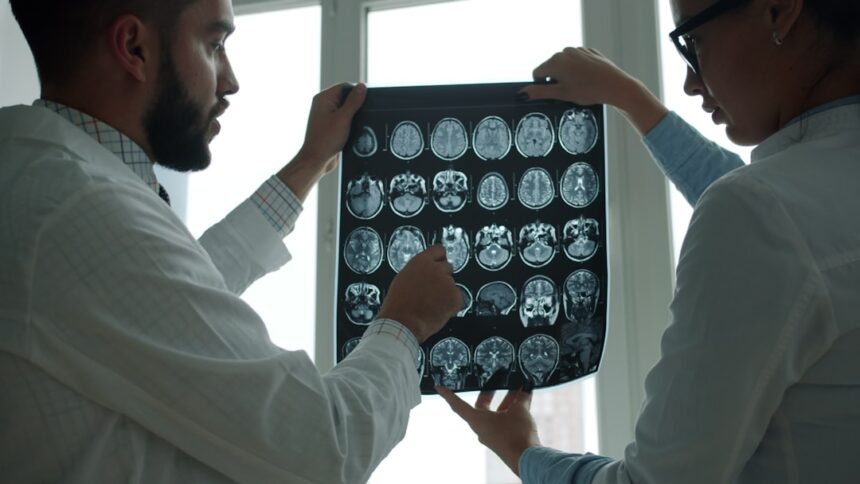
Relational neuroscience examines the connections between human relationships and brain function. This field studies how interpersonal interactions shape neural pathways and influence emotional and cognitive development. Experiences with family members, friends, and other individuals create lasting neural imprints.
These findings highlight the significant impact social connections have on mental health and overall well-being. The brain demonstrates remarkable plasticity, continuously adapting to environmental stimuli, particularly social interactions. Neural circuits governing cognition, emotion, and behavior are constantly modified through relationships with others.
This neurobiological process emphasizes the importance of healthy relationships for optimal brain development and emotional resilience. Relational neuroscience reveals how social environments fundamentally contribute to neural architecture and psychological functioning.
Key Takeaways
- Relationships significantly influence brain development and wiring, especially through attachment.
- Trauma can alter brain wiring, but therapeutic relationships offer pathways for healing and rewiring.
- Mindfulness and empathy are key components in facilitating brain rewiring and emotional healing.
- Positive relationships build resilience, enhancing mental and emotional well-being.
- Relational neuroscience principles are effectively applied in therapy and counseling to promote recovery.
The Impact of Relationships on Brain Development
Your relationships play a crucial role in shaping your brain’s architecture from the earliest stages of life. Research has shown that the quality of your early attachments can significantly influence your brain’s growth and development. For instance, when you experience consistent love and support from caregivers, your brain is more likely to develop healthy neural connections that promote emotional regulation and social competence.
Conversely, if you encounter neglect or inconsistent care, it can lead to maladaptive wiring that affects your ability to form secure attachments later in life. As you navigate through different stages of life, the relationships you cultivate continue to impact your brain’s development. Positive social interactions can stimulate the release of neurochemicals like oxytocin and dopamine, which enhance feelings of trust and happiness.
These chemicals not only improve your mood but also promote neuroplasticity—the brain’s ability to reorganize itself by forming new neural connections. By fostering meaningful relationships, you can create an environment conducive to healthy brain development and emotional well-being.
The Role of Attachment in Brain Wiring
Attachment theory provides valuable insights into how your early relationships influence your brain’s wiring. The bonds you form with primary caregivers during childhood lay the foundation for your future relationships and emotional health. Secure attachments—characterized by warmth, responsiveness, and consistency—help you develop a strong sense of self-worth and trust in others.
This secure base allows your brain to wire itself in a way that promotes healthy emotional regulation and social skills. On the other hand, insecure attachments can lead to maladaptive patterns in your brain’s wiring. If you experienced inconsistent or neglectful caregiving, you might find yourself struggling with anxiety, fear of abandonment, or difficulty trusting others.
These patterns can become ingrained in your neural pathways, making it challenging to form healthy relationships as an adult. Understanding the role of attachment in brain wiring can empower you to recognize these patterns and work towards healing and growth.
The Science of Healing through Relationships
Healing through relationships is a powerful concept rooted in relational neuroscience. When you engage in meaningful connections with others, you create opportunities for emotional healing and personal growth. The support and understanding you receive from loved ones can help you process difficult experiences and foster resilience.
This healing process is not just emotional; it also has a biological basis. Positive social interactions can trigger the release of neurotransmitters that promote feelings of safety and well-being, allowing your brain to heal from past traumas. Moreover, the act of sharing your experiences with others can facilitate cognitive restructuring.
As you articulate your thoughts and feelings within a supportive relationship, you may gain new perspectives that challenge negative beliefs or patterns. This cognitive shift can lead to changes in your brain’s wiring, promoting healthier thought processes and emotional responses. By prioritizing relationships that nurture your well-being, you can harness the power of connection to facilitate profound healing.
How Trauma Affects Brain Wiring
| Metric | Description | Typical Measurement | Relevance to Relational Neuroscience Healing |
|---|---|---|---|
| Neuroplasticity Rate | Speed at which neural connections are formed or reorganized | Changes in synaptic density or functional MRI over weeks/months | Indicates brain’s capacity to adapt and heal through relational experiences |
| Oxytocin Levels | Concentration of oxytocin hormone in blood or saliva | Measured in pg/mL via immunoassay | Associated with bonding, trust, and social connection in healing processes |
| Heart Rate Variability (HRV) | Variation in time intervals between heartbeats | Measured in milliseconds using ECG or wearable devices | Reflects autonomic nervous system balance influenced by relational safety |
| Functional Connectivity | Correlation between activity in different brain regions | Assessed via resting-state fMRI connectivity matrices | Shows integration of emotional and cognitive networks during healing |
| Cortisol Levels | Stress hormone concentration in saliva or blood | Measured in nmol/L or µg/dL | Lower levels indicate reduced stress through relational support |
| Attachment Security Scores | Psychometric assessment of relational attachment style | Scores from validated questionnaires (e.g., Adult Attachment Interview) | Predicts responsiveness to relational neuroscience healing interventions |
Trauma has a significant impact on brain wiring, often leading to long-lasting changes in how you process emotions and interact with others. When you experience trauma, your brain may become hyper-vigilant, constantly scanning for threats and responding with heightened anxiety or fear. This altered state can disrupt your ability to form secure attachments and maintain healthy relationships.
Understanding how trauma affects your brain can help you recognize the challenges you face in connecting with others. The effects of trauma on brain wiring are not just psychological; they are deeply physiological as well. Trauma can lead to changes in the structure and function of key brain regions involved in emotion regulation, such as the amygdala and prefrontal cortex.
These changes can manifest as difficulties in managing stress, impulsivity, or emotional dysregulation. By acknowledging the impact of trauma on your brain’s wiring, you can begin to seek out therapeutic interventions that address these challenges and promote healing.
The Power of Therapeutic Relationships in Healing
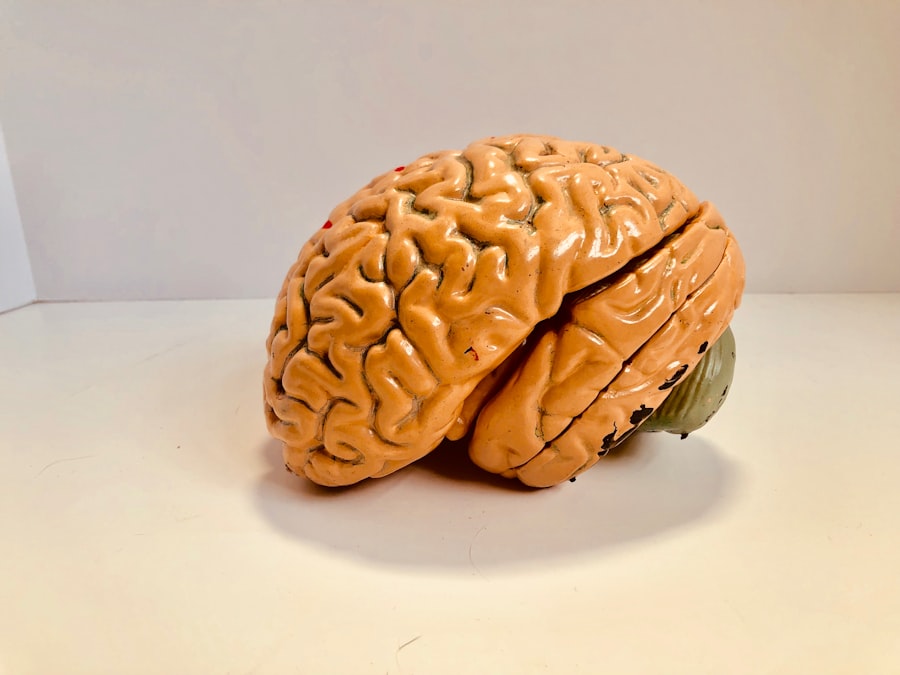
Therapeutic relationships hold immense potential for healing and transformation. When you engage with a therapist or counselor in a safe and supportive environment, you create a space for exploration and growth. The therapeutic alliance fosters trust and openness, allowing you to delve into your experiences and emotions without fear of judgment.
This relationship itself becomes a catalyst for change, as it provides a model for healthy attachment and communication. In therapy, the process of sharing your story can lead to significant shifts in your brain’s wiring. As you articulate your thoughts and feelings within this supportive context, you may begin to reframe negative beliefs and develop healthier coping strategies.
The therapist’s empathetic presence can also activate neurobiological processes that promote healing, such as the release of oxytocin—a hormone associated with bonding and trust. By harnessing the power of therapeutic relationships, you can embark on a journey toward healing that is both profound and transformative.
Techniques for Rewiring the Brain through Relationships
Rewiring your brain through relationships involves intentional practices that foster connection and emotional growth. One effective technique is engaging in active listening during conversations with loved ones. By fully attending to what others are saying without interrupting or formulating responses in advance, you create an environment where open communication flourishes.
This practice not only strengthens your relationships but also enhances your ability to empathize with others—an essential component of relational neuroscience. Another technique involves expressing gratitude within your relationships. Taking time to acknowledge the positive contributions others make in your life can strengthen bonds and promote feelings of connection.
Research has shown that expressing gratitude activates brain regions associated with reward processing, reinforcing positive interactions and encouraging further connection. By incorporating these techniques into your daily life, you can actively participate in rewiring your brain for healthier relationships.
The Connection Between Mindfulness and Brain Rewiring
Mindfulness practices offer powerful tools for rewiring your brain through relationships. When you cultivate mindfulness—defined as maintaining awareness of the present moment without judgment—you enhance your ability to connect with yourself and others on a deeper level. Mindfulness encourages self-reflection, allowing you to recognize patterns in your thoughts and behaviors that may hinder healthy relationships.
Incorporating mindfulness into your interactions can also improve communication skills and emotional regulation. By being present during conversations, you become more attuned to nonverbal cues and emotional undertones, fostering deeper connections with others. Research indicates that mindfulness practices can lead to structural changes in the brain associated with improved emotional regulation and empathy—key components for nurturing healthy relationships.
The Role of Empathy in Relational Neuroscience Healing
Empathy is a cornerstone of relational neuroscience healing, as it allows you to connect with others on an emotional level. When you practice empathy, you not only validate the feelings of those around you but also create an environment where vulnerability is welcomed.
Empathy also has neurobiological underpinnings that enhance relational healing. Engaging in empathetic interactions activates mirror neurons in your brain—cells that respond when you observe someone else’s emotions or actions as if they were your own. This activation strengthens neural pathways associated with compassion and understanding, reinforcing positive relational dynamics.
By prioritizing empathy in your interactions, you contribute to a cycle of healing that benefits both yourself and those around you.
Building Resilience through Positive Relationships
Positive relationships are essential for building resilience—the ability to bounce back from adversity and navigate life’s challenges effectively. When you surround yourself with supportive individuals who uplift and encourage you, you create a buffer against stressors that may arise. These connections provide a sense of belonging and security that fosters resilience during difficult times.
Through shared experiences and mutual support, you learn effective ways to navigate challenges while drawing strength from those around you. This collaborative approach not only strengthens individual resilience but also fosters a sense of community that promotes collective well-being.
Applying Relational Neuroscience in Therapy and Counseling
Incorporating relational neuroscience principles into therapy and counseling can significantly enhance treatment outcomes for individuals seeking healing and growth. Therapists who understand the importance of relationships can create therapeutic environments that prioritize connection, empathy, and trust. By fostering strong therapeutic alliances, practitioners empower clients to explore their experiences within a safe space.
Additionally, therapists can utilize techniques grounded in relational neuroscience—such as mindfulness practices or empathy-building exercises—to facilitate healing within their clients’ relationships. By equipping individuals with tools to enhance their interpersonal connections, therapists contribute to lasting change that extends beyond the therapy room. Ultimately, applying relational neuroscience principles in therapy allows for a holistic approach to healing that recognizes the profound impact of relationships on mental health and well-being.
In conclusion, understanding relational neuroscience opens up new avenues for personal growth and healing through relationships. By recognizing how our connections shape our brains and influence our emotional health, we can take proactive steps toward nurturing positive relationships that foster resilience and well-being.
Relational neuroscience offers a fascinating perspective on healing, emphasizing the importance of interpersonal relationships in mental health recovery. For a deeper understanding of how these concepts are applied in therapeutic settings, you can explore the article on the Unplugged Psych website. It provides valuable insights into the intersection of neuroscience and relational dynamics in healing processes. You can read more about it here.
WATCH THIS 🧠 Why Your ‘Healing’ Is Making You a Narcissist
FAQs
What is relational neuroscience?
Relational neuroscience is a field of study that explores how brain function and development are influenced by interpersonal relationships and social interactions. It examines the neural mechanisms underlying attachment, empathy, and social bonding.
How does relational neuroscience contribute to healing?
Relational neuroscience contributes to healing by highlighting the importance of secure, supportive relationships in promoting brain plasticity and emotional regulation. Therapeutic relationships can help rewire neural pathways, fostering recovery from trauma and mental health conditions.
What role do relationships play in brain development according to relational neuroscience?
According to relational neuroscience, relationships play a critical role in brain development, especially in early childhood. Positive, nurturing interactions help shape neural circuits related to emotional regulation, stress response, and social cognition.
Can relational neuroscience be applied in therapy?
Yes, relational neuroscience principles are applied in various therapeutic approaches, such as attachment-based therapy and trauma-informed care. Therapists use understanding of brain-behavior relationships to create healing environments that promote neural integration and emotional resilience.
Is relational neuroscience only relevant to mental health professionals?
While particularly valuable for mental health professionals, relational neuroscience insights are also relevant to educators, caregivers, and anyone interested in understanding how relationships impact brain health and emotional well-being.
What types of conditions can relational neuroscience healing address?
Relational neuroscience healing can address conditions such as trauma, anxiety, depression, attachment disorders, and other emotional or relational difficulties by fostering secure connections that support neural and psychological recovery.
How does relational neuroscience differ from traditional neuroscience?
Traditional neuroscience often focuses on brain structures and functions in isolation, whereas relational neuroscience emphasizes the dynamic interplay between brain processes and social relationships, highlighting how interpersonal experiences shape neural development and function.
Are there specific techniques used in relational neuroscience healing?
Techniques include creating safe therapeutic relationships, promoting mindfulness and emotional attunement, and using interventions that enhance social connection and empathy to support neural integration and healing.
Can relational neuroscience healing be combined with other treatments?
Yes, relational neuroscience healing is often integrated with other treatments such as cognitive-behavioral therapy, medication, and somatic therapies to provide a comprehensive approach to mental health and emotional well-being.
Where can I learn more about relational neuroscience healing?
You can learn more through academic journals, books on neuroscience and psychotherapy, professional training programs, and reputable online resources dedicated to neuroscience and mental health.