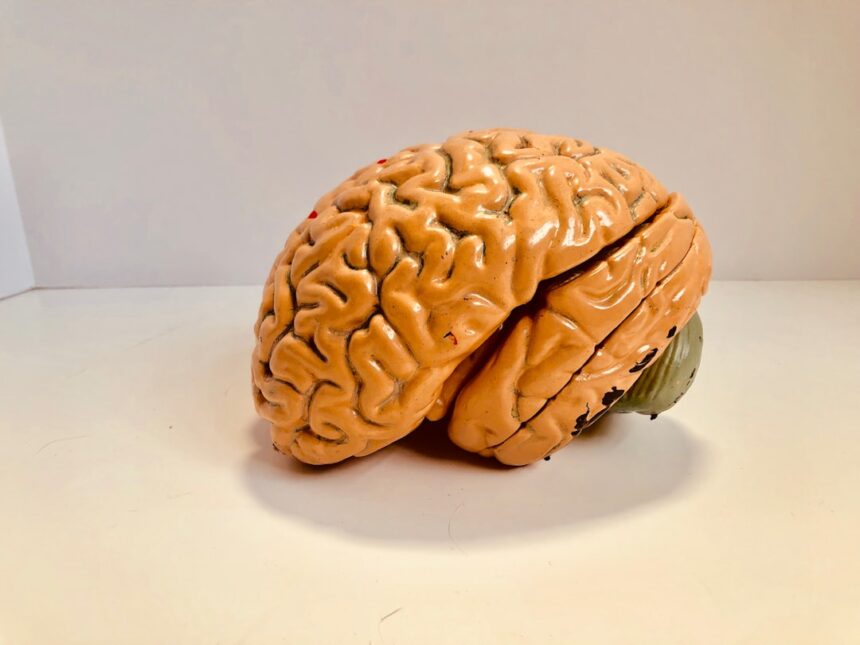
Neuroplasticity refers to the brain’s capacity to physically reorganize and adapt throughout an individual’s lifetime. This process enables the brain to establish new neural connections in response to learning, experience, and injury recovery. Modern neuroscience has moved away from the earlier understanding of the brain as a fixed structure, instead recognizing it as a dynamic organ that continuously changes based on environmental interaction and behavioral demands.
This adaptive capacity supports cognitive development, skill acquisition, and neurological rehabilitation. When individuals engage in new learning or skill practice, measurable structural changes occur in the brain that improve its functional capabilities. During these activities, the brain does not merely store information passively; rather, it actively modifies the neural pathways responsible for cognition and behavior.
Knowledge of neuroplasticity provides individuals with evidence-based understanding of how deliberate practice and cognitive engagement can influence brain development, supporting the adoption of learning strategies and the pursuit of challenging activities that promote neural adaptation.
Key Takeaways
- Neuroplasticity enables the brain to change and adapt by forming and strengthening neural connections.
- Repeated practice is essential for rewiring the brain and acquiring new skills effectively.
- Neuroplasticity plays a crucial role in learning, memory, rehabilitation, and recovery from brain injuries.
- Enhancing neuroplasticity can support mental health, cognitive function in aging, and treatment of neurological disorders.
- Cultivating a growth mindset helps harness neuroplasticity for personal development and lifelong learning.
The Science Behind Neuroplasticity: How Neurons Form and Strengthen Connections
At the core of neuroplasticity lies the intricate network of neurons that communicate through synapses. When you learn something new or practice a skill, your neurons fire together, creating a pattern of activity that strengthens their connections. This phenomenon is often summarized by the phrase “cells that fire together, wire together.” As you repeat an action or thought process, the synaptic connections become more robust, making it easier for you to access that information or skill in the future.
The process of synaptic strengthening involves various biochemical changes within the neurons. Neurotransmitters, which are chemical messengers, play a crucial role in transmitting signals between neurons. When you engage in repeated practice, the release of these neurotransmitters increases, enhancing communication between neurons and solidifying the connections.
Over time, this leads to more efficient neural pathways, allowing you to perform tasks with greater ease and proficiency.
The Role of Repeated Practice in Rewiring the Brain

Repeated practice is essential for harnessing the power of neuroplasticity. When you dedicate time and effort to mastering a skill or concept, you are essentially training your brain to adapt and improve. This process involves not only physical repetition but also mental rehearsal, where you visualize yourself performing the task successfully.
Both forms of practice contribute to the rewiring of your brain, reinforcing the neural pathways associated with that skill. As you engage in consistent practice, you may notice that tasks that once felt challenging become more manageable over time. This transformation occurs because your brain is continuously refining its neural connections based on your experiences.
The more you practice, the more efficient your brain becomes at executing the task, ultimately leading to mastery. Embracing this process can be incredibly rewarding, as it allows you to witness firsthand the tangible effects of your efforts on your cognitive abilities.
Neuroplasticity and Skill Acquisition: How Practice Makes Perfect
The relationship between neuroplasticity and skill acquisition is profound. When you set out to learn a new skill—be it playing a musical instrument, mastering a sport, or acquiring a new language—your brain undergoes significant changes to accommodate this new information. Each time you practice, your brain reinforces the neural pathways associated with that skill, making it easier for you to recall and execute it in the future.
This process is not limited to physical skills; it also applies to cognitive abilities such as problem-solving and critical thinking. As you challenge yourself with complex tasks and engage in deliberate practice, your brain adapts by forming new connections and strengthening existing ones. This adaptability is what allows you to progress from novice to expert over time.
By understanding this connection between neuroplasticity and skill acquisition, you can approach learning with a sense of purpose and determination.
The Impact of Neuroplasticity on Learning and Memory
| Metric | Description | Effect on Neuroplasticity | Example/Measurement |
|---|---|---|---|
| Synaptic Strengthening | Increase in the efficiency of synaptic transmission between neurons | Enhanced with repeated practice, leading to stronger neural connections | Long-term potentiation (LTP) measured via electrophysiology |
| Gray Matter Volume | Density of neuronal cell bodies in specific brain regions | Increases in areas related to practiced skills after consistent training | MRI scans showing volume changes in motor cortex after skill learning |
| Myelination | Formation of myelin sheath around axons to speed neural transmission | Improved with repeated practice, enhancing signal speed and efficiency | Diffusion tensor imaging (DTI) showing increased white matter integrity |
| Neurogenesis | Generation of new neurons, primarily in the hippocampus | Stimulated by learning and repeated practice, supporting memory and adaptation | BrdU labeling in animal studies; indirect measures in humans |
| Functional Connectivity | Coordination between different brain regions during tasks | Strengthened through repeated practice, improving task performance | fMRI showing increased connectivity between motor and sensory areas |
| Behavioral Performance | Improvement in task accuracy and speed | Directly correlates with neuroplastic changes induced by practice | Reaction time reduction and error rate decrease in skill tasks |
Neuroplasticity plays a pivotal role in how you learn and retain information. When you encounter new material, your brain actively reorganizes itself to accommodate this knowledge. This process involves creating new synaptic connections and strengthening existing ones, which enhances your ability to recall information later on.
The more engaged you are in the learning process—whether through active participation, discussion, or application—the more effective this neuroplastic change becomes. Moreover, neuroplasticity is not limited to formal education; it extends to everyday experiences as well. Each interaction you have with your environment contributes to your learning and memory formation.
By being mindful of your experiences and seeking out opportunities for growth, you can leverage neuroplasticity to enhance your cognitive abilities and improve your overall learning outcomes.
Harnessing Neuroplasticity for Rehabilitation and Recovery

Neuroplasticity has significant implications for rehabilitation and recovery from injuries or neurological conditions. When faced with challenges such as stroke or traumatic brain injury, your brain has the potential to reorganize itself and compensate for lost functions. Rehabilitation programs often focus on harnessing this ability by encouraging repetitive practice of specific tasks or movements.
Through targeted exercises and therapies, individuals can stimulate neuroplastic changes that promote recovery. For instance, if someone has lost mobility in a limb due to an injury, engaging in physical therapy can help retrain the brain to regain control over that limb. By consistently practicing movements and gradually increasing complexity, the individual can encourage their brain to form new connections that facilitate movement.
This process underscores the importance of persistence and dedication in rehabilitation efforts, as each small step contributes to significant improvements over time.
The Connection Between Neuroplasticity and Mental Health
Neuroplasticity is also intricately linked to mental health. Your brain’s ability to adapt and change can influence how you respond to stress, trauma, and emotional challenges. For instance, therapeutic approaches such as cognitive-behavioral therapy (CBT) leverage neuroplasticity by helping individuals reframe negative thought patterns and develop healthier coping strategies.
As you engage in these therapeutic practices, your brain rewires itself to support more positive mental health outcomes. Additionally, mindfulness practices such as meditation have been shown to promote neuroplastic changes that enhance emotional regulation and resilience. By cultivating awareness and presence in the moment, you can create new neural pathways that support a healthier mindset.
Understanding this connection empowers you to take proactive steps toward improving your mental well-being through practices that foster neuroplasticity.
Neuroplasticity and Aging: Maintaining Cognitive Function
As you age, maintaining cognitive function becomes increasingly important. Neuroplasticity offers hope for preserving mental acuity even in later years. Engaging in intellectually stimulating activities—such as puzzles, reading, or learning new skills—can promote neuroplastic changes that counteract age-related cognitive decline.
Moreover, social interactions play a vital role in supporting neuroplasticity as you age. Engaging with others through conversations, group activities, or community involvement stimulates cognitive processes and fosters emotional connections.
These interactions not only enhance your quality of life but also contribute to maintaining cognitive function as you navigate the aging process.
Strategies for Enhancing Neuroplasticity through Practice and Training
To harness the power of neuroplasticity effectively, consider implementing specific strategies into your daily routine. One approach is to embrace lifelong learning by seeking out new experiences and challenges regularly. Whether it’s taking up a new hobby or enrolling in a course, exposing yourself to novel situations encourages your brain to adapt and grow.
Additionally, incorporating mindfulness practices into your routine can enhance neuroplasticity by promoting focus and awareness. Techniques such as meditation or deep breathing exercises help create an optimal environment for learning and cognitive development. By prioritizing both mental stimulation and mindfulness, you can create a holistic approach that maximizes the benefits of neuroplasticity.
The Potential of Neuroplasticity in Treating Neurological Disorders
Neuroplasticity holds immense potential for treating various neurological disorders. Conditions such as Parkinson’s disease, multiple sclerosis, and traumatic brain injuries can benefit from targeted interventions that leverage the brain’s ability to reorganize itself. Research has shown that rehabilitation programs designed around neuroplastic principles can lead to significant improvements in motor function and cognitive abilities for individuals facing these challenges.
Innovative therapies such as virtual reality training or robotic-assisted rehabilitation are emerging as effective tools for promoting neuroplastic changes in patients with neurological disorders. These approaches provide engaging environments that encourage repetitive practice while also offering real-time feedback on performance. By harnessing technology alongside traditional rehabilitation methods, healthcare professionals can optimize recovery outcomes for individuals with neurological conditions.
Embracing Neuroplasticity: Cultivating a Growth Mindset for Personal Development
Embracing neuroplasticity requires cultivating a growth mindset—a belief that abilities can be developed through dedication and hard work. By adopting this perspective, you empower yourself to view challenges as opportunities for growth rather than obstacles to overcome. This mindset encourages resilience and perseverance in the face of setbacks while reinforcing the idea that continuous learning is possible at any stage of life.
Celebrate small victories along the way and remain open to new experiences that challenge your existing beliefs about what is possible. By embracing neuroplasticity with a growth mindset, you unlock the potential for lifelong learning and self-improvement.
In conclusion, understanding neuroplasticity equips you with valuable insights into how your brain functions and adapts throughout life. By recognizing its significance in learning, memory formation, rehabilitation efforts, mental health support, aging gracefully, and personal development endeavors—you can take proactive steps toward harnessing this incredible capacity for change within yourself. Embrace challenges with enthusiasm; seek out opportunities for growth; cultivate resilience through practice—and watch as your brain transforms alongside your journey toward becoming the best version of yourself.
Neuroplasticity, the brain’s remarkable ability to reorganize itself through repeated practice, plays a crucial role in learning and recovery from injury. This concept is beautifully illustrated in the article on Unplugged Psych, which delves into how consistent practice can lead to significant brain changes over time. For more insights on this fascinating topic, you can read the full article [here](https://www.unpluggedpsych.com/sample-page/).
FAQs
What is neuroplasticity?
Neuroplasticity is the brain’s ability to reorganize itself by forming new neural connections throughout life. This adaptability allows the brain to compensate for injury, adjust to new experiences, and improve cognitive functions.
How does repeated practice influence neuroplasticity?
Repeated practice strengthens neural pathways by reinforcing the connections between neurons. This process, often summarized as “neurons that fire together wire together,” leads to more efficient brain function and skill acquisition.
Can neuroplasticity occur at any age?
Yes, neuroplasticity occurs throughout life, although it is generally more pronounced during childhood. Adults can also experience significant brain changes through learning, practice, and rehabilitation.
What types of activities promote neuroplasticity?
Activities that challenge the brain, such as learning new skills, practicing a musical instrument, engaging in physical exercise, and solving puzzles, can promote neuroplasticity by encouraging the formation of new neural connections.
How long does it take for repeated practice to change the brain?
The time required varies depending on the complexity of the skill and individual differences. Some changes can occur within days or weeks of consistent practice, while more profound structural changes may take months or longer.
Is neuroplasticity beneficial for recovery after brain injury?
Yes, neuroplasticity plays a crucial role in recovery after brain injury by enabling other parts of the brain to take over functions lost due to damage, especially when combined with targeted rehabilitation and repeated practice.
Does repeated practice always lead to positive brain changes?
While repeated practice generally strengthens desired neural pathways, it can also reinforce negative habits or maladaptive patterns if the practice involves harmful behaviors. Therefore, the quality and focus of practice are important.
Can neuroplasticity help improve memory and cognitive abilities?
Yes, engaging in repeated practice of cognitive tasks can enhance memory, attention, and other cognitive functions by strengthening relevant neural networks in the brain.
Are there any limitations to neuroplasticity?
Although neuroplasticity is a powerful mechanism, it has limits. Factors such as age, genetics, the extent of brain injury, and environmental influences can affect the degree and speed of brain changes.
How can one maximize the benefits of neuroplasticity through practice?
To maximize neuroplasticity, practice should be consistent, challenging, and progressively more difficult. Incorporating variety, rest periods, and feedback also helps reinforce learning and brain adaptation.