You stand in your kitchen, a silent testament to your domestic endeavors. The refrigerator hums a mournful tune, the dishwasher, once a paragon of efficiency, now groans under its workload, and the washing machine, well, it’s more of a hesitant whisper than a powerful spin. These aren’t just machines; they are the silent partners in your daily life, the unsung heroes that keep your household functioning. But when they falter, when they begin to show their age, a sense of resignation can creep in. The easy answer is replacement, but what if there’s another way? What if you could, with the right approach, awaken these slumbering giants, restoring them to their former glory? This is where the Steelman and Feelman Repair Method comes into play, a philosophy that emphasizes both the mechanical integrity and the user experience of your appliances.
The Steelman and Feelman Repair Method is not a singular, patented technique, but rather a comprehensive approach to understanding and addressing appliance malfunctions. It’s a dual-pronged strategy, focusing on two fundamental aspects: the “Steelman” and the “Feelman.”
The Steelman: The Foundation of Mechanical Integrity
The Steelman aspect of this method zeroes in on the structural and functional soundness of your appliances. It’s about understanding the nuts and bolts, the gears and circuits, the very sinews that allow your machines to perform their intended tasks. Think of it as diagnosing the skeletal structure and muscular system of your appliance.
- The Importance of Diagnosis: Before any repair can begin, a thorough diagnosis is paramount. This is not a quick glance or a superficial assessment. It’s an in-depth examination, akin to a doctor meticulously reviewing a patient’s symptoms and history.
- ### Identifying the Root Cause: You must move beyond the symptom to uncover the underlying problem. A rattling washing machine might not just need a shim; it could be a worn bearing. A refrigerator not cooling efficiently might not just be a door seal issue; it could be a refrigerant leak.
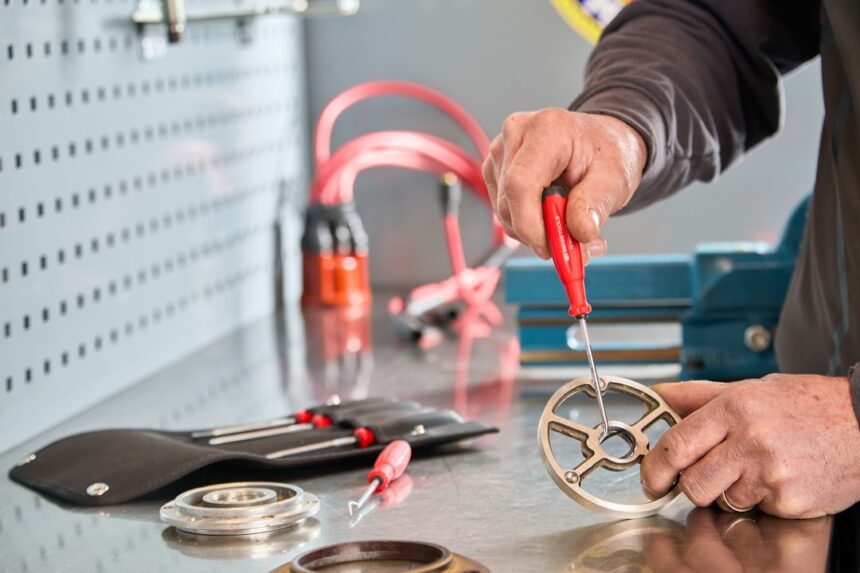
- ### Utilizing Diagnostic Tools: Depending on the appliance, specific tools may be necessary. For electrical issues, a multimeter is your ally. For mechanical parts, a good set of wrenches and screwdrivers is essential. Observing for leaks, listening for unusual noises, and noting any error codes are all part of this diagnostic arsenal.
- ### Understanding Appliance Schematics: For more complex repairs, consulting the manufacturer’s service manual or online schematics can be invaluable. These diagrams are the blueprints of your appliance, revealing how each component interacts.
- The Role of Quality Parts: Just as a skilled builder uses sturdy materials, the Steelman approach prioritizes the use of high-quality replacement parts.
- ### OEM vs. Aftermarket: Original Equipment Manufacturer (OEM) parts are manufactured by the same company that made your appliance. They are generally guaranteed to fit and function correctly. Aftermarket parts are made by third-party companies. While often less expensive, their quality can vary significantly. When reliability is key, OEM is often the preferred choice.
- ### Durability and Longevity: Investing in durable parts, even if they come at a slightly higher initial cost, will ultimately save you money and frustration. A cheap part that fails prematurely is a false economy, leading to repeat repairs and potential secondary damage.
- ### Availability and Sourcing: Knowing where to source reliable parts is crucial. Local appliance repair shops, reputable online retailers specializing in appliance parts, and sometimes even the manufacturer directly are all potential avenues.
- Precision in Repair: The Steelman method emphasizes meticulous execution of the repair itself.
- ### Following Manufacturer’s Guidelines: When available, adhere to the manufacturer’s recommended repair procedures. These are often designed for optimal performance and safety.
- ### Proper Reassembly: Reassembly is just as critical as disassembly. Ensuring all screws are tightened correctly, all connections are secure, and all components are aligned properly is vital for long-term functionality. A loose screw might seem minor, but it can vibrate loose and cause significant damage over time.
- ### Testing and Verification: After the repair, thorough testing is non-negotiable. Run the appliance through its full cycle, paying close attention to the same issues that prompted the repair in the first place. This confirms the effectiveness of your work.
The Feelman: The User Experience and Emotional Connection
The Feelman aspect of this method acknowledges that an appliance is more than just a collection of metal and plastic. It’s an integral part of your home, and its performance impacts your daily life and overall sense of well-being. This perspective considers how the appliance feels to use, how it contributes to your domestic peace, and how its revival can bring a sense of satisfaction and renewed control.
- Restoring Efficiency and Effectiveness: The primary purpose of an appliance is to perform a task effectively.
- ### Optimal Performance: A repaired appliance should not just work; it should work well. This means returning to its original performance levels, be it a refrigerator that cools evenly, a dishwasher that cleans thoroughly, or a washing machine that spins effectively.
- ### Energy Savings: Older, inefficient appliances can be energy hogs. Restoring them to their peak condition can lead to noticeable savings on your utility bills. This is a tangible benefit that directly impacts your household budget.
- ### Time and Labor Reduction: When your appliances function as they should, they save you time and effort. A working dryer means less time spent hanging laundry; a functioning oven means less time spent on elaborate meal prep.
- Enhancing User Comfort and Convenience: The Feelman perspective considers the user’s interaction with the appliance.
- ### Noise Reduction: Appliances that have become excessively noisy can be a source of irritation. Addressing the source of the noise, whether it’s a worn motor mount or a loose component, can significantly improve the living environment.
- ### Ease of Operation: Controls should be responsive, doors should open and close smoothly, and the overall user interface should be intuitive and hassle-free.
- ### Aesthetic Considerations: While perhaps less critical than functionality, a clean and well-maintained appliance can contribute to a more pleasant kitchen or laundry room environment.
- The Psychological Impact of Repair: Bringing an appliance back to life can have a profound psychological effect.
- ### A Sense of Accomplishment: Successfully repairing an appliance, especially a complex one, provides a significant sense of accomplishment and self-reliance. It’s a tangible demonstration of your problem-solving skills.
- ### Financial Savings and Resourcefulness: Avoiding the cost of replacement is a direct financial benefit. It also fosters a mindset of resourcefulness and sustainability, valuing what you have rather than constantly seeking the new.
- ### Empowerment Through Knowledge: The process of repair, guided by the Steelman and Feelman principles, empowers you with knowledge. You understand your appliances better, which can lead to more proactive maintenance and prevent future issues. You move from being a passive consumer to an informed steward of your possessions.
The Steelman and Feelman repair method has gained attention in the realm of psychological interventions, particularly for its innovative approach to emotional healing. For those interested in exploring more about this method and its applications, a related article can be found at Unplugged Psych, which delves into various therapeutic techniques and their effectiveness in addressing emotional and psychological challenges.
The Steelman in Action: Diagnosing and Repairing Mechanical Faults
Let’s delve into some practical applications of the Steelman aspect. Imagine your refrigerator is no longer maintaining a consistent temperature.
Refrigerator Temperature Woes: A Steelman Approach
- ### Initial Checks: You begin with the simplest Steelman checks. Is the door seal intact and creating a tight fit? Are the vents inside the refrigerator blocked by food items? Is the unit level? These are the foundational checks.
- ### Exploring the Cooling System: If the basic checks don’t resolve the issue, you move deeper into the Steelman diagnosis of the cooling system.
- ### The Compressor: This is the heart of your refrigerator’s cooling system. Listen for a consistent hum, indicating it’s running. If it’s silent or making a clicking noise, it could be faulty.
- ### The Condenser Coils: These are usually located at the back or underneath the refrigerator. If they are heavily coated in dust and debris, they cannot dissipate heat effectively, hindering the cooling process. Cleaning these coils is a crucial Steelman maintenance task.
- ### The Evaporator Fan: Inside the freezer compartment, this fan circulates cold air. If you can’t hear it running or if the freezer is cold but the refrigerator compartment is not, this fan might be the culprit.
- ### Thermostat and Temperature Sensors: These are the “brains” of the cooling operation. A faulty thermostat or sensor can send incorrect signals, leading to improper cooling.
- ### Replacing Components: Once the diagnosis points to a specific component, the Steelman repair process involves careful replacement.
- ### Safely Disconnecting Power: Crucially, always unplug the appliance before attempting any internal repairs. This is a non-negotiable Steelman safety protocol.
- ### Accessing the Faulty Part: This may involve removing panels or trays. Consult your appliance’s manual if unsure.
- ### Installation: Carefully install the new component, ensuring all connections are secure and all mounting hardware is in place.
- ### Testing: Plug the refrigerator back in and allow it several hours to reach its optimal temperature. Monitor the temperature in both the refrigerator and freezer compartments.
The Feelman in Action: Restoring Usability and Comfort

Now, let’s consider the Feelman aspect. Your washing machine is making an unusually loud thumping noise during its spin cycle and not draining effectively.
Washing Machine Malfunctions: A Feelman Perspective
- ### The Annoyance Factor: That thumping noise isn’t just a mechanical issue; it’s an auditory assault on your senses. It disrupts the peace of your home and can even make you nervous about using the machine. The drainage issue is a practical inconvenience that leaves you with wet clothes.
- ### Diagnosing the Spin Cycle Thump: From a Steelman perspective, you might suspect an unbalanced load or a worn shock absorber.
- ### Load Balance: Ensure you’re not overloading the machine or washing single, heavy items that can cause imbalance.
- ### Shock Absorbers/Suspension Rods: These components absorb the vibrations of the spinning drum. If they are worn or broken, the drum will bang against the cabinet.
- ### Diagnosing the Drainage Issue:
- ### The Drain Pump Filter: Many washing machines have a small filter that can become clogged with lint, coins, or other debris. This is often the easiest Steelman fix for drainage problems.
- ### The Drain Hose: Check for kinks, clogs, or blockages in the drain hose that carries water away.
- ### The Drain Pump: If the filter is clear and the hose is unobstructed, the drain pump itself may be failing.
- ### The Feelman Fixes:
- ### Cleaning the Filter: This is a simple, yet highly effective Feelman repair that restores efficient drainage and eliminates a potential source of odor.
- ### Replacing Shock Absorbers: While a more involved Steelman repair, successfully replacing the shock absorbers will restore the quiet operation of your washing machine, greatly improving the Feelman experience. You’ll no longer wince every time the spin cycle begins.
- ### Restoring Smooth Operation: The goal here isn’t just to fix the noise and drainage; it’s to bring back the quiet hum of competence, the smooth glide of a well-functioning appliance that makes laundry day less of a chore and more of a seamless process.
Maintaining the Revived: Proactive Steelman and Feelman Care
Reviving an appliance is a victory, but it’s only the beginning. Sustaining its restored performance requires ongoing attention to both the Steelman and Feelman aspects.
Proactive Steelman Maintenance: Preventing Future Breakdowns
- ### Regular Cleaning: This is the bedrock of Steelman maintenance. Dust buildup, especially on components like condenser coils and fan blades, is a silent killer of appliance efficiency.
- ### Refrigerator Coils: Schedule a deep clean of your refrigerator’s condenser coils at least twice a year.
- ### Dryer Lint Trap and Vent: A clogged lint trap and vent are fire hazards and drastically reduce drying efficiency. Clean them after every single load and perform a more thorough vent cleaning annually.
- ### Washing Machine Drum and Gasket: Regularly clean the washing machine drum and the rubber gasket around the door to prevent mold and mildew buildup, which can lead to odors and affect hygiene.
- ### Lubrication and Adjustment: Certain moving parts may benefit from occasional lubrication, following manufacturer recommendations. Proper adjustment of door catches or hinges can prevent undue stress on mechanisms.
- ### Vigilance for Wear and Tear: Be observant. Do you notice a slight increase in noise? A slow drip? A minor change in performance? These are often early warning signs that a Steelman intervention can prevent from escalating into a major repair. Think of it as spotting a loose thread on your favorite shirt before it becomes a rip.
Proactive Feelman Care: Enhancing the User Experience
- ### Understanding Usage Patterns: How do you use your appliances? Are you consistently overloading the washing machine? Are you placing hot food directly into the refrigerator? Understanding your habits can inform how you maintain and use your appliances to minimize stress on their components.
- ### Noise and Vibration Monitoring: Continue to pay attention to any unusual sounds or vibrations. A quiet appliance is a happy appliance, and more importantly, a happy user.
- ### Aesthetic and Functional Appeal: Keep the exteriors of your appliances clean. This not only looks better but can also prevent the buildup of corrosive substances. Ensure that controls are clean and responsive, and that doors open and close smoothly. A well-functioning appliance feels good to use.
- ### Staying Informed: Periodically review your appliance manuals. New information or best practices may be available that can further enhance their performance and longevity.
The Steelman and Feelman repair method has gained attention for its innovative approach to addressing emotional and psychological challenges. For those interested in exploring related concepts, an insightful article can be found at this link, which delves into various therapeutic techniques and their applications. Understanding these methods can enhance one’s ability to navigate complex emotional landscapes and foster personal growth.
The Long-Term Benefits: Sustainability and Self-Reliance
| Metric | Steelman Repair Method | Feelman Repair Method |
|---|---|---|
| Repair Time | 4-6 hours | 3-5 hours |
| Durability | High (10+ years) | Moderate (5-7 years) |
| Material Used | Steel plates and welding rods | Composite patches and adhesives |
| Cost Efficiency | Medium | High |
| Skill Level Required | Advanced welding skills | Intermediate repair skills |
| Application Areas | Heavy machinery, structural repairs | Automotive bodywork, light machinery |
| Environmental Impact | Higher due to welding fumes and energy use | Lower, uses less energy and fewer emissions |
Embracing the Steelman and Feelman Repair Method offers a cascade of benefits that extend far beyond the immediate fix.
Environmental Responsibility
- ### Reducing E-Waste: The lifespan of appliances is often artificially shortened by a throwaway culture. By repairing instead of replacing, you significantly reduce the amount of electronic waste that ends up in landfills. This is a direct contribution to environmental sustainability.
- ### Conserving Resources: Manufacturing new appliances requires vast amounts of energy and raw materials. Repairing existing ones conserves these precious resources.
Financial Prudence
- ### Significant Cost Savings: The cost of repairing an appliance is almost always a fraction of the cost of purchasing a new one. This method allows you to allocate your budget to other areas of your life rather than being constantly beholden to appliance replacement cycles.
- ### Increased Asset Value: Well-maintained and functioning appliances increase the overall value and appeal of your home.
Personal Empowerment and Skill Development
- ### Cultivating Practical Skills: The Steelman and Feelman approach is a journey of learning. You develop practical, hands-on skills that are transferable to many aspects of home maintenance. This fosters a sense of capability and competence.
- ### Building Self-Reliance: In an era where many are dependent on others for even the simplest repairs, embracing this method builds self-reliance. You become the problem-solver, the fixer, the one who can bring order and functionality back to your domain. You are no longer at the mercy of a malfunctioning appliance; you are in control.
In conclusion, the Steelman and Feelman Repair Method is an invitation to rethink your relationship with your appliances. It’s an acknowledgment that with deliberate care, mechanical diligence, and an appreciation for the human element, you can breathe new life into them. You can transform the mournful hums and groans into the quiet symphony of a well-functioning household, not just restoring functionality, but regaining a sense of control and satisfaction.
FAQs
What is the Steelman and Feelman repair method?
The Steelman and Feelman repair method is a technique used in structural repair and maintenance, particularly for steel structures. It involves specific procedures to restore the integrity and strength of damaged steel components.
In which industries is the Steelman and Feelman repair method commonly used?
This repair method is commonly used in industries such as construction, shipbuilding, manufacturing, and infrastructure maintenance where steel structures are prevalent and require periodic repair.
What are the main advantages of using the Steelman and Feelman repair method?
The main advantages include improved durability of repaired steel components, cost-effectiveness compared to full replacement, and the ability to restore structural integrity without extensive downtime.
Does the Steelman and Feelman repair method require specialized equipment or training?
Yes, the method typically requires specialized welding equipment and trained personnel who understand the specific procedures and safety protocols involved in steel repair.
Is the Steelman and Feelman repair method suitable for all types of steel damage?
While effective for many types of steel damage such as cracks, corrosion, and deformation, the method may not be suitable for severely compromised structures where replacement is necessary. A professional assessment is recommended to determine applicability.