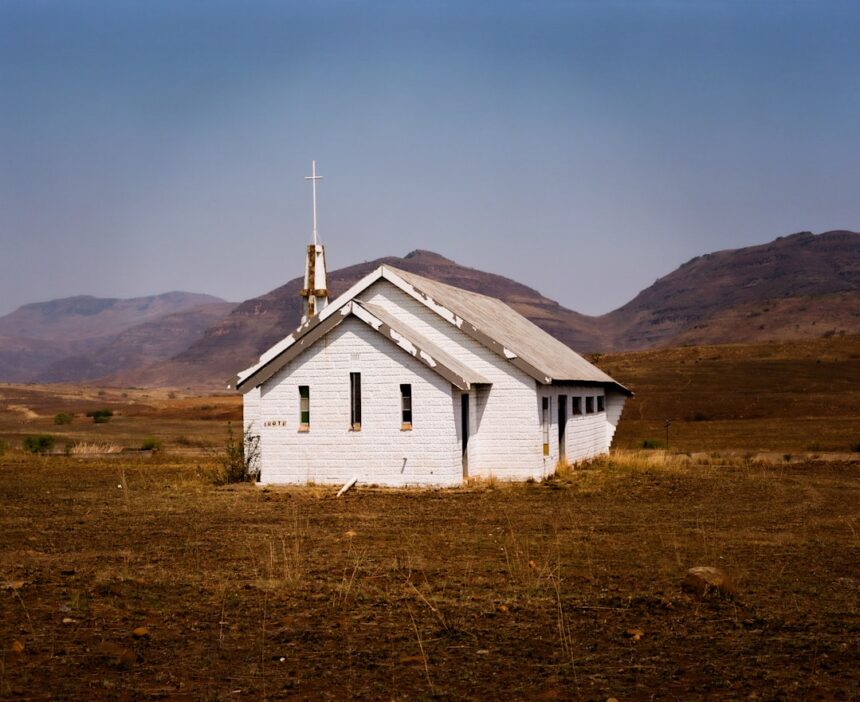
In life’s journey, a spiritual community plays a crucial role. It functions as a space where individuals can explore their beliefs, share experiences, and connect with others on similar spiritual paths. This community creates a sense of belonging, offering support and understanding in one’s search for meaning and purpose.
Engaging with like-minded people establishes a supportive network that can elevate one’s spirit and encourage personal development. Additionally, spiritual communities cultivate collective wisdom. The sharing of insights and experiences provides access to varied perspectives that can enhance one’s spiritual understanding.
This exchange of ideas enriches personal beliefs and helps navigate life’s complexities with greater clarity. During periods of uncertainty or difficulty, a supportive community can provide guidance, helping individuals reconnect with their core values and recognize the interconnectedness of all beings.
Key Takeaways
- Spiritual communities are vital for emotional and spiritual well-being, providing support and connection.
- Repairing damaged spiritual bonds requires intentional steps like forgiveness, understanding, and open communication.
- Creating safe spaces encourages healing and fosters trust within the community.
- Embracing vulnerability and authenticity deepens empathy and compassion among members.
- Healing rituals and ongoing nurturing are essential to sustain and strengthen restored spiritual connections.
Recognizing the Damage to Spiritual Bonds
As you traverse the landscape of spiritual growth, it’s essential to recognize when bonds within your community have been strained or damaged. Conflicts may arise due to differing beliefs, misunderstandings, or even personal grievances. These rifts can lead to feelings of isolation and disconnection, making it challenging for you to fully engage in the spiritual practices that once brought you joy.
Acknowledging these issues is the first step toward healing and restoration. You may find that the damage to spiritual bonds often manifests in subtle ways. Perhaps you notice a reluctance to participate in group activities or a growing sense of discomfort during discussions.
These signs indicate that something is amiss within the community dynamic. It’s crucial to address these feelings openly and honestly, as ignoring them can lead to further alienation and resentment. By recognizing the damage, you empower yourself and others to take the necessary steps toward mending these vital connections.
Steps to Repairing Spiritual Bonds
Repairing spiritual bonds requires intentional effort and a willingness to engage in difficult conversations. The first step is to create an environment where everyone feels safe to express their feelings and concerns. This may involve setting aside time for open dialogue, where each member can share their perspective without fear of judgment.
By fostering an atmosphere of trust, you lay the groundwork for healing and reconciliation. Once the lines of communication are open, it’s essential to actively listen to one another.
You may find that by validating each other’s experiences, you can begin to bridge the gaps that have formed. Acknowledging the pain and hurt that has occurred is crucial in this process; it allows for genuine empathy and paves the way for forgiveness.
Cultivating Forgiveness and Understanding
Forgiveness is a powerful tool in the journey toward healing spiritual bonds. It requires you to let go of resentment and anger, which can be burdensome if held onto for too long. Cultivating forgiveness doesn’t mean condoning hurtful actions; rather, it’s about freeing yourself from the emotional weight that these grievances carry.
By choosing to forgive, you open yourself up to new possibilities for connection and growth within your community. Understanding plays a complementary role in this process. As you strive to forgive, take time to reflect on the motivations and circumstances that may have led to conflicts within your community.
This deeper understanding can foster compassion for those involved, allowing you to see them as fellow travelers on their own spiritual journeys. When you approach others with empathy, it becomes easier to release negative feelings and move toward reconciliation.
Creating Safe Spaces for Healing
| Metric | Description | Measurement Method | Typical Range | Impact on Community |
|---|---|---|---|---|
| Conflict Resolution Rate | Percentage of conflicts successfully resolved within the community | Surveys and mediation records | 70% – 95% | Higher rates indicate stronger community cohesion |
| Participation in Repair Circles | Number of members actively involved in spiritual repair sessions | Attendance logs | 30% – 60% of total membership | Reflects engagement and commitment to healing |
| Sense of Belonging Score | Self-reported feeling of inclusion and acceptance | Community surveys using Likert scale (1-5) | 3.5 – 4.8 average score | Indicates emotional and spiritual connection |
| Frequency of Community Gatherings | Number of spiritual or repair-focused meetings per month | Event calendars | 2 – 8 gatherings | Supports ongoing dialogue and repair work |
| Volunteer Hours Dedicated to Repair | Total hours contributed by members towards community healing activities | Volunteer logs | 50 – 200 hours/month | Demonstrates active investment in community wellbeing |
| Reduction in Recurring Conflicts | Decrease in repeated disputes over time | Conflict tracking reports | 20% – 60% reduction annually | Shows effectiveness of repair strategies |
Creating safe spaces is essential for nurturing healing within your spiritual community. These spaces should be free from judgment and filled with acceptance, allowing individuals to express their thoughts and emotions openly. You might consider organizing regular gatherings focused on sharing experiences or facilitating workshops that encourage vulnerability and connection.
By establishing these environments, you invite members to engage authentically without fear of criticism. In addition to physical spaces, emotional safety is equally important. Encourage practices that promote active listening and respect for differing viewpoints.
When individuals feel secure in expressing themselves, they are more likely to share their struggles and triumphs, fostering deeper connections among community members. This sense of safety lays the foundation for healing old wounds and rebuilding trust.
The Role of Communication in Restoring Community
Effective communication is at the heart of restoring any community, especially one centered around spirituality. It involves not only speaking but also listening with intention and empathy. As you engage in conversations with fellow members, strive to articulate your thoughts clearly while remaining open to feedback.
This two-way exchange fosters understanding and helps clarify any misunderstandings that may have contributed to previous conflicts. Moreover, consider incorporating various forms of communication into your community interactions. Written reflections, group discussions, or even creative expressions like art or music can serve as powerful tools for conveying feelings and ideas.
By diversifying how you communicate, you create opportunities for deeper connections and insights that may not emerge through traditional dialogue alone.
Rebuilding Trust and Connection
Rebuilding trust takes time and consistent effort from all members of your spiritual community. It begins with transparency; being open about intentions and actions helps dispel doubts and fears that may linger from past conflicts. As you work together toward healing, prioritize honesty in your interactions, ensuring that everyone feels heard and valued.
Additionally, small acts of kindness can go a long way in restoring connection. Simple gestures like checking in on one another or offering support during challenging times can reinforce bonds within the community. As trust begins to rebuild, you’ll likely notice a renewed sense of camaraderie and shared purpose among members, creating a more vibrant spiritual environment.
Embracing Vulnerability and Authenticity
Embracing vulnerability is a courageous step toward deepening connections within your spiritual community. When you allow yourself to be seen—flaws and all—you invite others to do the same. This authenticity fosters an atmosphere where individuals feel comfortable sharing their true selves without fear of judgment or rejection.
Encourage vulnerability by sharing your own experiences openly, including struggles and triumphs along your spiritual journey. As you model this behavior, others may feel inspired to follow suit, leading to richer conversations and deeper connections. Remember that vulnerability is not a sign of weakness; rather, it is an expression of strength that can unite individuals in their shared humanity.
Nurturing Empathy and Compassion
Nurturing empathy and compassion within your spiritual community is essential for fostering lasting connections. These qualities allow you to step into another person’s shoes, understanding their feelings and experiences on a deeper level. To cultivate empathy, practice active listening—truly hearing what others are saying without formulating responses in your mind while they speak.
Compassion goes hand in hand with empathy; it involves not only understanding another’s pain but also taking action to alleviate it when possible. Encourage members of your community to support one another through difficult times, whether by offering a listening ear or providing practical assistance. By nurturing these qualities, you create an environment where individuals feel valued and cared for, strengthening the bonds that hold your community together.
Healing Rituals and Practices for Spiritual Community
Incorporating healing rituals into your spiritual community can be a transformative way to restore bonds and foster connection among members. These rituals can take many forms—meditation sessions, group prayers, or even creative expressions like art or music—each serving as a means of collective healing. By participating in these practices together, you create shared experiences that deepen relationships and promote unity.
Consider designing rituals that specifically address past conflicts or grievances within the community. For example, a circle where members can share their feelings about past hurts can serve as a powerful healing tool. As individuals express themselves openly, they may find catharsis in sharing their stories while also receiving support from others who have experienced similar struggles.
Sustaining and Strengthening Restored Bonds
Once you’ve taken steps to repair spiritual bonds within your community, it’s crucial to focus on sustaining these connections over time. Regular check-ins among members can help maintain open lines of communication and ensure that everyone feels supported in their spiritual journeys. Consider establishing ongoing gatherings or workshops that encourage continued growth and connection among members.
Additionally, celebrate milestones together—whether personal achievements or collective successes—as a way to reinforce the strength of your bonds. Acknowledging each other’s journeys fosters a sense of belonging and reminds everyone of the importance of community in their spiritual lives. By nurturing these restored connections consistently, you create a resilient spiritual community capable of weathering challenges together while continuing to grow collectively on their paths toward enlightenment.
In exploring the concept of spiritual community repair, it’s essential to consider the insights shared in the article on Unplugged Psych, which delves into the importance of fostering connections and healing within communities. You can read more about this topic in their article [here](https://www.unpluggedpsych.com/). This resource provides valuable perspectives on how spiritual practices can aid in the restoration and strengthening of communal bonds.
FAQs
What is spiritual community repair?
Spiritual community repair refers to the process of healing, restoring, and strengthening relationships within a spiritual or faith-based community. It often involves addressing conflicts, misunderstandings, and divisions to foster unity and mutual support.
Why is spiritual community repair important?
Spiritual community repair is important because it helps maintain harmony, trust, and cooperation among members. It supports the overall well-being of the community by promoting forgiveness, reconciliation, and collective growth.
What are common causes of division in spiritual communities?
Common causes include differences in beliefs or practices, leadership disputes, misunderstandings, cultural or generational gaps, and external pressures or challenges.
What methods are used in spiritual community repair?
Methods can include open dialogue, mediation, counseling, restorative justice practices, group workshops, prayer or meditation sessions, and community-building activities.
Who can facilitate spiritual community repair?
Facilitators can be spiritual leaders, trained mediators, counselors, or respected community members who are neutral and skilled in conflict resolution and communication.
How long does the process of spiritual community repair take?
The duration varies depending on the extent of the conflict, the willingness of members to participate, and the methods used. It can range from a few sessions to several months or longer.
Can spiritual community repair prevent future conflicts?
While it may not prevent all future conflicts, effective repair processes can build stronger relationships, improve communication, and create frameworks for addressing disagreements constructively.
Is spiritual community repair applicable to all types of spiritual groups?
Yes, spiritual community repair can be applied to various groups, including religious congregations, meditation groups, interfaith communities, and other faith-based organizations.
What role does forgiveness play in spiritual community repair?
Forgiveness is often a central component, as it allows individuals to let go of resentment and move toward reconciliation and healing within the community.
Are there any resources available for communities seeking spiritual repair?
Yes, many organizations, religious institutions, and conflict resolution centers offer resources, training, and support for spiritual community repair efforts.