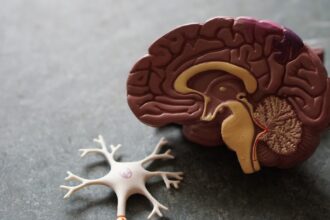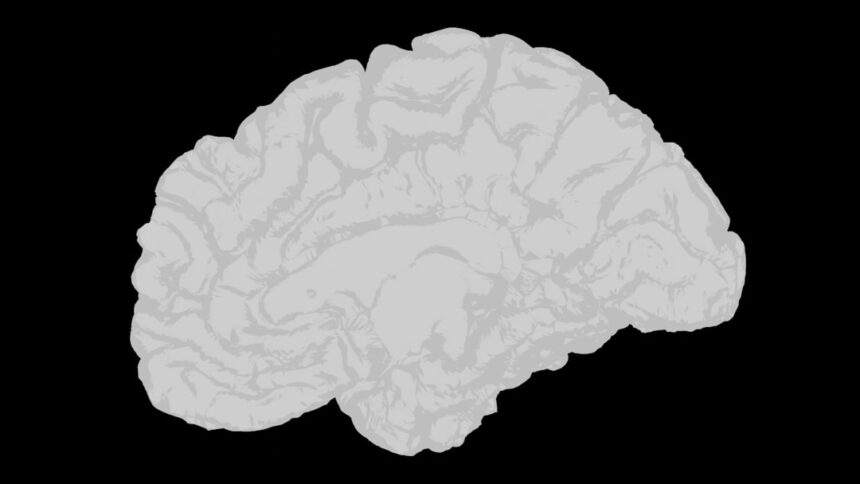
The prefrontal cortex is a remarkable part of your brain, often regarded as the control center for higher cognitive functions. Located at the front of your brain, this area is responsible for a variety of essential tasks, including decision-making, problem-solving, and regulating social behavior. It plays a crucial role in your ability to plan for the future, manage your emotions, and maintain focus on tasks.
Moreover, the prefrontal cortex is integral to your personality and self-awareness. It helps you understand the consequences of your actions and allows you to reflect on your thoughts and feelings.
This area of the brain is also involved in impulse control, enabling you to resist temptations and make choices that align with your long-term goals. Understanding the multifaceted functions of the prefrontal cortex can empower you to take steps to enhance its performance and overall health.
Key Takeaways
- The prefrontal cortex is responsible for decision-making, problem-solving, and controlling impulses.
- Stress and fatigue can impair prefrontal cortex function, leading to decreased cognitive abilities.
- Adequate sleep and rest are crucial for restoring and maintaining prefrontal cortex function.
- Nutrition plays a key role in supporting prefrontal cortex function, with omega-3 fatty acids and antioxidants being particularly beneficial.
- Regular exercise and physical activity can enhance prefrontal cortex function and cognitive abilities.
The Impact of Stress and Fatigue on Prefrontal Cortex Function
Stress and fatigue can significantly impair the functioning of your prefrontal cortex. When you experience stress, your body releases hormones like cortisol, which can disrupt the delicate balance of neurotransmitters in your brain. This disruption can lead to difficulties in concentration, decision-making, and emotional regulation.
You may find yourself feeling overwhelmed or unable to think clearly, which can hinder your ability to perform daily tasks effectively. Fatigue compounds these effects, as it diminishes your cognitive resources. When you are tired, your brain struggles to maintain focus and process information efficiently.
The prefrontal cortex, being highly sensitive to both stress and fatigue, may become less effective in managing your thoughts and emotions. As a result, you might notice an increase in impulsivity or difficulty in planning ahead. Recognizing how stress and fatigue impact your cognitive abilities is the first step toward implementing strategies to mitigate these effects.
Importance of Sleep and Rest for Restoring Prefrontal Cortex Function

Sleep is vital for restoring the function of your prefrontal cortex. During sleep, your brain undergoes essential processes that help consolidate memories and clear out toxins that accumulate throughout the day. A lack of adequate sleep can lead to cognitive deficits, particularly in areas governed by the prefrontal cortex.
You may find it challenging to focus, make decisions, or regulate your emotions when you are sleep-deprived. Incorporating regular rest into your routine is equally important. Short breaks during the day can help rejuvenate your mind and enhance cognitive performance.
Engaging in activities that promote relaxation, such as reading or taking a walk, can provide a much-needed respite for your brain. By prioritizing sleep and rest, you create an environment conducive to optimal prefrontal cortex function, allowing you to think more clearly and make better decisions.
Nutrition and its Role in Supporting Prefrontal Cortex Function
| Metrics | Data |
|---|---|
| Omega-3 Fatty Acids | Essential for brain health and cognitive function |
| Antioxidants | Protect brain cells from oxidative stress |
| Protein | Important for neurotransmitter production |
| Vitamins B6, B12, and Folate | Support brain function and development |
| Iron | Essential for oxygen transport to the brain |
What you eat plays a significant role in supporting the health of your prefrontal cortex. A balanced diet rich in essential nutrients can enhance cognitive function and improve mood.
These healthy fats contribute to the structure of brain cells and support communication between neurons. Additionally, antioxidants found in fruits and vegetables help protect your brain from oxidative stress, which can damage cells over time. Incorporating a variety of colorful produce into your meals not only nourishes your body but also supports cognitive function.
Staying hydrated is equally important; even mild dehydration can impair concentration and cognitive performance. By making mindful choices about your nutrition, you can provide your prefrontal cortex with the fuel it needs to function optimally.
Exercise and Physical Activity for Enhancing Prefrontal Cortex Function
Engaging in regular physical activity is one of the most effective ways to enhance the function of your prefrontal cortex. Exercise increases blood flow to the brain, delivering essential nutrients and oxygen that support cognitive processes. Studies have shown that aerobic exercise, in particular, can lead to improvements in executive functions such as planning, decision-making, and working memory.
Moreover, physical activity stimulates the release of endorphins and other neurotransmitters that promote feelings of well-being. This boost in mood can help reduce stress levels, further benefiting your prefrontal cortex function. Whether it’s a brisk walk, a dance class, or a workout at the gym, finding an activity you enjoy can make it easier to incorporate exercise into your daily routine.
By prioritizing physical activity, you not only enhance your overall health but also support the cognitive functions governed by your prefrontal cortex.
Mindfulness and Meditation Techniques for Improving Prefrontal Cortex Function
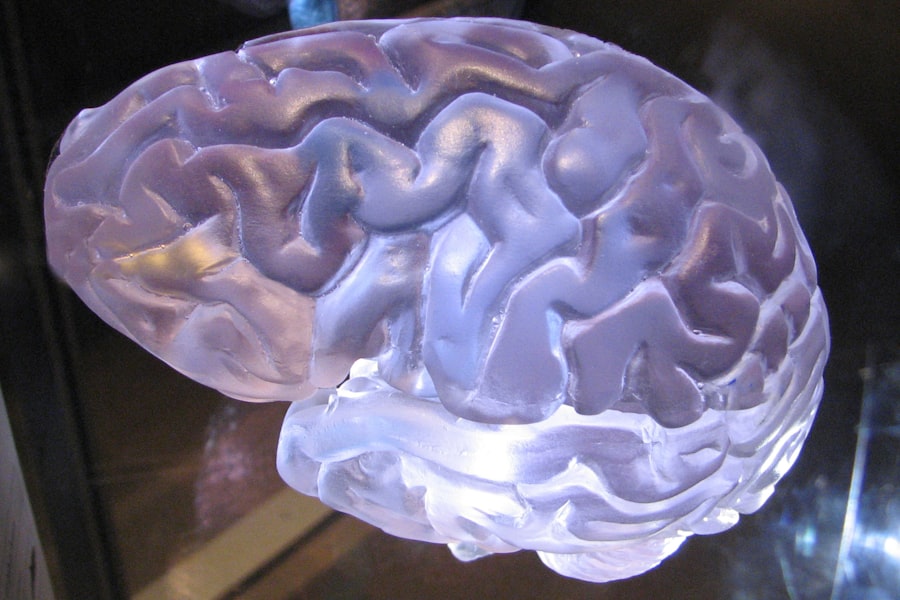
Mindfulness and meditation practices have gained popularity for their ability to improve mental clarity and emotional regulation. These techniques encourage you to focus on the present moment, which can help reduce stress and enhance cognitive function. Research has shown that regular mindfulness practice can lead to structural changes in the brain, particularly in areas associated with attention and self-regulation.
Incorporating mindfulness into your daily routine doesn’t have to be time-consuming. Simple practices such as deep breathing exercises or mindful walking can be effective in promoting relaxation and enhancing focus. As you cultivate mindfulness, you may find that your ability to manage distractions improves, allowing your prefrontal cortex to function more efficiently.
By dedicating time to mindfulness and meditation, you create a mental environment that supports clarity and cognitive resilience.
Limiting Distractions and Improving Focus for Better Prefrontal Cortex Function
In today’s fast-paced world, distractions are everywhere, making it increasingly challenging to maintain focus. Your prefrontal cortex is designed to help you concentrate on tasks at hand; however, constant interruptions can hinder its effectiveness. To improve focus and support cognitive function, it’s essential to create an environment conducive to concentration.
Start by identifying common distractions in your surroundings—whether it’s notifications from your phone or background noise—and take steps to minimize them. Setting specific times for checking emails or social media can help you stay on task without succumbing to constant interruptions. Additionally, employing techniques such as the Pomodoro Technique—working in focused bursts followed by short breaks—can enhance productivity while allowing your prefrontal cortex to operate at its best.
Cognitive Training and Brain Exercises for Restoring Prefrontal Cortex Function
Cognitive training exercises can be an effective way to restore and enhance the function of your prefrontal cortex. Engaging in activities that challenge your brain—such as puzzles, memory games, or learning a new skill—can stimulate neural connections and improve cognitive flexibility. These exercises encourage you to think critically and adaptively, which are key functions of the prefrontal cortex.
Incorporating brain training into your routine doesn’t have to be daunting; even simple activities like reading challenging material or playing strategy-based games can provide significant benefits. As you challenge yourself cognitively, you may notice improvements in memory retention, problem-solving skills, and overall mental agility. By making cognitive training a regular part of your life, you actively support the health of your prefrontal cortex.
Seeking Professional Help for Prefrontal Cortex Dysfunction
If you find that difficulties with focus, decision-making, or emotional regulation persist despite implementing lifestyle changes, it may be beneficial to seek professional help. A mental health professional can provide valuable insights into potential underlying issues affecting your prefrontal cortex function. Conditions such as anxiety or depression can significantly impact cognitive abilities; addressing these concerns with a qualified therapist or counselor can lead to improved mental clarity.
Additionally, neuropsychological assessments may be useful in identifying specific areas of dysfunction within the prefrontal cortex. These assessments can guide targeted interventions tailored to your unique needs. Remember that seeking help is a sign of strength; taking proactive steps toward understanding and improving your cognitive health is essential for long-term well-being.
Lifestyle Changes for Long-Term Prefrontal Cortex Health
To maintain optimal prefrontal cortex function over the long term, consider adopting lifestyle changes that promote overall brain health. Establishing a consistent routine that includes regular sleep patterns, balanced nutrition, physical activity, mindfulness practices, and cognitive challenges can create a solid foundation for cognitive resilience. Additionally, fostering social connections is vital for mental well-being; engaging with friends and family provides emotional support and stimulates cognitive engagement through meaningful conversations.
By prioritizing these lifestyle changes, you not only enhance the function of your prefrontal cortex but also contribute to a healthier mind overall.
Tips for Maintaining Mental Clarity and Prefrontal Cortex Function
In conclusion, maintaining mental clarity and supporting the function of your prefrontal cortex requires a multifaceted approach. Prioritize sleep and rest while nourishing your body with a balanced diet rich in nutrients that support brain health. Engage in regular physical activity to boost blood flow to the brain and enhance cognitive performance.
Incorporate mindfulness practices into your daily routine to reduce stress and improve focus while limiting distractions that hinder concentration. Challenge yourself with cognitive training exercises to keep your mind sharp and agile. If needed, don’t hesitate to seek professional help for persistent difficulties.
By making these conscious choices a part of your lifestyle, you empower yourself to maintain optimal prefrontal cortex function and enjoy enhanced mental clarity throughout life’s challenges.
Restoring prefrontal cortex function is a critical area of research in neuroscience, as this region of the brain is essential for complex cognitive behavior, decision-making, and moderating social behavior. Techniques such as cognitive training, mindfulness practices, and neurofeedback are being explored to enhance or restore its function. For those interested in delving deeper into this topic, a related article can be found on Unplugged Psych, which discusses various psychological approaches and interventions. You can read more about these methods by visiting this link.
🧠 Your Trauma Is Rewiring Your Brain: Here’s How to Undo It | A Neuroplasticity & Somatic Guide
FAQs
What is the prefrontal cortex?
The prefrontal cortex is the part of the brain located at the front of the frontal lobe. It is responsible for executive functions such as decision-making, problem-solving, and emotional regulation.
What can cause dysfunction in the prefrontal cortex?
Dysfunction in the prefrontal cortex can be caused by various factors including stress, trauma, substance abuse, and certain medical conditions such as ADHD and depression.
What are the symptoms of prefrontal cortex dysfunction?
Symptoms of prefrontal cortex dysfunction can include difficulty concentrating, impulsivity, mood swings, and impaired decision-making abilities.
How can prefrontal cortex function be restored?
Restoring prefrontal cortex function can be achieved through various methods including cognitive training, mindfulness practices, regular exercise, adequate sleep, and certain medications or therapies prescribed by a healthcare professional.
Can lifestyle changes help restore prefrontal cortex function?
Yes, adopting a healthy lifestyle that includes regular exercise, a balanced diet, stress management techniques, and adequate sleep can help improve prefrontal cortex function.
Are there any specific exercises or activities that can help restore prefrontal cortex function?
Activities such as meditation, yoga, and cognitive training exercises have been shown to be beneficial for restoring prefrontal cortex function. Additionally, activities that promote neuroplasticity, such as learning a new skill or language, can also be helpful.