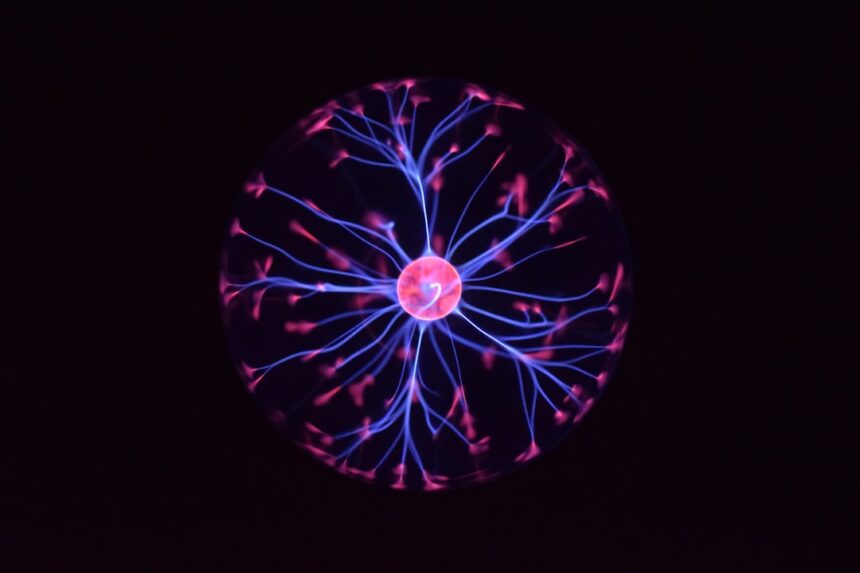
To truly grasp the intricacies of your well-being, it is essential to understand the nervous system, which serves as the body’s communication network.
The CNS consists of your brain and spinal cord, acting as the control center for processing information and coordinating responses.
The PNS, on the other hand, extends throughout your body, connecting the CNS to limbs and organs, allowing for a seamless flow of information. By recognizing how these components interact, you can better appreciate how they influence your physical and emotional states. Your nervous system is responsible for regulating a multitude of functions, from basic reflexes to complex emotional responses.
It plays a crucial role in how you react to stressors in your environment. When faced with a challenge, your body activates the sympathetic nervous system, triggering the “fight or flight” response. This reaction prepares you to confront or flee from danger, increasing heart rate and redirecting blood flow to essential muscles.
Conversely, when the threat has passed, the parasympathetic nervous system takes over, promoting relaxation and recovery. Understanding this balance between activation and relaxation is vital for maintaining overall health and well-being.
Key Takeaways
- The nervous system’s balance is crucial for overall well-being and stress management.
- Recognizing signs of nervous system imbalance helps in timely intervention and recovery.
- Techniques like breathing exercises, mindfulness, and physical activity promote nervous system regulation.
- Creating a supportive environment and nourishing the body contribute to maintaining nervous system health.
- Seeking professional help and practicing self-compassion are important steps in managing nervous system challenges.
The Importance of Balance
Achieving balance within your nervous system is paramount for optimal functioning. When your body operates in harmony, you experience improved mental clarity, emotional stability, and physical health. However, life’s demands can often tip this balance, leading to stress and anxiety.
Recognizing the importance of maintaining equilibrium is the first step toward fostering a healthier lifestyle. You may find that when you prioritize balance, you not only enhance your resilience to stress but also improve your overall quality of life. Balance is not merely about managing stress; it encompasses various aspects of your life, including work, relationships, and self-care.
When you allocate time for relaxation and rejuvenation alongside your responsibilities, you create a more sustainable lifestyle. This equilibrium allows you to engage fully in each moment without feeling overwhelmed or depleted. By understanding that balance is a dynamic process rather than a fixed state, you can cultivate habits that support your well-being over time.
Recognizing Signs of Imbalance

Being attuned to the signs of imbalance in your life is crucial for taking proactive steps toward restoration. You may notice physical symptoms such as fatigue, headaches, or digestive issues that signal your body is under stress. Emotionally, you might experience heightened irritability, anxiety, or mood swings that disrupt your daily interactions.
These signs serve as important indicators that your nervous system may be out of sync and in need of attention. In addition to physical and emotional symptoms, social withdrawal can also be a sign of imbalance. If you find yourself avoiding social situations or feeling disconnected from loved ones, it may be time to reassess your current state.
Recognizing these signs early on allows you to implement strategies for regaining balance before they escalate into more significant issues. By paying attention to your body and mind, you empower yourself to take charge of your well-being.
Techniques for Relaxation
| Technique | Description | Average Duration | Benefits | Recommended Frequency |
|---|---|---|---|---|
| Deep Breathing | Focused breathing exercises to reduce stress and promote calmness. | 5-10 minutes | Reduces anxiety, lowers heart rate, improves oxygen flow. | Daily |
| Progressive Muscle Relaxation | Systematic tensing and relaxing of muscle groups to relieve tension. | 10-20 minutes | Decreases muscle tension, reduces stress, improves sleep quality. | 3-4 times per week |
| Meditation | Mindfulness or focused attention practice to enhance mental clarity. | 10-30 minutes | Improves focus, reduces stress, enhances emotional health. | Daily |
| Guided Imagery | Visualization technique using mental images to promote relaxation. | 10-15 minutes | Reduces stress, improves mood, aids in pain management. | 2-3 times per week |
| Yoga | Physical postures combined with breathing and meditation. | 20-60 minutes | Enhances flexibility, reduces stress, improves overall well-being. | 3-5 times per week |
| Aromatherapy | Use of essential oils to promote relaxation and mood enhancement. | Varies (5-30 minutes) | Reduces anxiety, improves sleep, elevates mood. | As needed |
Incorporating relaxation techniques into your daily routine can significantly enhance your ability to manage stress and restore balance within your nervous system. One effective method is progressive muscle relaxation (PMR), which involves systematically tensing and relaxing different muscle groups throughout your body. By focusing on the sensations of tension and release, you can cultivate a deeper awareness of physical stress and promote relaxation.
Another powerful technique is visualization or guided imagery. This practice encourages you to create mental images of peaceful settings or experiences that evoke feelings of calmness and serenity. By immersing yourself in these positive visualizations, you can shift your focus away from stressors and foster a sense of tranquility.
Experimenting with various relaxation techniques will help you discover what resonates most with you, allowing you to create a personalized toolkit for managing stress effectively.
Breathing Exercises for Regulation
Breathing exercises are among the simplest yet most effective tools for regulating your nervous system. When you consciously focus on your breath, you activate the parasympathetic nervous system, promoting relaxation and reducing stress levels. One popular technique is diaphragmatic breathing, where you inhale deeply through your nose, allowing your abdomen to expand fully before exhaling slowly through your mouth.
This practice not only calms your mind but also enhances oxygen flow throughout your body. Another beneficial breathing exercise is the 4-7-8 technique. Inhale through your nose for a count of four, hold your breath for seven counts, and then exhale through your mouth for eight counts.
This rhythmic pattern helps slow down your heart rate and encourages a sense of calmness. Incorporating these breathing exercises into your daily routine can serve as a powerful reminder to pause and reconnect with yourself amidst life’s chaos.
The Role of Physical Activity

Engaging in regular physical activity is essential for maintaining balance within your nervous system. Exercise releases endorphins—natural mood lifters—that can help alleviate feelings of stress and anxiety. Whether it’s a brisk walk in nature or an invigorating workout at the gym, finding an activity that you enjoy can make all the difference in sustaining motivation and commitment.
Moreover, physical activity serves as a constructive outlet for pent-up energy and emotions. When you engage in movement, you not only improve your physical health but also create space for mental clarity and emotional release. Consider incorporating activities such as yoga or tai chi into your routine; these practices combine movement with mindfulness, further enhancing their benefits for both body and mind.
Mindfulness and Meditation
Mindfulness and meditation are powerful practices that can help you cultivate awareness and presence in your daily life. By focusing on the present moment without judgment, you can develop a deeper understanding of your thoughts and emotions. This heightened awareness allows you to respond to stressors more effectively rather than reacting impulsively.
Meditation can take many forms—whether it’s guided meditation, loving-kindness meditation, or simply sitting in silence with your thoughts. The key is to find a practice that resonates with you and fits seamlessly into your routine. Even just a few minutes of meditation each day can lead to significant improvements in mental clarity and emotional resilience over time.
Seeking Professional Help
While self-care techniques are invaluable for maintaining balance, there may be times when seeking professional help becomes necessary. A mental health professional can provide guidance tailored to your unique circumstances and help you navigate challenges that may feel overwhelming on your own. Therapy offers a safe space to explore emotions, develop coping strategies, and gain insights into patterns that may be contributing to imbalance.
Don’t hesitate to reach out if you find yourself struggling with persistent feelings of anxiety or depression. A therapist can work with you to create a personalized plan that addresses your specific needs while equipping you with tools for managing stress effectively. Remember that seeking help is a sign of strength; it demonstrates your commitment to prioritizing your well-being.
Creating a Supportive Environment
Your environment plays a significant role in shaping your mental and emotional state.
Consider decluttering spaces that feel chaotic or overwhelming; a tidy environment can promote clarity and peace of mind.
Additionally, surrounding yourself with positive influences—whether it’s supportive friends or uplifting media—can enhance your emotional well-being. Engage in conversations that inspire growth and positivity while distancing yourself from negativity when possible. By curating an environment that nurtures balance, you empower yourself to thrive amidst life’s challenges.
Nourishing Your Body for Balance
Nutrition plays an integral role in maintaining balance within your nervous system. The foods you consume directly impact brain function and emotional regulation; therefore, prioritizing a balanced diet rich in whole foods is essential for optimal health. Incorporate plenty of fruits, vegetables, whole grains, lean proteins, and healthy fats into your meals to provide the nutrients necessary for brain health.
Additionally, staying hydrated is crucial for cognitive function and emotional stability. Dehydration can lead to fatigue and irritability; therefore, aim to drink enough water throughout the day to support overall well-being. By nourishing your body with wholesome foods and adequate hydration, you lay the foundation for a balanced nervous system.
Practicing Self-Compassion
Finally, practicing self-compassion is vital for maintaining balance within yourself. It’s easy to fall into patterns of self-criticism when faced with challenges or setbacks; however, treating yourself with kindness can foster resilience and emotional well-being. Acknowledge that everyone experiences difficulties; by embracing imperfections as part of the human experience, you cultivate a more compassionate relationship with yourself.
Incorporate self-compassionate practices into your daily routine by speaking kindly to yourself during moments of struggle or engaging in activities that bring you joy. Remember that balance is not about perfection; it’s about embracing the ebb and flow of life while nurturing yourself along the way. By prioritizing self-compassion, you empower yourself to navigate challenges with grace and resilience.
In conclusion, understanding the nervous system’s role in maintaining balance is essential for fostering overall well-being. By recognizing signs of imbalance and implementing techniques such as relaxation exercises, mindfulness practices, physical activity, and proper nutrition, you can create a harmonious environment within yourself. Remember that seeking professional help when needed is a sign of strength; it demonstrates your commitment to prioritizing mental health.
Ultimately, practicing self-compassion will allow you to navigate life’s challenges with resilience while nurturing a balanced state of being.
Regulating your nervous system is essential for maintaining emotional balance and overall well-being. For those looking to explore effective techniques and strategies, a helpful resource can be found in this article on Unplugged Psych. It provides insights into various methods for calming the nervous system and enhancing resilience. You can read more about it by visiting this link.
WATCH THIS! The Dark Night of the Soul: A Psychological Roadmap to Spiritual Awakening
FAQs
What does it mean to regulate your nervous system?
Regulating your nervous system refers to managing and balancing its activity to maintain emotional and physical well-being. It involves techniques that help calm the nervous system during stress or activate it when feeling lethargic.
Why is it important to regulate your nervous system?
Proper regulation of the nervous system helps reduce stress, anxiety, and emotional reactivity. It supports better sleep, improved focus, and overall mental and physical health by maintaining a balanced state between the sympathetic (fight or flight) and parasympathetic (rest and digest) nervous systems.
What are common signs of a dysregulated nervous system?
Signs include chronic stress, anxiety, irritability, difficulty concentrating, fatigue, rapid heartbeat, shallow breathing, and digestive issues. These symptoms indicate that the nervous system may be stuck in a heightened state of arousal or shutdown.
What techniques can help regulate the nervous system?
Common techniques include deep breathing exercises, mindfulness meditation, progressive muscle relaxation, physical activity, grounding exercises, and maintaining a regular sleep schedule. These methods help activate the parasympathetic nervous system and promote calmness.
How does deep breathing affect the nervous system?
Deep breathing stimulates the vagus nerve, which activates the parasympathetic nervous system. This leads to a decrease in heart rate and blood pressure, promoting relaxation and reducing stress.
Can diet impact nervous system regulation?
Yes, a balanced diet rich in omega-3 fatty acids, antioxidants, vitamins, and minerals supports nervous system health. Avoiding excessive caffeine, sugar, and processed foods can also help maintain nervous system balance.
Is professional help necessary for nervous system regulation?
While self-regulation techniques are effective for many, professional help from therapists or medical providers may be necessary for individuals with severe anxiety, trauma, or neurological conditions affecting nervous system regulation.
How long does it take to regulate the nervous system?
The time varies depending on the individual and the techniques used. Some methods, like deep breathing, can provide immediate relief, while consistent practice of mindfulness or therapy may take weeks or months to achieve lasting regulation.
Can exercise help regulate the nervous system?
Yes, regular physical activity helps reduce stress hormones, increase endorphins, and improve overall nervous system function. Activities like yoga, walking, and aerobic exercise are particularly beneficial.
Are there any risks associated with nervous system regulation techniques?
Most regulation techniques are safe when practiced correctly. However, individuals with certain medical conditions should consult a healthcare professional before starting new practices, especially intense physical activity or breathwork.