
Spiritual abuse is a complex and insidious form of manipulation occurring within religious or spiritual contexts. It involves the misuse of spiritual authority to control, dominate, or exploit individuals, often causing deep emotional and psychological harm. This type of abuse is not confined to any particular faith or belief system; it can occur in churches, cults, or families with strong spiritual beliefs.
Understanding spiritual abuse is essential for victims and those supporting them. Spiritual abuse frequently overlaps with emotional or psychological manipulation. Abusers typically leverage their position of power to instill fear, guilt, or shame in victims, making it difficult for them to question authority or teachings.
This creates an environment where individuals feel trapped and unable to express concerns or seek assistance. Identifying the signs of spiritual abuse is crucial for beginning the healing process and regaining personal autonomy.
Key Takeaways
- Spiritual abuse involves manipulation, control, and misuse of religious authority.
- Distorted scripture and fear tactics are commonly used to maintain power.
- Isolation, shaming, and guilt trips undermine personal autonomy and well-being.
- Lack of accountability and unhealthy power dynamics perpetuate abuse.
- Recognizing signs early and seeking help are crucial for healing and recovery.
Manipulative and Controlling Behavior
Manipulative and controlling behavior is a hallmark of spiritual abuse. You might encounter leaders or individuals who exert undue influence over your thoughts, feelings, and actions, often under the guise of spiritual guidance. This manipulation can take many forms, from subtle coercion to overt threats.
For instance, you may be told that your spiritual well-being depends on adhering strictly to certain beliefs or practices, creating an environment where questioning or dissent is not tolerated. In such situations, you may feel as though your autonomy is stripped away. The abuser may employ tactics that make you doubt your own judgment or intuition, leading you to rely solely on their interpretation of spirituality.
This dynamic can be incredibly disorienting, as you may find yourself torn between your own beliefs and the expectations imposed upon you. Recognizing these manipulative behaviors is vital for reclaiming your sense of self and understanding the unhealthy dynamics at play.
Distorted Use of Scripture
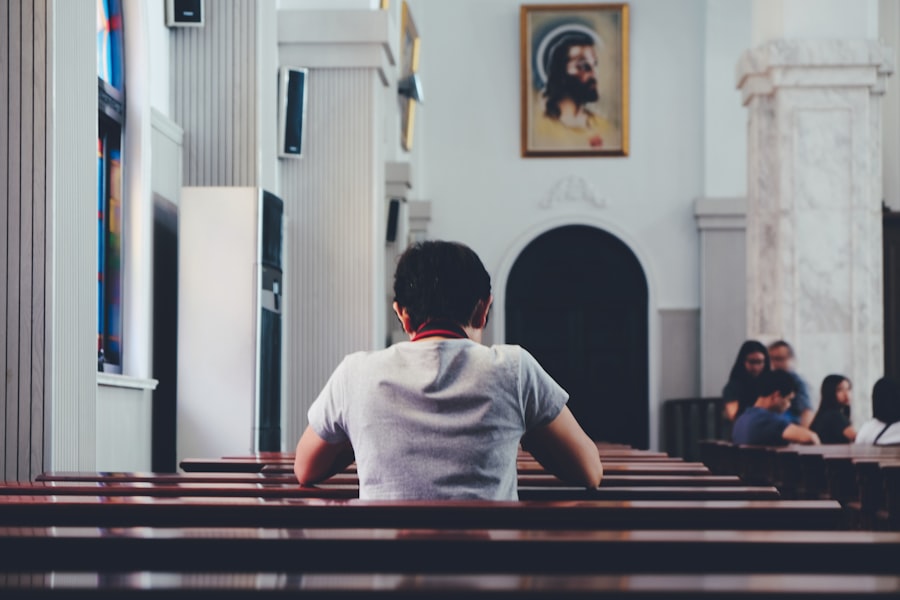
One of the most troubling aspects of spiritual abuse is the distorted use of scripture or sacred texts. You may find that abusers selectively quote passages to justify their actions or control their followers. This manipulation can create a warped understanding of spirituality, where love and compassion are overshadowed by fear and obedience.
When scripture is used in this way, it can lead you to question your own beliefs and values, making it difficult to discern what is genuinely spiritual versus what is a tool for control. As you navigate these distorted interpretations, it’s essential to remember that spirituality should foster growth, understanding, and love. If you find yourself in an environment where scripture is weaponized against you, it’s a clear sign that something is amiss.
You deserve to engage with spiritual teachings in a way that promotes your well-being rather than diminishes it. Seeking out alternative interpretations or discussing your concerns with trusted individuals can help you regain a healthier perspective on spirituality.
Isolation and Separation
Isolation and separation are common tactics employed by those who engage in spiritual abuse. You may notice that abusers often encourage their followers to distance themselves from friends, family, or anyone who questions their authority. This isolation can be both physical and emotional, creating an echo chamber where only the abuser’s beliefs are validated.
As a result, you might feel increasingly cut off from the outside world, leading to feelings of loneliness and despair. The impact of isolation can be profound. When you are separated from supportive relationships, it becomes easier for the abuser to manipulate your thoughts and emotions without challenge.
You may find yourself doubting your perceptions and relying solely on the abuser for validation and guidance. Recognizing this pattern is crucial; it’s essential to seek connections outside of the abusive environment to regain a sense of community and support. Reaching out to trusted friends or mental health professionals can help you break free from the cycle of isolation.
Shaming and Guilt Trips
| Pattern | Description | Common Indicators | Impact on Victims |
|---|---|---|---|
| Authoritarian Control | Leaders demand absolute obedience and discourage questioning. | Strict rules, fear of dissent, punishment for disobedience. | Loss of autonomy, fear, anxiety, suppressed individuality. |
| Manipulation and Coercion | Using guilt, shame, or fear to control members’ behavior. | Excessive guilt, pressure to conform, emotional blackmail. | Low self-esteem, confusion, emotional distress. |
| Isolation | Encouraging separation from outside relationships and influences. | Discouragement of outside friendships, restricted communication. | Loneliness, dependency on group, social withdrawal. |
| Exploitation | Leaders or group benefit materially or sexually from members. | Unfair demands for money, labor, or sexual favors. | Financial loss, trauma, violation of personal boundaries. |
| Spiritual Intimidation | Using religious beliefs to instill fear or justify abuse. | Threats of divine punishment, labeling dissenters as evil. | Fear, spiritual confusion, guilt, and shame. |
Shaming and guilt trips are powerful tools in the arsenal of spiritual abusers. You may have experienced moments where your worth was questioned or where you were made to feel guilty for not conforming to specific expectations. This emotional manipulation can create a toxic atmosphere where love and acceptance are conditional upon obedience and compliance.
You might find yourself constantly striving to meet unattainable standards, fearing rejection or punishment if you fail. The effects of shaming can be long-lasting, leading to diminished self-esteem and a distorted self-image. You may internalize these feelings of shame, believing that you are unworthy of love or acceptance unless you adhere strictly to the abuser’s demands.
It’s important to recognize that this cycle is not reflective of your true worth; rather, it is a manipulation tactic designed to maintain control over you. Seeking therapy or support groups can provide a safe space for healing and help you rebuild your self-esteem.
Unhealthy Power Dynamics

Unhealthy power dynamics are at the core of spiritual abuse. You may find yourself in a situation where one individual holds all the authority, leaving little room for dissent or discussion. This imbalance can create an environment where fear reigns supreme, making it difficult for you to express your thoughts or feelings openly.
The abuser may position themselves as the sole interpreter of spiritual truth, effectively silencing any opposing viewpoints. In such dynamics, it’s crucial to recognize that healthy spirituality should empower individuals rather than diminish them. If you feel that your voice is consistently marginalized or dismissed, it’s a sign that the power dynamics at play are unhealthy.
Understanding this imbalance can help you reclaim your agency and seek out environments that promote mutual respect and open dialogue.
Lack of Accountability
A significant characteristic of spiritual abuse is the lack of accountability among those in positions of power. You may notice that leaders or authority figures often evade responsibility for their actions, creating an environment where they are above reproach. This lack of accountability can lead to a culture of fear and silence, where individuals feel powerless to speak out against wrongdoing.
When accountability is absent, it becomes easier for abusive behaviors to flourish unchecked. You might find yourself questioning whether your experiences are valid or if you should remain silent out of fear of repercussions. It’s essential to understand that everyone deserves accountability for their actions, especially those in positions of authority.
Seeking out communities that prioritize transparency and ethical leadership can help you find a healthier spiritual environment.
Fear-Based Tactics
Fear-based tactics are often employed by spiritual abusers to maintain control over their followers. You may have experienced threats—whether overt or subtle—that instill fear regarding your spiritual standing or eternal consequences if you do not comply with certain demands. This manipulation can create an atmosphere where obedience is driven by fear rather than genuine belief or love.
Living in fear can be exhausting and detrimental to your mental health. You might find yourself constantly second-guessing your decisions or feeling anxious about potential repercussions for questioning authority. Recognizing these fear-based tactics is crucial for breaking free from their grip.
Surrounding yourself with supportive individuals who encourage open dialogue can help counteract the fear instilled by abusive dynamics.
Disregard for Personal Boundaries
A blatant disregard for personal boundaries is another hallmark of spiritual abuse. You may find that abusers often overstep boundaries under the guise of spiritual concern or guidance. This invasion can manifest in various ways—whether through unsolicited advice about personal matters or pressure to conform to specific practices that make you uncomfortable.
It’s essential to recognize that healthy relationships—spiritual or otherwise—should respect personal boundaries and promote mutual consent in all interactions.
Learning to assert your boundaries can be a powerful step toward reclaiming your sense of self.
Emotional and Psychological Manipulation
Emotional and psychological manipulation are pervasive in environments marked by spiritual abuse. You may experience gaslighting—where your perceptions are questioned—or be subjected to emotional blackmail designed to elicit compliance. This manipulation can create confusion and self-doubt, making it challenging for you to trust your instincts or feelings.
The impact of such manipulation can be profound, leading to long-term emotional distress and difficulty forming healthy relationships in the future. It’s crucial to recognize these patterns as forms of abuse rather than normal aspects of spirituality. Seeking therapy or support from trusted individuals can help you untangle these manipulative dynamics and begin the healing process.
Recognizing the Signs and Seeking Help
Recognizing the signs of spiritual abuse is the first step toward healing and reclaiming your autonomy. If you find yourself experiencing any combination of manipulation, isolation, shaming, or fear-based tactics within a spiritual context, it’s essential to take those feelings seriously. Acknowledging that what you’re experiencing is not healthy is crucial for breaking free from abusive dynamics.
Once you recognize these signs, seeking help becomes paramount. Whether through therapy, support groups, or trusted friends who understand your situation, reaching out for assistance can provide validation and guidance as you navigate your healing journey. Remember that you deserve a spiritual experience rooted in love, respect, and empowerment—one that nurtures rather than diminishes your sense of self.
Embracing this journey toward healing will ultimately lead you toward a more authentic and fulfilling spiritual life.
Recognizing patterns of spiritual abuse can be a complex and challenging process, but understanding the signs is crucial for healing and recovery. For those seeking more information on this topic, a helpful resource is the article available at Unplugged Psych, which delves into the nuances of spiritual abuse and offers insights on how to identify and address these harmful dynamics.
FAQs
What is spiritual abuse?
Spiritual abuse is a form of emotional and psychological abuse that occurs within a religious or spiritual context. It involves the misuse of spiritual authority or teachings to control, manipulate, or harm individuals.
What are common patterns of spiritual abuse?
Common patterns include authoritarian leadership, manipulation through fear or guilt, isolation from outside influences, discouraging questioning or dissent, and using scripture or spiritual beliefs to justify abusive behavior.
How can someone recognize spiritual abuse?
Signs of spiritual abuse may include feeling controlled or fearful within a religious setting, experiencing guilt or shame that is disproportionate or unwarranted, being discouraged from asking questions, or noticing that leaders use their position to manipulate or exploit members.
Who can be affected by spiritual abuse?
Anyone involved in a religious or spiritual community can be affected by spiritual abuse, regardless of age, gender, or denomination.
What should someone do if they suspect they are experiencing spiritual abuse?
It is important to seek support from trusted friends, family, or professionals outside the abusive environment. Counseling or support groups specializing in spiritual abuse can also be helpful.
Is spiritual abuse recognized legally?
While spiritual abuse itself is not always specifically addressed by law, behaviors associated with it, such as emotional abuse, coercion, or physical abuse, may be subject to legal action depending on the jurisdiction.
Can spiritual abuse have long-term effects?
Yes, spiritual abuse can lead to long-term emotional and psychological trauma, including anxiety, depression, loss of faith, and difficulties in trusting others.
How can communities prevent spiritual abuse?
Communities can prevent spiritual abuse by promoting transparency, encouraging open dialogue, establishing accountability for leaders, educating members about healthy boundaries, and fostering an environment where questioning and critical thinking are welcomed.