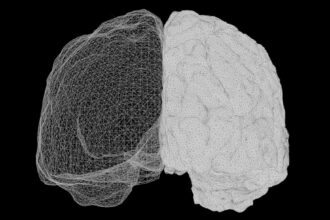
The world doesn’t stop spinning when you’re under pressure. Life, with its demands and uncertainties, will invariably push you. You’ll find yourself in situations where things don’t go according to plan, where obstacles appear, and where your established ways of doing things are challenged. This is precisely when your default mode network (DMN) comes into play, and more importantly, when its rigidity can become a significant hindrance. Recognizing these signs is not about self-blame; it’s about developing awareness so you can navigate these turbulent times with greater adaptability and effectiveness.
Understanding Your Default Mode Network
In exploring the signs of default mode rigidity under pressure, it is essential to consider the insights provided in the article on the Unplugged Psychology website. This resource delves into the cognitive patterns that emerge when individuals face stress, highlighting how rigid thinking can hinder problem-solving and adaptability. For further reading, you can access the article here: Unplugged Psychology.
The Brain’s Autopilot
Your brain is a remarkably efficient organ, and to facilitate this efficiency, it has developed a network of brain regions that are most active when you are not actively engaged in a specific, externally focused task. This is the default mode network, often described as your brain’s autopilot. It’s during these periods of what might seem like “rest” or “mind-wandering” that your DMN hums. It’s involved in a wide range of internally oriented cognitive processes.
What Your DMN Does When You’re “Off”
When your attention isn’t directed outward, your DMN is busy. It’s constructing narratives about your past, projecting into the future, and considering your sense of self. This internal landscape is crucial for memory consolidation, planning, social cognition, and self-reflection. It allows you to learn from experiences, imagine possibilities, and understand your place in the world. Think of it as your internal narrative generator, constantly weaving together the threads of your life.
The Interplay Between DMN and Task-Positive Networks
It’s important to understand that your DMN doesn’t operate in isolation. It has an intricate relationship with what are often called task-positive networks – regions of your brain that are active when you are focused on a specific, goal-directed task. Ideally, these networks work in a dynamic balance. When you need to concentrate on a problem, your task-positive networks become dominant, and your DMN activity quiets down. Conversely, when you’re taking a break or letting your mind wander, your DMN becomes more active. This seesaw interaction is crucial for optimal cognitive functioning.
The Role of the DMN in Self-Referential Processing
A core function of the DMN is self-referential processing. This means it’s heavily involved in thinking about yourself, your beliefs, your values, and your personal history. It helps you maintain a coherent sense of identity. While this is generally beneficial, it can also become a point of rigidity, especially under stress, when your self-concept might be threatened.
Signs of DMN Rigidity Manifesting Under Pressure
When Your Internal Narrative Becomes a Straitjacket
Under pressure, your brain’s natural tendency is to rely on familiar patterns of thought and behavior. This is where the DMN can go from a helpful autopilot to a stubborn driver. When its typical operations become inflexible, it can hinder your ability to adapt and problem-solve effectively.
Unwavering Attachment to Pre-existing Beliefs
One of the most noticeable signs of DMN rigidity under pressure is an obstinate adherence to your pre-existing beliefs, even when presented with clear counter-evidence. You might find yourself dismissing information that challenges your worldview, or stubbornly sticking to an opinion despite mounting data that suggests otherwise. This isn’t necessarily a conscious act of defiance; it can be an automatic defense mechanism of the DMN protecting your established sense of self and understanding of the world.
The “Confirmation Bias” Amplified
This rigidity often manifests as an amplified version of confirmation bias. You actively seek out, interpret, and remember information that confirms your existing beliefs while downplaying or ignoring information that contradicts them. Under pressure, this tendency can intensify, making you less open to new perspectives and more inclined to shut down alternative viewpoints. Your internal narrative, reinforced by the DMN, becomes the only reality you’re willing to acknowledge.
Difficulty Acknowledging Errors or Shifting Perspectives
When your DMN is rigid, admitting you’re wrong becomes a Herculean task. You may experience a deep-seated resistance to acknowledging mistakes, even when they have tangible negative consequences. The thought of shifting your perspective can feel like a threat to your identity, and your DMN will work to maintain the status quo of your internal understanding. This can lead to a cycle of repeating mistakes because you’re unable to learn from them.
Resistance to New Information or Alternative Solutions
When faced with a problem or a challenging situation under pressure, a rigid DMN will resist engaging with new information or considering alternative solutions that fall outside its established mental framework. You might find yourself automatically rejecting ideas that are unfamiliar, unconventional, or deviate from your usual approach. Your brain, in its attempt to maintain certainty through reliance on the familiar, shuts down exploration.
The “We’ve Always Done It This Way” Mentality
This resistance often manifests as a strong adherence to the “we’ve always done it this way” mentality. Even if the current approach is clearly not working, the perceived safety and predictability of the familiar override the need for innovation or adaptation. Your DMN, having established certain mental pathways as successful in the past, becomes reluctant to forge new ones, especially when the stakes feel high.
Dismissal of External Feedback or Advice
If your DMN is rigid, you may find yourself dismissing external feedback or advice, even if it comes from trusted sources or offers valuable insights. You might interpret suggestions as criticisms or see them as attempts to undermine your judgment. This defensive posture is the DMN protecting its own internal model of reality and how things “should” be.
Over-reliance on Past Experiences in Inappropriate Contexts
While learning from past experiences is a fundamental aspect of cognitive function, a rigid DMN under pressure can lead to an over-reliance on these memories in contexts where they are no longer relevant or applicable. You might apply solutions that worked in a past situation to a current one, without adequately assessing the differences in circumstances, leading to suboptimal or even detrimental outcomes.
The “This is Just Like When…” Trap
You can fall into the trap of thinking, “This is just like when X happened,” and then automatically trigger the response that worked for X. However, the nuances of the current situation might be vastly different, rendering your habitual response ineffective. Your DMN prioritizes drawing from its established database of experiences, even when the data points don’t perfectly align.
Inability to Distinguish Between Similar but Distinct Situations
A rigid DMN struggles to discern the subtle but crucial differences between historically similar situations. You may treat a new challenge as a clone of a previous one, failing to recognize the unique variables that require a novel approach. This can result in a consistent failure to adapt because you’re always responding to a ghost of a past problem.
Excessive Rumination and Worry About Future Scenarios
When your DMN becomes rigid, it can get stuck in loops of negative self-talk and worry, particularly about potential future failures or negative outcomes. Instead of problem-solving, you might find yourself replaying past mistakes or catastrophically imagining worst-case scenarios. This is the DMN generating endless, unproductive internal narratives.
Getting Stuck in “What If” Loops
You may find yourself trapped in endless “what if” loops, spinning through hypothetical negative futures without finding any productive way forward. Your DMN is fixated on potential threats and uncertainties, unable to disengage from these worry cycles. This constant churning of negative possibilities exhausts your cognitive resources and prevents you from focusing on constructive action.
Difficulty Shifting Focus from Negative Self-Talk
If your DMN is rigid, you’ll have a hard time disengaging from negative self-talk. The internal critic becomes a persistent voice, reinforcing a sense of inadequacy or impending doom. This internal monologue can be so compelling that it’s difficult to break free and engage in more optimistic or pragmatic thinking.
Anxious Anticipation Without Proactive Planning
You might experience significant anxiety about future events, but this anxiety doesn’t translate into proactive planning or problem-solving. Instead, the worry itself becomes the focus, fueled by the DMN’s tendency to dwell on potential threats. You are consumed by the feeling of danger without taking steps to mitigate it.
In exploring the concept of default mode rigidity under pressure, one can gain valuable insights from a related article that delves into the psychological mechanisms at play during high-stress situations. This article highlights how individuals often revert to rigid thought patterns when faced with challenges, which can hinder problem-solving and adaptability. For a deeper understanding of these dynamics, you can read more about it in this informative piece that discusses the implications of such rigidity in various contexts.
The Impact of Stress on DMN Rigidity
The Pressure Cooker Effect
When you’re under pressure, your physiological and psychological systems are activated. This stress response, while adaptive in short bursts, can significantly impact your brain’s functioning, including its tendency towards DMN rigidity.
Cortisol and its Influence on Brain Networks
Elevated levels of stress hormones like cortisol can interfere with the optimal functioning of your brain networks. Specifically, chronic or intense stress can impact the prefrontal cortex, which plays a crucial role in regulating the DMN. This interference can lead to less flexible control over the DMN, making it more prone to becoming rigid and habitual.
The Brain’s Tendency to Seek Certainty Under Threat
When you perceive a threat, your brain’s primary objective becomes survival and the restoration of a sense of control. In this state, the familiar and predictable become highly desirable. Your DMN, with its established pathways and ingrained beliefs, offers a form of internal certainty. Under stress, this desire for certainty can override the need for flexibility and adaptation, leading to rigidity.
Reduced Cognitive Flexibility Due to Cognitive Load
Pressure often translates into a high cognitive load. You’re juggling multiple demands, processing a lot of information, and making decisions under duress. This heavy cognitive load can deplete your attentional resources, making it harder to engage in effortful processes like challenging your own assumptions or considering new perspectives. Your brain conserves energy by defaulting to established, less demanding patterns.
The Cycle of Stress and Rigidity: A Vicious Loop
Stress can trigger DMN rigidity, and the resulting inflexibility can, in turn, exacerbate stress. When you’re unable to adapt to changing circumstances, problems can multiply, leading to further pressure and a deeper entrenchment of rigid thought patterns. Breaking this cycle requires conscious awareness and deliberate effort to foster flexibility.
Strategies for Fostering DMN Flexibility Under Pressure
Cultivating Awareness
The first and most critical step is to recognize that this rigidity is happening. Without awareness, you’re driving blind.
Mindfulness and Present Moment Awareness
Practicing mindfulness meditation is a powerful tool for cultivating present moment awareness. By regularly bringing your attention back to your breath or bodily sensations, you train your brain to disengage from rumination and to be more aware of your thought patterns as they arise. This practice helps to decouple you from your automatic, DMN-driven responses.
Observing Thoughts Without Judgment
During mindfulness practice, you learn to observe your thoughts as transient mental events, rather than as absolute truths. You notice your internal narratives without immediately believing them or acting on them. This detachment is key to loosening the grip of rigid DMN patterns.
Noticing Physical Sensations Associated with Stress
Pay attention to the physical sensations that accompany stress and rigidity. Is your jaw clenched? Are your shoulders tense? Are you experiencing a knot in your stomach? Recognizing these physical cues can serve as early warning signs that your DMN might be becoming inflexible.
Self-Reflection and Journaling
Regularly engaging in self-reflection, perhaps through journaling, can provide a structured way to examine your thought processes, particularly when you’re under pressure. Ask yourself questions like: “What assumptions am I making?”, “What evidence am I ignoring?”, and “What other perspectives could be valid?”
Identifying Your Triggering Situations
Through journaling, you can begin to identify specific situations or types of pressure that tend to make you more rigid. Understanding your triggers allows you to prepare for them and implement counter-strategies.
Documenting Instances of Rigidity and Adaptation
Keep a record of times you noticed yourself being rigid and, importantly, times you successfully adapted. Reflecting on both will help you learn what works and what doesn’t for you personally.
Introducing Novelty and Cognitive Challenges
The DMN thrives on the familiar. Introducing novelty disrupts this pattern and encourages brain flexibility.
Deliberately Seeking New Experiences or Learning Opportunities
Actively seek out new experiences, learn a new skill, or engage with topics outside your usual areas of interest. These activities require your brain to form new neural pathways and can indirectly promote greater flexibility in your DMN when facing challenges.
Stepping Outside Your Comfort Zone
Push yourself to do things that are a little uncomfortable or unfamiliar. This could be as simple as taking a different route to work or engaging in a conversation with someone whose opinions differ from your own.
Engaging with Diverse Information Sources
Make a conscious effort to consume information from a variety of sources, including those that may present viewpoints that challenge your own. This broadens your understanding and makes you less susceptible to confirmation bias.
Practicing Cognitive Training Exercises
There are various cognitive training exercises and brain games designed to improve executive functions, including cognitive flexibility. While these shouldn’t be seen as a magic bullet, they can contribute to overall cognitive agility.
Brain Training Apps and Games
Many apps and online platforms offer brain training programs. Look for those that focus on tasks requiring problem-solving, multitasking, and switching between different mental sets.
Puzzles and Strategy Games
Engage in puzzles, logic problems, and strategy board games. These activities force you to think critically, plan ahead, and adapt your strategies based on new information, all of which are beneficial for cognitive flexibility.
Reappraising Situations and Challenging Assumptions
Learning to look at situations from different angles is a powerful antidote to DMN rigidity.
Actively Questioning Your Own Assumptions
When you find yourself in a difficult situation, pause and explicitly question the assumptions you are making. Are they based on facts, or are they rooted in fear or past experiences?
The “Five Whys” Technique
Apply the “five whys” technique to understand the root cause of a problem, but also to challenge the surface-level understanding of a situation. Keep asking “why” until you reach a fundamental assumption that can be questioned.
Considering Alternative Interpretations of Events
Instead of immediately accepting your first interpretation of an event, try to generate alternative explanations. What else could be going on? What might the other person’s perspective be?
Practicing Cognitive Reappraisal
Cognitive reappraisal involves actively changing the way you think about a stressful situation in order to reduce its negative emotional impact. This means reframing the situation from a threat to a challenge or an opportunity for growth.
Focusing on What You Can Control
When faced with overwhelming circumstances, identify the aspects of the situation that are within your control and focus your energy there. This shifts your attention away from the uncontrollable and prevents the DMN from spiraling into worry.
Identifying Potential Learning Opportunities
Even in difficult situations, try to identify the potential lessons to be learned. This reframing can shift your perspective from one of victimhood to one of empowerment and growth.
Embracing Uncertainty and Acknowledging Limitations
Rigidity often stems from a fear of uncertainty and a desire for complete control. Learning to tolerate ambiguity can be liberating.
Developing Tolerance for Ambiguity
Accept that not all situations have clear-cut answers or predictable outcomes. Practice sitting with discomfort and uncertainty without immediately needing to resolve it. This can be achieved through exposure to situations with degrees of ambiguity.
Accepting That Not All Problems Have Easy Solutions
Recognize that some challenges are complex and may not have a simple, immediate fix. This acceptance can reduce the pressure to find a definitive answer and allow for more iterative problem-solving.
Allowing Space for “Not Knowing”
It’s okay not to have all the answers. Cultivating an attitude that allows for “not knowing” can free you from the rigid pursuit of certainty, enabling you to be more open to exploration and discovery.
Seeking Support and Diverse Perspectives
You don’t have to navigate challenges alone. Engaging with others can provide invaluable new viewpoints and help break through your own cognitive blind spots.
Talking to Trusted Friends, Family, or Colleagues
Share your concerns and challenges with people you trust. They may offer insights or suggest approaches you hadn’t considered.
Actively Seeking Out Mentors or Coaches
Mentors and coaches are trained to help individuals identify their patterns of thinking and behavior and to develop strategies for improvement. Their objective perspective can be incredibly valuable in breaking through rigidity.
Engaging in Collaborative Problem-Solving
When facing a complex issue, collaborate with others who have different backgrounds and expertise. This collective intelligence can lead to more innovative and effective solutions than you could arrive at alone.
Conclusion: The Ongoing Practice of Flexibility
Recognizing signs of default mode network rigidity under pressure is not a one-time achievement, but an ongoing practice. Your brain’s capacity for adaptation is remarkable, but it requires conscious effort and consistent application of strategies that foster flexibility. By understanding how your DMN operates, by observing its tendencies under stress, and by actively engaging in practices that promote open-mindedness and adaptability, you can transform potential hindrances into tools for resilience and effective navigation of life’s inevitable challenges. The goal isn’t to eliminate your DMN, but to ensure it serves you by being a dynamic and responsive guide, rather than a rigid gatekeeper, when the pressure is on.
FAQs
What are signs of default mode rigidity under pressure?
Signs of default mode rigidity under pressure can include increased stress, anxiety, and a tendency to stick to familiar routines and ways of thinking, even when they may not be effective in the current situation.
How does default mode rigidity manifest under pressure?
Default mode rigidity can manifest under pressure as an inability to adapt to new information or changing circumstances, a resistance to trying new approaches, and a heightened focus on past experiences and patterns.
What are the potential consequences of default mode rigidity under pressure?
The potential consequences of default mode rigidity under pressure can include decreased problem-solving abilities, impaired decision-making, and a reduced ability to effectively navigate challenging or unfamiliar situations.
How can one recognize if they are experiencing default mode rigidity under pressure?
One can recognize if they are experiencing default mode rigidity under pressure by paying attention to their responses to stress, their openness to new ideas and perspectives, and their ability to adapt to changing circumstances.
What strategies can help mitigate default mode rigidity under pressure?
Strategies to help mitigate default mode rigidity under pressure can include practicing mindfulness and self-awareness, seeking out diverse perspectives and new experiences, and intentionally challenging familiar thought patterns and routines.