
Psychological safety is a concept that has gained significant attention in recent years, particularly in organizational behavior and mental health research. Psychological safety refers to an environment where individuals feel secure expressing their thoughts, ideas, and concerns without fear of negative consequences such as punishment, humiliation, or marginalization. This environment promotes open communication, innovation, and collaboration by enabling people to engage authentically without concern for judgment or retaliation.
Research indicates that individuals in psychologically safe environments are more likely to take calculated risks, propose novel solutions, and participate actively in group discussions. Conversely, environments lacking psychological safety often create conditions where individuals suppress their opinions or avoid sharing vulnerabilities. This suppression can inhibit creative thinking and impede both personal and professional development.
Studies have shown that teams and organizations with low psychological safety experience reduced innovation, decreased learning from mistakes, and limited knowledge sharing among members. Understanding psychological safety is crucial for developing effective environments across various contexts, including workplaces, educational institutions, healthcare settings, and interpersonal relationships. Research demonstrates that psychologically safe environments correlate with improved performance, increased employee engagement, better decision-making processes, and enhanced overall well-being.
Establishing such environments requires deliberate effort to create cultures that prioritize openness, respect diverse perspectives, and encourage participation from all members.
Key Takeaways
- Psychological safety is essential for mental health, emotional regulation, and resilience.
- The nervous system plays a key role in detecting threats and fostering feelings of safety.
- Building trust and secure environments supports healing from trauma and promotes well-being.
- Strategies to cultivate psychological safety include nurturing relationships and creating supportive workplaces.
- Psychological safety benefits individuals across all ages and strengthens communities and society.
The Role of the Nervous System in Creating a Secure Environment
Your nervous system plays a crucial role in how you perceive safety and threat in your environment. It is responsible for processing sensory information and regulating your responses to various stimuli. When you feel safe, your nervous system operates in a state of calm, allowing you to think clearly and engage with others positively.
Conversely, when you perceive a threat—whether real or imagined—your nervous system triggers a fight-or-flight response, which can lead to anxiety and withdrawal from social interactions. Understanding how your nervous system functions can help you create a more secure environment for yourself and those around you. By recognizing the signs of stress or discomfort in yourself and others, you can take proactive steps to mitigate these feelings.
For instance, incorporating mindfulness practices or relaxation techniques can help regulate your nervous system, promoting a sense of calm that fosters psychological safety. When you prioritize creating a secure environment, you not only enhance your well-being but also contribute to the overall health of your relationships.
The Impact of Psychological Safety on Mental Health
The relationship between psychological safety and mental health is profound. When you feel psychologically safe, you are more likely to experience lower levels of stress and anxiety. This sense of security allows you to express your emotions freely and seek support when needed.
In contrast, environments lacking psychological safety can exacerbate feelings of isolation and fear, leading to increased mental health challenges such as depression and anxiety disorders. Moreover, psychological safety encourages resilience by providing a foundation for healthy coping mechanisms. When you know that your thoughts and feelings will be met with understanding rather than judgment, you are more inclined to confront challenges head-on.
This supportive atmosphere not only enhances your mental well-being but also promotes personal growth and development. By prioritizing psychological safety in your life, you can cultivate a healthier mindset that empowers you to navigate life’s ups and downs with greater ease.
How the Nervous System Responds to Threats and Safety Cues
Your nervous system is finely tuned to detect both threats and safety cues in your environment. When faced with a perceived threat, your body activates the sympathetic nervous system, which prepares you for immediate action—whether that means fighting back or fleeing from danger. This response is essential for survival; however, it can become problematic when triggered by non-life-threatening situations, such as social interactions or workplace dynamics.
On the other hand, when your nervous system detects safety cues—such as supportive relationships or positive feedback—it activates the parasympathetic nervous system, promoting relaxation and a sense of well-being. Recognizing these cues in your environment can help you cultivate psychological safety for yourself and others. By fostering connections that signal safety—like active listening, empathy, and validation—you can create an atmosphere where everyone feels secure enough to express themselves openly.
Strategies for Cultivating Psychological Safety in Relationships
| Metric | Description | Measurement Method | Typical Range/Value | Relevance to Psychological Safety Nervous System |
|---|---|---|---|---|
| Heart Rate Variability (HRV) | Variation in time intervals between heartbeats | ECG or wearable heart rate monitors | High HRV indicates better stress resilience | Reflects autonomic nervous system balance, linked to feeling safe |
| Skin Conductance Level (SCL) | Measure of sweat gland activity indicating arousal | Electrodermal activity sensors | Increased SCL indicates higher stress or alertness | Signals nervous system activation related to perceived safety or threat |
| Cortisol Levels | Stress hormone concentration in saliva or blood | Saliva or blood sample analysis | Lower baseline cortisol linked to greater psychological safety | Indicates stress response, inversely related to psychological safety |
| Self-Reported Psychological Safety | Individual perception of safety in social or work environments | Validated questionnaires (e.g., Edmondson’s Psychological Safety Scale) | Scores range from low to high psychological safety | Direct measure of perceived safety impacting nervous system state |
| Respiratory Rate | Number of breaths per minute | Respiratory monitors or wearable devices | Lower and steady rate indicates calm nervous system | Reflects parasympathetic nervous system activation linked to safety |
Cultivating psychological safety in your relationships requires intentional effort and commitment. One effective strategy is to practice active listening. When engaging with others, make a conscious effort to listen without interrupting or judging.
This approach not only demonstrates respect but also encourages open dialogue. You might find that when people feel heard, they are more willing to share their thoughts and feelings without fear of backlash. Another important strategy is to foster an environment of vulnerability.
Sharing your own experiences and emotions can encourage others to do the same. By modeling vulnerability, you create a safe space where individuals feel comfortable expressing their authentic selves. Additionally, providing constructive feedback rather than criticism can help maintain psychological safety.
Focus on the behavior rather than the person, emphasizing growth and improvement rather than blame.
The Connection Between Psychological Safety and Emotional Regulation
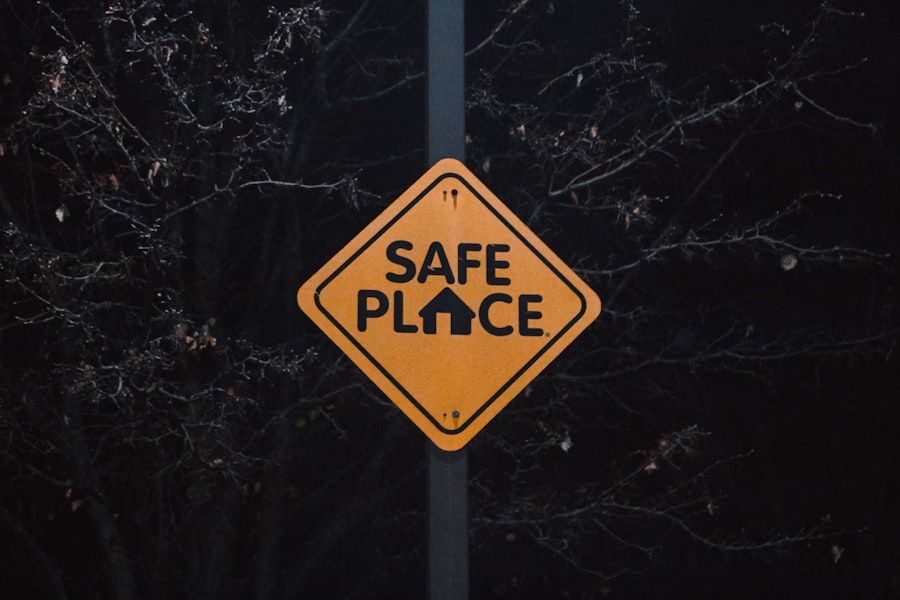
Emotional regulation is closely linked to psychological safety. When you feel secure in your environment, you are better equipped to manage your emotions effectively. This connection allows you to respond thoughtfully rather than react impulsively when faced with challenges or conflicts.
In psychologically safe spaces, individuals are more likely to express their emotions constructively, leading to healthier interactions and relationships. Conversely, in environments lacking psychological safety, emotional dysregulation can occur more frequently. You may find yourself overwhelmed by negative emotions or struggling to communicate effectively with others.
By prioritizing psychological safety in your interactions, you create a foundation for emotional regulation that benefits everyone involved. This mutual support fosters healthier relationships and enhances overall well-being.
Building Trust and Safety in the Workplace
Creating a psychologically safe workplace is essential for fostering innovation and collaboration among team members. Trust is the cornerstone of this process; when employees trust one another and their leaders, they are more likely to take risks and share ideas freely. As a leader or colleague, you can build trust by being transparent in your communication and following through on commitments.
Encouraging open dialogue is another vital aspect of building psychological safety in the workplace. Create opportunities for team members to voice their opinions and concerns without fear of retribution. Regular check-ins or feedback sessions can help reinforce this culture of openness.
Additionally, recognizing and celebrating contributions—no matter how small—can further enhance feelings of safety and belonging within the team.
The Link Between Psychological Safety and Resilience
Psychological safety is intricately linked to resilience—the ability to bounce back from adversity. When you feel safe in your environment, you are more likely to develop coping strategies that enable you to navigate challenges effectively. This sense of security fosters a growth mindset, allowing you to view setbacks as opportunities for learning rather than insurmountable obstacles.
You may find it challenging to confront difficulties when you feel unsupported or judged. By prioritizing psychological safety in your life—whether at work or in personal relationships—you cultivate resilience that empowers you to face challenges with confidence and adaptability.
Creating a Secure Environment for Children and Adolescents
Creating a secure environment for children and adolescents is crucial for their emotional development and overall well-being. Children thrive when they feel safe expressing themselves without fear of judgment or punishment. As a caregiver or educator, you can foster this sense of security by encouraging open communication and validating their feelings.
Establishing consistent routines also contributes to a sense of safety for young people. Predictability helps children understand what to expect from their environment, reducing anxiety and promoting emotional stability. Additionally, modeling healthy emotional expression teaches children how to navigate their feelings effectively, equipping them with essential skills for future relationships.
The Importance of Psychological Safety in Healing Trauma
Psychological safety plays a vital role in the healing process for individuals who have experienced trauma. When someone feels safe in their environment, they are more likely to engage in therapeutic practices that promote healing and recovery. Creating a supportive atmosphere allows individuals to explore their emotions without fear of re-traumatization or judgment.
Therapists and caregivers can foster psychological safety by establishing trust and demonstrating empathy throughout the healing journey. Encouraging open dialogue about experiences while providing validation can empower individuals to confront their trauma at their own pace. By prioritizing psychological safety in trauma recovery efforts, you contribute significantly to an individual’s ability to heal and rebuild their life.
Cultivating Psychological Safety in Community and Society
Cultivating psychological safety extends beyond individual relationships; it encompasses entire communities and societies as well. Creating inclusive spaces where diverse voices are heard fosters a sense of belonging among community members. You can contribute to this effort by advocating for policies that promote equity and inclusion while actively engaging with marginalized groups.
Community initiatives that prioritize mental health awareness also play a crucial role in fostering psychological safety on a larger scale. By providing resources and support systems for individuals struggling with mental health challenges, communities can create environments where everyone feels valued and understood. Ultimately, cultivating psychological safety within society leads to stronger connections among individuals and promotes overall well-being for all members of the community.
In conclusion, understanding psychological safety is essential for fostering healthy relationships across various contexts—from personal interactions to workplace dynamics and community engagement. By recognizing the role of the nervous system in creating secure environments, prioritizing emotional regulation, building trust, and advocating for inclusivity, you can contribute significantly to cultivating psychological safety for yourself and those around you. This commitment not only enhances individual well-being but also strengthens the fabric of society as a whole.
Psychological safety is crucial for fostering an environment where individuals feel secure enough to express their thoughts and ideas without fear of negative consequences. A related article that delves deeper into this concept and its connection to the nervous system can be found on Unplugged Psych. You can read more about it in their insightful piece on the topic by following this link: Understanding Psychological Safety and the Nervous System.
FAQs
What is psychological safety?
Psychological safety refers to a shared belief that a team or group environment is safe for interpersonal risk-taking. It means individuals feel comfortable expressing their thoughts, questions, concerns, or mistakes without fear of embarrassment, rejection, or punishment.
How does the nervous system relate to psychological safety?
The nervous system plays a key role in psychological safety by regulating stress and threat responses. When people feel psychologically safe, their nervous system remains calm and engaged, enabling open communication and collaboration. Conversely, perceived threats can trigger the fight, flight, or freeze responses, hindering psychological safety.
Why is psychological safety important in the workplace?
Psychological safety fosters trust, innovation, and learning within teams. It encourages employees to share ideas, admit errors, and ask for help, which can improve problem-solving, productivity, and overall well-being.
What are signs of a psychologically safe environment?
Signs include open communication, mutual respect, willingness to take risks, acceptance of mistakes as learning opportunities, and supportive leadership that encourages participation from all members.
Can psychological safety be measured?
Yes, psychological safety can be assessed using surveys and questionnaires that evaluate team members’ perceptions of trust, openness, and support within their group.
How can leaders promote psychological safety?
Leaders can promote psychological safety by modeling vulnerability, encouraging diverse viewpoints, responding constructively to feedback, and creating an inclusive atmosphere where all voices are valued.
What role does the autonomic nervous system play in psychological safety?
The autonomic nervous system, particularly the balance between the sympathetic (fight or flight) and parasympathetic (rest and digest) branches, influences how individuals respond to social cues. A regulated autonomic nervous system supports feelings of safety and social engagement.
Is psychological safety the same as trust?
While related, psychological safety and trust are distinct concepts. Trust is the belief in the reliability or integrity of others, whereas psychological safety is the shared perception that the environment is safe for interpersonal risk-taking.
Can psychological safety improve mental health?
Yes, environments with high psychological safety can reduce stress and anxiety, promote emotional well-being, and support resilience among individuals.
Are there any risks if psychological safety is lacking?
A lack of psychological safety can lead to fear of speaking up, reduced collaboration, increased errors, lower morale, and higher turnover rates. It can also negatively impact creativity and problem-solving abilities.