Your morning meal is more than just a way to break your overnight fast; it’s the foundation upon which your entire day’s energy levels and cognitive function are built. For many, this initial meal is a seemingly innocuous collection of carbohydrates, perhaps a bowl of cereal, a bagel, or even fruit alone. While these options offer a quick burst of energy, they often leave you on a precarious tightrope, teetering between vibrant alertness and the inevitable slump of a blood sugar crash. Understanding the symbiotic relationship between your breakfast and your blood glucose levels is crucial for maintaining stable energy, sharper focus, and overall well-being.
Your body is a finely tuned orchestra, and blood sugar, or glucose, is the lead instrument. It’s the primary fuel source for your brain and muscles, a vital component for every cellular function. When you consume food, particularly carbohydrates, your digestive system breaks them down into glucose, which then enters your bloodstream. This influx of glucose triggers your pancreas to release insulin, a hormone that acts as a key, unlocking your cells to absorb glucose for energy or storage.
The Ups and Downs: The Glycemic Response Explained
The way your body responds to different foods is often described by their glycemic index (GI) and glycemic load (GL). High-GI foods, typically refined carbohydrates like white bread, sugary cereals, and fruit juices, are rapidly digested, leading to a swift and significant spike in blood glucose. This initial surge is often followed by a sharp decline as your body overcompensates with insulin, creating the dreaded “sugar crash” characterized by fatigue, irritability, and cravings for more sugar. Conversely, low-GI foods, which are digested more slowly, result in a gradual and sustained release of glucose, preventing drastic fluctuations. This sustained energy release is like a steady river, nourishing your body throughout the morning.
The Role of Insulin: The Body’s Blood Sugar Regulator
Insulin’s primary role is to bring elevated blood glucose levels back to a normal range. However, a frequent cycle of high carbohydrate intake can lead to insulin resistance, where your cells become less responsive to insulin’s signal. Over time, this can contribute to more serious health issues such as type 2 diabetes. A protein-rich breakfast helps to temper this insulin response, acting as a buffer against the rapid influx of glucose.
Macronutrient Synergy: Carbohydrates, Fats, and Proteins
While carbohydrates are essential for energy, they are not the only player on the morning meal stage. Fats and proteins, in combination with carbohydrates, significantly influence how your body processes glucose. Fats and proteins are digested much more slowly than carbohydrates. Their presence in your breakfast acts as a brake, slowing down the rate at which glucose is released into your bloodstream. Imagine adding a dam to a fast-flowing river; it regulates the water’s descent, creating a more controlled and steady flow.
A protein-first breakfast can play a crucial role in stabilizing blood sugar levels throughout the day. By prioritizing protein in the morning, individuals may experience reduced cravings and improved energy levels. For more insights on how dietary choices impact blood sugar and overall health, you can read a related article at Unplugged Psych.
The Protein Advantage: A Cornerstone for Stable Blood Sugar
When you prioritize protein in your morning meal, you’re not just adding to your caloric intake; you’re strategically investing in sustained energy and metabolic stability. Protein’s unique properties make it an invaluable ally for managing blood sugar, offering a distinct advantage over carbohydrate-heavy breakfasts.
The Satiety Signal: Feeling Fuller for Longer
One of the most immediate benefits of consuming protein at breakfast is its potent impact on satiety. Protein takes longer to digest than carbohydrates, meaning it stays in your stomach for a more extended period. This delayed gastric emptying contributes to a feeling of fullness that can last for hours, effectively taming those mid-morning hunger pangs that often lead to unhealthy snacking. This enhanced satiety is like a well-built fence, keeping those impulsive snack desires at bay.
Hormonal Influence on Appetite
Protein influences appetite-regulating hormones, such as ghrelin (the hunger hormone) and peptide YY (a satiety hormone). Studies have shown that a protein-rich breakfast can lead to lower levels of ghrelin and higher levels of peptide YY, thereby reducing overall hunger and calorie intake throughout the day. This hormonal shift is akin to recalibrating your body’s internal thermostat, signaling that you are adequately nourished.
The Thermic Effect of Food: Burning Calories While You Digest
Protein has a higher thermic effect of food (TEF) compared to carbohydrates and fats. This means your body expends more energy to digest, absorb, and metabolize protein. While this effect is not a primary strategy for weight loss, it contributes to a slightly increased metabolic rate throughout the morning, further supporting energy expenditure. This is like your metabolism getting a gentle warm-up before the day’s activities.
Protein Synthesis and Muscle Maintenance
Beyond immediate satiety, protein is the building block for your body’s tissues, including muscle. Consuming adequate protein supports muscle protein synthesis, particularly important if you are physically active. Maintaining lean muscle mass is also beneficial for blood sugar control, as muscle tissue is a significant site for glucose uptake.
Deconstructing the Carbohydrate Conundrum: Smart Choices for Your Morning
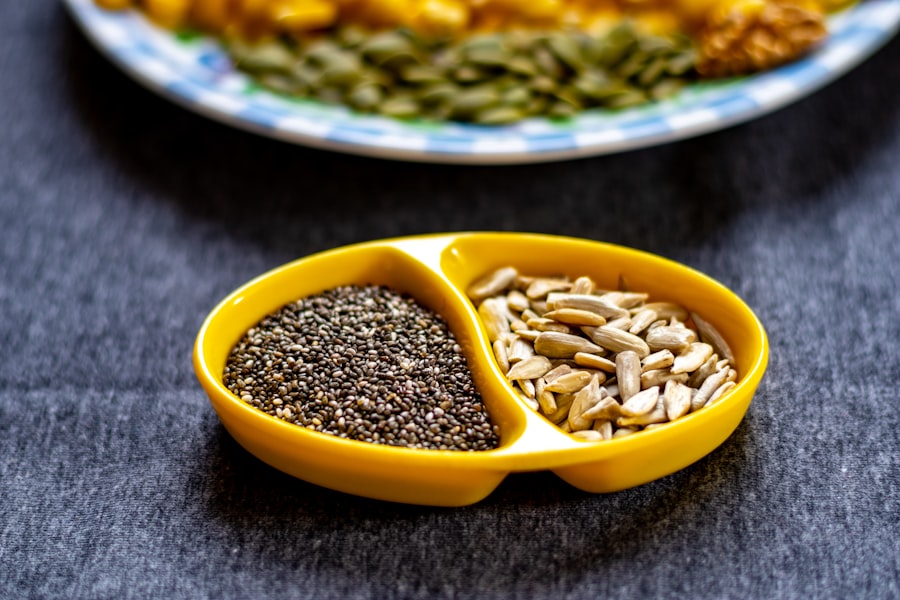
Not all carbohydrates are created equal. While a blanket recommendation to avoid all carbs at breakfast is impractical and can lead to nutrient deficiencies, understanding how to choose and combine them is paramount for blood sugar management.
The Power of Fiber: A Slow Release Mechanism
Dietary fiber, abundant in whole grains, fruits, and vegetables, is a type of carbohydrate that your body cannot digest. However, its presence dramatically impacts blood sugar regulation. Soluble fiber, in particular, forms a gel-like substance in your digestive tract, slowing down the absorption of glucose. This acts as a natural dimmer switch for glucose entry into your bloodstream.
Whole Grains vs. Refined Grains: A Stark Contrast
Opting for whole grain options over refined grains is a foundational step. Whole grains, such as oats, quinoa, and whole wheat, retain their bran and germ, which are rich in fiber, vitamins, and minerals. Refined grains, on the other hand, have had these nutrient-rich components stripped away, leaving behind primarily starch. This is the difference between a robust oak tree and a hollow reed.
The Glycemic Load: Beyond the Index
While the glycemic index (GI) provides a measure of how quickly a carbohydrate raises blood sugar, the glycemic load (GL) considers both the GI and the typical serving size of a food. A food might have a high GI, but if it’s consumed in a small portion, its GL can be moderate. Conversely, a food with a moderate GI can have a high GL if eaten in large quantities. Therefore, both factors are important for informed dietary choices.
Fruits: Nature’s Sweetness, Managed Wisely
Fruits are a valuable source of vitamins, minerals, and fiber. However, their natural sugars can still impact blood glucose. Prioritizing whole fruits over juices is crucial. Juicing removes most of the beneficial fiber, concentrating the sugars and leading to a more rapid glucose spike. When consuming fruits as part of your breakfast, pairing them with protein and healthy fats can help mitigate this effect.
Synergy in Action: Building Your Protein-Packed Breakfast Plate

The magic of a protein-packed breakfast lies not just in the protein itself, but in how it interacts with other food components to create a blood sugar-stabilizing effect. Think of it as an ensemble cast; each member plays a vital role in the harmonious performance.
Eggs: The Omnipresent Powerhouse
Eggs are a quintessential breakfast food and for good reason. They are a complete protein source, containing all nine essential amino acids, and are packed with vitamins and minerals. A couple of eggs, whether scrambled, boiled, or poached, provide a substantial protein boost that will significantly slow down the digestion of any accompanying carbohydrates.
Versatility and Nutrient Density
The versatility of eggs allows them to be incorporated into a wide array of breakfast dishes. They can be enjoyed on their own, added to omelets with vegetables, or even blended into a protein shake. Their high nutrient density makes them a highly efficient way to fuel your body.
Greek Yogurt and Cottage Cheese: Dairy’s Protein Contribution
Full-fat Greek yogurt and cottage cheese are excellent sources of protein, particularly casein protein, which is digested slowly. This sustained release of amino acids further contributes to satiety and helps to stabilize blood sugar levels. Opting for plain, unsweetened varieties is key to avoiding added sugars.
Probiotics and Gut Health
Beyond protein, Greek yogurt and some cottage cheeses are sources of probiotics, beneficial bacteria that support gut health. A healthy gut microbiome is increasingly linked to improved metabolic function and digestion, indirectly contributing to better blood sugar control.
Lean Meats and Fish: Savory Protein Options
Smoked salmon, lean turkey, or chicken can be incorporated into breakfast for a savory protein punch. These options provide high-quality protein and essential nutrients like omega-3 fatty acids (in the case of salmon), which have anti-inflammatory properties that can be beneficial for overall health.
Considerations for Preparation
When choosing lean meats or fish for breakfast, consider preparation methods that minimize added unhealthy fats. Grilling, baking, or pan-searing with minimal oil are preferable to deep-frying.
Plant-Based Protein Powerhouses: Tofu, Tempeh, and Legumes
For those following a plant-based diet, tofu, tempeh, and even hearty breakfasts featuring legumes like black beans or lentils can provide substantial protein. These options also contribute fiber and a variety of micronutrients. Tofu scrambles are a popular and adaptable alternative to egg scrambles.
Balancing Macronutrients in Plant-Based Meals
When building a plant-based protein-packed breakfast, it’s important to ensure you are consuming a variety of protein sources to obtain a complete amino acid profile. Combining legumes with grains, for example, can achieve this.
A protein-first breakfast can play a crucial role in maintaining blood sugar stability throughout the day. By prioritizing protein in the morning, individuals may experience more balanced energy levels and reduced cravings. For further insights on this topic, you can explore a related article that discusses the benefits of protein-rich meals in managing blood sugar levels effectively. To read more about this, check out the article here.
Beyond the Plate: Lifestyle Factors Supporting Blood Sugar Stability
| Metric | Value | Unit | Notes |
|---|---|---|---|
| Protein Content | 25-30 | grams | Recommended protein intake for breakfast to aid blood sugar stability |
| Glycemic Index (GI) | Low (≤55) | GI value | Protein-rich breakfasts typically have low GI, reducing blood sugar spikes |
| Blood Sugar Response | 10-20% | Reduction | Estimated reduction in post-meal blood glucose levels compared to high-carb breakfast |
| Satiety Duration | 4-6 | hours | Protein-rich breakfast increases feeling of fullness, reducing snacking |
| Insulin Sensitivity Improvement | 5-15 | percent | Improvement observed after regular protein-first breakfasts over weeks |
| Typical Breakfast Examples | Eggs, Greek yogurt, cottage cheese, protein shakes | N/A | Common protein-first breakfast options |
While your breakfast is a critical starting point, it’s essential to recognize that managing blood sugar is a holistic endeavor. Several lifestyle factors work in concert to support stable glucose levels throughout the day.
The Importance of Hydration: Water’s Quiet Role
Adequate hydration is often overlooked, yet it plays a subtle but significant role in metabolic processes. Water is essential for nutrient transport and helps your body function optimally. Dehydration can sometimes be mistaken for hunger, leading to unnecessary snacking.
The Electrolyte Balance
Water also helps maintain electrolyte balance, which is crucial for nerve and muscle function, and indirectly influences how your body utilizes glucose. Starting your day with a glass of water, even before your protein-rich breakfast, can be a beneficial habit.
The Impact of Sleep: Restful Nights for Stable Days
Your circadian rhythm, your body’s natural sleep-wake cycle, has a profound impact on hormone regulation, including those that control appetite and blood sugar. Chronic sleep deprivation can disrupt insulin sensitivity and increase cravings for high-carbohydrate, sugary foods, creating a vicious cycle.
Quality Over Quantity
Prioritizing quality sleep – aiming for 7-9 hours of uninterrupted sleep per night – is as important as the food you eat. Establishing a consistent sleep schedule and creating a relaxing bedtime routine can significantly improve your sleep quality.
The Benefits of Regular Physical Activity: Moving for Metabolism
Regular physical activity is a cornerstone of good health, and its benefits extend directly to blood sugar control. Exercise increases insulin sensitivity, meaning your cells become more efficient at taking up glucose from your bloodstream. Muscle tissue also acts as a sponge for glucose.
Timing and Type of Exercise
While any form of movement is beneficial, incorporating a mix of aerobic exercise and strength training can provide the most comprehensive benefits for blood sugar management and overall metabolic health. Even a brisk walk after your protein-packed breakfast can aid in glucose uptake.
Conclusion: Your Morning Meal as a Strategic Advantage
Your breakfast is not merely a dietary placeholder; it is a powerful tool that you can leverage to set the tone for your entire day. By consciously prioritizing protein, you are not just consuming nutrients; you are investing in sustained energy, enhanced cognitive function, and a more stable metabolic state. This strategic approach to your morning meal can be the difference between a day spent battling energy dips and cravings, or a day characterized by consistent focus, enduring energy, and a greater sense of well-being. Remember, the foundation you lay in the morning sets the stage for the performance of your entire day.
FAQs
What is a protein-first breakfast?
A protein-first breakfast is a meal where protein-rich foods are consumed before or alongside carbohydrates. This approach helps slow down the absorption of sugar into the bloodstream, promoting better blood sugar stability.
How does eating protein first affect blood sugar levels?
Eating protein first can reduce the rapid rise in blood sugar that often occurs after consuming carbohydrates. Protein slows gastric emptying and stimulates insulin secretion, which helps maintain more stable blood glucose levels.
What are some good protein sources for breakfast?
Good protein sources for breakfast include eggs, Greek yogurt, cottage cheese, lean meats like turkey or chicken, tofu, nuts, and seeds. These options provide essential amino acids and help keep you full longer.
Can a protein-first breakfast benefit people with diabetes?
Yes, a protein-first breakfast can be particularly beneficial for people with diabetes or insulin resistance. It helps moderate post-meal blood sugar spikes, improving overall glycemic control.
Are there any potential downsides to a protein-first breakfast?
For most people, a protein-first breakfast is safe and beneficial. However, individuals with certain kidney conditions should consult a healthcare provider before increasing protein intake, as excessive protein may strain kidney function.