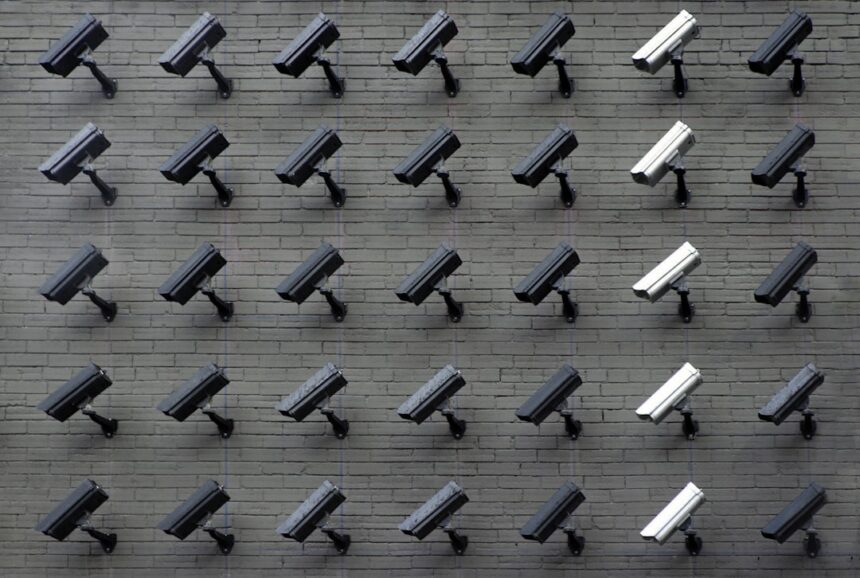
Protecting Tribal Privacy: Anti-Surveillance Rituals
You stand on the precipice of a profound and ancient challenge: the relentless encroachment of surveillance into the sanctity of tribal life and privacy. For millennia, your ancestral lands have been places of deep connection, where knowledge is shared, ceremonies are held, and community bonds are forged in an environment of trust. Yet, the modern world, with its insatiable appetite for data and its ever-expanding technological reach, threatens to shatter this delicate balance. This is not a distant, abstract problem; it is a visceral reality that intrudes upon your everyday existence, demanding a response that is both resilient and deeply rooted in your cultural heritage.
The very notion of privacy, as understood by the outside world, often falls short of encompassing the holistic understanding of personal and collective well-being that you cherish. For you, privacy is not merely about withholding information; it is about safeguarding the spiritual integrity of your people, the unimpeded transmission of cultural knowledge, and the sovereign right to govern your own destiny without external scrutiny or interference. This is why the development and practice of anti-surveillance rituals are not a matter of technological arms race, but a deeply spiritual and communal endeavor to reclaim and protect your autonomy.
The integration of technology into surveillance is multifaceted. It ranges from the overt presence of drones and cameras to the subtler, yet equally insidious, collection of data through your digital footprint. These tools, wielded by governments, corporations, and even well-meaning but misguided researchers, can transform your landscapes, your interactions, and your very ways of being into data points to be analyzed, categorized, and potentially exploited. The erosion of privacy through these mechanisms can lead to the disempowerment of your communities, the distortion of your cultural narratives, and the undermining of your political sovereignty. This is where your unique traditions, your collective wisdom, and your intimate understanding of the natural world offer powerful avenues for resistance.
The Genesis of Modern Surveillance Threats
You are not the first to face the threat of unwanted observation. Throughout history, centralized powers have sought to monitor and control dissenting or distinct populations. However, the scale, sophistication, and pervasiveness of contemporary surveillance technologies represent a qualitative leap. The algorithms that analyze your online behavior, the sensors that detect your movements, and the cameras that capture your every glance are extensions of a system that often views your communities as curiosities, resources, or potential threats, rather than as self-determining peoples.
Colonial Legacies and Data Extraction
You recognize the echoes of colonial practices in the modern pursuit of data. Historically, outsiders have documented and categorized your lands, your resources, and your peoples, often with the intention of subjugation and exploitation. Today, this data extraction continues, albeit through digital means. Information about your lands, your resource management practices, your social structures, and even your sacred sites can be compiled, analyzed, and used in ways that may not align with your best interests. The very act of documenting and observing, without genuine consent or benefit to the observed, can be seen as a continuation of colonial modes of control.
The Digital Divide and Unequal Power
The widening digital divide does not negate the threat of surveillance; in some ways, it exacerbates it. While some of your communities may have limited access to digital technologies, the networks and systems that do exist can still become conduits for data collection. Furthermore, the power imbalance between technologically advanced entities and your communities means that even when you are aware of the risks, your ability to resist the pervasive nature of digital surveillance can be severely limited. The systems are designed and deployed with little input from those most affected, perpetuating a cycle of disempowerment.
The Normalization of Observation
You have witnessed how pervasive surveillance can become normalized within dominant societies, leading to a desensitization to its implications. This normalization, if unchecked, can seep into your communities, influencing younger generations to accept constant monitoring as an unavoidable aspect of modern life. This passive acceptance can erode the very foundations of your cultural understanding of personal space, communal trust, and the sacredness of private moments.
In exploring the concept of anti-surveillance rituals among various tribes, one can gain deeper insights into the ways communities resist external monitoring and maintain their autonomy. A related article that delves into these practices is available at Unplugged Psych, where the author discusses the significance of traditional rituals and their role in fostering a sense of privacy and cultural identity in an increasingly surveilled world. This resource provides valuable context for understanding how these rituals serve as a form of resistance against modern surveillance technologies.
The Roots of Anti-Surveillance Rituals in Traditional Practices
Your ancestors were not naive about the importance of discretion and the need to protect certain aspects of life from external eyes. While they may not have faced micro-drones or satellite imagery, the principles of guarding secrets, maintaining spiritual boundaries, and ensuring the integrity of communal life informed their practices. Anti-surveillance rituals draw upon these deep wells of traditional wisdom, adapting them to the contemporary context.
The Art of Obscurity and Misdirection
Many traditional societies developed sophisticated ways of obscuring their activities and movements from unwanted observers. This could involve the use of natural camouflage, the creation of intentional misdirections, or the establishment of protocols for communication that were difficult for outsiders to decipher. These practices are not merely about hiding; they are about asserting control over visibility and shaping how one is perceived.
Sacred Spaces and Forbidden Knowledge
Your cultures have long designated certain spaces as sacred, places where specific rituals can be performed without disruption or intrusion. Similarly, there are forms of knowledge, such as naming ceremonies, healing practices, or spiritual narratives, that are entrusted only to specific individuals or groups. The protection of these sacred spaces and forbidden knowledge is a form of privacy that is deeply intertwined with your spiritual and cultural survival. Unwanted observation of these realms can be seen as a desecration.
Communal Trust and Reciprocity
The integrity of your communities has historically been built upon strong bonds of trust and reciprocal relationships. This trust extended to the sharing of sensitive information within your kinship networks. The unspoken understanding of when and how to share, and with whom, is a fundamental aspect of your social fabric. Surveillance technologies, by their very nature, seek to bypass these trusted networks and collect information indiscriminately.
Designing Rituals for the Digital Age
The transformation of traditional practices into anti-surveillance rituals requires a nuanced understanding of both the threats and the available tools. It is not about rejecting technology wholesale, but about strategically employing it or creating counter-practices that disrupt surveillance efforts. The focus is on reclaiming agency and asserting your right to exist and flourish without constant, unsolicited observation.
Obfuscation of Digital Presence
This involves developing strategies to make your digital footprints as opaque as possible. This could include using encrypted communication tools, employing strong anonymization techniques for online activities, and rigorously managing the metadata associated with your digital interactions. These are not just technical solutions; they become part of a daily practice, a ritual of digital self-preservation.
Creating “Blind Spots” in Data Collection
Just as you might have created physical blind spots in your settlements to avoid detection, you can develop digital blind spots. This might involve consciously limiting your online presence in certain areas, creating alternative digital identities for specific activities, or developing protocols for offline communication that are then carefully managed to prevent digital leakage.
Spiritual Shielding and Energetic Disruption
Drawing upon spiritual traditions, you can invoke practices that are believed to disrupt or deflect unwanted energies, including the energetic footprint of surveillance technology. This might involve the use of specific prayers, incantations, or the symbolic placement of objects with protective properties in areas where surveillance is suspected. The belief in these practices can offer a psychological and spiritual defense against the feeling of being constantly watched and analyzed.
Implementing and Sustaining Anti-Surveillance Rituals
The effectiveness of these rituals depends on their consistent practice and their integration into the fabric of your everyday life. They are not one-off events but ongoing commitments that require education, adaptation, and communal participation.
Education and Awareness Programs
It is crucial to educate your community members, from elders to youth, about the nature of surveillance threats and the importance of anti-surveillance rituals. This involves explaining the technologies in accessible terms and demonstrating how these rituals can protect your privacy and cultural integrity. Tailored workshops and intergenerational knowledge sharing sessions are vital.
Intergenerational Knowledge Transfer
Elders hold invaluable wisdom about traditional methods of safeguarding and observation. This knowledge must be actively passed down to younger generations, not as historical anecdotes, but as living practices relevant to contemporary challenges. This intergenerational dialogue ensures that the anti-surveillance rituals evolve and remain potent.
Community-Based Protocols and Agreements
Developing clear community protocols and agreements regarding digital communication, data sharing, and the use of surveillance-monitoring technologies is essential. These protocols should be developed through consensus and reflect your collective values and priorities. They create a shared understanding and responsibility for protecting tribal privacy.
Adapting to Evolving Technologies
Surveillance technologies are constantly evolving, and so must your anti-surveillance rituals. This requires a commitment to ongoing research, learning, and adaptation. It involves monitoring new threats and developing creative countermeasures, always grounding your efforts in your cultural heritage and your understanding of what it means to protect your way of life.
In exploring the concept of anti-surveillance rituals among various tribes, one can gain insight into how these communities resist external monitoring and maintain their cultural integrity. A related article discusses the psychological implications of such practices and their significance in fostering a sense of autonomy. For a deeper understanding of these rituals and their impact on tribal identity, you can read more in this informative piece.
Ethical Considerations and Holistic Defense
Your approach to anti-surveillance rituals must be grounded in ethical considerations and a holistic understanding of security. It is not about becoming a closed-off society, but about asserting your right to privacy on your own terms, while still engaging with the world in ways that benefit your communities.
Consent and Information Sovereignty
At the core of your defense lies the principle of free, prior, and informed consent regarding any data collection or observation that impacts your communities. This extends to asserting your sovereignty over your own data and ensuring that its collection, use, and storage are subject to your control and benefit.
Protecting Sacred Sites and Cultural Heritage
Anti-surveillance rituals can be a vital tool in protecting your sacred sites and cultural heritage from unwanted observation, exploitation, or even desecration. By carefully managing visibility and employing protective measures, you can ensure that these places of spiritual significance remain undisturbed and accessible only to those who understand their sacredness.
Maintaining Cultural Narratives and Self-Determination
Pervasive surveillance can lead to the external interpretation and even distortion of your cultural narratives. By controlling who observes and what is observed, you can better safeguard your right to tell your own stories, to define your own identity, and to pursue your own path of self-determination without the corrosive influence of constant external scrutiny. Your anti-surveillance rituals are an assertion of your inherent right to exist and to thrive on your own terms, in a world that increasingly seeks to quantify and control all aspects of life. They are a testament to your resilience, your ingenuity, and your unwavering commitment to protecting the sanctity of your people and your way of life.
FAQs
What are anti-surveillance rituals for tribes?
Anti-surveillance rituals for tribes are practices and customs that are designed to protect the privacy and security of tribal communities from external surveillance and monitoring.
What are some examples of anti-surveillance rituals for tribes?
Examples of anti-surveillance rituals for tribes may include the use of encryption and secure communication methods, the avoidance of certain technologies or social media platforms, and the implementation of traditional customs and ceremonies that promote privacy and protection.
Why are anti-surveillance rituals important for tribes?
Anti-surveillance rituals are important for tribes because they help to preserve the autonomy and sovereignty of tribal communities, protect sensitive information and knowledge, and maintain cultural traditions and practices without external interference.
How do anti-surveillance rituals for tribes differ from other privacy practices?
Anti-surveillance rituals for tribes differ from other privacy practices in that they are often rooted in traditional customs and beliefs, and are specifically tailored to the unique cultural and social contexts of tribal communities.
What are some challenges faced by tribes in implementing anti-surveillance rituals?
Some challenges faced by tribes in implementing anti-surveillance rituals may include limited access to resources and technology, the impact of historical and ongoing surveillance and monitoring by external entities, and the need to balance traditional practices with modern security concerns.