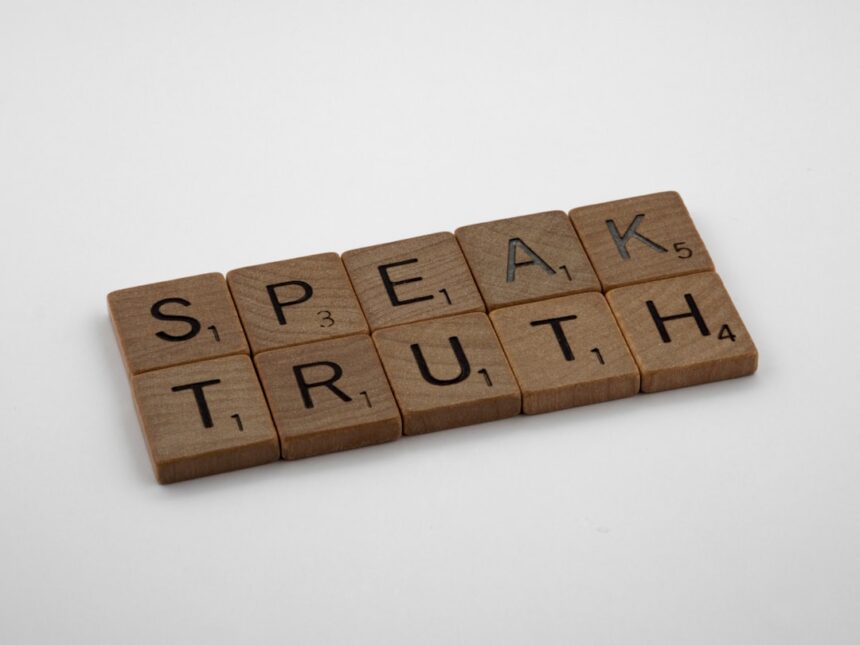
Honesty serves as the bedrock of any meaningful relationship. When you engage with others, whether in friendships, romantic partnerships, or familial ties, the foundation of trust is built upon your ability to be truthful. You may find that honesty fosters a sense of security and openness, allowing both you and your loved ones to express yourselves freely.
When you are honest, you create an environment where vulnerability is welcomed, and this can lead to deeper connections. Without honesty, relationships can become superficial, lacking the depth and understanding that come from genuine communication. Moreover, honesty encourages accountability.
When you are truthful with yourself and others, you take responsibility for your actions and words. This accountability not only strengthens your relationships but also promotes personal growth. You may discover that being honest about your feelings and thoughts can lead to more fulfilling interactions.
In contrast, dishonesty can breed resentment and mistrust, ultimately eroding the very fabric of your relationships. By prioritizing honesty, you set a standard that encourages others to do the same, creating a cycle of trust and respect.
Key Takeaways
- Honesty is essential for building trust and authentic connections in relationships.
- Prioritizing harmony over honesty can lead to unresolved issues and emotional harm.
- Open communication and respectful conflict navigation strengthen relationship bonds.
- Setting clear boundaries and embracing vulnerability support genuine interactions.
- Professional guidance can help balance honesty and harmony for healthier relationships.
Understanding the Difference Between Harmony and Honesty
While harmony in relationships is often seen as desirable, it is crucial to differentiate it from honesty. You might find yourself in situations where maintaining peace seems more important than being truthful. However, this approach can lead to a false sense of security.
Harmony often involves avoiding conflict or suppressing feelings to keep the peace, while honesty requires you to confront uncomfortable truths. Recognizing this distinction is vital for fostering healthy relationships. When you prioritize harmony over honesty, you may inadvertently create an environment where issues fester beneath the surface.
You might feel compelled to agree with others or hide your true feelings to avoid confrontation. This can lead to a buildup of unresolved tensions that eventually explode into conflict. On the other hand, embracing honesty allows you to address issues head-on, paving the way for genuine understanding and resolution.
By valuing honesty over mere harmony, you empower yourself and others to engage in meaningful conversations that strengthen your connections.
The Negative Effects of Sacrificing Honesty for Harmony

Sacrificing honesty for the sake of harmony can have detrimental effects on your relationships. You may find that when you choose to remain silent about your true feelings or opinions, you are not only doing a disservice to yourself but also to those around you. This avoidance can lead to feelings of isolation and frustration, as you struggle to express your authentic self.
Over time, this pattern can create a rift between you and your loved ones, as they may sense your discontent but remain unaware of its source. Additionally, when you prioritize harmony over honesty, you risk creating a culture of deceit within your relationships. You might notice that others begin to mirror this behavior, leading to a cycle of dishonesty that undermines trust.
Ultimately, sacrificing honesty for the sake of harmony can leave you feeling unfulfilled and disconnected from those you care about most. Embracing honesty, even when it feels uncomfortable, is essential for nurturing authentic relationships.
Building Trust Through Open and Honest Communication
Open and honest communication is key to building trust in any relationship. When you express your thoughts and feelings candidly, you invite others to do the same. This reciprocal exchange fosters an atmosphere of transparency where everyone feels valued and heard.
You may find that by sharing your vulnerabilities and concerns, you encourage others to share theirs as well, creating a deeper bond based on mutual understanding. To cultivate this open communication, it’s important to practice active listening. When engaging in conversations, make a conscious effort to listen without judgment or interruption.
This demonstrates respect for the other person’s perspective and encourages them to be honest with you in return. You might also consider using “I” statements when expressing your feelings, as this approach focuses on your experiences rather than placing blame on others. By prioritizing open dialogue, you lay the groundwork for trust and intimacy in your relationships.
Navigating Conflict with Honesty and Respect
| Metric | Description | Measurement Method | Example Value |
|---|---|---|---|
| Truthfulness Rate | Percentage of statements made that are factually accurate | Survey responses and fact-checking analysis | 92% |
| Conflict Resolution Time | Average time taken to resolve conflicts when honesty is prioritized over harmony | Time tracking of conflict resolution sessions | 3 days |
| Employee Trust Index | Level of trust employees have in leadership due to honest communication | Employee surveys and feedback forms | 8.5/10 |
| Harmony Disruption Frequency | Number of instances where prioritizing honesty caused temporary disharmony | Incident reports and team feedback | 4 per quarter |
| Long-term Relationship Strength | Measure of relationship durability and satisfaction after honest interactions | Follow-up surveys and retention rates | 85% |
Conflict is an inevitable part of any relationship, but how you navigate it can significantly impact its outcome. When faced with disagreements, approaching the situation with honesty and respect is crucial. You may find that being truthful about your feelings allows for a more constructive dialogue rather than resorting to defensiveness or avoidance.
By expressing your thoughts openly while remaining respectful of the other person’s perspective, you create an opportunity for resolution. It’s essential to remember that conflict does not have to be destructive; it can be a catalyst for growth if handled appropriately. You might consider setting ground rules for discussions during conflicts, such as taking turns speaking or avoiding personal attacks.
This approach ensures that both parties feel safe expressing their views without fear of escalation. By prioritizing honesty and respect during conflicts, you not only work towards resolution but also strengthen the overall foundation of your relationship.
Setting Boundaries to Prioritize Honesty in Relationships

Establishing boundaries is a vital aspect of maintaining honesty in relationships. You may find that setting clear boundaries helps define what is acceptable behavior and communication within your interactions with others. By articulating your needs and expectations, you create a framework that encourages honesty while respecting individual differences.
Boundaries allow you to protect your emotional well-being while fostering an environment where open dialogue can thrive. When setting boundaries, it’s important to communicate them clearly and assertively. You might consider discussing your boundaries during calm moments rather than during conflicts, as this allows for more productive conversations.
Additionally, be prepared for pushback; not everyone will immediately understand or accept your boundaries. However, by standing firm in your commitment to honesty and self-respect, you demonstrate the importance of these values in your relationships.
The Role of Vulnerability in Honesty and Authenticity
Vulnerability plays a significant role in fostering honesty and authenticity within relationships. When you allow yourself to be vulnerable, you open the door for deeper connections with others. Sharing your fears, insecurities, and aspirations can create a sense of intimacy that strengthens bonds between individuals.
You may find that by being vulnerable, you encourage others to reciprocate, leading to a more authentic exchange of thoughts and feelings. However, embracing vulnerability can be challenging; it requires courage and trust in those around you. You might worry about being judged or rejected when exposing your true self.
Yet, it’s essential to recognize that vulnerability is not a weakness but rather a strength that fosters genuine connections. By embracing vulnerability in your interactions, you cultivate an atmosphere where honesty flourishes, allowing for richer and more meaningful relationships.
Honoring Individual Needs and Values in Relationships
In any relationship, it’s crucial to honor individual needs and values while maintaining honesty. You may find that each person brings unique perspectives shaped by their experiences and beliefs. Acknowledging these differences is essential for fostering mutual respect and understanding.
When you prioritize honesty about your own needs while also being receptive to those of others, you create a balanced dynamic that nurtures healthy relationships. To honor individual needs effectively, consider engaging in open discussions about values and priorities with those close to you. You might discover common ground while also recognizing areas where compromise is necessary.
By being honest about what matters most to you while respecting the values of others, you cultivate an environment where everyone feels valued and understood.
Repairing Relationships Through Honest Conversations
When relationships face challenges or conflicts, honest conversations are often the key to repair and healing. You may find that addressing issues directly allows both parties to express their feelings and work towards resolution together. It’s important to approach these conversations with empathy and a willingness to listen actively; this demonstrates your commitment to restoring trust and understanding.
During these discussions, focus on expressing how certain actions or words affected you rather than placing blame on the other person. This approach encourages open dialogue without defensiveness or hostility. You might also consider acknowledging any mistakes you’ve made in the relationship; taking responsibility can go a long way toward rebuilding trust.
By engaging in honest conversations aimed at repair, you pave the way for renewed connections based on understanding and respect.
Cultivating a Culture of Honesty in Relationships
Creating a culture of honesty within your relationships requires intentional effort from all parties involved. You may find that leading by example is one of the most effective ways to encourage openness among those around you. When you consistently demonstrate honesty in your interactions—whether through transparent communication or accountability—you inspire others to do the same.
Additionally, fostering an environment where honesty is valued means actively encouraging feedback and dialogue among friends or family members. You might consider establishing regular check-ins where everyone has the opportunity to share their thoughts or concerns openly without fear of judgment. By cultivating this culture of honesty, you create a safe space for authentic connections that strengthen relationships over time.
Seeking Professional Help to Navigate Honesty and Harmony in Relationships
Sometimes navigating the complexities of honesty and harmony in relationships can be challenging enough that seeking professional help becomes necessary. A therapist or counselor can provide valuable insights into communication patterns and help identify underlying issues affecting your relationships. You may find that having an impartial third party facilitates more productive conversations about honesty and conflict resolution.
In therapy sessions, both individuals can learn effective strategies for expressing their needs while honoring each other’s perspectives. This guidance can be particularly beneficial when emotions run high or when past grievances complicate current interactions. By seeking professional help, you take proactive steps toward fostering healthier relationships built on trust and open communication.
In conclusion, prioritizing honesty in relationships is essential for building trust, navigating conflict effectively, and fostering deeper connections with those around you. By understanding the importance of open communication and setting boundaries while embracing vulnerability, you create an environment where authenticity thrives. Whether through honest conversations aimed at repair or seeking professional guidance when needed, committing to honesty ultimately leads to more fulfilling relationships grounded in mutual respect and understanding.
The principle of honesty before harmony emphasizes the importance of transparency and truthfulness in relationships, even when it may lead to discomfort. This concept is further explored in a related article that discusses the balance between honesty and maintaining peace in interpersonal dynamics.