Research demonstrates that posture directly affects psychological states through measurable physiological and neurological pathways. Poor posture, characterized by forward head position, rounded shoulders, and spinal flexion, activates the body’s stress response system. This postural configuration increases cortisol production and elevates sympathetic nervous system activity, which are associated with heightened anxiety and stress responses.
In contrast, upright posture with neutral spinal alignment, retracted shoulder blades, and elevated chest position promotes parasympathetic nervous system dominance. This postural state correlates with reduced cortisol levels, decreased muscle tension, and improved mood regulation. The vagus nerve, which plays a crucial role in the body’s relaxation response, functions more effectively when the spine maintains proper alignment.
Postural changes also influence social interactions and self-perception through established psychological mechanisms. Expansive postures increase testosterone levels while decreasing cortisol, creating measurable changes in confidence and risk tolerance. These hormonal shifts occur within minutes of adopting different postural positions.
Additionally, postural feedback affects cognitive processing, with upright positions improving memory recall, attention span, and decision-making capabilities compared to slouched positions. The relationship between posture and anxiety operates bidirectionally: anxiety can cause postural changes, while poor posture can intensify anxious feelings. This creates a cycle where psychological stress manifests as physical tension, which then reinforces the original stress response.
Understanding these mechanisms provides a foundation for using postural interventions as part of anxiety management strategies.
Key Takeaways
- Poor posture can contribute to increased anxiety and negatively affect mental health.
- Resetting posture through specific techniques can help alleviate anxiety symptoms.
- Incorporating mindful breathing and meditation enhances the effectiveness of posture reset.
- Regular physical activity and ergonomic adjustments support maintaining good posture.
- Establishing a daily posture reset routine offers long-term benefits for managing anxiety.
The Impact of Poor Posture on Mental Health
Poor posture can have a profound impact on your mental health, often leading to a cycle of negative emotions and physical discomfort. When you slouch or adopt a cramped position, it can lead to physical pain, particularly in the neck, shoulders, and back. This discomfort can create a feedback loop where physical pain exacerbates feelings of anxiety, making it difficult for you to focus or engage in daily activities.
You might find yourself feeling overwhelmed by stress, which can lead to further deterioration of your posture as you withdraw into yourself. Additionally, poor posture can affect your breathing patterns. When you hunch over, your diaphragm has less room to expand, which can lead to shallow breathing.
Shallow breathing is often associated with anxiety and panic attacks, as it can trigger the body’s fight-or-flight response. By recognizing how poor posture contributes to these physical and emotional challenges, you can take proactive steps to improve both your posture and mental health.
How Posture Reset Can Help Alleviate Anxiety Symptoms
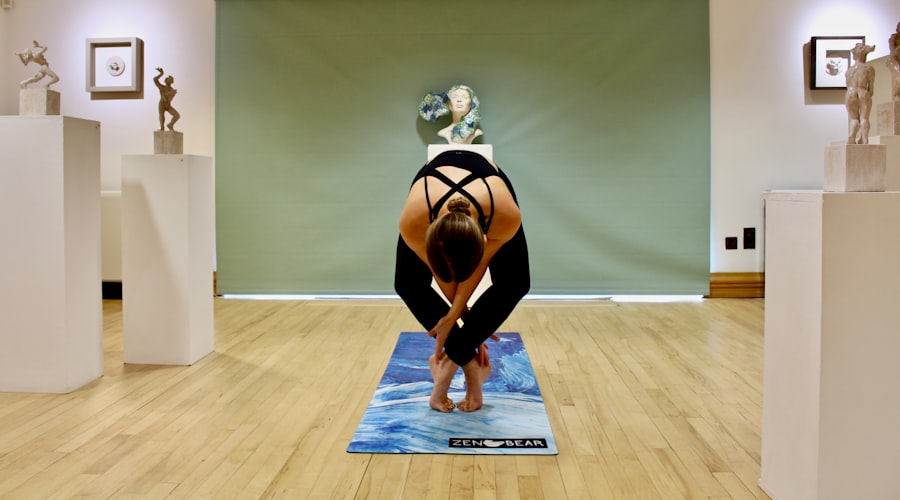
Posture reset is a practice that involves consciously adjusting your body alignment to promote better posture and overall well-being. By engaging in posture reset techniques, you can alleviate anxiety symptoms and create a more balanced state of mind. When you focus on aligning your body correctly, you may notice an immediate shift in how you feel.
This practice encourages mindfulness and self-awareness, allowing you to become more attuned to the signals your body is sending. Incorporating posture reset into your daily routine can lead to long-term benefits for your mental health. As you become more aware of your body’s alignment, you may find that you are better equipped to manage stress and anxiety.
The act of resetting your posture serves as a reminder to check in with yourself, both physically and emotionally. This simple yet effective practice can empower you to take control of your mental state and cultivate a sense of calm amidst life’s challenges.
Techniques for Improving Posture
Improving your posture doesn’t have to be a daunting task; there are several techniques you can easily incorporate into your daily life. One effective method is the Alexander Technique, which focuses on body awareness and movement efficiency. By learning how to move with greater ease and awareness, you can reduce tension in your body and improve your overall posture.
You might consider taking classes or watching instructional videos to get started with this technique. Another approach is the use of stretching and strengthening exercises specifically designed to target postural muscles. Incorporating exercises like planks, bridges, and chest openers into your routine can help strengthen the muscles that support good posture.
Additionally, regular stretching can alleviate tightness in areas that contribute to poor alignment. You may find that dedicating just a few minutes each day to these exercises can lead to significant improvements in both your posture and mental well-being.
The Role of Breathing in Posture Reset for Anxiety Relief
| Metric | Description | Effect on Anxiety | Measurement Method | Typical Improvement Range |
|---|---|---|---|---|
| Heart Rate Variability (HRV) | Variation in time between heartbeats | Increased HRV indicates better stress resilience | Wearable heart rate monitors | 5-15% increase after posture reset exercises |
| Respiratory Rate | Number of breaths per minute | Slower, deeper breathing reduces anxiety symptoms | Manual counting or respiratory sensors | Reduction from 18-20 to 12-15 breaths/min |
| Muscle Tension | Level of muscle tightness, especially in neck and shoulders | Reduced tension correlates with lower anxiety | Electromyography (EMG) or subjective scales | 20-30% decrease post posture reset |
| Self-Reported Anxiety Levels | Subjective anxiety rating using standardized scales | Lower scores indicate reduced anxiety | Questionnaires like GAD-7 or STAI | 10-25% reduction after posture interventions |
| Posture Alignment Score | Assessment of spinal and shoulder alignment | Improved alignment linked to better mood and confidence | Visual assessment or posture analysis software | 15-20% improvement after reset exercises |
Breathing plays a crucial role in both posture reset and anxiety relief. When you focus on deep, diaphragmatic breathing, it not only helps improve oxygen flow but also encourages better posture. As you breathe deeply, your diaphragm expands fully, allowing your ribcage to open up and promoting an upright position.
This connection between breath and posture is essential for creating a sense of calm and reducing anxiety. Incorporating breathing exercises into your posture reset routine can enhance its effectiveness. For instance, try practicing deep breathing while standing or sitting tall.
Inhale deeply through your nose for a count of four, allowing your abdomen to expand fully. Hold for a moment before exhaling slowly through your mouth for a count of six. This practice not only helps reset your posture but also calms your nervous system, making it an invaluable tool for managing anxiety.
Incorporating Mindfulness and Meditation into Posture Reset Practices
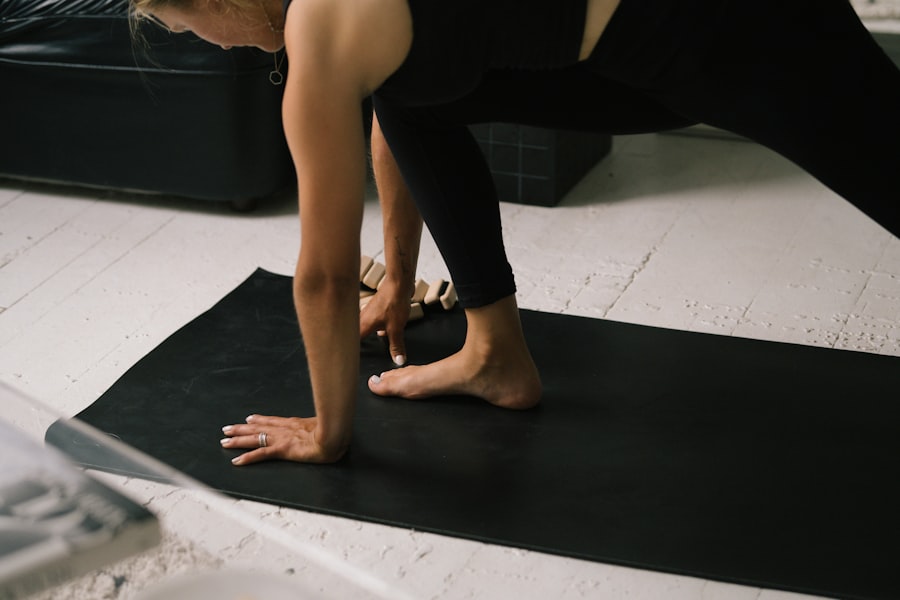
Mindfulness and meditation are powerful practices that can complement your posture reset efforts. By cultivating mindfulness, you become more aware of how your body feels in different positions and how those positions affect your mental state. You might find it helpful to set aside time each day for mindfulness meditation focused on body awareness.
During this practice, pay attention to how your body feels as you sit or stand, noticing any areas of tension or discomfort. Combining mindfulness with posture reset techniques can create a holistic approach to managing anxiety. As you meditate on your body’s alignment, visualize yourself standing tall and confident.
This visualization can reinforce positive feelings associated with good posture while helping you release any negative emotions tied to anxiety. Over time, this practice can lead to lasting changes in both your physical alignment and mental resilience.
The Importance of Physical Activity in Maintaining Good Posture
Physical activity is essential for maintaining good posture and overall well-being. Regular exercise strengthens the muscles that support proper alignment while also promoting flexibility and balance. Engaging in activities like yoga or Pilates can be particularly beneficial for improving posture, as they emphasize core strength and body awareness.
You may find that incorporating these forms of exercise into your routine not only enhances your physical health but also contributes positively to your mental state. Moreover, staying active helps combat the negative effects of prolonged sitting or sedentary behavior, which can lead to poor posture over time. By making a conscious effort to move throughout the day—whether through walking, stretching, or engaging in sports—you can help maintain good alignment and reduce the risk of developing postural issues that contribute to anxiety.
Ergonomic Solutions for Better Posture at Work and Home
Creating an ergonomic workspace is crucial for maintaining good posture throughout the day, especially if you spend long hours sitting at a desk. You might consider investing in an adjustable chair that supports the natural curve of your spine or using a standing desk to promote better alignment while working. Additionally, ensuring that your computer screen is at eye level can help prevent neck strain and encourage an upright position.
At home, be mindful of how you set up spaces where you spend time sitting or relaxing. Use cushions or lumbar supports when sitting on couches or chairs to promote better alignment. Small adjustments like these can make a significant difference in how you feel physically and mentally throughout the day.
Seeking Professional Help for Posture and Anxiety Management
If you’re struggling with persistent anxiety or postural issues, seeking professional help may be beneficial. A physical therapist or chiropractor can assess your posture and provide tailored exercises or adjustments to improve alignment and alleviate discomfort.
Combining physical therapy with counseling or therapy focused on anxiety management can create a comprehensive approach to improving both your physical health and mental well-being. You don’t have to navigate these challenges alone; professionals can provide valuable guidance and support as you work toward better posture and reduced anxiety.
Creating a Posture Reset Routine for Daily Anxiety Relief
Establishing a daily posture reset routine can be an effective way to manage anxiety over time. Start by setting aside specific times each day—perhaps in the morning or during breaks—to focus on resetting your posture through stretching, strengthening exercises, and mindful breathing techniques. You might also consider incorporating short mindfulness sessions where you check in with your body’s alignment throughout the day.
Consistency is key when it comes to creating lasting change. By making posture reset a regular part of your routine, you’ll likely notice improvements not only in your physical alignment but also in how you feel mentally. Over time, this practice can become second nature, empowering you to manage anxiety more effectively.
The Long-Term Benefits of Posture Reset for Anxiety Management
The long-term benefits of incorporating posture reset into your life extend far beyond immediate relief from anxiety symptoms. As you develop better posture habits, you’ll likely experience increased confidence and self-esteem as well as improved physical health. Good posture promotes better circulation and oxygen flow throughout the body, which can enhance overall energy levels and cognitive function.
Moreover, by consistently practicing posture reset techniques alongside mindfulness and physical activity, you’ll cultivate resilience against stressors that may trigger anxiety in the future. This holistic approach not only addresses the symptoms of anxiety but also empowers you with tools for long-term mental well-being. Embracing the connection between posture and mental health can lead to transformative changes in how you navigate life’s challenges with greater ease and confidence.
If you’re looking to improve your posture as a way to help manage anxiety, you might find the article on the Unplugged Psych website particularly useful.
You can read more about it in their comprehensive guide [here](https://www.unpluggedpsych.com/sample-page/).
FAQs
What is posture reset for anxiety?
Posture reset for anxiety refers to techniques and exercises aimed at improving body posture to help reduce symptoms of anxiety. Proper posture can influence breathing, muscle tension, and overall mental state, potentially alleviating feelings of stress and anxiety.
How does posture affect anxiety?
Posture affects anxiety by influencing the nervous system and breathing patterns. Slouched or tense postures can increase feelings of stress and anxiety, while upright and relaxed postures promote better oxygen flow and a sense of calm, which may reduce anxiety symptoms.
What are some common posture reset techniques for anxiety?
Common posture reset techniques include mindful breathing exercises, stretching, strengthening core muscles, practicing ergonomic sitting and standing positions, and engaging in activities like yoga or Pilates that emphasize body awareness and alignment.
Can improving posture alone cure anxiety?
Improving posture alone is unlikely to cure anxiety, but it can be a helpful complementary strategy. Posture reset can support other treatments such as therapy, medication, and lifestyle changes by reducing physical tension and promoting relaxation.
How long does it take to see benefits from posture reset for anxiety?
The time to see benefits varies by individual, but some people may notice improvements in mood and anxiety levels within days to weeks of consistently practicing posture reset techniques. Long-term benefits typically require ongoing practice and lifestyle adjustments.
Is posture reset safe for everyone with anxiety?
Yes, posture reset techniques are generally safe for most people with anxiety. However, individuals with specific medical conditions or physical limitations should consult a healthcare professional before starting new exercises or posture routines.
Can posture reset help with other mental health conditions?
While posture reset is primarily used to alleviate anxiety, improving posture and body awareness may also benefit other mental health conditions by reducing physical tension and promoting relaxation, though it should not replace professional treatment.
Where can I learn more about posture reset for anxiety?
Information about posture reset for anxiety can be found through healthcare providers, physical therapists, mental health professionals, reputable health websites, and instructional videos or classes focused on posture, mindfulness, and relaxation techniques.