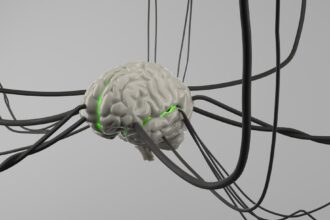
You may often find yourself in situations where you feel like an observer, a passenger in your own life. This sensation, colloquially known as the “observer effect” in a personal context, describes the feeling of detachment, of watching your life unfold rather than actively participating in its direction. It’s akin to being an audience member in your own existence. This phenomenon can manifest in various aspects of life, from career progression to personal relationships and even daily decision-making. You might experience it as a persistent internal dialogue of commentary on your actions or circumstances, rather than an engagement with them. Overcoming this requires a conscious shift in perspective and a series of actionable strategies. You are not merely a spectator; you possess the capacity to be the protagonist of your narrative.
The personal “observer effect” is fundamentally different from its quantum mechanical namesake, though it shares the metaphorical sense of detachment and indirect influence. In physics, observation can alter the observed system. In your personal life, feeling like an observer can also alter your “system” – your experiences and your sense of self-agency. You might perceive events as happening to you, rather than with or because of your involvement. This can lead to a sense of powerlessness, a feeling that external forces dictate your trajectory.
The Psychological Underpinnings
Psychologically, this feeling can stem from various sources. You might be experiencing a lack of self-efficacy, a belief that you lack the ability to influence events. Alternatively, it could be a manifestation of imposter syndrome, where you feel like a fraud undeserving of your position or achievements, thus preferring to remain in the background. Traumatic experiences can also lead to a dissociative state, where you mentally distance yourself from your reality as a coping mechanism. Chronic stress or burnout can deplete your mental and emotional resources, making active participation feel like an insurmountable effort. Furthermore, a highly self-critical inner voice can perpetuate this state, constantly scrutinizing your actions and discouraging proactive engagement.
The Social Implications
Socially, the “observer effect” can hinder your ability to form meaningful connections. If you are constantly on the sidelines, analyzing social interactions rather than participating in them, you may struggle to build rapport. You might avoid initiating conversations, offering opinions, or taking on leadership roles within groups. This can lead to social isolation and a reinforcing cycle of feeling like an outsider. In professional settings, it can impede career advancement, as you may be less likely to volunteer for projects, speak up in meetings, or network effectively. Your contributions might go unnoticed if you consistently operate from a position of passive observation.
If you’re looking to stop feeling like an observer in your own life, you might find the article on Unplugged Psych particularly helpful. It offers practical strategies to engage more fully with your experiences and emotions, allowing you to break free from the sidelines. You can read more about these techniques and insights in their article here: Unplugged Psych.
Reclaiming Your Agency: Shifting From Spectator to Participant
The first crucial step in overcoming the “observer effect” is to consciously acknowledge your role not as a passive observer, but as an active agent in your life. This involves a fundamental shift in mindset. You must recognize that you possess the power to influence your surroundings and your experiences, even if those influences are incremental.
Cultivating Self-Awareness
Before you can change your behavior, you need to understand why you are operating as an observer. This requires introspection. You might consider journalling, where you document your thoughts and feelings, particularly in situations where you feel detached. Ask yourself: at what moments do I feel most like a spectator? What triggers this feeling? What are the underlying beliefs or fears that contribute to it? Understanding these patterns is like mapping the terrain before embarking on a journey.
Challenging Limiting Beliefs
Often, the “observer effect” is fueled by limiting beliefs about your capabilities or your worth. You might believe you are not smart enough, not strong enough, or simply not capable of making a significant impact. These beliefs, often ingrained from past experiences or external influences, are like invisible chains. Identify these beliefs and actively challenge them. Is there concrete evidence to support them? Or are they merely assumptions? Practice reframing negative self-talk into more empowering statements. For example, instead of thinking, “I can’t do this,” try, “I will try my best, and if I face challenges, I will learn from them.”
Taking Deliberate Action: Small Steps, Big Impact
Once you have established a foundation of self-awareness and challenged limiting beliefs, you can begin to take deliberate actions. The key here is not to attempt an overnight transformation, but to initiate small, consistent changes that gradually build momentum. Think of it as pushing a large, stationary object – the initial effort is the greatest, but with sustained pressure, it begins to move.
Embracing Micro-Actions
You don’t need to overhaul your entire life at once. Focus on “micro-actions” – small, manageable steps that nudge you towards greater participation. If you typically remain silent in meetings, commit to asking one question or offering one brief comment. If you tend to avoid social gatherings, challenge yourself to attend for a set amount of time, even just 30 minutes, and initiate one conversation. These small victories build confidence and reinforce the idea that you can act. Each micro-action is a pebble dropped into a pond, creating ripples of change.
Practicing Mindful Engagement
Mindfulness is a powerful tool against the “observer effect.” It encourages you to be fully present in the moment, rather than passively observing it. When engaging in an activity, focus on the sensory details: the sounds, sights, smells, and textures. If you’re having a conversation, practice active listening, truly hearing what the other person is saying rather than planning your response. This practice anchors you to the present and makes you an active participant in your reality. It’s like turning up the volume on your own life’s soundtrack.
Seeking Feedback and Accountability
To further solidify your shift, seek constructive feedback from trusted friends, family, or colleagues. Ask them to point out instances where they notice you being more engaged or less so. This external perspective can offer valuable insights. Additionally, consider finding an accountability partner. Sharing your goals and progress with someone who can offer encouragement and gentle reminders can significantly increase your commitment to action.
Cultivating a Proactive Mindset: Shaping Your Future
Moving beyond the “observer effect” is not just about reacting to your present, but about proactively shaping your future. This involves setting intentions, visualizing success, and embracing challenges as opportunities for growth.
Setting Clear Intentions
Vague desires rarely translate into tangible results. Instead, practice setting clear, specific intentions. What do you want to achieve? What kind of person do you want to be? How do you want to feel? Write these intentions down. This act of articulation transforms abstract wishes into concrete goals. For instance, instead of “I want to be more outgoing,” set the intention, “I will initiate three conversations with new people this week.”
Visualizing Success
Visualization is a powerful cognitive tool. Spend a few minutes each day vividly imagining yourself actively participating in situations where you typically feel like an observer. See yourself speaking confidently, engaging enthusiastically, and feeling a sense of fulfillment. This mental rehearsal can prime your brain for actual performance, making it easier to take action when the moment arises. It’s like creating a mental blueprint for your desired reality.
Embracing Discomfort and Learning from Failure
Stepping out of the observer role inherently involves stepping into discomfort. You may feel awkward, make mistakes, or experience rejection. This is not a sign of failure but a natural part of growth. View discomfort as a signal that you are pushing your boundaries. Learn from your missteps; each “failure” is a data point, an opportunity to refine your approach. Remember, a ship in harbor is safe, but that’s not what ships are built for. Your life is meant for ventures, not anchorage.
If you’re struggling with the feeling of being an observer in your own life, you might find it helpful to explore techniques that encourage mindfulness and engagement. One insightful resource that delves into this topic is an article on Unplugged Psych, which offers practical strategies to help you reconnect with your experiences. By implementing these methods, you can shift your perspective and start to fully participate in your life rather than just watching it unfold. To learn more, check out this informative piece here.
Building Resilience: Sustaining Your Active Role
| Strategy | Description | Effectiveness | Time to See Results | Recommended Frequency |
|---|---|---|---|---|
| Mindfulness Meditation | Practice focusing on the present moment to reduce detachment and increase engagement. | High | 2-4 weeks | Daily (10-20 minutes) |
| Active Participation | Engage actively in conversations and activities rather than passively observing. | Medium to High | Immediate to 1 week | As often as possible |
| Journaling | Write about feelings and experiences to increase self-awareness and reduce observer mindset. | Medium | 1-3 weeks | 3-5 times per week |
| Therapy or Counseling | Work with a professional to explore underlying causes of detachment and develop coping strategies. | High | Varies (4-12 weeks) | Weekly or biweekly sessions |
| Physical Activity | Engage in exercise to boost mood and increase bodily awareness. | Medium | 1-2 weeks | 3-5 times per week |
| Social Connection | Build meaningful relationships to foster a sense of belonging and reduce feelings of detachment. | High | 2-6 weeks | Regular social interactions |
Overcoming the “observer effect” is not a one-time event but an ongoing process. There will be days when you feel yourself slipping back into old patterns. Building resilience is crucial for sustaining your active role in your life.
Practicing Self-Compassion
When you do slip, resist the urge for severe self-criticism. Instead, practice self-compassion. Treat yourself with the same kindness and understanding you would offer a friend. Acknowledge that change is hard and that setbacks are a normal part of the journey. Forgive yourself and refocus on your intentions. This gentle approach is far more effective than harsh self-judgment in the long run.
Celebrating Progress, Not Just Perfection
Focus on celebrating your progress, no matter how small. Each time you take an action that moves you out of the observer role, acknowledge it. This positive reinforcement strengthens the new neural pathways associated with active participation. Don’t wait for perfection to feel good about your efforts. The journey itself is worthy of recognition. Every step forward, even a stumble that catches you, is movement in the right direction.
Maintaining a Support Network
Surrounding yourself with individuals who encourage your growth and celebrate your agency is invaluable. Seek out relationships where you feel empowered to be yourself and to take risks. A supportive community can act as a buffer against self-doubt and provide motivation when your own falters. Conversely, limit your exposure to individuals or environments that tend to reinforce your observer tendencies.
By understanding the nature of the “observer effect” in a personal context, fostering self-awareness, taking deliberate action, cultivating a proactive mindset, and building resilience, you can effectively transition from a bystander to the active architect of your life. Your story is yours to write, line by line, choice by choice. You are not just witnessing the plot; you are the force that drives it forward.
FAQs
What does it mean to feel like an observer in life?
Feeling like an observer means experiencing life from a detached or passive perspective, where you watch events happen around you without actively participating or engaging emotionally.
What are common causes of feeling like an observer?
Common causes include anxiety, depression, trauma, dissociation, or a lack of self-confidence, which can lead to a sense of disconnection from one’s own experiences.
How can mindfulness help stop feeling like an observer?
Mindfulness encourages present-moment awareness and active engagement with your thoughts, feelings, and surroundings, helping to reduce detachment and increase participation in life.
What role does setting personal goals play in overcoming this feeling?
Setting personal goals provides direction and motivation, encouraging proactive behavior and involvement in activities, which can counteract feelings of passivity and detachment.
When should someone seek professional help for feeling like an observer?
If feelings of detachment persist, interfere with daily functioning, or are accompanied by symptoms of mental health conditions, it is advisable to seek support from a mental health professional.