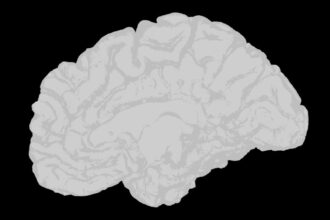
Graded Exposure Therapy is a psychological treatment that helps individuals confront and overcome their fears through a structured and systematic approach. This method is particularly effective for anxiety disorders, phobias, and situations that trigger significant fear responses. The therapy works by gradually exposing patients to feared objects or situations, which builds tolerance and reduces anxiety over time.
Through small, manageable incremental steps, patients learn to face their fears without becoming overwhelmed, leading to improved functioning and quality of life. Graded Exposure Therapy operates within a controlled framework designed to prevent panic or severe distress. The therapist and patient work together to establish a safe environment where exposure occurs at a manageable pace.
This gradual approach reduces the fear response through a process called desensitization, in which repeated exposure to the feared stimulus decreases the anxiety it produces. By practicing anxiety management in controlled settings, patients develop coping strategies that transfer to real-world situations.
Key Takeaways
- Graded exposure therapy involves gradually facing fears to reduce anxiety.
- Identifying specific fears and triggers is essential for effective treatment.
- Setting realistic goals and creating a fear hierarchy helps structure progress.
- Managing anxiety with relaxation techniques supports successful exposure.
- Professional guidance enhances safety and effectiveness throughout the process.
Identifying Your Fears and Triggers
The first step in your journey toward overcoming fear is identifying what specifically triggers your anxiety. This process requires introspection and honesty with yourself.
It could be anything from public speaking to flying in an airplane or even social interactions. By pinpointing these fears, you can begin to understand the underlying thoughts and beliefs that contribute to your anxiety. Once you have identified your fears, it’s crucial to recognize the triggers associated with them.
Triggers can be external, such as specific locations or people, or internal, like certain thoughts or feelings. Keeping a journal can be an effective way to track these triggers and your reactions to them. By documenting your experiences, you can gain insight into patterns that may emerge, helping you to prepare for exposure therapy more effectively.
Setting Realistic Goals for Overcoming Fears
Setting realistic goals is a vital component of successfully navigating Graded Exposure Therapy. As you begin this process, it’s important to establish clear and achievable objectives that will guide your efforts. Start by breaking down your ultimate goal of overcoming fear into smaller, manageable milestones.
For instance, if your fear is public speaking, a realistic goal might be to speak in front of a small group of friends before progressing to larger audiences. When setting these goals, ensure they are specific, measurable, attainable, relevant, and time-bound (SMART). This framework will help you stay focused and motivated as you work through your fears.
Remember that progress may be slow at times, and that’s perfectly okay. Celebrate each small achievement along the way, as these victories will build your confidence and reinforce your commitment to overcoming your fears.
Creating a Hierarchy of Fear
Creating a hierarchy of fear is an essential step in Graded Exposure Therapy. This involves ranking your fears from least to most anxiety-provoking. By organizing your fears in this manner, you can approach them systematically, starting with the least intimidating situations and gradually working your way up to more challenging ones.
This hierarchy serves as a roadmap for your exposure journey, providing structure and clarity as you confront each fear. To create your hierarchy, list out all the situations or objects that trigger your anxiety. Once you have this list, assign a level of intensity to each fear on a scale from 1 to 10, with 1 being the least fearful and 10 being the most.
This ranking will help you identify where to begin your exposure therapy and allow you to track your progress as you work through each level of fear.
Starting with the Least Fearful Situation
| Step | Exposure Task | Intensity Level | Duration | Goal | Notes |
|---|---|---|---|---|---|
| 1 | View pictures related to feared stimulus | Low | 5-10 minutes | Begin habituation and reduce anxiety | Use images that are mildly anxiety-provoking |
| 2 | Listen to audio related to feared stimulus | Low to Moderate | 10-15 minutes | Increase tolerance to stimulus-related cues | Combine with relaxation techniques |
| 3 | Watch videos depicting feared situation | Moderate | 15-20 minutes | Enhance emotional processing | Monitor anxiety levels closely |
| 4 | Imagine being in feared situation | Moderate to High | 20-30 minutes | Practice coping strategies | Use guided imagery scripts |
| 5 | In vivo exposure to feared stimulus (controlled) | High | 30-60 minutes | Facilitate real-life habituation | Ensure safety and support |
| 6 | Extended in vivo exposure without avoidance | Very High | 60+ minutes | Consolidate gains and prevent relapse | Encourage self-efficacy |
Once you have established your hierarchy of fear, it’s time to take action by starting with the least fearful situation. This initial exposure should be something that feels manageable for you—something that won’t overwhelm you but still allows you to confront your fear in a controlled manner. For example, if your fear is related to social situations, you might start by engaging in brief conversations with acquaintances before moving on to larger gatherings.
As you begin this process, remember that the goal is not to eliminate anxiety entirely but rather to learn how to manage it effectively. Allow yourself to feel the discomfort without judgment; this is a natural part of the exposure process. By facing your fears gradually, you’ll start to notice that the anxiety associated with these situations diminishes over time.
Building Confidence through Step-by-Step Exposure
Building confidence is a crucial aspect of overcoming fear through Graded Exposure Therapy. As you progress through your hierarchy of fear, each successful exposure will reinforce your ability to handle anxiety-inducing situations. With each step taken, you’ll find that your confidence grows, making it easier to tackle more challenging fears down the line.
It’s important to approach each exposure with a positive mindset. Remind yourself of the progress you’ve made so far and visualize yourself successfully navigating the next step in your hierarchy. This mental rehearsal can be incredibly powerful in boosting your confidence and reducing anxiety during exposure.
Celebrate each accomplishment, no matter how small; these victories are building blocks toward greater resilience.
Managing Anxiety and Panic during Exposure
Managing anxiety and panic during exposure is an essential skill that will serve you well throughout this process. As you confront your fears, it’s natural for anxiety levels to rise; however, having strategies in place can help you navigate these moments more effectively. One technique is grounding exercises, which involve focusing on your surroundings and engaging your senses to bring yourself back to the present moment.
Another effective strategy is practicing mindfulness during exposure. By observing your thoughts and feelings without judgment, you can create distance between yourself and the anxiety response. This practice allows you to acknowledge the discomfort while recognizing that it doesn’t define you or dictate your actions.
Over time, these techniques will become second nature, empowering you to manage anxiety more effectively as you continue on your journey.
Practicing Relaxation Techniques
Incorporating relaxation techniques into your routine can significantly enhance your ability to cope with anxiety during exposure therapy. Techniques such as deep breathing exercises, progressive muscle relaxation, or guided imagery can help calm your mind and body when faced with fear-inducing situations. By practicing these techniques regularly, you’ll develop a toolkit of strategies that can be employed whenever anxiety arises.
Deep breathing exercises are particularly effective for managing acute anxiety. When faced with a stressful situation, take a moment to focus on your breath—inhale deeply through your nose for a count of four, hold for four counts, and exhale slowly through your mouth for another four counts. This simple practice can help lower heart rates and promote relaxation, making it easier for you to face your fears head-on.
Gradually Increasing Exposure Intensity
As you become more comfortable with the initial exposures in your hierarchy of fear, it’s time to gradually increase the intensity of those exposures. This step is crucial for building resilience and ensuring continued progress in overcoming your fears. By challenging yourself with slightly more difficult situations or environments, you’ll continue to desensitize yourself to anxiety triggers.
It’s essential not to rush this process; pushing yourself too hard can lead to setbacks or increased anxiety. Instead, take incremental steps that feel manageable while still pushing the boundaries of your comfort zone.
This balanced approach will help maintain motivation and foster long-term success.
Celebrating Small Victories
Celebrating small victories is an integral part of the Graded Exposure Therapy process. Each step forward—no matter how minor—deserves recognition and appreciation. Acknowledging these achievements not only boosts morale but also reinforces positive behavior patterns that contribute to overcoming fear.
Whether it’s treating yourself after completing an exposure or simply taking a moment to reflect on how far you’ve come, celebrating these milestones is vital for maintaining motivation. Consider keeping a success journal where you document each victory along the way. Writing down what you’ve accomplished can serve as a powerful reminder of your progress during challenging times when self-doubt may creep in.
By focusing on these successes rather than setbacks, you’ll cultivate a more positive mindset that encourages continued growth and resilience.
Seeking Professional Support and Guidance
While self-directed Graded Exposure Therapy can be effective for many individuals, seeking professional support can enhance the experience significantly. A trained therapist can provide valuable guidance tailored specifically to your needs and fears. They can help you navigate challenges that may arise during exposure therapy and offer additional coping strategies that may not have occurred to you on your own.
Working with a professional also provides accountability and encouragement throughout the process. They can help ensure that you’re progressing at a pace that’s appropriate for you while also offering insights based on their expertise in treating anxiety disorders. If you’re feeling overwhelmed or unsure about how to proceed at any point in your journey, don’t hesitate to reach out for support; it’s an important step toward achieving lasting change in overcoming fear.
In conclusion, Graded Exposure Therapy offers a structured approach for confronting fears and building resilience over time. By understanding the process, identifying triggers, setting realistic goals, creating a hierarchy of fear, and gradually increasing exposure intensity while managing anxiety effectively, you can make significant strides toward overcoming what once felt insurmountable. Remember that this journey is unique for everyone; celebrate each small victory along the way and consider seeking professional support if needed—your path toward freedom from fear is within reach!
Exposure therapy is a well-established treatment for anxiety disorders, and one effective method within this approach is the graded ladder technique. This method involves gradually exposing individuals to their fears in a controlled manner, allowing them to build confidence and reduce anxiety over time. For more insights on this therapeutic approach, you can read a related article on the topic at Unplugged Psych.
FAQs
What is exposure therapy?
Exposure therapy is a psychological treatment that helps individuals confront and reduce their fears or anxieties by gradually and systematically exposing them to the feared object, situation, or thought in a controlled and safe environment.
What does the graded ladder approach mean in exposure therapy?
The graded ladder approach involves breaking down the feared stimulus or situation into a hierarchy of steps, starting from the least anxiety-provoking to the most challenging. The individual progresses through these steps gradually, building confidence and reducing fear at each level.
How is the hierarchy or ladder created in exposure therapy?
The hierarchy is typically created collaboratively between the therapist and the client. They identify specific situations or stimuli related to the fear and rank them from least to most distressing, forming a step-by-step ladder for exposure.
Who can benefit from exposure therapy using the graded ladder approach?
Exposure therapy with a graded ladder approach is effective for individuals experiencing anxiety disorders, phobias, post-traumatic stress disorder (PTSD), obsessive-compulsive disorder (OCD), and other conditions involving avoidance behaviors due to fear.
How long does exposure therapy using the graded ladder approach usually take?
The duration varies depending on the individual’s specific fears, severity, and progress. Some may see improvement in a few weeks, while others may require several months of regular sessions.
Is exposure therapy safe?
Yes, when conducted by a trained mental health professional, exposure therapy is considered safe. The graded ladder approach ensures that exposure is gradual and manageable, minimizing the risk of overwhelming the individual.
What are the common challenges faced during exposure therapy?
Common challenges include initial increased anxiety, reluctance to face feared situations, and occasional setbacks. However, these are typically addressed through therapist support and gradual progression.
Can exposure therapy be done without a therapist?
While some self-help resources exist, exposure therapy is most effective and safe when guided by a qualified therapist who can tailor the approach and provide support throughout the process.
What is the goal of exposure therapy using the graded ladder approach?
The primary goal is to reduce fear and avoidance behaviors by helping individuals build tolerance and confidence in facing feared situations, ultimately improving their daily functioning and quality of life.
Are there any side effects of exposure therapy?
Temporary increases in anxiety or distress during exposure sessions are common but typically decrease over time. Long-term side effects are rare when therapy is properly conducted.