You’ve likely encountered the concept of “manifestation” – the idea that your thoughts and beliefs can influence your reality. While often associated with spiritual or self-help movements, a growing body of scientific inquiry is exploring the neurological underpinnings of this phenomenon. This article delves into the neuroscience of manifestation and belief change, examining how your brain processes conscious intent, shapes your perception, and ultimately influences your actions and outcomes. You’ll discover that while there isn’t a magical force at play, your brain’s remarkable plasticity and predictive capabilities offer a compelling framework for understanding how your internal world can shape your external experience.
Your brain isn’t just a passive receiver of information; it’s an active, predictive engine constantly anticipating what’s going to happen next. This predictive coding model, a cornerstone of modern neuroscience, posits that your brain continuously generates hypotheses about the world and then compares them against sensory input. When there’s a mismatch, it updates its models. This fundamental process plays a crucial role in how you perceive and interact with your environment, and it’s a key player in the neuroscience of manifestation.
Predictive Coding and Confirmation Bias
You are inherently wired for confirmation bias. Once your brain forms a belief or expectation, it actively seeks out evidence that confirms it, while often downplaying or ignoring contradictory information. This isn’t a flaw; it’s an evolutionary shortcut to conserve cognitive resources. If you believe you are “unlucky,” your brain becomes attuned to negative events, interpreting even neutral occurrences through that lens. Conversely, if you hold a belief in your capacity for success, your brain will more readily identify opportunities and interpret challenges as surmountable.
- Filter of Perception: Your beliefs act as a filter, allowing certain information to pass through and interpreting other data in a specific way. Imagine your brain as a radio tuner; your beliefs are the frequency you’re tuned into. You’ll primarily hear the stations broadcasting on that frequency, even if other signals are present.
- Neural Pathways and Entrenchment: The more you reinforce a belief, the stronger the associated neural pathways become. These established pathways make it easier for your brain to reiterate those beliefs and automatically guide your perception and behavior in accordance with them.
Bottom-Up vs. Top-Down Processing
Your brain processes information in two primary ways:
- Bottom-up Processing: This involves taking raw sensory data from the environment and building a perception from it. You see a shape, register its color, and then identify it as a “tree.”
- Top-down Processing: This is where your existing knowledge, expectations, and beliefs influence how you interpret sensory information. If you’re expecting to see a tree, your brain might rapidly identify tree-like features even in ambiguous stimuli. In manifestation, your “manifested” belief acts as a powerful top-down influence, actively shaping what you perceive in the world and how you react to it.
The neuroscience of manifestation and belief change is a fascinating area of study that explores how our thoughts and beliefs can shape our reality. A related article that delves deeper into this topic can be found on Unplugged Psychology, where the author discusses the brain’s plasticity and how positive affirmations can lead to significant changes in our mental and emotional states. To read more about this intriguing connection, visit Unplugged Psychology.
The Power of Focus and Attention: Directing Your Neural Resources
Where you direct your attention is fundamentally where you direct your brain’s resources. Your brain is a limited resource manager, constantly allocating energy and processing power to what you deem most important. This principle, often highlighted in self-help literature, has a direct neurobiological basis.
The Reticular Activating System (RAS)
A key player in this process is your Reticular Activating System (RAS), a network of neurons located in your brainstem. The RAS acts as a gatekeeper, filtering out irrelevant information and allowing only salient stimuli to reach your conscious awareness. When you consciously focus on a particular goal or desire, you are, in essence, programming your RAS to prioritize information related to that goal.
- Selective Attention: Think of buying a new car. Once you decide on a specific make and model, you suddenly start noticing that car everywhere on the road. It’s not that there are more of them; it’s that your RAS, now programmed by your conscious intention, is actively flagging them for your attention.
- Opportunity Recognition: By focusing on what you want to manifest, you become more alert to opportunities, resources, and connections that align with your desired outcome. Your brain is now actively searching for solutions and possibilities instead of passively observing.
Goal-Directed Behavior and Executive Function
Your prefrontal cortex, the seat of executive functions, is crucial for goal-directed behavior. When you set a clear intention, you activate this region, which then orchestrates a series of cognitive processes to help you achieve your goal.
- Planning and Decision-Making: Your prefrontal cortex engages in strategic planning, breaking down your goal into smaller, manageable steps.
- Working Memory: It holds relevant information in your mind, allowing you to stay focused and make connections as you pursue your objective.
- Inhibition: It helps you suppress impulses and distractions that might deter you from your path.
Neuroplasticity: The Brain’s Capacity for Change
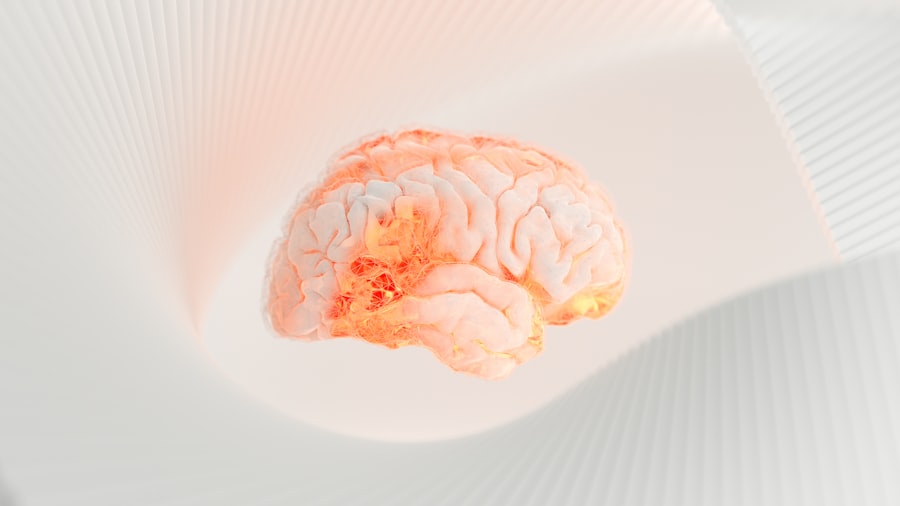
One of the most remarkable discoveries in modern neuroscience is neuroplasticity – the brain’s ability to reorganize itself by forming new neural connections throughout life. This isn’t just a metaphor; it’s a tangible, biological process. Every thought you think, every experience you have, subtly alters the architecture of your brain. This inherent malleability is the biological foundation for belief change and, consequently, for influencing your reality.
Synaptic Pruning and Strengthening
Your brain is constantly refining its neural networks.
- Synaptic Strengthening (Long-Term Potentiation – LTP): When you repeatedly engage in a thought pattern, emotion, or behavior, the synapses (connections between neurons) involved in that process become stronger and more efficient. This is how habits are formed, and how beliefs become deeply ingrained.
- Synaptic Pruning (Long-Term Depression – LTD): Conversely, unused or less frequently activated neural connections weaken and can even be eliminated. This “use it or lose it” principle allows your brain to remain efficient and adapt to new learning. If you consciously choose to challenge old limiting beliefs, you are actively weakening those neural pathways.
Neurogenesis and Adult Learning
While the focus on neuroplasticity often centers on synaptical changes, research also indicates instances of neurogenesis – the creation of new neurons – in certain areas of the adult brain, notably the hippocampus, which is crucial for learning and memory. This suggests that even as an adult, your brain has the capacity to generate new circuitry, further supporting the idea that you are not permanently stuck with your current mental models.
- Environmental Enrichment: Engaging in novel and stimulating activities, learning new skills, and even physical exercise can promote neurogenesis and enhance overall brain plasticity. This highlights the importance of actively seeking out experiences that support your desired beliefs and manifestations.
The Role of Emotion and the Limbic System
Manifestation isn’t just about positive thinking; it’s deeply intertwined with your emotional state. Your limbic system, a collection of brain structures including the amygdala and hippocampus, plays a critical role in processing emotions, forming memories, and driving motivation. The emotions you attach to your intentions can significantly amplify their impact.
Amygdala and Emotional Tagging
Your amygdala is the brain’s “emotion center,” particularly active in processing fear and pleasure. When you vividly imagine a desired outcome and infuse it with strong positive emotions – joy, excitement, gratitude – your amygdala “tags” this experience as significant.
- Memory Consolidation: Emotional arousal enhances memory consolidation. This means that emotionally charged intentions are more likely to be stored in long-term memory, making them more salient and accessible to your conscious and subconscious mind.
- Motivation and Drive: Positive emotions associated with a goal provide a powerful motivational drive. They reduce the perceived effort required and increase your persistence in the face of challenges.
Dopamine and the Reward System
The neurotransmitter dopamine is central to your brain’s reward system. It’s released when you anticipate or experience something pleasurable, and it plays a vital role in motivation, learning, and reinforcement.
- Anticipatory Pleasure: When you vividly visualize and feel the emotions of achieving your desired outcome, your brain can release dopamine in anticipation. This creates a powerful feedback loop, making you more likely to pursue actions that lead to that desired state.
- Reinforcement Learning: Every small step you take towards your goal, every piece of evidence that confirms your belief, triggers a dopamine release, reinforcing the associated neural pathways and strengthening your motivation.
Recent studies in the neuroscience of manifestation and belief change have shed light on how our thoughts can shape our reality. For a deeper understanding of this fascinating topic, you might find the article on the science behind belief systems particularly insightful. It explores the mechanisms through which our beliefs can influence our perceptions and experiences. To read more about this, check out the article here.
Belief Change: Rewiring Your Inner Narrative
| Metric | Description | Neuroscientific Relevance | Typical Measurement Method | Example Findings |
|---|---|---|---|---|
| Neuroplasticity | Brain’s ability to reorganize and form new neural connections | Underlying mechanism for belief change and manifestation practices | fMRI, DTI (Diffusion Tensor Imaging) | Increased connectivity in prefrontal cortex after cognitive interventions |
| Prefrontal Cortex Activation | Activity in brain region associated with planning, decision-making, and self-control | Correlates with intentional focus and belief updating | fMRI, EEG | Higher activation during visualization and positive affirmation tasks |
| Default Mode Network (DMN) Modulation | Network active during self-referential thought and mind-wandering | Changes in DMN activity linked to shifts in self-belief and manifestation | Resting-state fMRI | Reduced DMN activity during mindfulness and manifestation exercises |
| Dopamine Release | Neurotransmitter involved in reward and motivation | Facilitates reinforcement of new beliefs and goal-directed behavior | PET scans, neurochemical assays | Increased dopamine during successful visualization of goals |
| Synaptic Strengthening | Enhancement of synaptic connections through repeated activation | Basis for learning new beliefs and habits | Electrophysiology, animal models | Long-term potentiation observed after repeated positive affirmations |
| Emotional Regulation | Ability to manage and respond to emotional experiences | Supports belief change by reducing cognitive dissonance and stress | fMRI, heart rate variability (HRV) | Improved regulation linked to increased prefrontal-amygdala connectivity |
Ultimately, “manifestation” at a neurological level is about belief change. It’s about consciously and consistently creating new neural pathways that support the reality you wish to experience, while simultaneously weakening the pathways associated with limiting beliefs. This is a process akin to rerouting a river; you’re not trying to stop the water, but gently guide its flow in a new direction.
Cognitive Restructuring and Affirmations
Cognitive restructuring, a cornerstone of cognitive behavioral therapy (CBT), involves identifying and challenging irrational or unhelpful thought patterns and replacing them with more constructive ones.
- Identifying Limiting Beliefs: You must first become aware of the negative thought patterns and deeply held beliefs that are hindering your progress. These are often deeply ingrained, subconscious narratives that have been running on autopilot for years.
- Challenging the Evidence: Once identified, you actively question the validity of these beliefs. What evidence supports them? Is there alternative evidence? Are there other ways to interpret past experiences?
- Creating New Narratives: You then consciously formulate new, empowering beliefs that align with your desired reality. This is where affirmations come into play. Repetitive, positive self-talk, particularly when emotionally charged and accompanied by vivid mental imagery, can gradually rewire your brain.
Visualization and Mental Rehearsal
Visualization is more than just “daydreaming.” From a neuroscientific perspective, it’s a form of mental rehearsal. When you vividly imagine yourself achieving a goal, your brain produces similar neural activity as if you were actually performing the action.
- Motor Imagery: Athletes frequently use visualization to improve performance. Studies show that mentally rehearsing a physical task activates similar motor cortex regions as actual physical practice. This prepares your nervous system for the real event.
- Emotional Embodiment: When you visualize with emotional intensity, you’re not just creating mental pictures; you’re creating a felt experience. This emotional tagging, as discussed earlier, helps to solidify the desired outcome in your subconscious mind and prime your brain for action.
Mindfulness and Self-Observation
Mindfulness practices, such as meditation and conscious breathing, play a crucial role in facilitating belief change. By cultivating present-moment awareness, you create a space between awareness and reaction, allowing you to observe your thoughts and emotions without immediately being swept away by them.
- Disidentification from Thoughts: Mindfulness helps you recognize that you are not your thoughts. Thoughts are transient mental events, and while they can be powerful, you have the capacity to choose which ones you engage with and reinforce.
- Neurochemical Balance: Regular mindfulness practice can influence neurochemistry, promoting the release of beneficial neurotransmitters and reducing stress hormones, creating a more conducive environment for learning and positive change.
In essence, the neuroscience of manifestation reveals that you are not simply a passive recipient of your circumstances. You are an active participant, continually shaping your internal and external worlds through your attention, beliefs, and emotions. While no magical cosmic ordering service is implied, your brain’s incredible capacity for prediction, adaptation, and reorganization provides a robust scientific framework for understanding how conscious intent and consistent effort can profoundly influence the trajectory of your life. By understanding and consciously applying these neurobiological principles, you empower yourself to become the architect of your own experience.
FAQs
What is the neuroscience of manifestation?
The neuroscience of manifestation studies how brain processes and neural mechanisms influence the ability to bring desired outcomes into reality through focused intention, belief, and mental visualization.
How does belief change occur in the brain?
Belief change involves neuroplasticity, where the brain forms new neural connections and pathways in response to new information, experiences, or intentional cognitive efforts, altering existing thought patterns and perceptions.
Which brain regions are involved in manifestation and belief change?
Key brain regions include the prefrontal cortex (responsible for planning and decision-making), the hippocampus (memory formation), and the limbic system (emotional processing), all of which contribute to how beliefs are formed and modified.
Can visualization techniques impact brain function related to manifestation?
Yes, visualization activates similar neural circuits as actual experiences, strengthening neural pathways associated with the desired outcome, which can enhance motivation and increase the likelihood of achieving goals.
Is there scientific evidence supporting the effectiveness of manifestation practices?
While direct scientific evidence is limited, studies in cognitive neuroscience and psychology support that positive thinking, focused attention, and belief change can influence behavior and brain function, indirectly supporting manifestation practices.