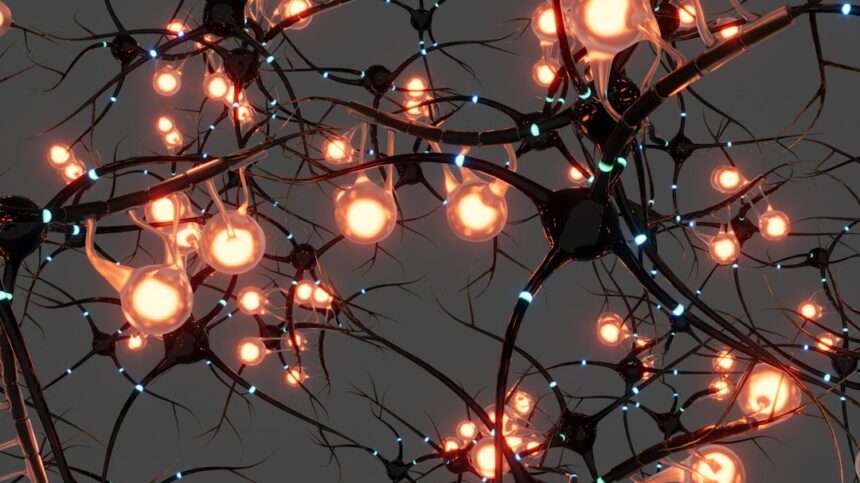
Intuition is often described as a gut feeling or an instinctive understanding that arises without the need for conscious reasoning. You may have experienced moments when you just “knew” something was right or wrong, even if you couldn’t articulate why. Neuroscience plays a crucial role in unraveling the complexities of intuition, shedding light on how your brain processes information beyond your conscious awareness.
This exploration reveals that intuition is not merely a mystical phenomenon but rather a sophisticated cognitive process rooted in the brain’s intricate networks. At its core, intuition involves the rapid synthesis of information, drawing from past experiences, emotions, and sensory inputs. Your brain continuously collects data from your environment, and this information is stored in various neural pathways.
When faced with a decision, these pathways can activate, allowing you to access this reservoir of knowledge almost instantaneously. Neuroscientific research indicates that areas such as the amygdala and the prefrontal cortex play significant roles in this process, highlighting how emotional and rational components intertwine to shape your intuitive responses.
Key Takeaways
- Intuition is a subconscious process that involves the brain’s ability to process information without conscious reasoning.
- The brain processes gut feelings through a complex network of neural pathways and neurotransmitters, allowing for quick and instinctive decision making.
- Intuition and decision making are closely connected in the brain, with the amygdala and prefrontal cortex playing key roles in processing emotional and rational information.
- Anxiety can impact brain function, leading to changes in neural activity and neurotransmitter levels that contribute to heightened fear and worry.
- The interplay between intuition and anxiety involves the subconscious processing of information and the impact of stress on brain function.
The Science Behind Intuition: How the Brain Processes Gut Feelings
The brain’s ability to process gut feelings is a fascinating interplay of neural circuits and biochemical reactions. When you experience an intuitive response, your brain is essentially performing a rapid assessment of the situation based on previous experiences and learned patterns. This process often occurs without your conscious awareness, making it feel like a sudden flash of insight.
The anterior cingulate cortex, for instance, is involved in evaluating conflicting information and making quick decisions, which can contribute to your intuitive judgments. Moreover, the role of neurotransmitters cannot be overlooked in this context. Chemicals like dopamine and serotonin influence your mood and emotional state, which can significantly impact your intuitive responses.
When you are in a positive emotional state, your brain may be more inclined to trust those gut feelings, while negative emotions can cloud your judgment. Understanding this biochemical foundation can empower you to recognize when your intuition might be more reliable and when it may be influenced by external stressors.
Intuition and Decision Making: Unraveling the Connection in the Brain
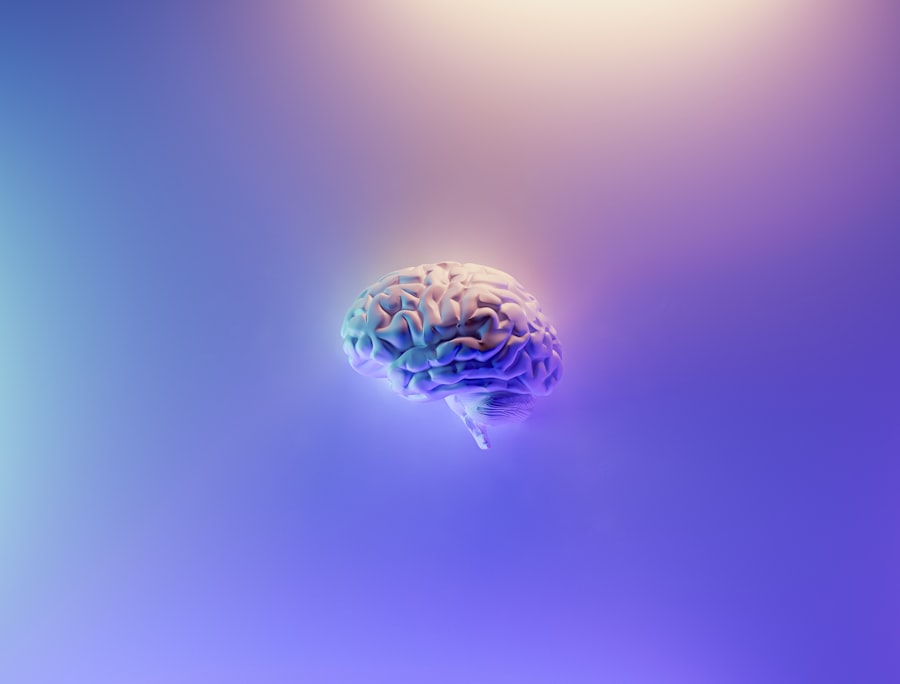
The connection between intuition and decision-making is profound and multifaceted. When you face choices, your brain engages in a complex dance between analytical thinking and intuitive processing. While traditional decision-making models emphasize rationality and logic, neuroscience suggests that intuition often plays a pivotal role in guiding your choices.
This duality can be particularly evident in high-stakes situations where time is limited, and the pressure to act quickly is paramount. Research indicates that intuitive decision-making can lead to more effective outcomes in certain contexts. For instance, when you rely on your gut feelings in familiar situations, you may tap into a wealth of experiential knowledge that enhances your judgment.
By understanding how your brain navigates these complexities, you can cultivate a more balanced approach to decision-making that incorporates both intuition and analytical reasoning.
The Role of Anxiety in Neuroscience: Examining the Impact on Brain Function
| Metrics | Findings |
|---|---|
| Anxiety Disorders Prevalence | Approximately 18.1% of the adult population in the United States is affected by anxiety disorders each year. |
| Impact on Brain Structure | Anxiety has been linked to structural changes in the brain, particularly in the amygdala and prefrontal cortex. |
| Neurotransmitter Imbalance | Anxiety is associated with imbalances in neurotransmitters such as serotonin, dopamine, and norepinephrine. |
| Neural Circuitry Dysfunction | Anxiety can disrupt neural circuits involved in emotion regulation and threat processing. |
Anxiety is a common experience that can significantly affect how your brain functions. When you encounter stressors or perceived threats, your brain activates the amygdala, which triggers the fight-or-flight response. This reaction prepares your body to respond to danger but can also lead to heightened anxiety levels that cloud your judgment and decision-making abilities.
Understanding the neuroscience behind anxiety can help you recognize its impact on your cognitive processes.
For instance, prolonged exposure to stress hormones like cortisol can lead to changes in the hippocampus, an area associated with memory and learning.
This alteration can impair your ability to access past experiences that inform your intuition, making it more challenging to trust those gut feelings when faced with decisions. By acknowledging the interplay between anxiety and brain function, you can take proactive steps to manage anxiety and enhance your cognitive clarity.
Anxiety and the Brain: Uncovering the Neurological Basis of Fear and Worry
The neurological basis of fear and worry is deeply rooted in the brain’s architecture. When you experience anxiety, various regions of your brain communicate to process these emotions. The amygdala plays a central role in detecting threats and generating fear responses, while the prefrontal cortex helps regulate these emotions by applying rational thought.
This dynamic interaction can create a feedback loop where heightened anxiety leads to increased fear responses, further complicating your ability to make sound decisions. Moreover, research has shown that individuals with anxiety disorders may exhibit altered connectivity between these brain regions. For example, an overactive amygdala coupled with reduced prefrontal cortex activity can result in an inability to effectively manage fear responses.
This imbalance can hinder your capacity to trust your intuition, as anxiety may overshadow those instinctive feelings with doubt and uncertainty. Understanding this neurological basis empowers you to seek strategies for managing anxiety and fostering a healthier relationship with your intuitive processes.
Intuition and Anxiety: Investigating the Interplay Between Gut Feelings and Stress

The interplay between intuition and anxiety is a complex relationship that can significantly influence your decision-making processes. When you experience anxiety, it can create a fog that obscures your intuitive insights. You may find yourself second-guessing those gut feelings or dismissing them altogether due to overwhelming worry or fear.
This dynamic can lead to missed opportunities or poor choices driven by anxiety rather than informed intuition. Conversely, there are instances where anxiety can heighten your intuitive awareness. In high-pressure situations, the adrenaline rush associated with anxiety may sharpen your senses and enhance your ability to read subtle cues from your environment.
This heightened state of awareness can sometimes lead to more accurate intuitive judgments. By recognizing this duality, you can learn to navigate moments of anxiety more effectively, allowing yourself to harness those gut feelings while managing stress.
The Neuroscience of Intuition: How the Brain Processes Subconscious Information
The processing of subconscious information is at the heart of how intuition operates within your brain. Much of what influences your intuitive responses occurs beneath the surface of conscious thought. Your brain continuously absorbs information from various sources—experiences, emotions, sensory inputs—and stores it in neural networks that operate without your explicit awareness.
When faced with a decision, these networks can activate rapidly, providing you with insights that feel instinctual. Neuroscientific studies have shown that certain areas of the brain are particularly active during intuitive processing. The insula, for example, is involved in interoceptive awareness—the ability to perceive internal bodily states—and plays a role in how you experience emotions related to intuition.
By understanding how these subconscious processes work, you can cultivate greater awareness of your intuitive responses and learn to trust them more effectively.
Anxiety Disorders and Neuroscience: Exploring the Link Between Mental Health and Brain Function
Anxiety disorders represent a significant area of study within neuroscience, as they highlight the intricate relationship between mental health and brain function. These disorders often manifest as excessive worry or fear that interferes with daily life, stemming from underlying neurological imbalances. Research has identified specific brain regions associated with anxiety disorders, including the amygdala, prefrontal cortex, and hippocampus.
Understanding this link between mental health and brain function is crucial for developing effective interventions. For instance, therapies such as cognitive-behavioral therapy (CBT) aim to rewire neural pathways associated with anxiety by challenging negative thought patterns and promoting healthier coping mechanisms. By addressing these neurological underpinnings, individuals can work towards managing their anxiety more effectively while also enhancing their capacity for intuitive decision-making.
Intuition as a Survival Mechanism: Understanding the Evolutionary Basis in Neuroscience
Intuition has deep evolutionary roots that serve as a survival mechanism for humans throughout history. Your ancestors relied on quick decision-making skills honed through instinctual responses to threats in their environment. This evolutionary perspective suggests that intuition is not merely a modern phenomenon but rather an adaptive trait that has been shaped by millennia of human experience.
From a neuroscientific standpoint, this evolutionary basis for intuition is reflected in the brain’s architecture. The rapid processing capabilities of the amygdala allow for swift reactions to potential dangers without engaging in lengthy deliberation. This instinctual response system has been crucial for survival, enabling early humans to navigate their environments effectively.
By recognizing this evolutionary context, you can appreciate the value of intuition as a tool for navigating contemporary challenges while also understanding its limitations.
Managing Anxiety through Neuroscience: Exploring the Potential for Brain-Based Interventions
As our understanding of neuroscience continues to evolve, so too do potential interventions for managing anxiety based on brain function. Techniques such as neurofeedback and mindfulness meditation have gained traction as effective methods for regulating emotional responses and enhancing cognitive clarity. These approaches leverage insights from neuroscience to help individuals rewire their brains for better emotional regulation.
Neurofeedback involves training individuals to alter their brain activity through real-time feedback mechanisms. By learning to modulate specific brainwave patterns associated with relaxation or focus, you can develop greater control over anxiety responses. Similarly, mindfulness practices encourage present-moment awareness and acceptance, fostering a sense of calm that allows for clearer intuitive processing.
By exploring these brain-based interventions, you can empower yourself to manage anxiety more effectively while enhancing your capacity for intuitive decision-making.
Harnessing Intuition: Applying Neuroscience to Enhance Decision Making and Reduce Anxiety
Harnessing intuition involves recognizing its value while also understanding its limitations within the context of neuroscience. By cultivating awareness of how your brain processes information—both intuitively and analytically—you can enhance your decision-making abilities while reducing anxiety levels. Strategies such as reflective journaling or mindfulness practices can help you tap into those gut feelings more effectively while also managing stress.
Additionally, creating an environment conducive to intuitive thinking is essential for fostering clarity in decision-making. Reducing distractions and allowing yourself time for reflection can enable those subconscious insights to surface more readily. By integrating these neuroscience-based strategies into your daily life, you can cultivate a more harmonious relationship with both intuition and anxiety—ultimately leading to more informed choices that align with your values and goals.
In conclusion, understanding the intricate relationship between intuition, anxiety, and neuroscience provides valuable insights into how you navigate decision-making processes in everyday life. By exploring these connections further, you empower yourself to harness the power of intuition while managing anxiety effectively—ultimately enhancing both personal growth and well-being.
Recent research in the neuroscience of intuition and anxiety has shed light on how our brain processes gut feelings and emotional responses. A related article that delves deeper into these concepts can be found at Unplugged Psych, where the intricate relationship between our intuitive judgments and anxiety levels is explored. This resource provides valuable insights into how understanding these mechanisms can enhance our emotional well-being.
WATCH THIS! Your Intuition Is Lying: How Anxiety Fakes Spiritual Wisdom
FAQs
What is intuition?
Intuition is the ability to understand or know something without the need for conscious reasoning. It is often described as a gut feeling or instinct.
What is the neuroscience of intuition?
Neuroscience research suggests that intuition involves rapid, unconscious processing in the brain, often drawing on past experiences and emotional cues to make quick decisions.
How does anxiety affect intuition?
Anxiety can interfere with intuition by causing overthinking and heightened sensitivity to potential threats, which can cloud intuitive decision-making processes.
What happens in the brain during intuitive decision-making?
During intuitive decision-making, the brain’s emotional and intuitive centers, such as the amygdala and insula, become more active, while the rational and analytical centers, such as the prefrontal cortex, may become less engaged.
Can intuition be trained or improved?
Research suggests that intuition can be honed through mindfulness practices, emotional regulation, and gaining more experience in specific domains, allowing individuals to better recognize and trust their intuitive insights.