
Neuroplasticity, also known as brain plasticity, refers to the brain’s remarkable ability to reorganize itself by forming new neural connections throughout life. It is not a fixed, immutable organ, but rather a dynamic, adaptable structure that continuously remodels itself in response to experience, learning, injury, and environmental demands. This inherent flexibility is fundamental to understanding how trauma impacts the brain and, critically, how healing from trauma is possible. Imagine your brain as a bustling city, its roads and buildings constantly being upgraded, rerouted, or even newly constructed based on the traffic demands and development priorities. This ongoing construction is neuroplasticity in action.
When you experience trauma, your brain’s primary objective shifts to survival. This primal response, governed largely by the limbic system, particularly the amygdala and hippocampus, triggers a cascade of neurobiological changes. These changes are not aberrations; they are adaptive responses designed to protect you in a perceived threat. However, in the aftermath of trauma, these adaptations can become maladaptive, leading to lasting psychological and physiological distress.
The Amygdala’s Overdrive: The Brain’s Smoke Detector
The amygdala, often referred to as the brain’s “alarm bell” or “smoke detector,” becomes hyperactive after trauma. Its sensitivity to threat cues increases dramatically. You might find yourself startling at sudden noises, feeling constantly on edge, or misinterpreting neutral stimuli as dangerous. This is your amygdala working overtime, constantly scanning the environment for potential re-traumatization, even when no actual threat exists. It’s like having a car alarm that’s set to maximum sensitivity, blaring at every passing leaf.
The Hippocampus’s Impairment: Fragmented Memories and Disrupted Context
The hippocampus, vital for memory formation and spatial navigation, can be negatively affected by trauma. Chronic stress and elevated cortisol levels, common after traumatic experiences, can damage hippocampal neurons, leading to reduced volume and impaired function. This can manifest as fragmented memories of the traumatic event, difficulty distinguishing between past and present threats, and challenges with contextualizing experiences. You might struggle to recall specifics of the trauma or find that seemingly innocuous triggers transport you back to the past, blurring the lines between what is happening now and what happened then. Your mental timeline becomes less linear, more a patchwork quilt.
The Prefrontal Cortex’s Diminished Role: Executive Dysfunction
The prefrontal cortex (PFC), responsible for executive functions such as decision-making, planning, emotional regulation, and impulse control, often experiences a reduction in its inhibitory control over the limbic system after trauma. This means that your “thinking brain” has a harder time calming down your “emotional brain.” You might experience difficulties with emotional regulation, impulsivity, or feeling overwhelmed by seemingly small stressors. It’s akin to having a highly skilled conductor (PFC) whose orchestra (limbic system) is playing out of tune and refusing to follow directions.
Neuroplasticity plays a crucial role in trauma healing, as it allows the brain to reorganize and form new neural connections in response to experiences. For a deeper understanding of how neuroplasticity can facilitate recovery from trauma, you can explore this insightful article on the topic. It discusses various therapeutic approaches that leverage neuroplasticity to promote healing and resilience. For more information, visit this article.
Harnessing Neuroplasticity for Healing: Rewiring for Resilience
The good news is that just as trauma can “rewire” your brain in unhelpful ways, neuroplasticity also provides the mechanism for “re-rewiring” it towards healing and resilience. This is not a passive process; it requires active engagement and intentional effort. Think of it as deliberately constructing new, healthier pathways in your brain city, carefully laid alongside or even replacing the old, overgrown, and inefficient ones.
Targeted Therapies: Guiding the Brain’s Remodeling
Various therapeutic approaches are specifically designed to leverage neuroplasticity for trauma healing. These therapies don’t just “talk about” trauma; they actively engage your brain in a process of reorganization.
Cognitive Behavioral Therapy (CBT): Reshaping Thought Patterns
CBT helps you identify and challenge distorted thought patterns and maladaptive coping mechanisms that arise from trauma. By consciously reframing negative thoughts, you are, in essence, creating new neural pathways that bypass the deeply entrenched, unhelpful ones. You learn to recognize the “alarm bells” (amygdala) and engage your “thinking brain” (PFC) to assess the actual threat level, reducing emotional reactivity. You’re learning to differentiate between the shadow and the actual object, thereby reducing your automatic fear response.
Eye Movement Desensitization and Reprocessing (EMDR): Integrating Traumatic Memories
EMDR therapy utilizes bilateral stimulation (e.g., eye movements) to help your brain process and integrate traumatic memories that may have been “stuck” or improperly stored. The theory suggests that EMDR facilitates the communication between different brain regions, allowing for a more adaptive resolution of the traumatic experience. It’s like taking a jumbled, fragmented puzzle and helping your brain to assemble the pieces into a coherent, less distressing picture.
Somatic Experiencing (SE): Releasing Trapped Energy
SE focuses on the physiological manifestations of trauma in your body. It helps you become aware of and gently release the “trapped” fight, flight, or freeze energy that often remains in the nervous system after a traumatic event. By paying attention to bodily sensations and allowing the natural completion of defensive responses, SE helps to regulate your autonomic nervous system, moving you out of a state of chronic hyperarousal. You’re consciously allowing your body to complete the defensive actions it was unable to perform during the trauma, thereby discharging the residual physiological tension.
Lifestyle Interventions: Fueling Brain Repair and Growth
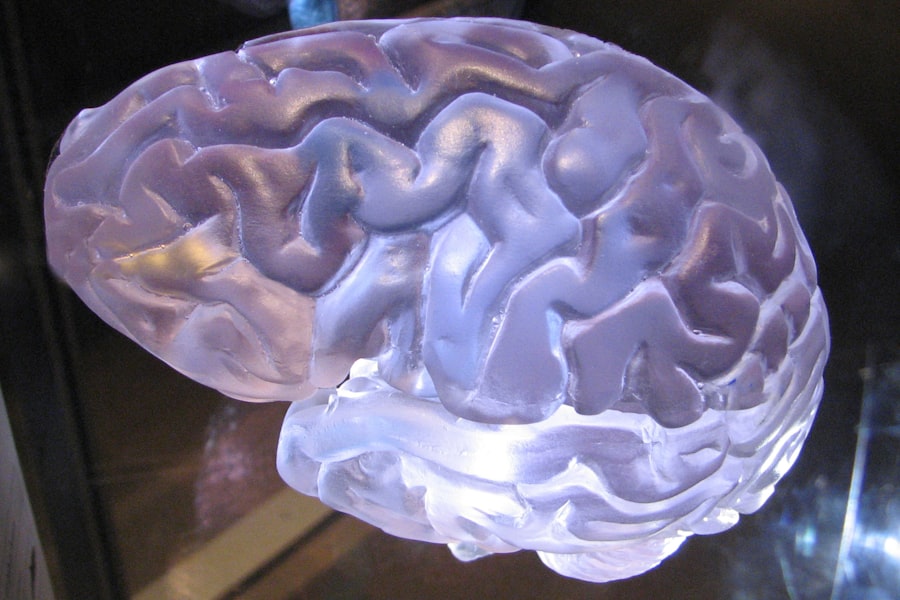
Beyond formal therapy, several lifestyle interventions play a crucial role in promoting neuroplasticity and fostering a healing environment for your brain. These are not mere “add-ons”; they are fundamental components of a holistic approach to recovery.
Mindfulness and Meditation: Cultivating Present Moment Awareness
Regular mindfulness practice and meditation have been shown to increase gray matter density in brain regions associated with emotional regulation, attention, and self-awareness, particularly the prefrontal cortex and hippocampus. By focusing on the present moment, you are actively training your brain to disengage from ruminative thoughts about the past and anxieties about the future, thereby reducing amygdala activity and enhancing PFC control. You’re building an internal sanctuary, a quiet space in the midst of the chaos where your brain can rest and recalibrate.
Regular Exercise: A Neurobiological Booster
Physical exercise, particularly aerobic activity, promotes neurogenesis (the growth of new neurons) and strengthens existing neural connections, especially in the hippocampus. It also reduces stress hormones and increases the production of neurotrophic factors, which support brain cell growth and survival. Exercise acts as a robust fertilizer for your brain’s garden, encouraging new growth and strengthening its overall structure.
Quality Sleep: The Brain’s Repair Shop
Sleep is not a luxury; it’s a critical period for brain restoration and consolidation of learning. During sleep, your brain clears metabolic waste products, strengthens synaptic connections involved in learning and memory, and regulates neurotransmitters. Chronic sleep deprivation exacerbates trauma symptoms and impairs cognitive function, while consistent, high-quality sleep supports optimal neuroplasticity. Imagine sleep as the crucial overnight maintenance crew for your brain city, diligently repairing, cleaning, and optimizing its infrastructure.
Balanced Nutrition: Building Blocks for Brain Health
Your brain, though only about 2% of your body weight, consumes a disproportionately large amount of energy and nutrients. A diet rich in omega-3 fatty acids, antioxidants, and essential vitamins and minerals provides the necessary building blocks for healthy brain function and neuroplasticity. Conversely, a diet high in processed foods and sugar can contribute to inflammation and impair cognitive function. You are literally feeding your brain the raw materials it needs to rebuild and strengthen its neural networks.
The Power of Relationships: Social Connections as Neural Scaffolding
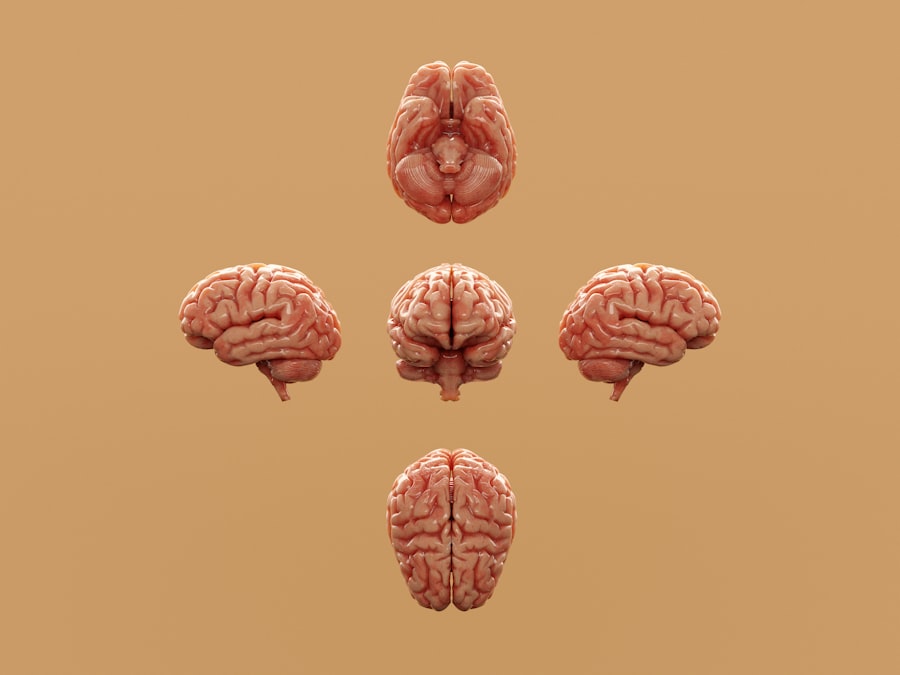
Humans are inherently social creatures, and social connection plays a profound role in brain health and trauma recovery. Secure attachments and supportive relationships can act as a powerful buffer against the negative impacts of trauma.
Co-Regulation and Empathy: A Source of Calm
Interactions with trusted individuals can facilitate “co-regulation,” where your nervous system attunes to and is calmed by another’s regulated state. Empathy, the ability to understand and share the feelings of another, is not just a psychological concept; it has observable effects on brain activity, activating brain regions involved in social cognition and emotional processing. When you feel understood and supported, your amygdala can stand down, recognizing a safe environment. It’s like having a trusted guide through a stormy landscape, their steady presence anchoring you.
Establishing New, Positive Experiences: Overwriting Negative Narratives
Engaging in positive, new experiences with others helps to create new, positive neural associations. These experiences can gradually “overwrite” or at least balance the deeply ingrained, negative narratives associated with trauma. By actively seeking out and participating in joyful, meaningful interactions, you are purposefully building new, healthier neural pathways that reinforce feelings of safety, connection, and well-being. Each positive interaction is like laying down a new brick in the foundation of your recovery, gradually building a stronger, more resilient structure.
Neuroplasticity plays a crucial role in trauma healing, as it allows the brain to reorganize itself and form new neural connections in response to experiences. This adaptability is essential for individuals recovering from traumatic events, enabling them to reshape their thoughts and behaviors. For a deeper understanding of how neuroplasticity can facilitate healing, you can explore this insightful article on the topic at Unplugged Psych, which discusses various therapeutic approaches that harness the brain’s capacity for change.
Embracing the Journey: Patience, Persistence, and Self-Compassion
| Metric | Description | Typical Range/Value | Relevance to Trauma Healing |
|---|---|---|---|
| Brain-Derived Neurotrophic Factor (BDNF) Levels | Protein that supports neuron growth and synaptic plasticity | 5-20 ng/mL in serum | Increased BDNF is associated with improved neuroplasticity and recovery from trauma |
| Hippocampal Volume | Size of the hippocampus measured via MRI | Approximately 3-4 cm³ in adults | Reduced volume linked to trauma; volume increase indicates neuroplastic recovery |
| Functional Connectivity (fMRI) | Strength of neural network connections in brain regions | Varies by region; measured as correlation coefficients (0-1) | Improved connectivity in prefrontal cortex and amygdala correlates with trauma healing |
| Synaptic Density | Number of synapses per unit volume in brain tissue | ~1 billion synapses per mm³ in cortex | Increased synaptic density reflects enhanced neuroplasticity post-trauma |
| Cortisol Levels | Stress hormone measured in blood or saliva | Normal range: 6-23 mcg/dL (morning) | Chronic elevation impairs neuroplasticity; normalization supports healing |
| Neurogenesis Rate | Rate of new neuron formation in hippocampus | Estimated hundreds to thousands per day in adults | Increased neurogenesis is a marker of trauma recovery and brain repair |
Healing from trauma through neuroplasticity is not a linear process, nor is it a quick fix. It is a journey that requires patience, persistence, and a profound degree of self-compassion. There will be setbacks, moments of discouragement, and times when it feels like no progress is being made.
The Long ARC of Healing: A Marathon, Not a Sprint
Remember that the brain’s rewiring takes time. Just as a forest doesn’t regrow overnight after a fire, your brain needs time to repair and rebuild. Celebrate small victories, acknowledge your efforts, and be kind to yourself. The analogy of transforming a complex city is apt – it’s a continuous process of infrastructure development, not a single construction project.
Self-Compassion: The Foundation of Sustainable Change
Self-criticism and harsh self-judgment can hinder the healing process, increasing stress and activating threat responses. Cultivating self-compassion – treating yourself with the same kindness and understanding you would offer a good friend – is crucial. It creates an internal environment conducive to healing, allowing your brain to feel safe enough to engage in the vulnerable work of repair and growth. It’s like tending to a wounded plant with gentle care, providing the optimal conditions for its recovery rather than harsh criticism.
In conclusion, your brain is an extraordinary, adaptable organ. While trauma can leave deep imprints, neuroplasticity offers a powerful avenue for healing and transformation. By understanding how your brain responds to trauma and actively engaging in therapeutic interventions, lifestyle adjustments, and supportive relationships, you can consciously guide your brain’s remarkable capacity for change towards a path of resilience, well-being, and renewed hope. You are not merely a passenger in your own brain; you are an active architect of its future.
FAQs
What is neuroplasticity?
Neuroplasticity is the brain’s ability to reorganize itself by forming new neural connections throughout life. This adaptability allows the brain to compensate for injury, adjust to new experiences, and support learning and memory.
How does trauma affect the brain?
Trauma can alter brain function and structure, particularly in areas related to emotion regulation, memory, and stress response. It may lead to changes in neural pathways that contribute to symptoms such as anxiety, depression, and difficulty processing emotions.
Can neuroplasticity help in healing from trauma?
Yes, neuroplasticity plays a crucial role in trauma healing by enabling the brain to rewire and develop new, healthier neural pathways. Therapeutic interventions can harness this capacity to reduce trauma symptoms and improve emotional regulation.
What types of therapies utilize neuroplasticity for trauma recovery?
Therapies such as cognitive-behavioral therapy (CBT), eye movement desensitization and reprocessing (EMDR), mindfulness practices, and somatic experiencing leverage neuroplasticity to help individuals process trauma and build resilience.
How long does it take for neuroplastic changes to occur during trauma healing?
The timeline for neuroplastic changes varies depending on the individual, the severity of trauma, and the type of intervention. Some changes can begin within weeks of therapy, while others may take months or longer to consolidate and produce lasting effects.